


The Sweden flag uses a fixed cross proportion defined in Swedish law: the width of the golden Nordic cross arms equals 2/16 of the flag's total width, producing the official aspect ratio of 5:8 (height to width). If you are buying or ordering a Swedish flag for outdoor display, an office, or a cultural event, you will find our full range — including multiple sizes — in the European Countries Flags collection. Understanding the proportions matters because a wrongly stretched cross or an off-ratio flag looks immediately wrong next to a correctly produced one, and it signals poor quality to anyone who knows the standard.
What the Official Swedish Flag Proportions Actually Are
Sweden's flag proportions are codified in Swedish government regulations, not left to manufacturers to estimate. The flag must be 5 units tall and 8 units wide — a ratio of 5:8. The vertical arm of the Nordic cross is placed so that its left edge sits at the 5/16 mark measured from the hoist (the pole side), and the cross itself is 2/16 units wide in both directions. This means the cross arm takes up exactly one-eighth of the flag's total width, which creates the asymmetric left-heavy cross that is characteristic of all Nordic flags — the cross center sits closer to the hoist than to the fly edge. That asymmetry is intentional and historically significant: it allows the cross to appear centered when the flag is flying on a pole, because the fly half billows outward and visually expands. The background is divided into four rectangles: two on the left (the canton and lower hoist panel) and two on the right (upper fly and lower fly). The canton — top-left rectangle — has proportions of 5:5, making it a square, while the fly-side rectangles are each 5:9. The precise Pantone colors specified in Swedish standards are Pantone 301 C for the blue field and Pantone 116 C for the golden-yellow cross, though many manufacturers approximate these with PMS 286 C (blue) and PMS 109 C (yellow) — the 301/116 pair is the more accurate official specification.
Standard Sweden Flag Sizes and Where Each One Is Used
Standard sizes for the Swedish flag follow the same sizing tiers used for most national flags worldwide, and each size corresponds to a specific use scenario. For outdoor pole display, the most common commercial sizes are 3 ft × 5 ft (91 cm × 152 cm) for residential flagpoles, 4 ft × 6 ft (122 cm × 183 cm) for light commercial poles, and 5 ft × 8 ft (152 cm × 244 cm) for mid-height municipal or embassy poles — note that the 5×8 size exactly mirrors the official 5:8 ratio in feet, which makes it the most proportionally faithful outdoor size. Larger institutional flags run to 6 ft × 10 ft (183 cm × 305 cm) and 8 ft × 12 ft (244 cm × 366 cm) for tall flagpoles in government compounds and sports stadiums. At the other end of the scale, handheld parade flags are typically 4 in × 6 in (10 cm × 15 cm) or 6 in × 9 in (15 cm × 23 cm), mounted on short wooden dowels. String pennant flags for events are cut at around 4 in × 6 in (10 cm × 15 cm) per panel. Each size tier has its own reinforcement requirements: outdoor flags above 3×5 ft should have canvas header strips and brass grommets rated for sustained wind loads, while smaller display flags prioritize presentation finish over structural hardware.
 The Sweden Outdoor Flag is crafted from 110g Raschel knitted polyester — a material chosen specifically for its ability to reproduce the saturated Pantone 301 C blue and Pantone 116 C gold of the Nordic cross without fading rapidly under UV exposure. Raschel knit construction allows wind to pass through the weave, which reduces the mechanical stress that tears flags at the fly hem, making it significantly more durable than woven fabrics of the same weight in gusty conditions. The iconic blue field and golden Nordic cross faithfully represent Swedish heritage associated with institutions like the Nobel Prize, IKEA, and Swedish cultural traditions that have global recognition. For residential 20–25 ft (6–7.6 m) flagpoles, the 3×5 ft size is the most commonly chosen because it stays visible from the street without overpowering a standard aluminum residential pole. If you are flying the Swedish flag alongside a US flag on a two-pole setup, both flags should match in size — never fly a smaller national flag on a taller pole than the companion flag.
How to Choose the Right Size for Your Pole, Wall, or Window
Choosing a Sweden flag size comes down to three variables: the height of your flagpole, the viewing distance, and where the flag is mounted. The general industry rule is that flag length (the long dimension) should be roughly 25% of the pole height. That means a 20 ft (6 m) pole takes a flag with a fly length of about 5 ft (1.5 m), which corresponds to the 3×5 ft size. A 30 ft (9 m) pole works best with a 4×6 ft flag, and a 40 ft (12 m) pole warrants a 5×8 ft flag. For viewing distance, a flag needs roughly 1 inch (2.5 cm) of fly length per 25 feet (7.6 m) of viewing distance to remain legible — so a 5 ft fly flag is readable up to about 125 ft (38 m) away. Wall-mounted displays are governed more by the wall surface area than by pole height: a flag hung flat against a wall should not exceed 25–30% of the visible wall width, or it will visually overwhelm the space. For interior office walls, 3×5 ft is the standard; for large lobby or atrium walls, 5×8 ft or 6×10 ft may be appropriate. The Sweden Wall-Mounted Telescopic Flagpole Set provides a complete solution for exterior or interior wall display — the aluminum telescopic pole and included wall bracket eliminate the need to source hardware separately, and the telescoping design makes installation straightforward for home, office, embassy, or cultural center settings.
Indoor, Outdoor, and Desk Sizes Compared
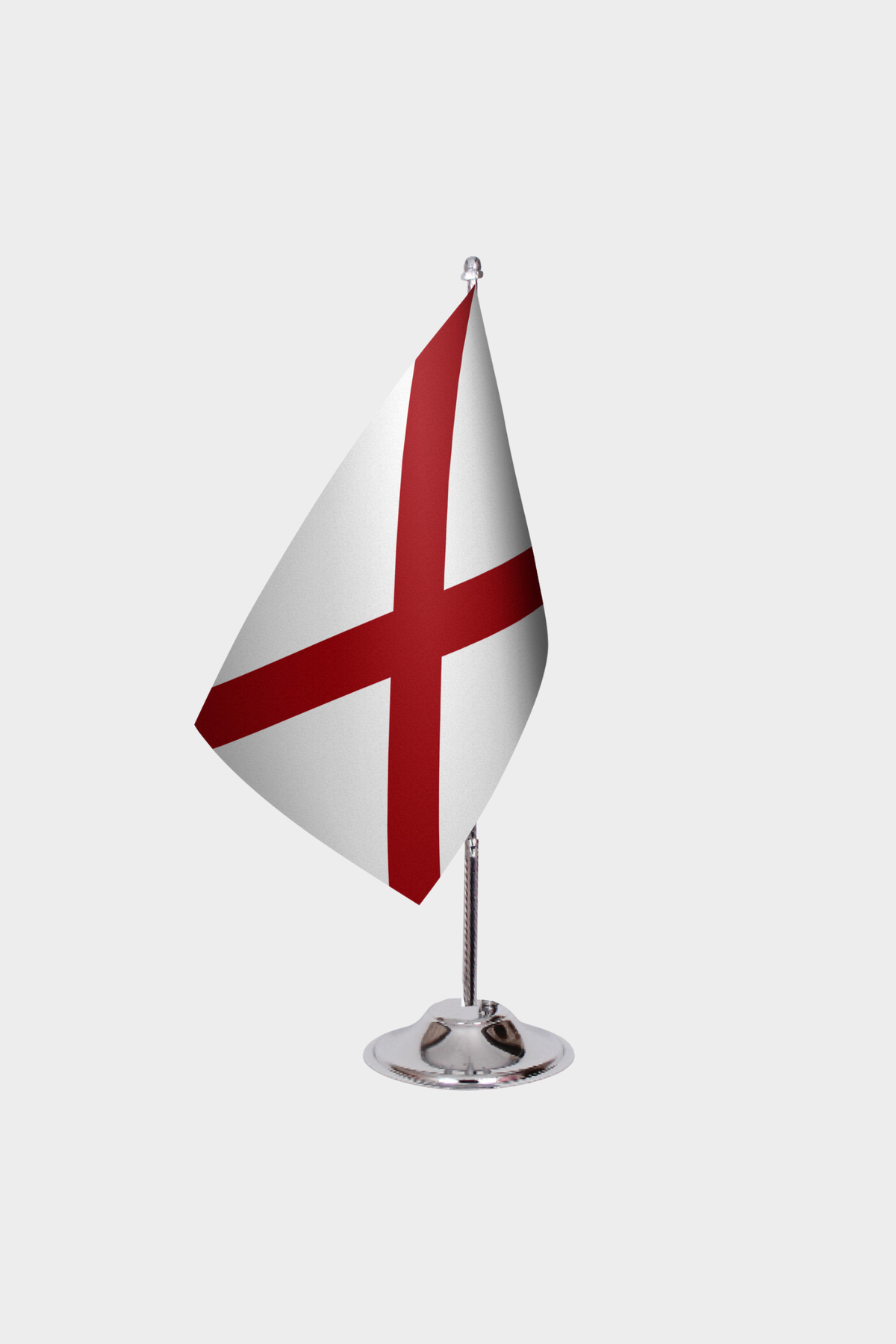
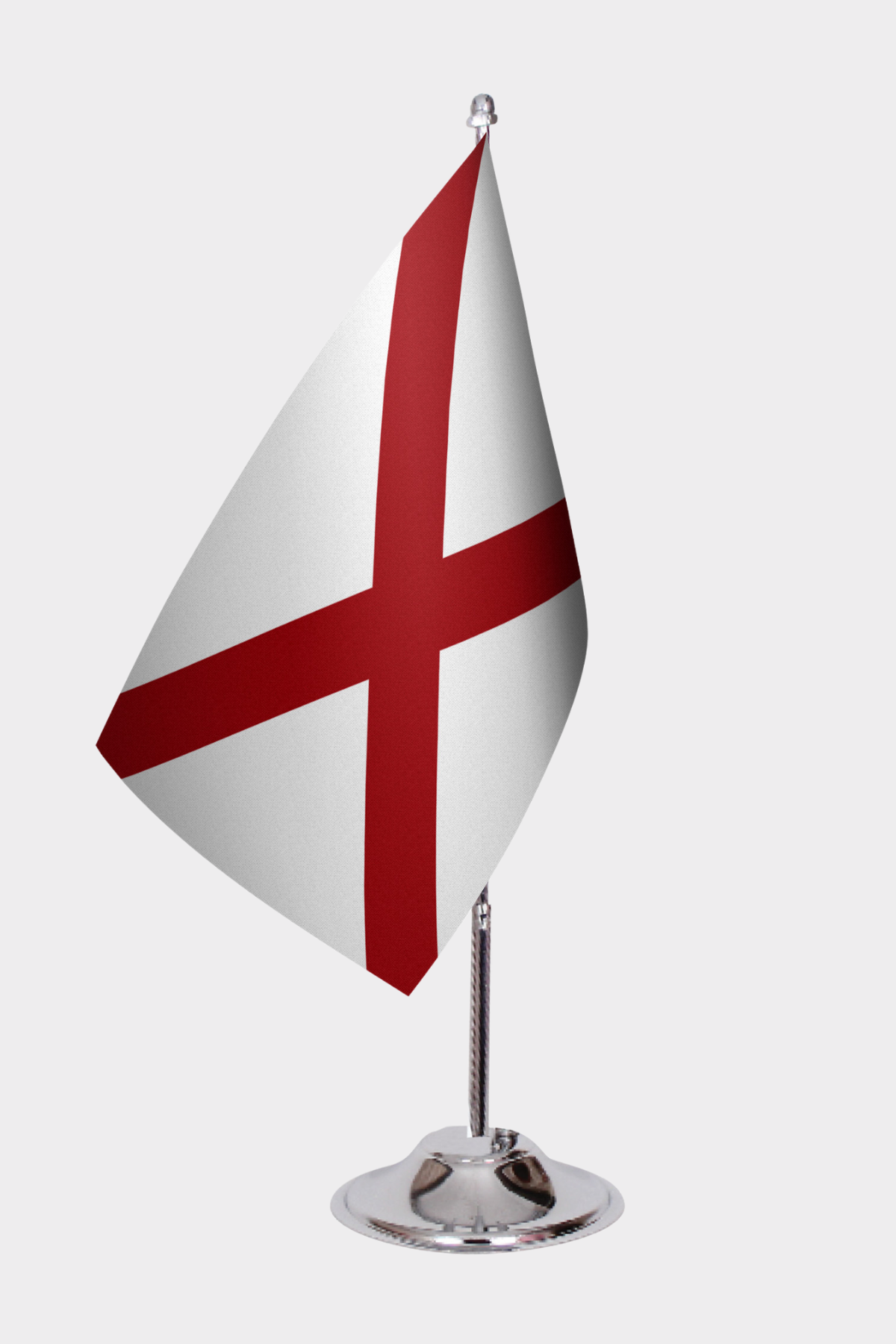
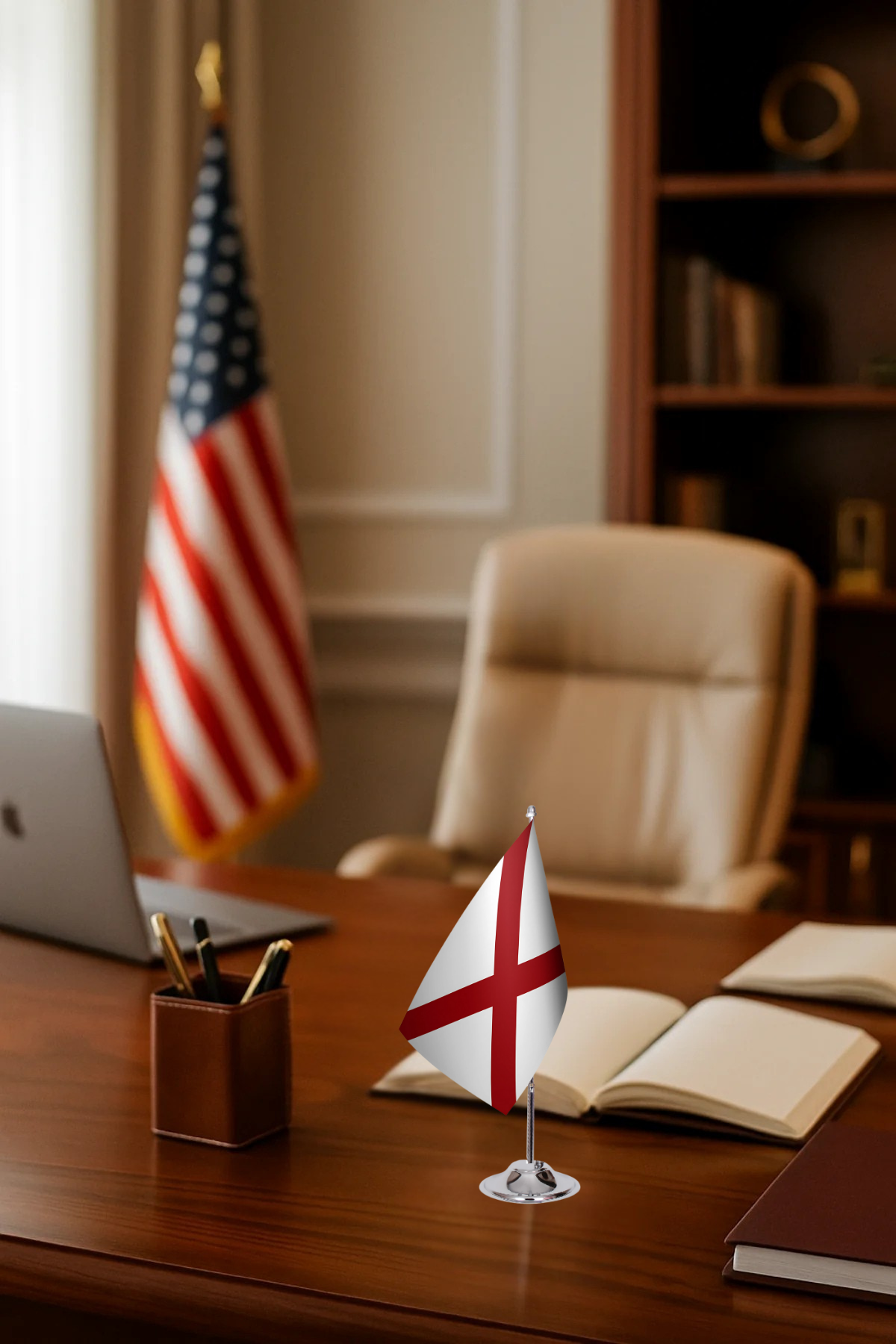
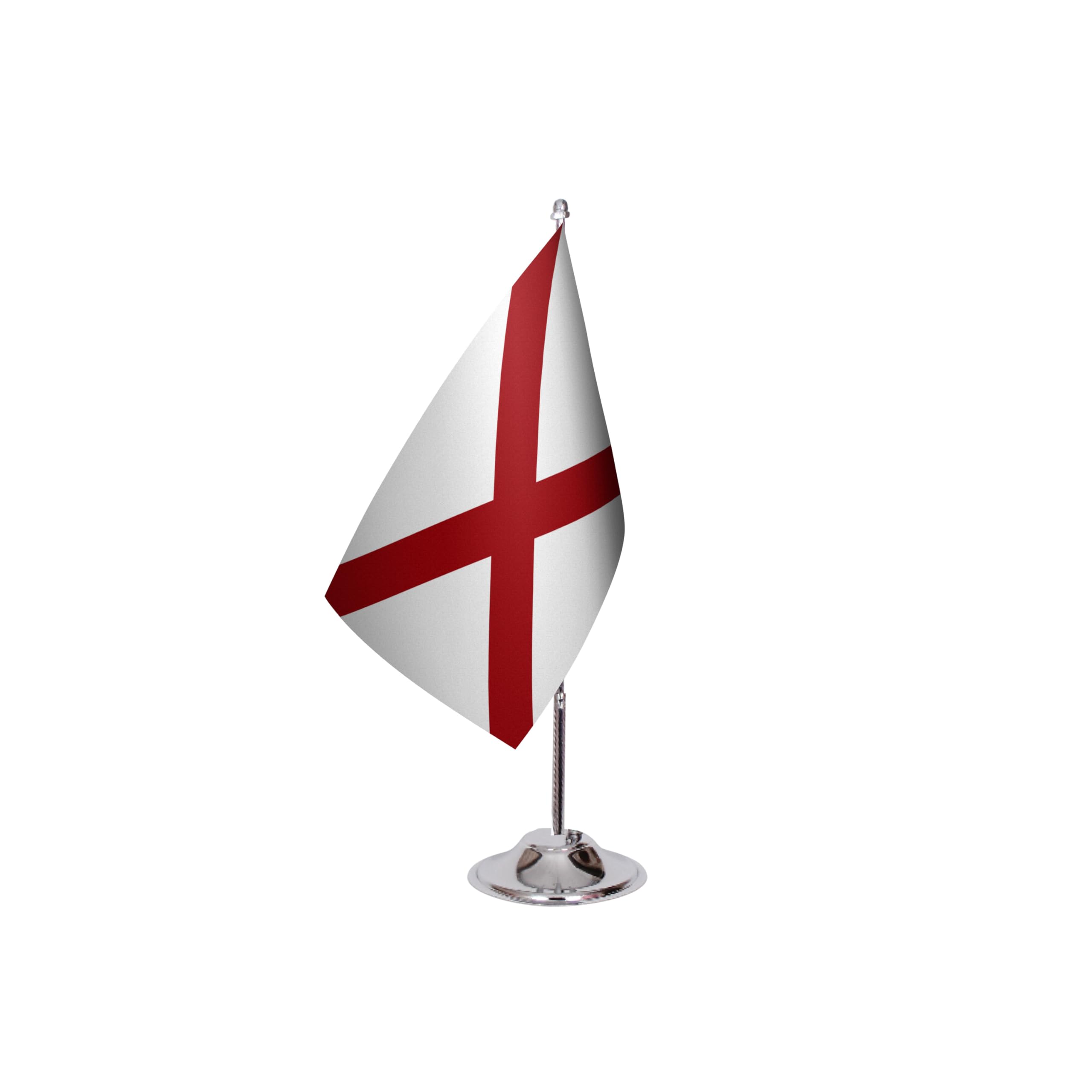
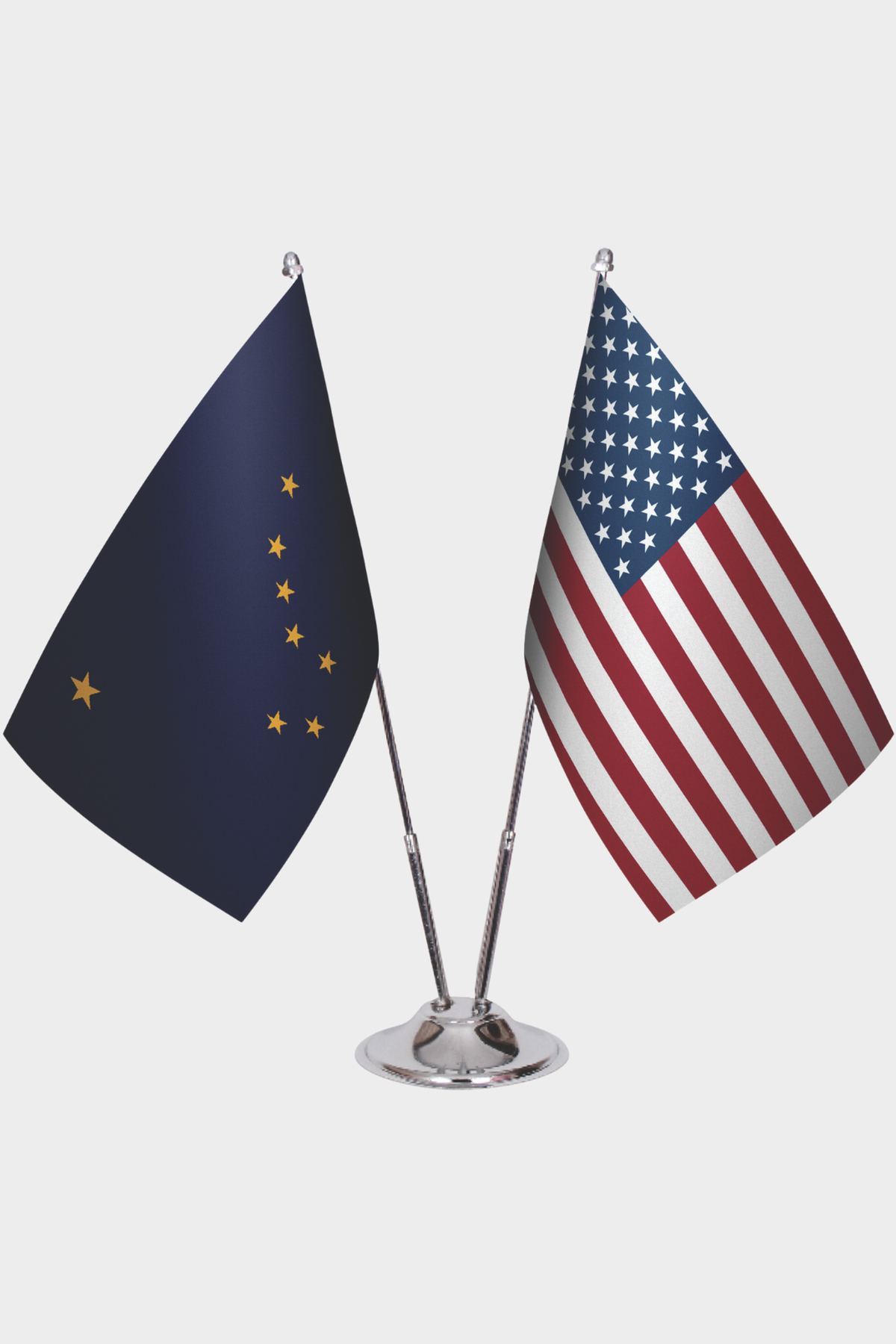
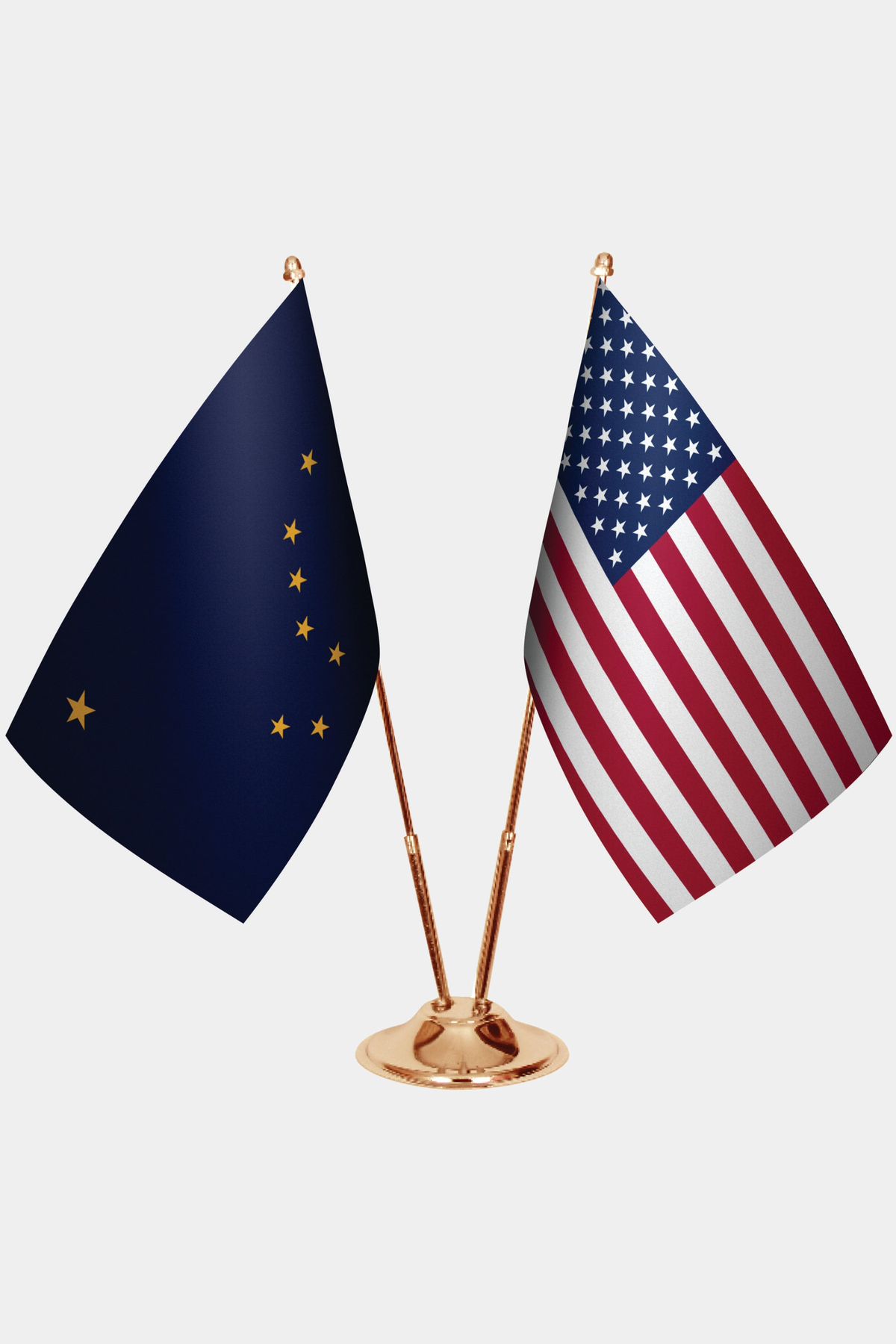
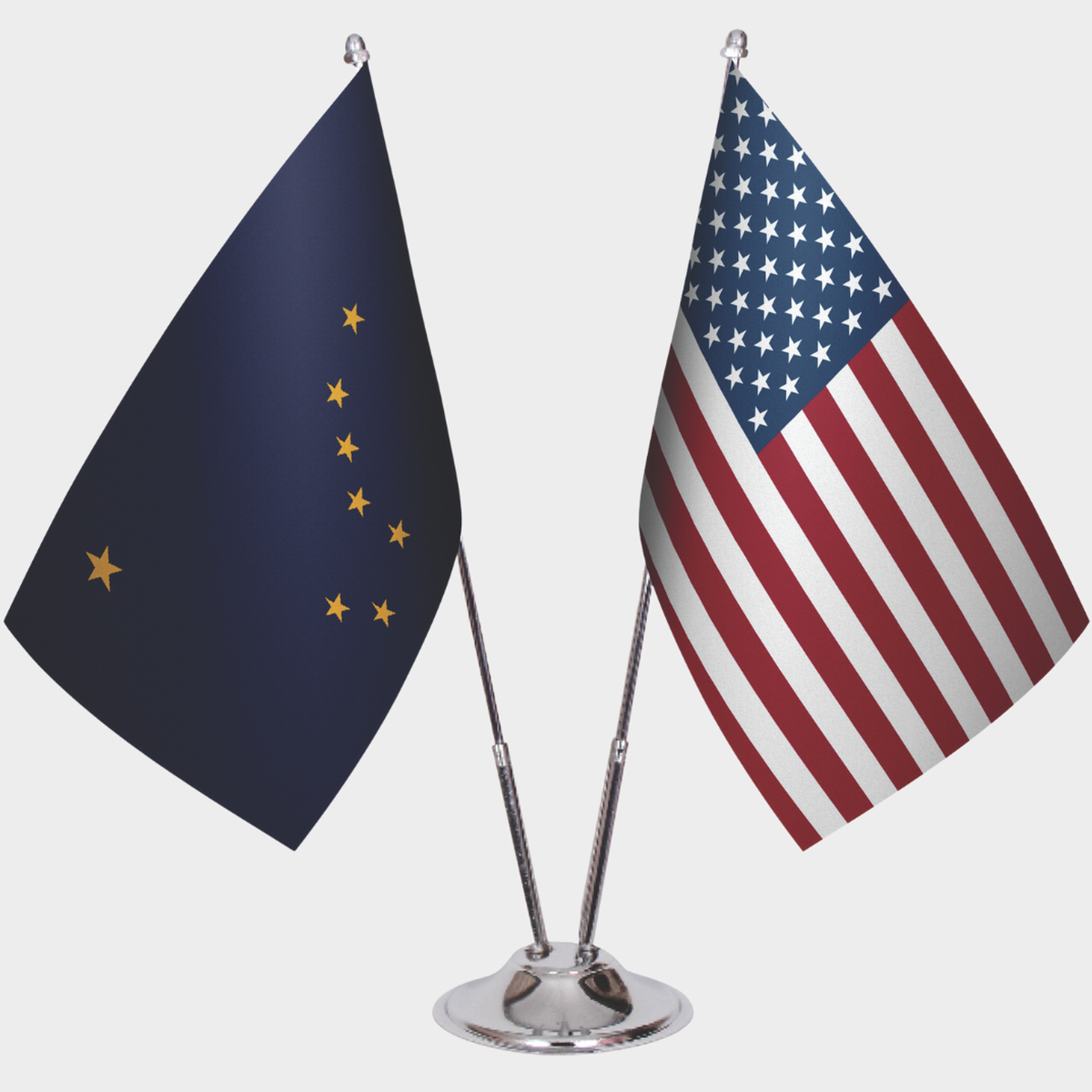
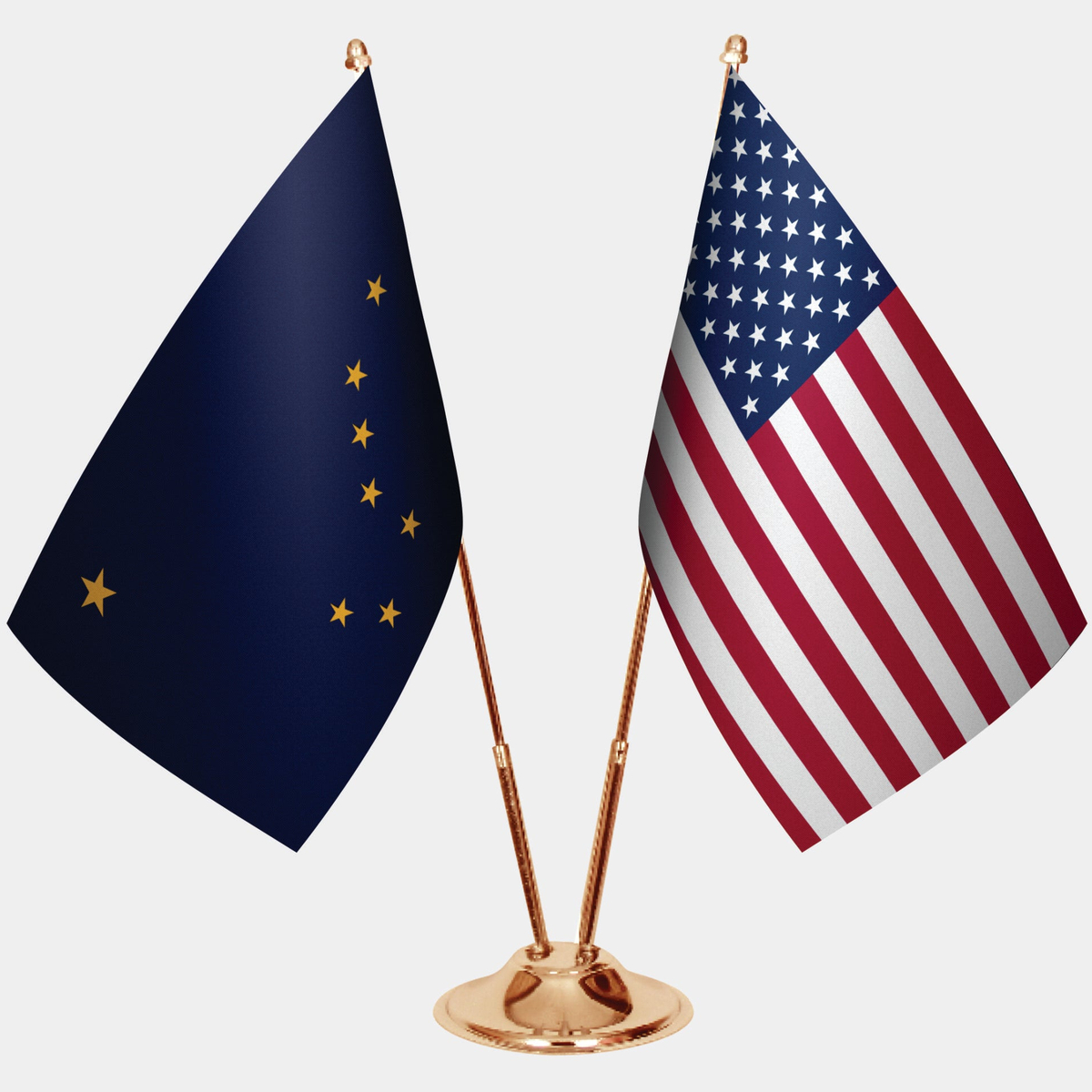
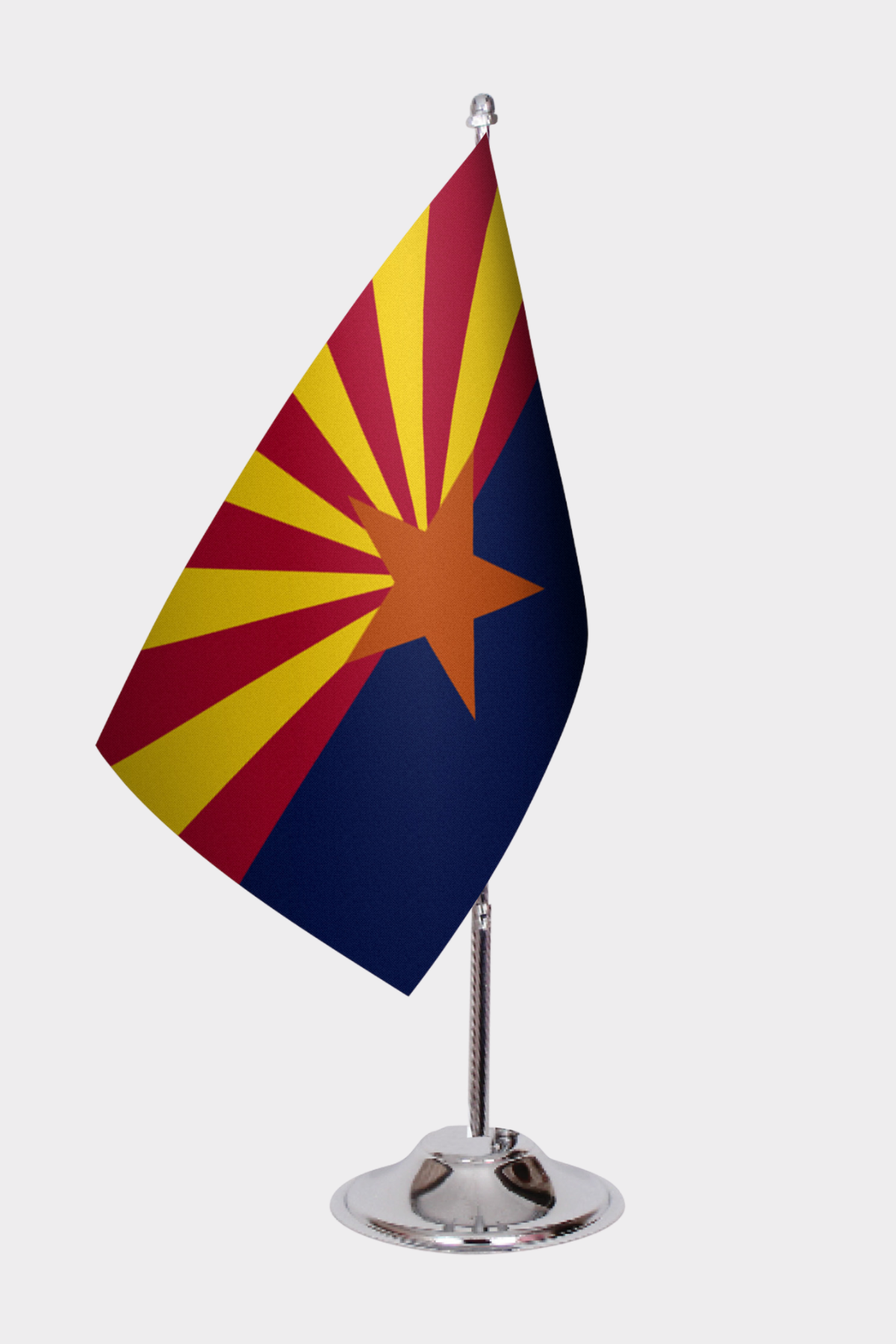
 Indoor, outdoor, and desk flags serve entirely different functions, which is why their sizes differ so sharply from one another. Outdoor flags prioritize visibility at distance and structural durability — they must hold their shape in wind, shed rain, and resist UV degradation over months to years. Indoor display flags are typically 3×5 ft (91 cm × 152 cm) mounted on a 6–8 ft (1.8–2.4 m) ceremonial floor pole, positioned next to a speaker's podium, a conference table, or flanking a stage — they are meant for close-range dignified display rather than wind resistance. Desk flags are scaled for immediate personal or professional settings: the Sweden Desk Flag sits on a weighted base mounted on a chrome metal pole, available in Silver Chrome or Gold finish, making it suitable for diplomatic offices, corporate reception desks, educational settings, or anywhere a national symbol needs to be present without occupying significant space. Desk flags are typically around 4 in × 6 in (10 cm × 15 cm) in the flag panel itself, though the overall presentation height including pole and base varies by product. The cross proportions on a well-made desk flag must maintain the same 5:8 ratio as a full-size flag — a common quality failure in cheap desk flags is a compressed or stretched cross that violates the official geometry. If you are equipping a conference room or embassy with both a standing floor flag and a desk flag, matching them to the same product line ensures color and proportion consistency across the room.
The Ratio Between Pole Height and Flag Size in Practice
The 25% rule for pole-to-flag proportioning is the most widely used standard in professional flag display, but there are nuances depending on whether the pole is residential, commercial, or monumental. For residential poles of 15–25 ft (4.6–7.6 m), a 3×5 ft flag is almost always the correct choice. For light commercial poles of 25–35 ft (7.6–10.7 m), a 4×6 ft flag is standard. For municipal or institutional poles of 35–50 ft (10.7–15.2 m), go to 5×8 ft. For tall monumental poles of 50–80 ft (15.2–24.4 m), 6×10 ft or 8×12 ft flags are appropriate — at these heights a 3×5 ft flag will look like a postage stamp. One frequently overlooked variable is the number of flags on the same pole or pole cluster. When multiple national flags fly on separate poles of equal height — the correct arrangement under both US Flag Code and international protocol — each flag should be the same size. This means if you are flying a US flag at 3×5 ft on a 20 ft pole alongside a Swedish flag, both should be 3×5 ft. The Swedish flag should never fly higher than the US flag on US soil, and both should be at the same height when displayed together. For Nordic cross proportions specifically, a correctly made 3×5 ft Swedish flag has a cross width of approximately 4.5 in (11.4 cm), and a 5×8 ft flag has a cross width of approximately 7.5 in (19 cm) — these are useful quality-check measurements when receiving a new flag order.
Common Sizing Mistakes That Compromise Your Display
The most frequent sizing mistake is choosing a flag that is too small for the pole — this is especially visible with the Swedish flag because the golden cross becomes illegible at distance when the flag panel is undersized. A 3×5 ft flag on a 40 ft commercial pole looks visually weak and defeats the purpose of flying a national flag. The second most common error is buying a flag with incorrect proportions — specifically, a flag produced at a 2:3 ratio (the standard for many other countries' flags) rather than the correct 5:8. A 2:3 Swedish flag will look noticeably wider relative to its height, and the cross placement will appear subtly wrong because the panel proportions no longer match the geometric divisions specified in Swedish law. Always verify that a supplier specifies 5:8 proportions for the Swedish flag rather than using a generic 2:3 template. A third mistake is using outdoor-grade flags indoors on ceremonial poles. Outdoor flags are hemmed with heavy canvas headers and brass grommets, which look industrial next to a formal indoor stand — indoor ceremonial flags use sleeve or tab attachments designed for parade poles. Finally, mismatching flag size to viewing context causes problems in photography and event coverage: a flag that is correctly sized for a 20 ft outdoor pole can look enormous and visually dominant when hung as a backdrop in a 10 ft ceiling room. For interior events and presentations, always reassess sizing based on the room dimensions rather than applying outdoor rules. If you are interested in how other Nordic and European flags handle their own proportions and sizing, our related article on South Korea flag proportions and official colors covers a similar government-specified ratio system that is worth comparing, and our piece on which Scottish flag to fly — the Saltire or Lion Rampant addresses the context decisions that govern flag selection in a culturally specific way.

European Countries Flags
The complete collection of European national flags, including Sweden, offered in multiple sizes for outdoor poles, indoor stands, wall mounts, and desk display.
Browse Collection →What is the official aspect ratio of the Sweden flag? +
What size Swedish flag fits a standard 20 ft residential flagpole? +
What are the exact Pantone colors used in the Swedish flag? +
What does the Swedish military or armed forces flag look like? +
Can I fly a Swedish flag on a wall bracket instead of a freestanding pole? +
Is a 2:3 ratio Sweden flag a mistake to buy? +
How long does an outdoor Sweden flag typically last? +
Selecting the right Sweden flag means getting three things right simultaneously: the 5:8 aspect ratio, the Pantone 301 C and 116 C color specification, and the size matched to your specific pole height or display context. For outdoor residential and commercial display, the Sweden Outdoor Flag in premium Raschel knitted polyester is engineered to meet those requirements with durability built in. For wall-mounted presentation at homes, embassies, or cultural offices, the Sweden Wall-Mounted Telescopic Flagpole Set provides a complete, hardware-ready solution. And for desk or personal display, the Sweden Desk Flag on a chrome metal pole with weighted base delivers an official-grade presentation at close range. You can browse the complete range of correctly proportioned European national flags in the Country Flags collection. Bulk pricing is available for corporate, diplomatic, and institutional orders — contact us directly for volume pricing on multi-flag sets or ongoing supply arrangements.