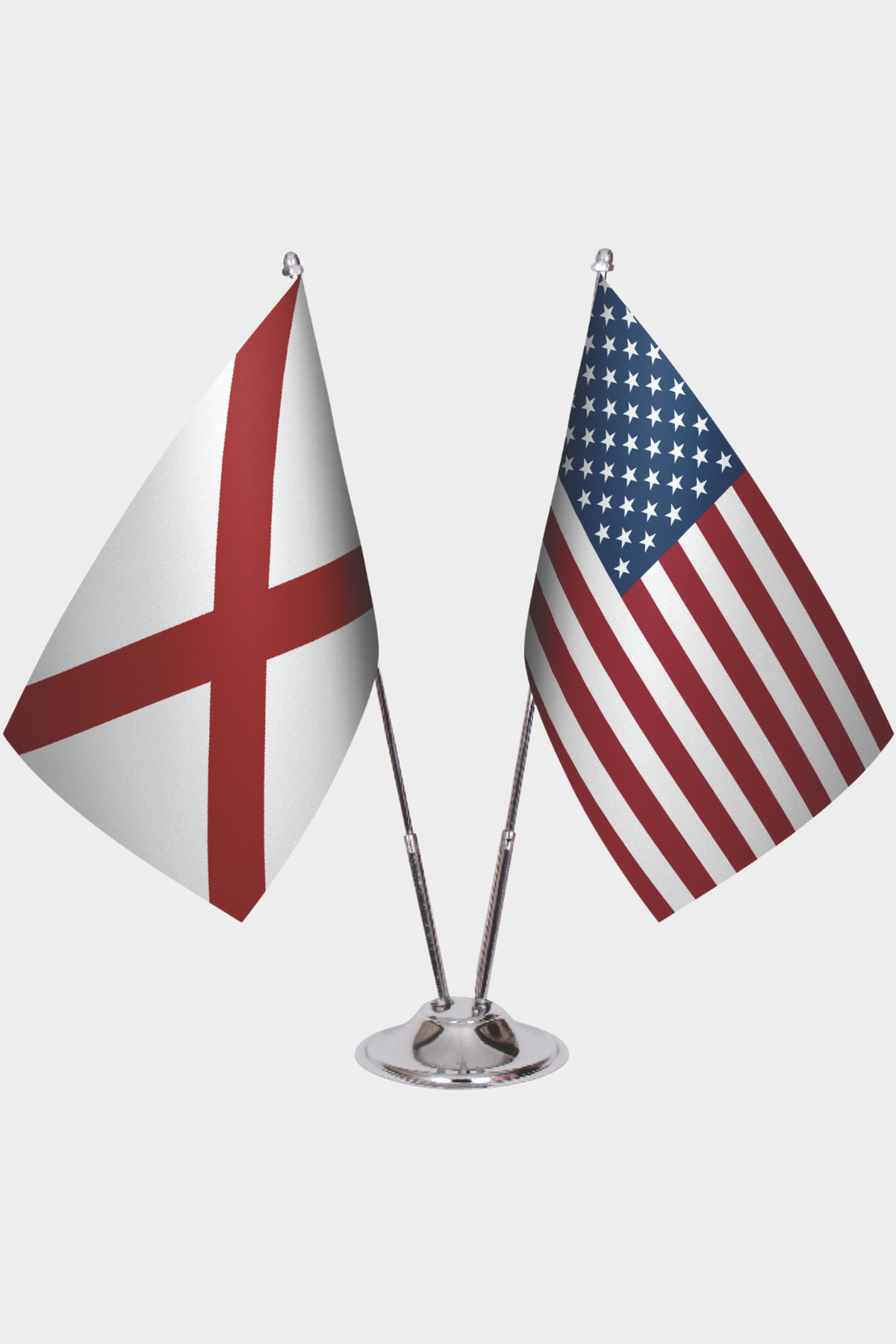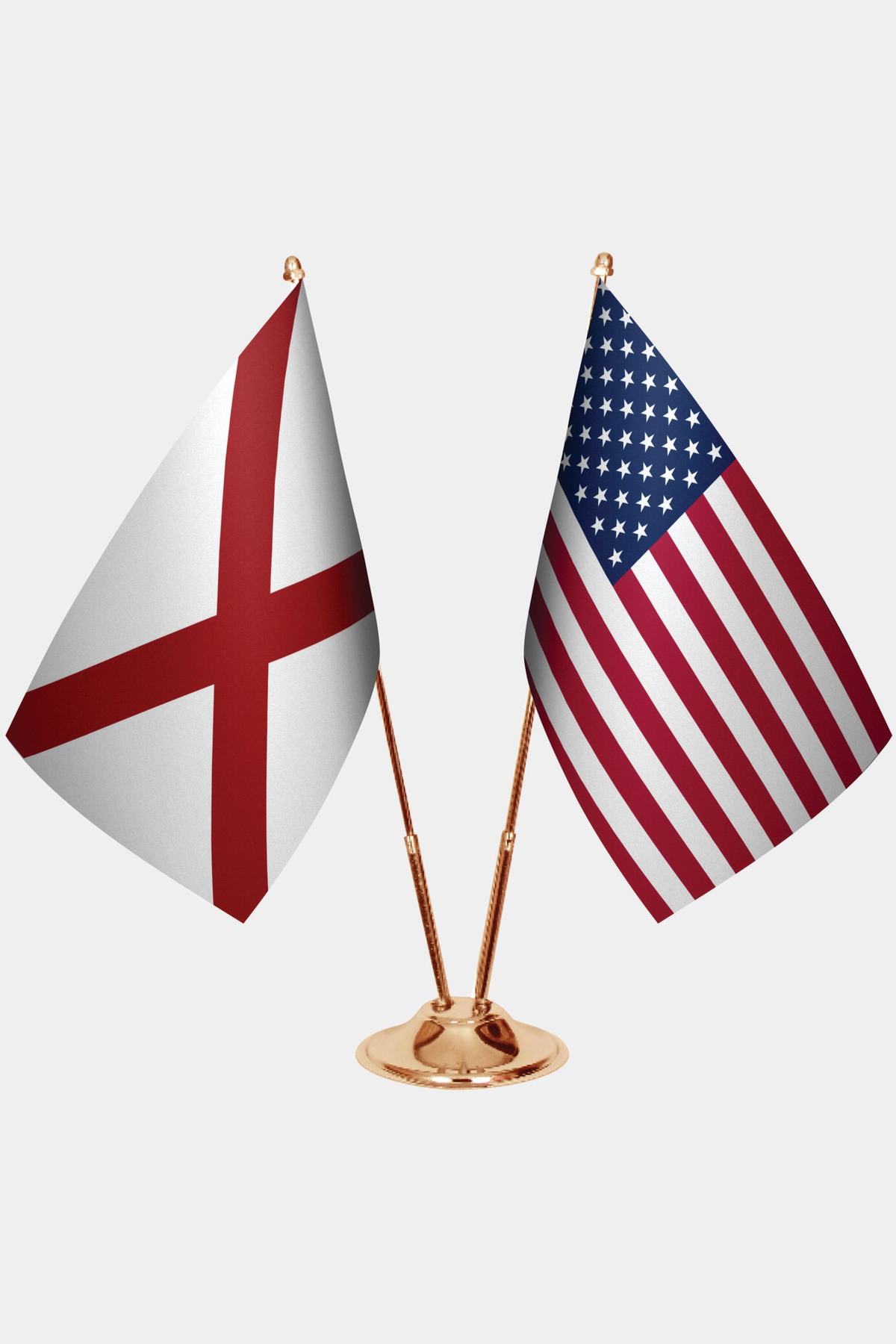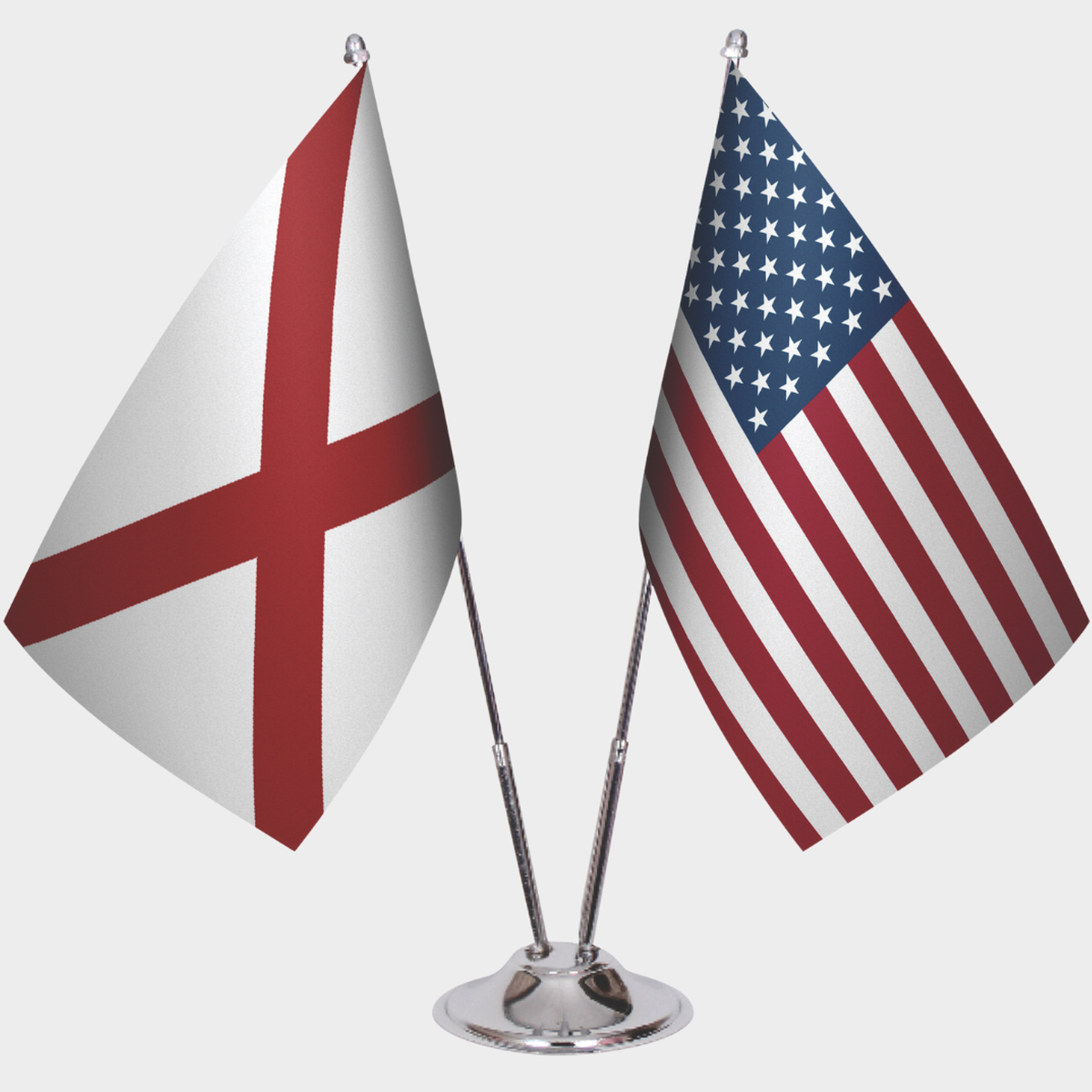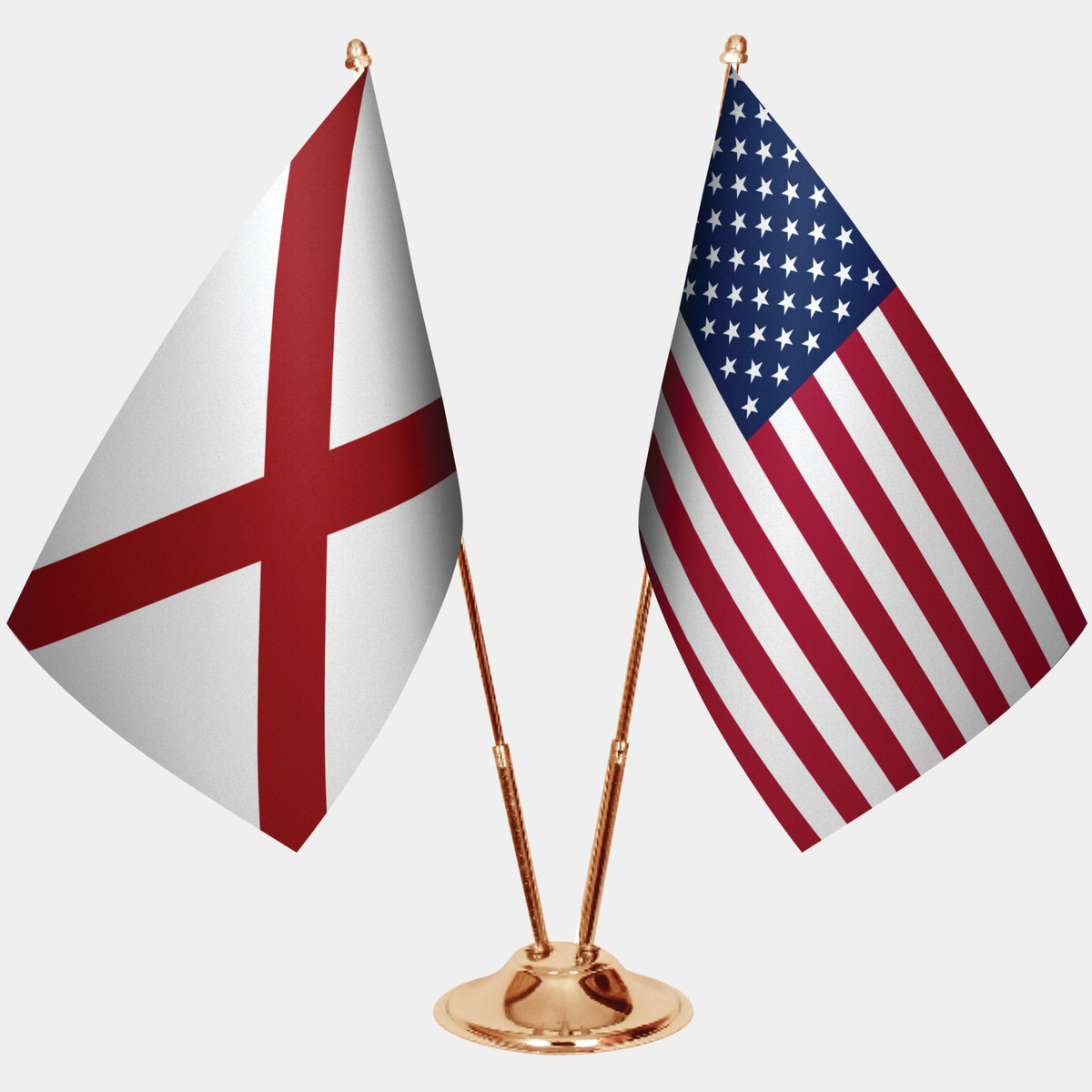










Car flag rules in the United States are governed by a combination of federal flag code guidelines, state vehicle codes, and local ordinances — there is no single national law that covers every scenario, but most states share consistent standards around visibility obstruction, flag rod height, and secure attachment. Whether you're flying the Stars and Stripes on game day, displaying a heritage flag on a parade route, or wondering what Indy Car's red flag protocol means for motorsport events, the rules differ significantly by context. If you're shopping for a legally compliant option, the Flags collection at Asya Bayrak includes car flags, window mounts, and hood covers built to meet typical size and safety standards across U.S. states.
What the US Flag Code Actually Says About Flags on Vehicles
The U.S. Flag Code (4 U.S.C. §§ 1–10) does not explicitly prohibit flying a flag on a private vehicle, but it does establish respect and display standards that apply in any context, including cars. Section 7(i) specifies that when a flag is displayed on a vehicle, it should be affixed to the chassis or clamped to the right fender — not draped over the hood, trunk, or sides of the vehicle in a way that allows it to be soiled or damaged. The Flag Code is a federal statute, but it carries no criminal penalties for civilian violations; it functions more as a standard of conduct than an enforceable law for private citizens. That said, state and municipal vehicle codes do carry penalties, and they frequently reference obstruction of view, insecure loads, and hazardous protrusions — all of which can apply to a poorly mounted car flag.
It's worth noting that the Flag Code was written primarily with ceremonial and stationary display in mind. When flags are mounted on moving vehicles — especially at highway speeds — the practical concerns shift from symbolism to road safety. Wind drag at 65 mph (105 km/h) can cause a lightweight polyester flag to flap violently, obscuring rear or side windows and potentially dislodging if the mount is inadequate. Most state DMV guidance treats vehicle-mounted flags under the broader "no obstruction of driver view" and "no unsecured load" statutes rather than creating flag-specific rules.
How State Vehicle Codes Regulate Car Flags and Flag Rods
 State vehicle codes are where car flag rod rules become legally binding, and the details vary more than most drivers expect. The most commonly cited rule across states is that any flag rod or pole mounted on the exterior of a vehicle must not protrude in a way that creates a hazard to pedestrians, cyclists, or other vehicles. In practice, most states limit flag rod protrusion to 3 in (7.6 cm) beyond the widest point of the vehicle on either side, with some states like California (CVC §35110) setting explicit limits on lateral protrusions. Height is another variable: flag rods that extend more than 4 ft (1.2 m) above the roofline can trigger "overheight load" concerns in states with strict commercial vehicle codes, even for passenger cars. The 2-Pack USA Car Window Flags use a window-clip mount design that keeps the rod within the door frame profile, which typically satisfies most state protrusion limits without modification. If you're uncertain about your specific state's rules, your state DMV website or a quick call to local law enforcement will give you the clearest guidance before you mount anything.
Window-mounted flag rods are the most common configuration for passenger vehicles, and they are generally the least legally problematic because they stay within the vehicle's existing footprint. Roof-mounted or hood-mounted configurations attract more scrutiny because they alter the vehicle's profile in ways that can affect aerodynamics, visibility from adjacent lanes, and pedestrian safety in parking areas. If you need guidance on the physical mounting process, our sibling article on how to mount a flag on a car window covers step-by-step installation and the most common mounting mistakes to avoid.
What Is Prohibited: Visibility, Obstruction, and Distraction Rules
The most universally enforced restriction on car flags is the prohibition on obstructing the driver's field of vision — any flag that blocks the windshield, rear window, or side mirrors can result in a moving violation in all 50 states. Beyond obstruction, there are three other common prohibited configurations: flags mounted in a way that they can detach at speed (loose flag laws, similar to unsecured load statutes); flags or rods that extend into oncoming traffic lanes; and flags that display content illegal under state obscenity or hate speech codes. Most of these rules are enforced under general vehicle safety statutes rather than flag-specific ordinances, which means a police officer has discretion in how they apply them.
 Hood covers present a special case under the Flag Code and state codes alike. The U.S. Flag Code (4 U.S.C. §8(b)) specifically states that the flag should never be used as a covering for a ceiling or as a drape — a standard sometimes extended to hood covers in ceremonial interpretations — though enforcement at the civilian vehicle level is essentially nonexistent. For non-U.S. flags, like heritage or cultural designs, hood covers are generally treated as decorative vehicle wraps and regulated under the same visual obstruction and secure-attachment rules that apply to any exterior accessory. The United States Flag Car Hood Cover is designed with fully elasticated edges to stay securely positioned while parked or moving at low event speeds — a design consideration that directly addresses the "unsecured load" concern many states enforce. Keep in mind that hood covers are best suited for parades, rallies, and low-speed event settings rather than highway driving, which helps keep them compliant with state visibility and security rules across the board.
Half-Staff Rules and How They Apply to Vehicle Flags
Presidential and gubernatorial half-staff proclamations do not technically mandate that vehicle flags be lowered, but established flag etiquette under 4 U.S.C. §7(m) strongly encourages it. During half-staff periods — typically ordered following the death of a government official, a national tragedy, or on days like Pearl Harbor Remembrance Day (December 7) — the standard practice is to fly no flag from a vehicle at all, or to secure a black mourning streamer if the flag cannot be physically lowered on its mount. This practice is especially observed by government and military vehicles, where the flag is mounted on a fixed fender staff with a finial. For civilian window-mounted flags, the simplest compliant action during a half-staff order is to remove the flag for the duration of the proclamation, then reinstall it afterward.
Ceremonial vehicle use — such as presidential motorcades, state funeral processions, and diplomatic convoys — follows strict protocols under 4 U.S.C. §§ 3–5 and is managed by the relevant federal or state authority. Private citizens participating in a funeral procession may fly the flag normally; there is no requirement to lower window flags in a civilian procession. For more on flag etiquette in ceremonial contexts, our article on American flag etiquette rules at home covers the broader protocol framework that informs vehicle flag practice as well.
What Indy Car Red Flag Rules Mean and How They Differ from Road Vehicle Rules
In IndyCar and other motorsport series, the red flag rule is a racing protocol — entirely separate from any civilian vehicle flag law — that stops an active race session due to a dangerous track condition, a serious accident, or weather that makes racing unsafe. When the red flag is shown by race officials standing trackside, all drivers must slow immediately, observe caution, and return to the pit lane or a designated stopping point as directed. The red flag is one of a standardized set of marshalling signals governed by motorsport sanctioning bodies including INDYCAR, FIA (Fédération Internationale de l'Automobile), and NASCAR, and it carries no legal crossover to civilian road use. If a driver fails to respond correctly to a red flag during a race, they face race penalties, disqualification, or fines — consequences managed entirely within the sport's rulebook, not by traffic law.
The color-coding system used in motorsport (green = go, yellow = caution, red = stop, blue = move over, black = report to pit) is a completely independent signaling standard from the flag display rules that govern passenger vehicles on public roads. Mentioning this distinction matters because searches for "car flag rules" frequently mix the two contexts, and the answer to each is completely different. If you're researching how to display flags correctly at motorsport fan events or in a car parade, the practical question is always about your vehicle's flag mount compliance — not racing protocol.
A Practical Compliance Checklist for Drivers and Event Organizers
Following a structured checklist is the most reliable way to ensure your car flag display is both legally compliant and safe before you leave the driveway. These seven checkpoints cover the most commonly enforced standards across U.S. states:
- Flag size: Use a flag no larger than 12 in × 18 in (30 cm × 46 cm) for window mounts, or up to 24 in × 36 in (61 cm × 91 cm) for fender staffs on larger vehicles. For more on sizing ratios, see our sibling article on car flag sizes and mount types.
- Rod protrusion: Confirm the rod does not extend more than 3 in (7.6 cm) beyond the vehicle's widest point on either side.
- Secure attachment: Test the mount at low speed before highway driving — if the flag flaps against the window or the rod shifts, it will not survive 55+ mph (88+ km/h).
- Driver visibility: Sit in the driver's seat and confirm all mirrors, the rear window, and the windshield remain fully unobstructed.
- Flag condition: A torn or frayed flag can shed debris on the road; replace it promptly. Fraying is especially common with polyester flags in high-wind conditions — our article on how to keep a feather flag from fraying includes material tips applicable to car flags as well.
- Local ordinances: Check for any city or county-specific rules if you're driving in a parade, rally, or ticketed event — some municipalities issue temporary waivers, others add specific requirements.
- Half-staff periods: During active presidential or gubernatorial half-staff proclamations, remove or store the flag in accordance with Flag Code etiquette.

Flags Collection
Browse car flags, window mounts, hood covers, and more — all built to typical U.S. size and safety standards for compliant vehicle display.
Browse Collection →How long can my car flag rod be before it becomes illegal? +
Can I get a ticket for flying a flag on my car? +
What does the red flag mean in IndyCar racing, and does it apply on public roads? +
Is it legal to drive on the highway with a car flag at full speed? +
What material holds up best for a car flag used frequently? +
Do I need to remove my car flag during a half-staff order? +
Are there rules about which side of the car a flag should go on? +
Understanding car flag rules is the foundation for displaying your flag with both confidence and compliance — from checking flag rod protrusion limits under your state's vehicle code to respecting half-staff protocols and choosing the right mount for highway speeds. For ready-to-mount options that meet typical U.S. state standards, explore the 2-Pack USA Car Window Flags for everyday patriotic display, or the United States Flag Car Hood Cover for event and parade use. The full range of compliant vehicle flags is available in the Asya Bayrak Flags collection. Bulk pricing is available for corporate fleet orders, event organizers, and dealerships requiring multiple units.