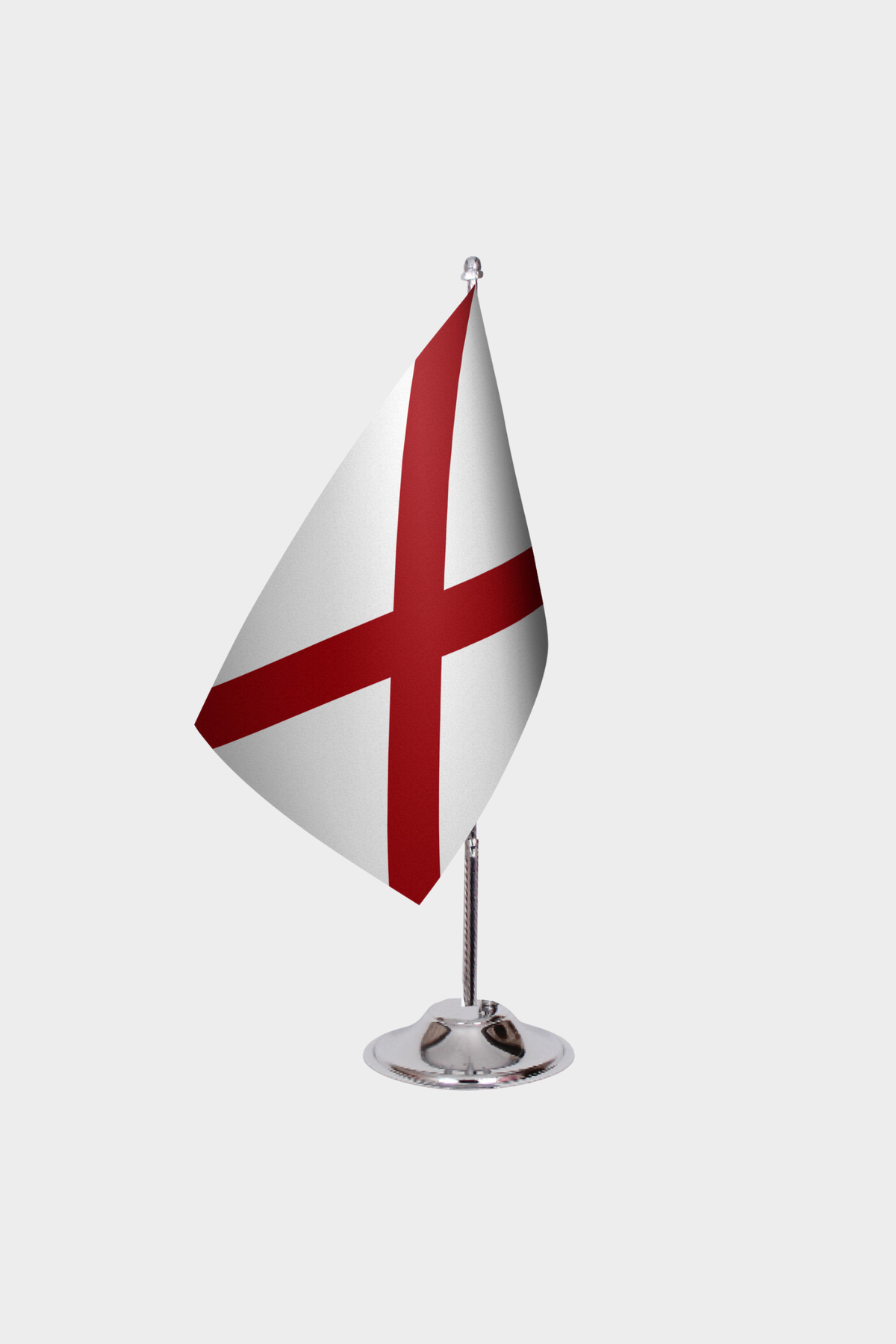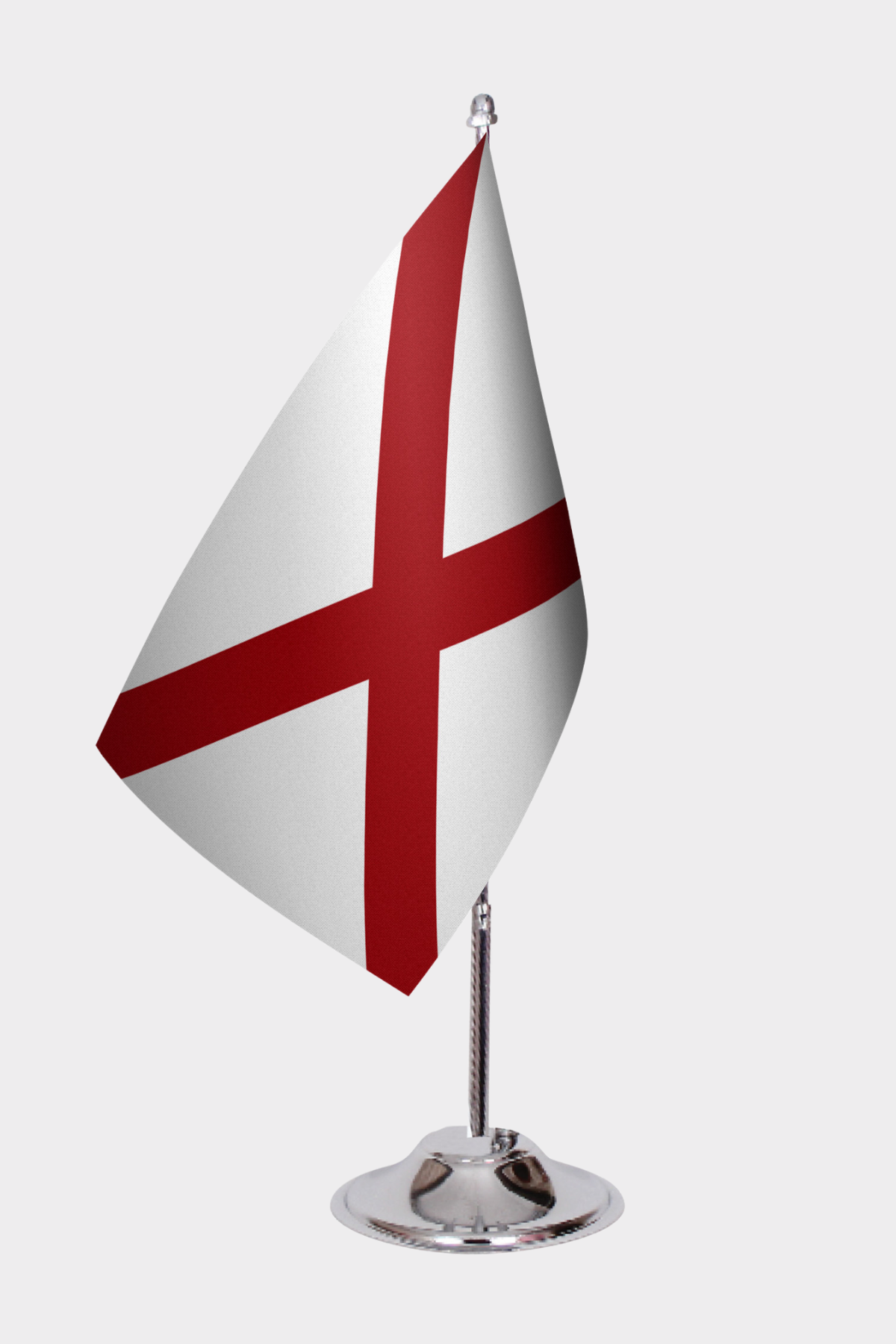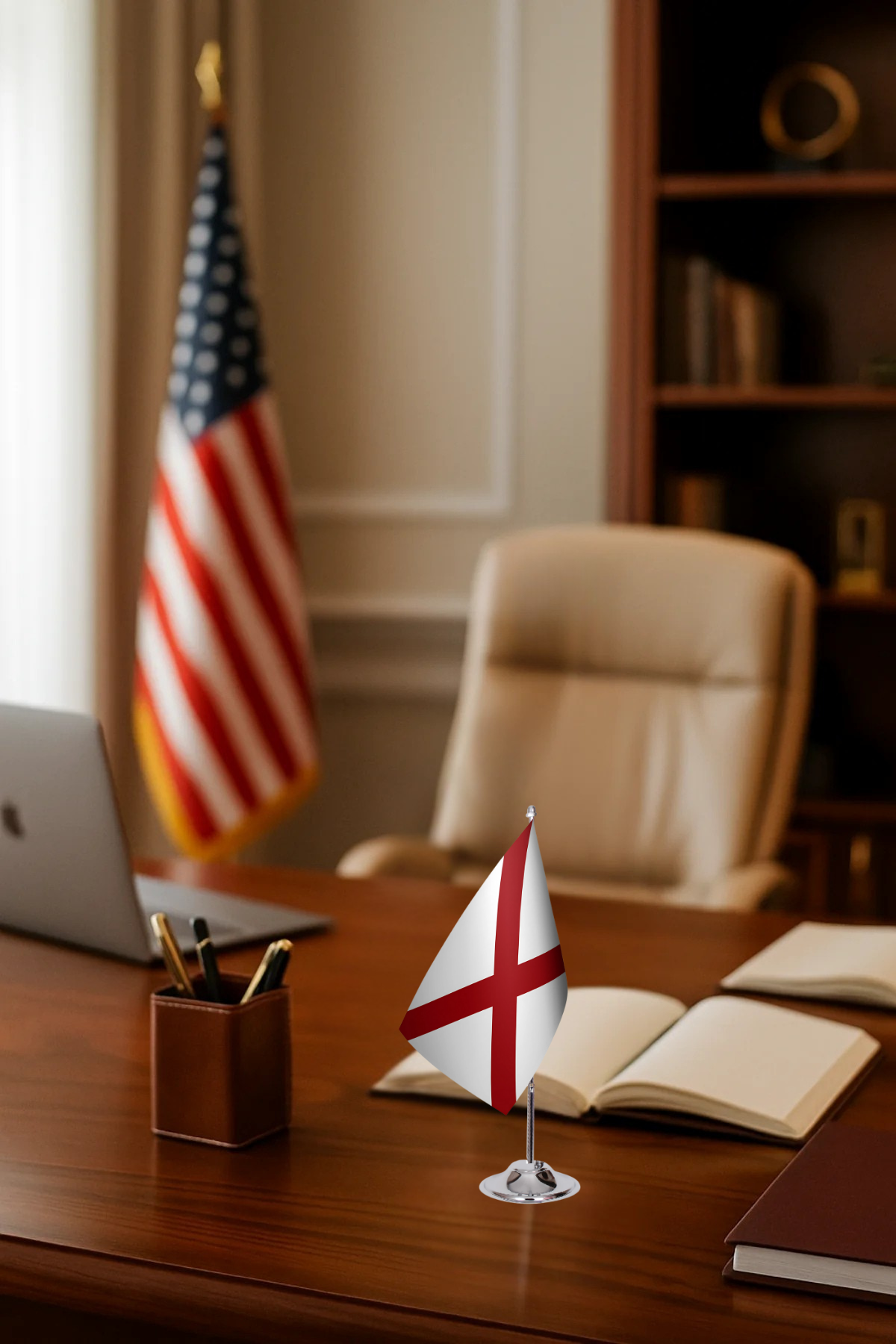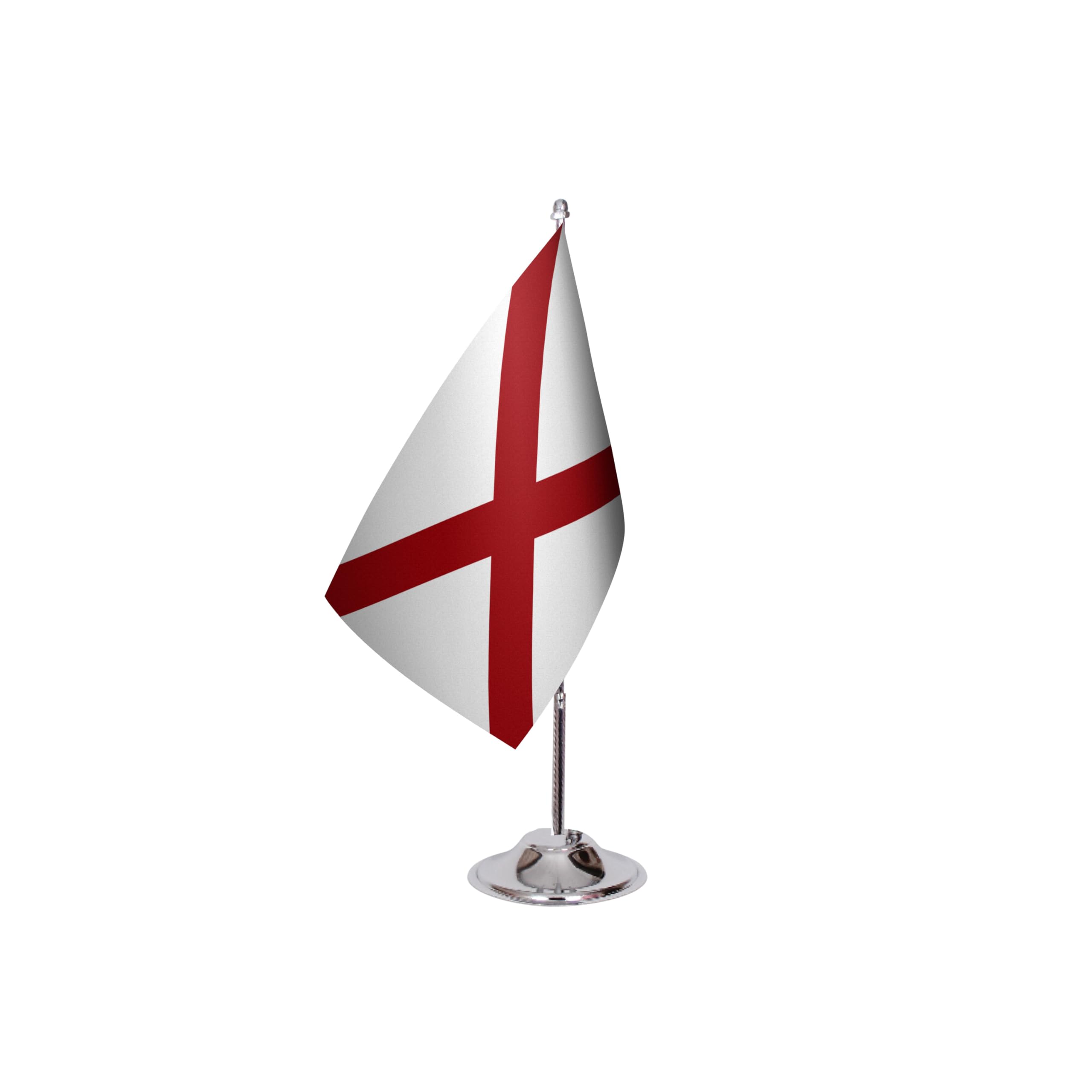

The price of a Peruvian flag depends on four variables — fabric type, flag size, printing method, and order quantity — and understanding each one helps you buy the right flag the first time. Whether you need a single desk display or a bulk shipment of outdoor flags, you'll find the full range of options in the Country Flags collection, where every Peru flag is manufactured to accurate color and proportion specifications.
What Actually Drives the Price of a Peru Flag
Four factors account for nearly all the price variation you'll see when shopping for a Peruvian flag: the fabric it's made from, the size you order, the printing process used, and how many units you're buying. These four levers interact — a large flag in a premium fabric ordered as a single unit will sit at a very different price point than the same size ordered in volume on standard polyester. Understanding each factor before you buy prevents the most common mistake: choosing on price alone and then replacing a flag far sooner than expected.
Fabric is usually the biggest single driver of cost because different materials require different production processes and carry very different durability profiles. Size affects both raw material consumption and the printing time required. The printing method — dye-sublimation versus screen printing versus embroidery — changes the per-unit labor and ink cost significantly. Finally, quantity triggers volume pricing tiers that can reduce the per-flag cost substantially for corporate or event buyers. Each factor is explained in its own section below so you can make an informed decision before placing an order.
How Fabric Choice Changes What You Pay — and How Long Your Flag Lasts
 The fabric you choose is the single most consequential decision you'll make when buying a Peru flag, because it sets both the price ceiling and the durability floor. Standard polyester is the most affordable entry point — it holds color well indoors and in sheltered outdoor spaces, but tends to fade and fray faster than more specialized materials when exposed to sustained UV radiation and wind. Nylon is the classic outdoor flag material: it's lighter than polyester, dries quickly after rain, and flies in low wind conditions, which reduces mechanical stress on the fabric and stitching. Heavy-duty nylon — used in the Peru Outdoor Flag — includes a tighter weave, reinforced header canvas, and brass grommets that resist corrosion, making it the preferred choice for flagpoles exposed to coastal salt air or strong inland winds. Woven polyester and finished display fabrics are used in ceremonial and indoor flag applications, where appearance and drape matter more than wind resistance; these materials often carry a slightly higher per-unit cost because of the more controlled production process they require.
Lifespan differs markedly between fabric grades. A standard polyester flag in a high-wind location may need replacement in as little as 3–4 months. A quality nylon flag in the same location will typically last 6 months to over a year, sometimes reaching 2 years in moderate climates. The higher upfront cost of premium fabric nearly always results in a lower cost-per-day of display — a point we return to in the section on total cost of ownership. For buyers researching similar trade-offs on other South American flags, our article on Dominican Republic flag prices and sizes covers the same material comparison in useful detail.
Does Flag Size Make as Big a Difference to Price as People Think?
Yes — size has a direct, near-linear effect on price because larger flags use more fabric, more ink, and more production time. A 4 × 6 in (10 × 15 cm) desk flag and a 3 × 5 ft (90 × 150 cm) outdoor flag can differ in price by a factor of five or more, purely because of raw material and print area. Standard flag sizes for Peru — as for most national flags — follow internationally recognized ratios, and each step up in size adds proportionally to cost.
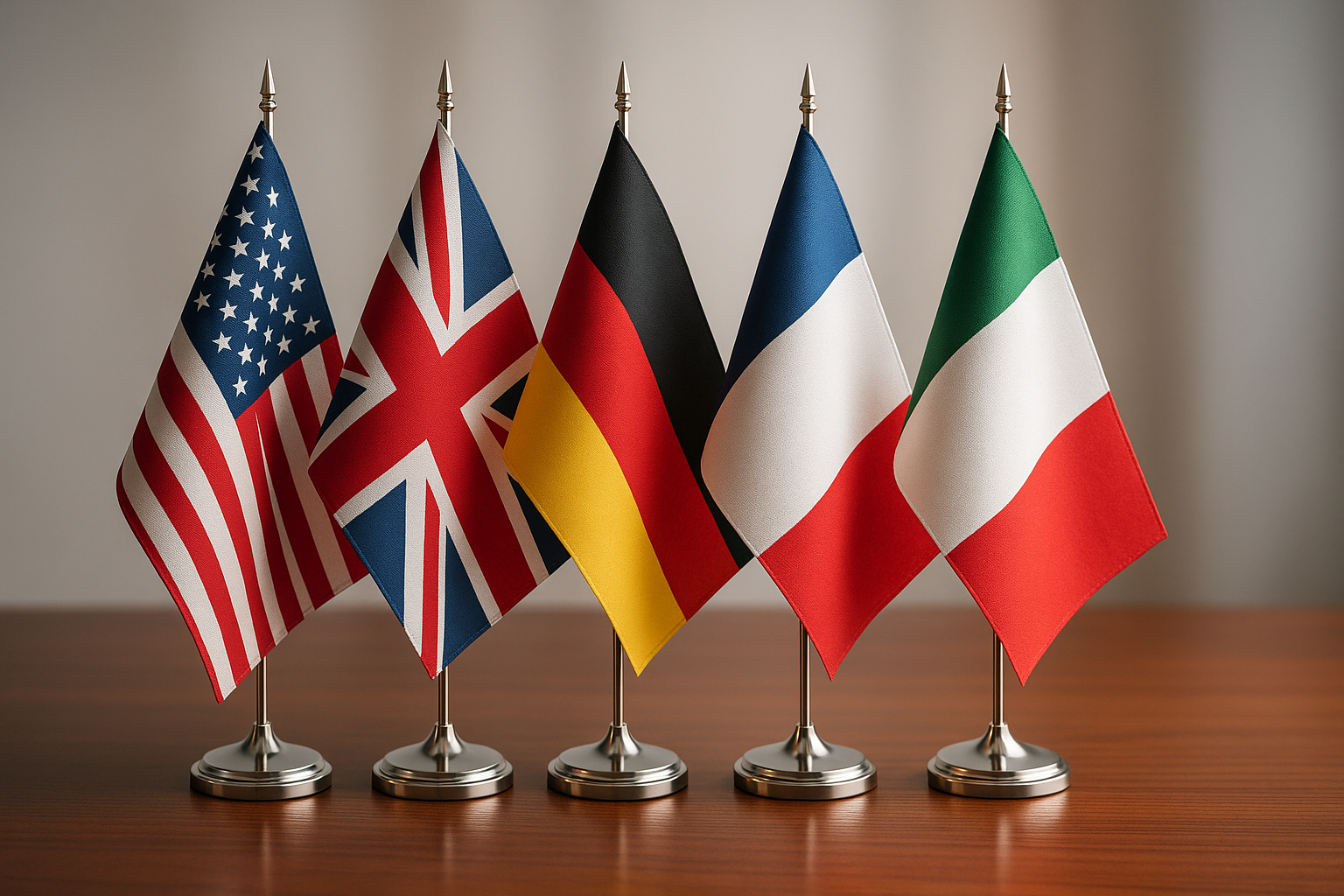
Common sizes and their typical applications break down like this. Desk flags at 4 × 6 in (10 × 15 cm) are used for tabletop displays, conference tables, and office environments — the Peru Desk Flags are the right product for this use case. The 3 × 5 ft (90 × 150 cm) size is the most popular outdoor pole flag for residential and commercial display. Larger formats — 4 × 6 ft (120 × 180 cm) or 5 × 8 ft (150 × 240 cm) — are standard for government buildings, stadiums, and corporate campuses. Each size increase also typically requires heavier-duty hardware: a larger flag generates more wind load and needs a stronger pole mount. When comparing sizes, factor in not just the flag price but also the mounting hardware and, for outdoor applications, how the flag's weight and surface area interact with your flagpole rating.
Peru Flag Price List by Size and Fabric
The table below covers the main size and fabric combinations available for the Peruvian flag. Prices reflect current manufacturing costs and are updated regularly; because exchange rates and material costs shift, the live prices shown on each product page are always authoritative.
Current Price List
| Product | Size | Price | |
|---|---|---|---|
| Peru Outdoor Flag | 50x75 cm | $11.95 | Check the live price → |
| 60x90 cm | $12.95 | Check the live price → | |
| 70x105 cm | $13.95 | Check the live price → | |
| 80x120 cm | $15.95 | Check the live price → | |
| 100x150 cm | $16.95 | Check the live price → | |
| Peru Official Indoor Flag | 7 ft (220cm) | $96.45 | Check the live price → |
| 8 ft (240cm) | $99.45 | Check the live price → | |
| Peru Desk Flags | Silver | $12.25 | Check the live price → |
| Gold | $15.95 | Check the live price → |
Prices as of September 20, 2026. All sizes and materials
For reference on how a comparable country flag is priced across sizes, the Philippines flag prices by size article uses the same format and provides useful context for understanding what drives each tier.
How Bulk and Corporate Orders Bring the Per-Flag Cost Down
 Ordering multiple units of the same flag triggers volume pricing tiers that can meaningfully reduce the per-unit cost, sometimes by 20–40% at higher quantities. This is because setup costs — color profiling, print calibration, hardware tooling — are spread across more units, and material purchasing at volume lowers the raw cost per yard of fabric. For event organizers, embassies, schools, or corporations marking Peru Independence Day (July 28) or running a sustained display program, the economics of bulk ordering are compelling. The Peru Official Indoor Flag, for example, is frequently ordered in sets for conference rooms, reception areas, and ceremonial halls, where consistent appearance across multiple flags matters as much as the per-unit price. Corporate and institutional buyers should contact us directly for a bulk quote, as pricing at scale is structured around your specific quantity, delivery timeline, and any customization requirements. Seasonal demand — particularly ahead of Peruvian national holidays and Latin American heritage events in the US — can affect lead times, so planning bulk orders at least 3–4 weeks in advance is advisable.

America Countries Flags Collection
Every national flag from North, Central, and South America — including Peru — available in outdoor, indoor, and desk sizes, all manufactured to accurate color and proportion standards.
Browse Collection →Why Buying the Cheapest Peru Flag Often Costs More in the Long Run
A low-price flag that fades or frays in 90 days costs more per day of display than a well-made flag that lasts 18 months. This is the core argument for evaluating flags on total cost of ownership rather than sticker price. The math is straightforward: divide the purchase price by the expected number of days the flag will look presentable, and compare that daily cost across quality tiers. In nearly every case, a flag made from 100% nylon with UV-resistant dye-sublimation printing has a lower daily cost than a lightweight polyester flag bought at the lowest available price — even though the upfront purchase price is higher.
There are also non-financial costs to a flag that degrades quickly. A tattered or severely faded flag representing Peru in a professional or civic setting reflects poorly on the displayer. Under US Flag Code guidance (4 USC §§ 1–10), which many organizations apply to foreign flags by analogy, a flag that is no longer in a condition to be displayed should be retired. Replacing flags frequently also adds shipping and procurement time. For buyers who want the Peruvian flag to remain sharp and representational for a full season or longer, investing in the correct fabric grade from the outset is the more cost-effective choice. Readers who've worked through a similar decision for other national flags may also find our comparison in the Ukraine flag prices for outdoor display article useful, as it addresses the same durability-vs-cost trade-off in a different national flag context.
Where can I find a Peruvian flag for sale in the correct official colors? +
What is the most popular size for an outdoor Peru flag in the US? +
What is the difference between a standard Peru flag and the official state flag with the coat of arms? +
How long should a Peru outdoor flag last before it needs replacing? +
Are Peru desk flags appropriate for professional office settings? +
Can I order a Peru flag in a custom size for a large event or building facade? +
Is nylon or polyester better for flying a Peruvian flag outdoors in the US? +
If you're ready to choose the right Peru flag for your application, start with the specific product that matches your display environment: the Peru Outdoor Flag for pole display, the Peru Official Indoor Flag for ceremonial or institutional settings, or the Peru Desk Flags for tabletop and office use. If you need flags for multiple countries alongside Peru, the full America Countries Flags collection covers every nation in the Western Hemisphere with the same manufacturing standards. Bulk pricing is available for corporate, government, and event orders — contact us directly with your quantity and delivery requirements for a tailored quote.