
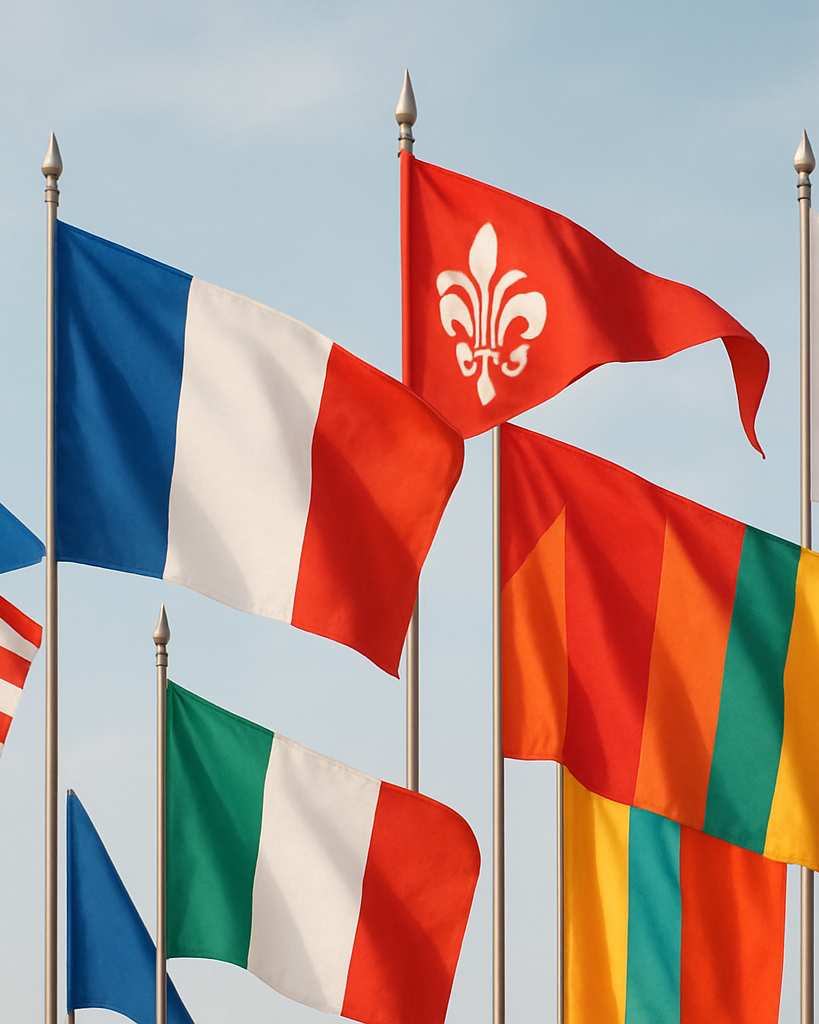


The flag of the Ivory Coast — three equal vertical stripes of orange, white, and green — is deceptively simple, but keeping those colors crisp and fade-free requires deliberate care. Whether you display the African Countries Flags collection piece outdoors on a pole or indoors at a ceremony, proper washing, storage, and rotation habits can extend the flag's usable life from a few months to two or more years. This guide walks you through every step: cleaning methods safe for printed nylon and polyester, storage techniques that prevent color transfer, the environmental factors that shorten lifespan fastest, and the dignified retirement protocol the flag deserves when it finally wears out.
Can You Wash an Ivory Coast Flag — and How Should You Do It?
Yes, you can wash the flag of the Ivory Coast, and hand-washing in cold water with a mild, pH-neutral detergent is the safest method for both nylon and polyester fabrics. Machine washing is acceptable only on a gentle, cold-water cycle with no spin; hot water and agitation are the two fastest ways to distort the dye and shrink the header.
Before washing, inspect the flag for loose stitching around the canvas header, grommets, and fly hem. If any thread is unraveling, make a quick repair first — water that enters a loose seam accelerates fraying. Fill a clean basin or bathtub with cool water (below 85 °F / 30 °C) and add one teaspoon of gentle liquid soap per gallon of water. Submerge the flag, gently agitate it with your hands for two to three minutes, then let it soak for no more than ten minutes. Do not wring or twist the fabric; instead, lift it flat and press water out against the side of the basin. Rinse twice in fresh cool water until no soap residue remains — soap left in the weave attracts airborne grime and can cause the white center stripe to yellow over time. For stubborn bird-dropping or mildew stains, apply a small amount of oxygen-based spot cleaner directly to the area and wait five minutes before rinsing; avoid chlorine bleach, which will destroy the orange and green dye within seconds.
 After rinsing, lay the flag flat on a clean, dry towel and roll the towel around the flag to blot excess moisture — never hang a soaking-wet flag on a line in direct sunlight, because the intense UV combined with water molecules acts like a lens and accelerates dye breakdown. Instead, hang it in a shaded, well-ventilated area or drape it over a drying rack indoors. Allow the flag to air-dry completely before folding or storing, which typically takes two to four hours depending on fabric weight and humidity. The Ivory Coast Outdoor Flag features a double-stitched fly end and reinforced grommets that hold up well to this gentle wash routine when followed consistently every four to six weeks under normal outdoor conditions.
For machine washing, place the flag in a mesh laundry bag to protect the grommets from banging against the drum. Use the delicate cycle, cold water, and skip the spin entirely — pause the cycle before it begins and manually remove the flag while still wet. Never use a clothes dryer; even a low-heat setting can melt or deform polyester fibers and cause the color panels to bleed into one another.
Correct Storage to Preserve Color Between Displays
Store the Ivory Coast flag loosely rolled — never tightly folded — in a breathable cotton or muslin bag, away from heat sources, direct light, and humidity above 60%. Tight folds create permanent crease lines that weaken fabric fibers over repeated stress cycles and can crack heat-transfer prints.
Before storing, make absolutely sure the flag is bone dry. Even trace moisture trapped inside a storage bag creates the ideal environment for mildew, which produces black or gray spots that are nearly impossible to remove from white fabric without bleach — and bleach will destroy your orange and green stripes. Place a small silica-gel desiccant packet inside the bag to absorb any residual atmospheric moisture. Store the bag in a cool, dark location: a closet shelf, a drawer, or a dedicated flag storage box kept at room temperature (60–75 °F / 15–24 °C). Avoid storing flags in attics, garages, or car trunks, where temperatures routinely spike above 110 °F (43 °C) in summer and dip below freezing in winter — both extremes degrade synthetic fibers and adhesive backing on printed designs. If you rotate multiple flags throughout the year, label each bag with the flag name and the date it was last flown so you can track wear evenly.
What Shortens the Life of an Ivory Coast Africa Flag Fastest
UV radiation, sustained high winds, and airborne pollution are the three primary life-shorteners — and in most outdoor environments, all three act simultaneously. Understanding each factor helps you make smarter display decisions that add months of usable life to the flag.
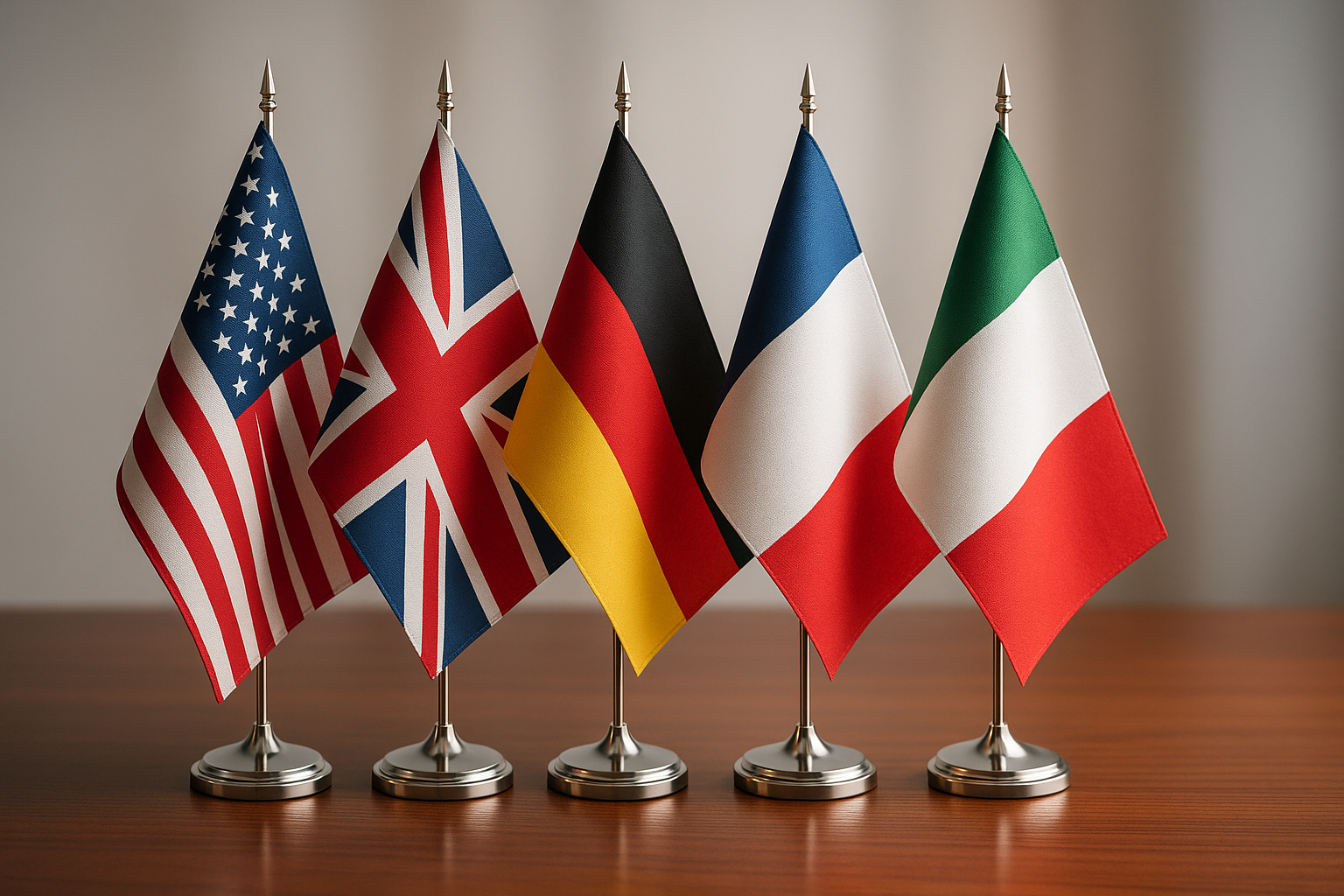
 UV radiation is the single biggest color killer for any outdoor flag. Even high-quality polyester with UV-resistant dye will fade measurably after 800–1,000 hours of cumulative sun exposure — roughly six months of year-round outdoor flying in a sun-belt region. The white center stripe of the national flag of Ivory Coast is particularly vulnerable: it doesn't fade as noticeably as colored panels, but it yellows, and once yellowed it makes the whole flag look aged and disrespected. One practical mitigation is to bring the flag indoors or under cover during peak UV hours (10 a.m. to 2 p.m.) when you are not hosting a specific event. The Ivory Coast Handheld Flag is an excellent alternative for indoor ceremonies, parades, and desk displays where UV exposure is minimal and the flag can look pristine for years.
High winds cause "fraying fatigue." Every time a flag snaps in wind gusts above 25 mph (40 km/h), the fly end — the edge farthest from the pole — flexes thousands of times per hour. Polyester is more wind-resistant than nylon and better suited for coastal or high-wind locations, but no fabric is immune. Consider bringing any flag indoors when sustained winds exceed 30 mph (48 km/h) or during storms. Using a tangle-free swivel snap on your flagpole hardware also reduces torsional stress on the header and grommets.
Airborne pollution in urban areas deposits sulfur dioxide, nitrogen oxides, and fine particulate matter onto fabric. These compounds are mildly acidic and slowly degrade synthetic fibers on a molecular level — you cannot see the damage immediately, but the fabric becomes brittle and the dye loses adhesion. Washing the flag every four to six weeks removes this chemical build-up before it can penetrate deep into the weave. Saltwater spray in coastal environments has a similar corrosive effect; flags displayed within one mile (1.6 km) of the ocean should be washed every two to three weeks and inspected for grommet rust.
How to Know When It Is Time to Replace Your Flag
Replace the flag of the Ivory Coast when any of the following are true: the fly end has frayed more than 1 inch (2.5 cm) inward, any color panel has faded so significantly that the original hue is unrecognizable, tears exceed 1 inch (2.5 cm) in length, or the canvas header is cracked and no longer holds the grommets securely. These are not cosmetic concerns — a visibly degraded flag reflects poorly on the institution or household displaying it.
In practice, outdoor flags displayed continuously in moderate climates last approximately six to twelve months before requiring replacement; flags brought indoors nightly or during storms can last eighteen to twenty-four months. Seasonal or event-only flags — brought out for Independence Day (August 7 in Côte d'Ivoire), diplomatic functions, or cultural celebrations — can remain presentable for three to five years with proper storage. Perform a monthly visual inspection: lay the flag flat in good light and check the fly end, all four corners, the grommets, and both faces of the fabric. If you notice significant color asymmetry between the hoist side and fly side (the fly always fades first), you likely have three to four weeks of presentable display time remaining. If you are comparing look-alike tricolor designs and want to avoid common misidentification errors, the article on look-alike country flags and their differences is a useful reference for confirming the exact stripe order of the Ivory Coast flag (orange–white–green, hoist to fly).

African Countries Flags
Our full African Countries Flags collection includes outdoor, handheld, and desk-size options for every nation on the continent — all made with UV-resistant dye and reinforced headers.
Browse Collection →How to Properly Retire a Worn Ivory Coast Flag
A worn or damaged national flag of Ivory Coast should be retired with dignity — ideally through a respectful disposal ceremony rather than discarding it in household trash. While the US Flag Code (4 USC §§ 1-10) specifically governs the American flag, its underlying principle — that a national flag deserves a dignified end — is widely observed in diplomatic and cultural practice for all national flags.
The most widely accepted method for retiring a synthetic flag (nylon or polyester) is cremation in a controlled, safe fire — a fireplace, outdoor fire pit, or designated community burning event. Because synthetic fabrics release chemical fumes when burned, do so outdoors with good ventilation, never in an enclosed space. Hold a brief moment of reflection or silence as the flag burns; Ivorian cultural associations and diplomatic missions often hold formal retirement ceremonies on significant national dates. If burning is not practical in your area (many municipalities restrict open burning), contact your local Ivorian consulate or cultural organization — they may accept the flag for group retirement. A third option for heavily degraded flags is to cut the flag into non-recognizable pieces and place them in a sealed bag before disposal; this prevents the worn national symbol from being seen publicly in a state of disrespect. For guidance on similar care procedures for other West African flags, the article on how to clean and store a Congo flag covers parallel fabric care and retirement practices that apply across the region.
Frequently Asked Questions
What are the colors and meaning of the flag of the Ivory Coast? +
Is the Ivory Coast Africa flag the same as the Irish flag? +
How long does an outdoor Ivory Coast flag typically last? +
Can I use bleach to clean the white stripe on the flag of the Ivory Coast? +
What size flag of the Ivory Coast should I buy for a standard flagpole? +
Is nylon or polyester better for an Ivory Coast flag displayed outdoors year-round? +
Where can I display the national flag of Ivory Coast indoors without UV damage? +
Proper care of the flag of the Ivory Coast is straightforward once you establish a routine: wash gently every four to six weeks, dry in the shade, store rolled in a breathable bag, and bring the flag indoors during severe weather. When the time comes to replace a worn flag, browse the Ivory Coast Outdoor Flag for pole-ready sizes with reinforced headers, or choose the Ivory Coast Handheld Flag for parades, desk displays, and indoor ceremonies. If you display flags for multiple African nations, the full Country Flags collection offers consistent quality across hundreds of national flags. Bulk pricing is available for corporate, diplomatic, and institutional orders — contact our team for volume quotes and custom sizing options.


