
The price of a Chile flag depends on four variables — fabric type, flag size, printing method, and order quantity — and understanding each one helps you buy the right flag at the right value. Whether you are searching for a country flags collection for a diplomatic office, a community event, or a rooftop flagpole, this guide breaks down exactly what drives the cost so you can make a confident purchase decision.
What Actually Sets the Price of a Chile Flag
Four factors determine what you will pay for a Chile flag: the fabric it is made from, the size you choose, how the design is printed, and how many units you order. These variables are not independent — they interact. A large outdoor flag in a premium knitted polyester will cost meaningfully more than a small handheld version in the same material, and both will cost less per unit when ordered in bulk. Understanding the interplay of these four levers is the fastest way to match your budget to your actual display need without overpaying for features you do not require or underpaying for durability you genuinely need.
Fabric is the single largest cost driver in any flag. The raw material determines how a flag survives wind, rain, and UV exposure, which in turn determines how often it needs to be replaced — a hidden cost that many buyers miss on first purchase. Printing method is the second major driver: sublimation printing, which fuses dye directly into the fibers, requires specialized equipment and produces colors that resist fading for far longer than surface-applied screen prints. Size adds cost proportionally, though not always linearly — larger flags require more material and more press time, but economies of scale in fabric cutting often make the step up from one standard size to the next less expensive than buyers expect. Finally, quantity is a powerful price lever: the fixed costs of setup, color calibration, and logistics are spread across more units in a bulk order, dropping the per-unit cost significantly.
Why the Fabric You Choose Changes the Price More Than Any Other Factor
 Fabric choice is the most impactful cost variable because it determines both the manufacturing complexity and the service life of the flag. The Chile Outdoor Flag is constructed from 110g Raschel knitted polyester — a fabric engineered specifically for outdoor exposure. Raschel knit has an open weave structure that allows wind to pass through rather than press against the flag face, which dramatically reduces stress on the stitching and extends lifespan to roughly 6 months to 2 years of continuous outdoor use depending on local wind conditions. The knitting process itself adds cost compared to woven fabrics, but the payoff is a flag that holds its shape, resists tearing at the fly end, and retains printed color under intense UV exposure. Because the fabric is heavier at 110g per square meter, it also presents a fuller, more authoritative visual presence on a standard outdoor flagpole — an important consideration for businesses, consulates, and civic institutions.
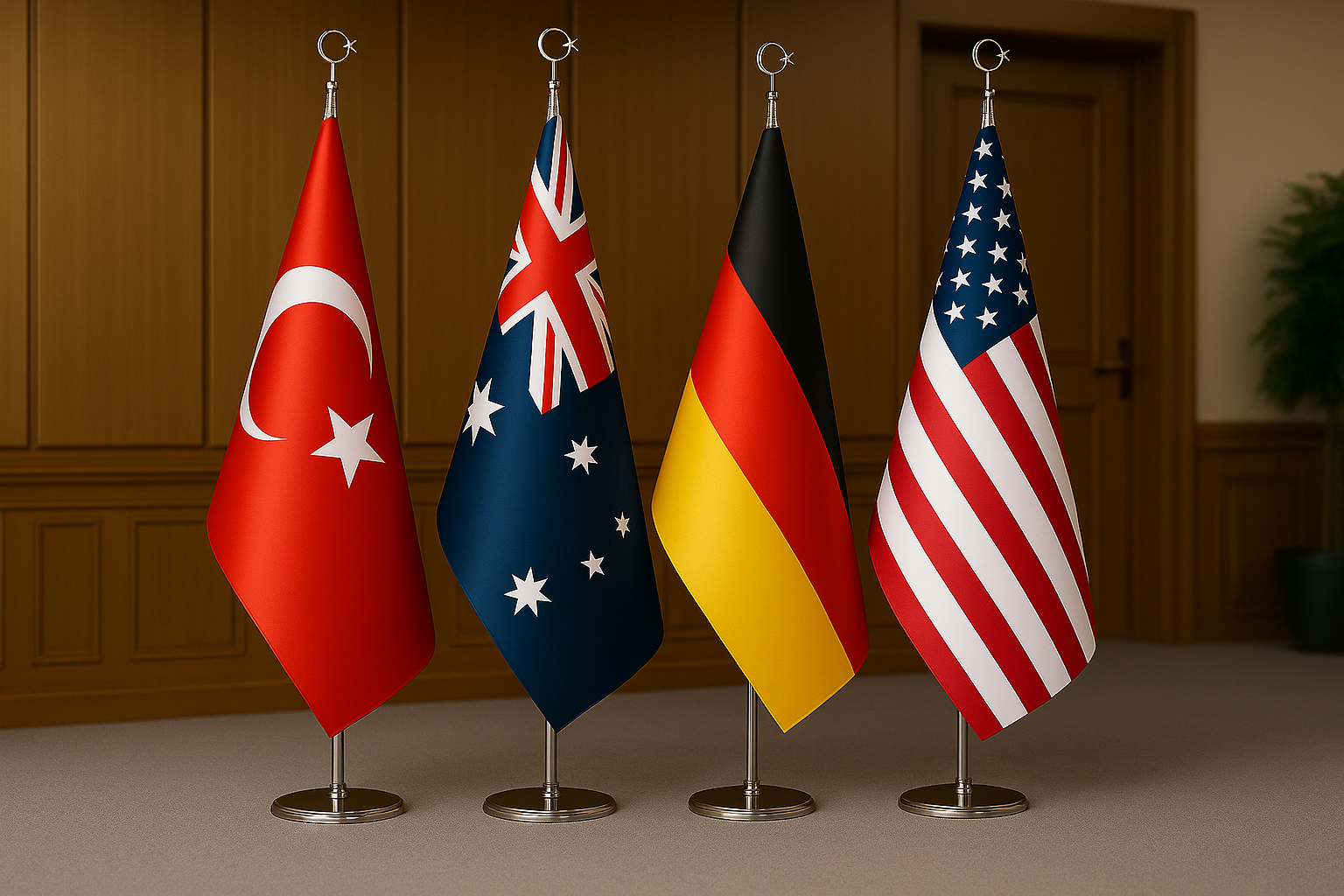
Indoor ceremonial flags occupy a different fabric category entirely. Double-layer satin — used in the Chile Official Indoor Flag — is a woven fabric with a smooth, reflective surface that photographs beautifully under interior lighting and conveys institutional dignity in embassy lobbies, government offices, and boardrooms. Satin is not engineered for wind resistance; it is engineered for visual precision and drape. The double-layer construction means the flag appears opaque and color-accurate from both sides, which matters in ceremonial settings where the flag is viewed from multiple angles. This construction adds cost relative to single-layer options, but it is the correct choice whenever protocol and appearance are the primary requirements. For guidance on flying the Chile flag alongside other national flags in formal settings, the article on how the EU flag is flown next to national flags provides useful multi-flag protocol context.
Handheld flags represent the entry point of the fabric spectrum. The Chile Handheld Flag uses 90g Raschel polyester — slightly lighter than the outdoor version — which keeps the flag responsive and easy to wave while still delivering vibrant color reproduction through sublimation printing. The lower fabric weight and smaller finished dimensions mean the per-unit cost is the most accessible of the three formats, making handheld flags the practical choice for events, parades, and large-group distributions where quantity matters as much as individual quality.
How Flag Size Affects What You Pay
Larger flags cost more, but the relationship is not perfectly linear — understanding the size tiers helps you choose efficiently. Standard flag sizes follow established ratios, and the jump from one tier to the next typically adds cost in both material and production time. A common outdoor size for residential use is 3 ft × 5 ft (approximately 90 × 150 cm), which balances visibility with manageable wind load on residential poles. Larger formats — 4 ft × 6 ft (120 × 180 cm) or 5 ft × 8 ft (150 × 240 cm) — are typical for commercial buildings, car dealerships, and institutional flagpoles, where visibility from a distance justifies the higher per-unit cost. At the other end of the spectrum, desk and tabletop formats (typically 4 in × 6 in / 10 × 15 cm) carry a lower absolute price but a higher cost per square foot of fabric, because the fixed costs of printing setup and finishing are the same regardless of size.
For handheld flags used at sporting events and cultural festivals, the most common format is approximately 6 in × 4 in (15 × 10 cm) on a wooden or plastic stick. These are priced for volume use — the per-unit cost is designed to accommodate bulk event orders of 50, 100, or several hundred units. If you are planning a Chile Independence Day celebration, a soccer watch party, or a cultural community event and need a reference point for different formats and their use cases, the article on Chile flag displays at festivals and community events covers practical setup approaches.
Chile Flag Price List by Size and Fabric
The table below reflects current pricing across formats. Prices vary by size, fabric grade, and quantity tier — use this as your reference before placing an order.
Current Price List
| Product | Size | Price | |
|---|---|---|---|
| Chile Outdoor Flag | 50x75 cm | $11.95 | Check the live price → |
| 60x90 cm | $12.95 | Check the live price → | |
| 70x105 cm | $13.95 | Check the live price → | |
| 80x120 cm | $15.95 | Check the live price → | |
| 100x150 cm | $16.95 | Check the live price → | |
| Chile Official Indoor Flag | 7 ft (220cm) | $114.95 | Check the live price → |
| 8 ft (240cm) | $119.45 | Check the live price → | |
| Chile Handheld Flag | 15x22.5cm / 50 Units | $41.95 | Check the live price → |
| 20x30 cm / 50 Units | $57.95 | Check the live price → | |
| 30x45 cm / 50 Units | $57.95 | Check the live price → | |
| 15x22.5cm / 100 Units | $78.95 | Check the live price → | |
| 40x60 cm / 50 Units | $87.95 | Check the live price → |
Prices as of October 06, 2026. All sizes and materials
How Bulk and Corporate Orders Bring the Per-Unit Cost Down
 Ordering in larger quantities reduces the per-unit price because fixed production costs — color calibration, cutting setup, and logistics — are distributed across more finished flags. For corporate offices, government agencies, and event organizers who need consistent, branded flag displays across multiple locations, bulk pricing can reduce per-unit cost by a meaningful margin compared to single-unit retail pricing. The break points typically occur at order quantities of 10, 25, 50, and 100+ units, with each tier delivering a lower cost per flag. For the Chile Official Indoor Flag in particular — which is the standard choice for consulates, diplomatic missions, and multinational companies with Chilean operations — ordering enough units to outfit all offices at once rather than restocking piecemeal produces significant savings while ensuring visual consistency across locations.
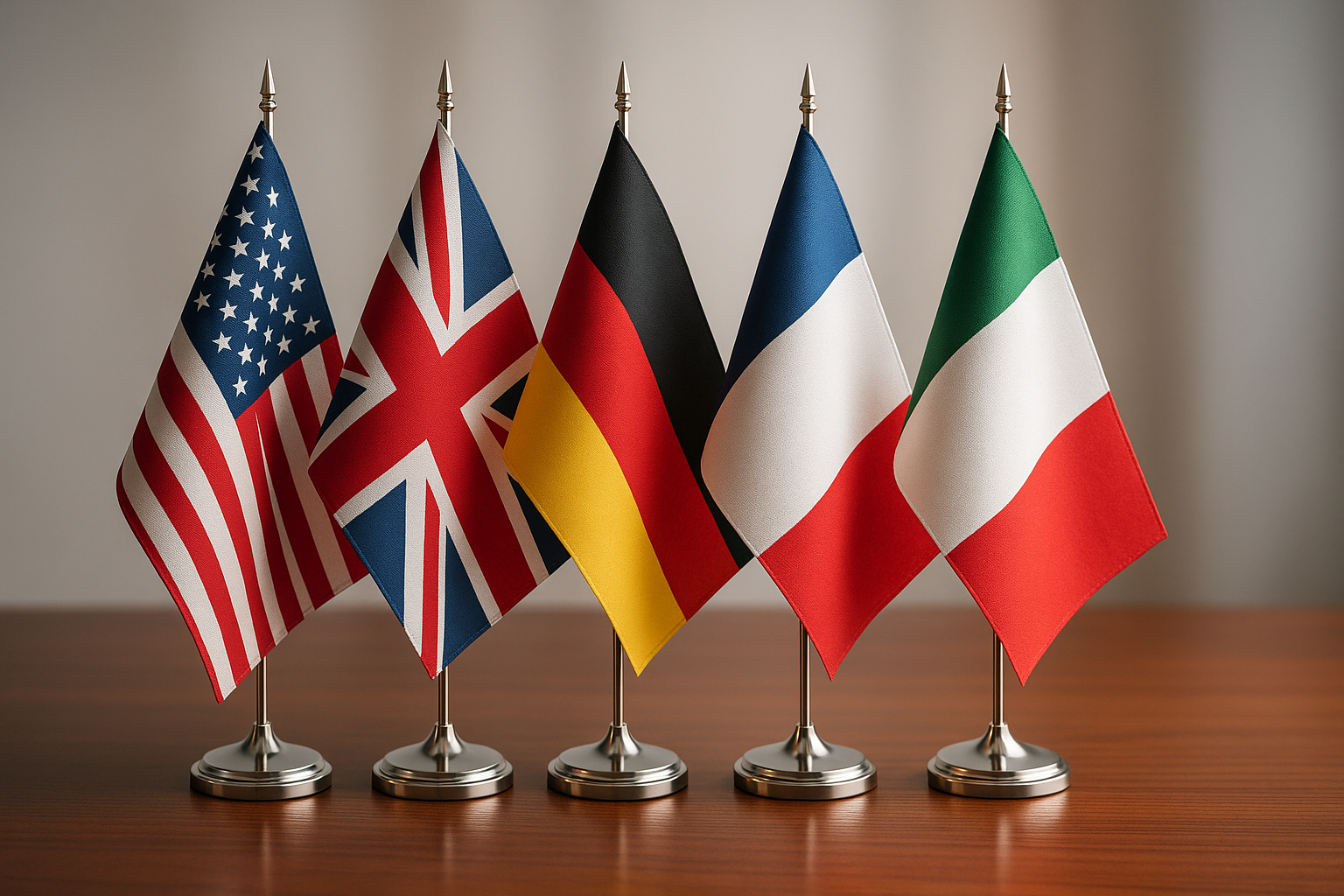
Corporate and institutional buyers should also consider that matching flag sets — for example, a Chile indoor flag alongside a US flag or regional flags — can often be combined into a single bulk order, reducing per-unit costs further across all flag types. The America Countries Flags collection covers the full range of flags from North, Central, and South America, making it straightforward to assemble a matched set of flags for a lobbying office, trade show booth, or diplomatic reception room without sourcing from multiple suppliers. Bulk pricing is available for corporate orders; contact Asya Bayrak directly to discuss volume requirements and custom lead times.
Why Buying the Cheapest Chile Flag Often Costs More Over Time
A low-priced flag that fades within 60 days and needs replacing three times a year costs more in total than a correctly specified flag replaced once every 12 to 18 months. This is the total cost of ownership calculation that experienced flag buyers always run before choosing on price alone. The key quality signals that separate a durable flag from a disposable one are fabric weight (110g Raschel polyester versus unspecified lighter fabrics), sublimation printing depth (dye fused into the fiber versus surface-applied ink that cracks and flakes), and reinforcement at the high-stress points: the header, the grommets, and the fly end stitching.
Flags flown outdoors in coastal climates — relevant for Chilean-American communities in cities like San Francisco, Miami, or Houston — face salt air, humidity, and high UV index simultaneously. In these conditions, a correctly specified 110g Raschel flag with quality grommets can realistically reach the 12-to-18-month end of its service life looking presentable, while an under-specified flag may show significant fading and fraying within 8 to 10 weeks. For a detailed breakdown of construction differences between flag types — including what separates quality Chile flags from inferior ones at the stitching and header level — the sibling article types of Chile flags and how they differ covers lifespan and total cost of ownership comparisons in full.

Country Flags Collection
Browse the full range of national flags — outdoor, indoor, and handheld — all manufactured to consistent quality standards for individuals, businesses, and institutions.
Browse Collection →What is the best fabric for a Chile flag used outdoors? +
Does the size of the Chile flag significantly change the price? +
What is the difference between an outdoor Chile flag and an indoor one in terms of cost? +
How much can I save by ordering Chile flags in bulk? +
How long does an outdoor Chile flag last before it needs replacing? +
Are Chile handheld flags suitable for outdoor events like parades? +
What printing method is used on Chile flags and why does it affect the price? +
For anyone ready to buy a Chile flag for outdoor display, indoor ceremonial use, or a large-scale event, the right starting point is the full country flags collection, which covers all three formats at their respective quality and price tiers. Outdoor buyers should look specifically at the Chile Outdoor Flag in 110g Raschel polyester for the best balance of durability and cost over a multi-year display life. Institutions and diplomatic offices requiring a complete pole-and-base presentation should review the Chile Official Indoor Flag in double-layer satin with chrome hardware. For events requiring quantity, the Chile Handheld Flag in 90g Raschel offers the most accessible per-unit entry point. Bulk pricing is available for corporate orders — reach out to Asya Bayrak directly to discuss volume requirements, lead times, and multi-flag sets for offices that display several national flags together.