

Finland's official flag days follow a precise government calendar, and flying the Finland flag correctly on Midsummer (Juhannus) means raising it at 8:00 AM and lowering it at 9:00 PM — or leaving it up around the clock if you are celebrating the midnight sun. Whether you are a Finnish expat community organizer, a Nordic heritage society, or simply someone who wants to honor the tradition properly, you will find the right flag format in the Country Flags collection at Asya Bayrak, which covers every display setting from ceremonial indoor poles to open-air flagpoles.
Which flag format actually suits your Midsummer or flag-day setting?
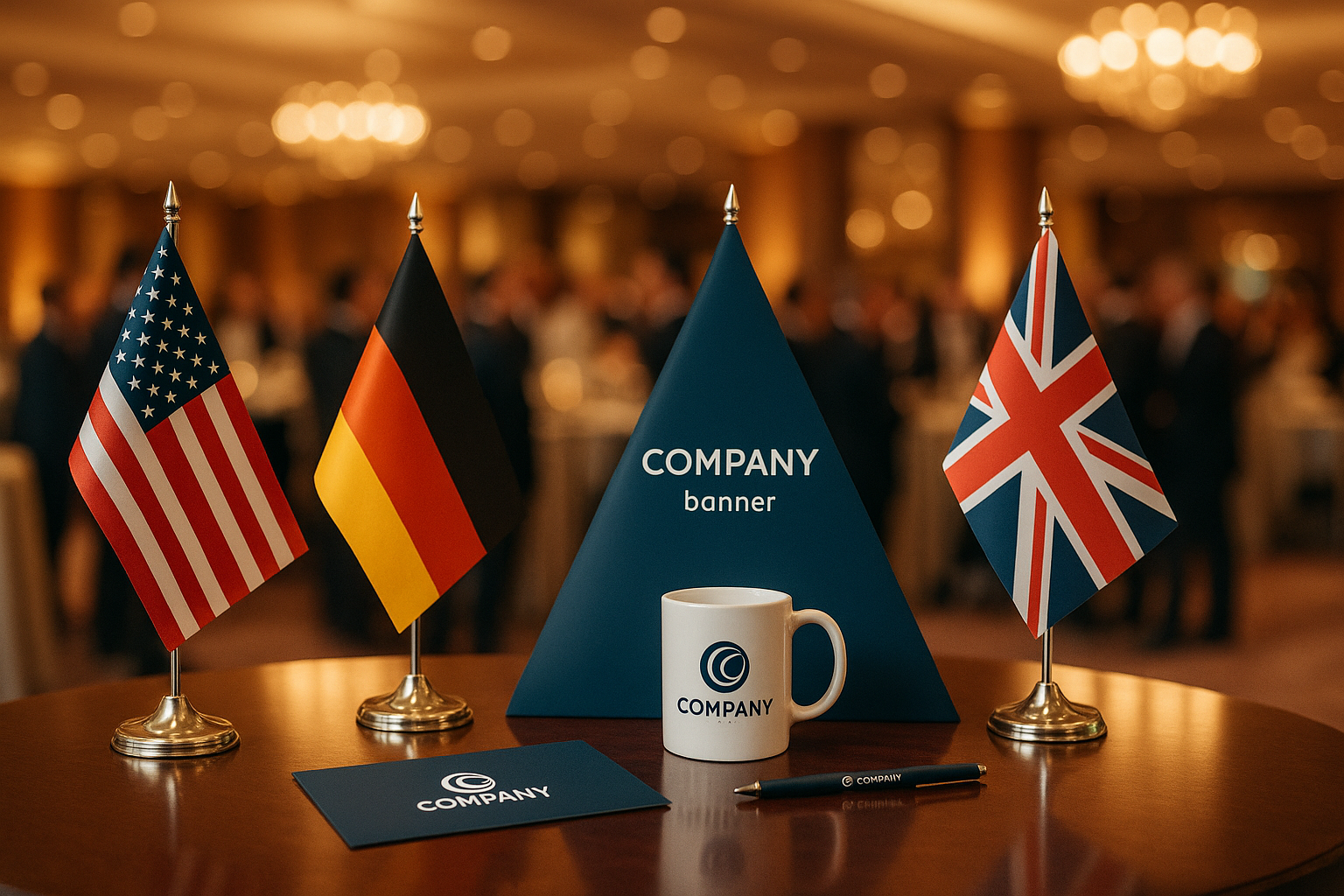
The right format depends entirely on where the flag will be seen: a residential flagpole, a community hall interior, a parade route, or a desk at a cultural event. Finland recognizes roughly 17 official flag days per year — from Independence Day on December 6 to Midsummer Eve on the Saturday between June 20 and 26 — and each setting calls for a different product. For outdoor residential or institutional poles, a full-sized outdoor flag is the correct choice; for indoor ceremonies and diplomatic-style presentations, an official indoor flag on a pole is standard; for parades and crowd participation, handheld flags work best; and for conference tables or reception desks, a desk flag delivers a professional touch without requiring a pole socket.
 For outdoor display on Midsummer or any Finnish flag day, the Finland Outdoor Flag is built from 110g Raschel knitted polyester — a fabric weight that balances color vibrancy with wind resistance, so the blue Nordic cross stays vivid even after hours of exposure to summer sun and coastal breeze. Raschel knit also allows air to flow through the weave, which reduces stress on the header and grommets during gusty conditions common in Finnish coastal and lakeside regions. The iconic white field with the blue cross faithfully represents the Finnish national symbol, which has been flown officially since 1918 when Finland formally adopted the design after independence. If your setting is a garden flagpole, a marina dock, or a school yard, this outdoor-grade flag is the practical choice for the full flag-day period from morning raising to evening lowering. For organizations comparing Nordic flag construction and care practices, our guide on choosing an outdoor Canada flag covers comparable outdoor flag material considerations that translate well to Scandinavian climates.
 When the occasion calls for a ceremonial indoor presentation — a Finnish Independence Day dinner, a cultural society reception, or an embassy event — the Finland Official Indoor Flag is the appropriate format. It features the blue Nordic cross reproduced via high-definition sublimation printing on double-layer satin fabric, mounted on a durable chrome metal pole, delivering the kind of dignified presentation expected at diplomatic missions and government offices. The double-layer construction gives the flag body and drape, so it hangs with the structured look that ceremonial settings require rather than lying flat or rippling awkwardly indoors. Finnish cultural communities in the United States that host Midsummer celebrations in rented halls, churches, or community centers will find this format appropriate for a stage backdrop or flanking a speaker's podium. The sublimation printing process ensures that the specific shade of blue — officially defined in the Finnish flag statute — is reproduced accurately rather than approximated with stock dye lots.
How many flags do you actually need for a Midsummer celebration or flag-day event?
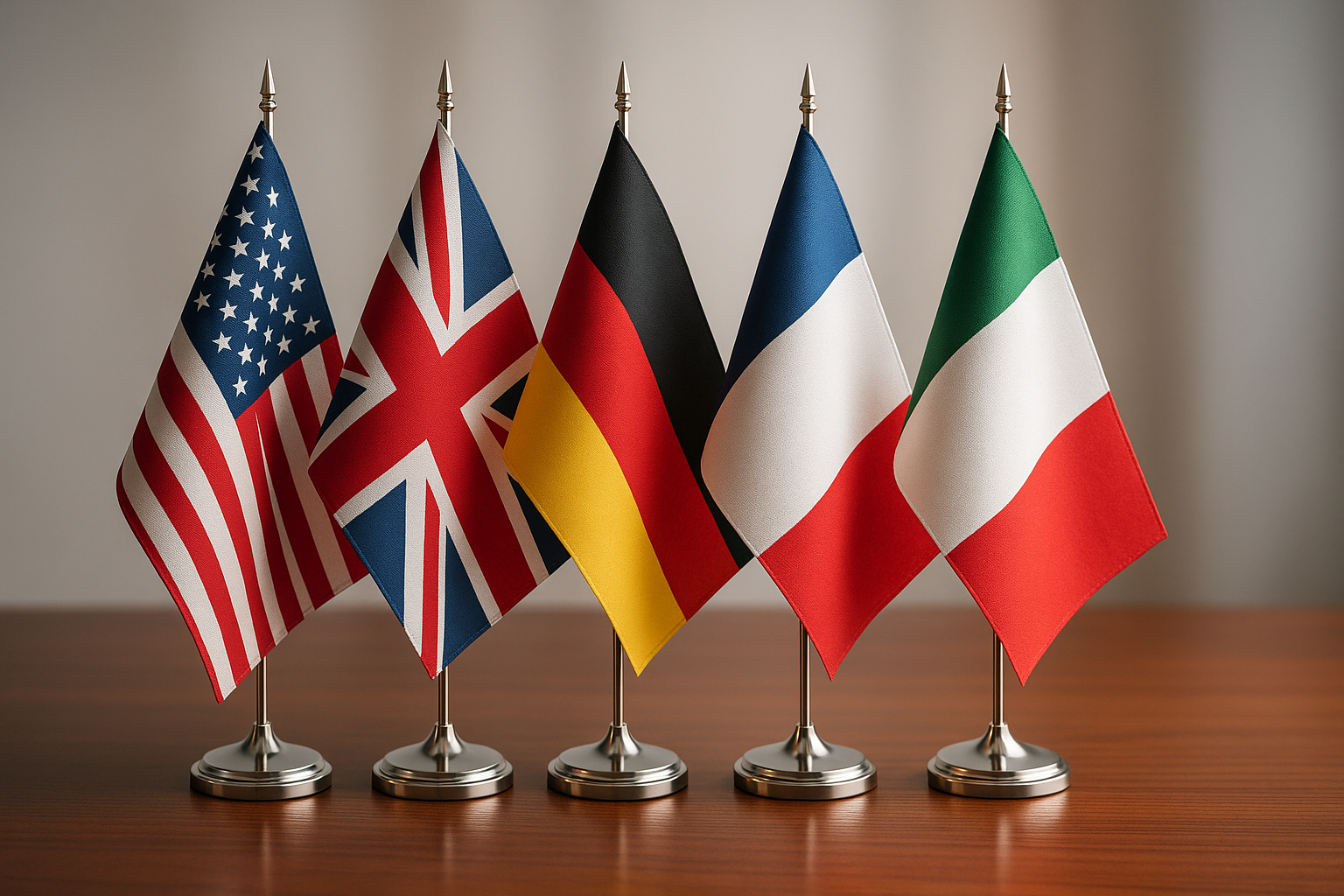
For a private residence, one outdoor flag is standard; for a community event, plan on one flag per dedicated display point plus a buffer of 10–15% for attrition. Finnish flag etiquette does not require multiple flags at a private home, but organized events benefit from layered display: one large outdoor flag at the entrance, one indoor ceremonial flag for any formal interior space, and a supply of handheld flags for attendees if a parade or procession is part of the program. As a practical rule for a gathering of 50–100 people, ordering 60–120 Finland Handheld Flags ensures everyone who wants one can wave it, with some remaining for photos and keepsakes. For a conference table or registration desk, one or two Finland Desk Flags per table creates a polished, nationally aware atmosphere without overwhelming the space.
Finnish Midsummer celebrations in North American cities — Helsinki-sister-city events, Finnish-American heritage society gatherings, sauna festivals — often combine all four formats simultaneously: outdoor flags on the venue facade, an indoor ceremonial flag on the stage, desk flags at sponsor tables, and handheld flags for the crowd. Mapping out each display point before ordering prevents both shortfalls and unnecessary overstock. A simple display-point inventory (entrance pole, stage left, stage right, registration desk, sponsor tables, crowd participation) will give you an accurate count in under ten minutes.
How to lay out flags correctly for an outdoor Midsummer venue
The Finnish flag should always fly at the highest point of a multi-flag display and must never be subordinated to a commercial or decorative banner. Under Finnish flag statute, the national flag takes precedence over regional, municipal, and organizational flags — a protocol that Finnish-American organizations typically observe even when flying on US soil as a matter of cultural respect. For outdoor venues, the most effective layout places the Finland flag at the primary entrance on the tallest available pole, with any secondary flags (city flag, organization flag) on shorter poles flanking it. If you are flying the Finnish flag alongside the US flag at a dual-heritage event, international protocol places both flags at equal height on separate poles of identical height — neither flag is subordinate when representing two sovereign nations equally.
For parade or procession layouts, handheld flags work best when distributed at the assembly point rather than along the route, so participants carry them from start to finish rather than picking them up mid-parade. The Finland Handheld Flag is made from 90g Raschel polyester on a stick, which gives it enough stiffness to wave visibly in photographs and video while remaining lightweight enough for children and seniors to carry comfortably throughout a Midsummer procession. Spacing desk flags every 5–6 ft (1.5–1.8 m) along a registration or banquet table creates a cohesive Nordic look without crowding place settings or centerpieces.
European Countries Flags Collection
Browse outdoor, indoor, desk, and handheld flag formats for Finland and every other European nation — ideal for multi-country heritage events, diplomatic displays, and Nordic cultural festivals.
Browse Collection →What does a realistic budget look like for flag-day or Midsummer flag purchases?
Budget planning for Finnish flag displays depends on the number of display points and the mix of formats you need — outdoor flags represent the largest per-unit investment, while handheld flags are the lowest cost per unit and benefit most from bulk ordering. A typical Finnish community event budget allocates the largest share to one or two outdoor-grade flags that will be reused across multiple flag days throughout the year, since a quality outdoor flag made from 110g Raschel polyester can last 6 months to 2 years of regular outdoor use depending on UV exposure and wind frequency. Desk flags and handheld flags are lower recurring costs; desk flags are essentially permanent fixtures at organizational offices, while handheld flags may be ordered fresh for each major event if the previous season's supply was distributed as keepsakes.
Organizations co-hosting events with multiple European national communities — for example, a Nordic heritage festival featuring Finnish, Swedish, Norwegian, and Danish flags — can reduce per-flag cost by ordering across the European Countries Flags collection in a single consolidated order. Bulk pricing is available for corporate and organizational orders, which makes this particularly practical for Finnish-American societies, Scandinavian cultural centers, and event management companies that service multiple heritage community clients. Always factor in flag storage after the event: a flag stored folded in a dry, UV-free environment retains its color and structural integrity significantly longer than one left rolled on a pole between events.
When should you place your order ahead of Midsummer or Finnish flag days?
For Midsummer (always the Saturday between June 20–26), order no later than four weeks before the date to allow for production, shipping, and any customs processing if you are outside the contiguous United States. Finnish flag days are fixed on the government calendar and do not shift year to year — Independence Day is always December 6, the Finnish flag's birthday is always May 28, and Midsummer Eve falls on a predictable Saturday — so there is no excuse for last-minute ordering and every reason to plan ahead. Community organizations that host annual events should consider placing a standing order each January for the full year's flag-day calendar, which typically covers 17 official flag-raising days and any additional cultural events the organization adds.
For handheld flags ordered in quantity for crowd participation at Midsummer bonfires or parade events, a 6-week lead time is comfortable and a 4-week minimum is workable for most standard quantities. For custom or large-volume orders — say, 500 or more handheld flags for a major Finnish-American festival — allow 8 weeks to be safe. Keep in mind that June is a peak season for outdoor flag orders globally, so production queues fill faster than they do in winter months. Ordering the outdoor flag and indoor ceremonial flag well before the season starts, then adding handheld and desk flags closer to the specific event date, is a practical two-stage purchasing approach that avoids both rush premiums and storage burden.
What time should the Finnish flag be raised and lowered on Midsummer? +
How many official flag days does Finland have each year? +
Can a Finnish-American organization fly the Finland flag alongside the US flag at Midsummer? +
What fabric is best for a Finland flag flown outdoors at a lakeside Midsummer bonfire? +
How do I store Finland flags between annual flag-day events to preserve their color? +
Are handheld Finland flags appropriate for children to carry at Midsummer parades? +
What is the correct shade of blue for the Finnish flag's Nordic cross? +
For Midsummer celebrations, Finnish Independence Day dinners, or any of Finland's 17 official flag days, the right flag in the right format makes a meaningful difference — both in visual impact and in respect for a tradition that has been observed since 1918. Start with the Finland Outdoor Flag for your primary pole display, add the Finland Official Indoor Flag for any ceremonial interior setting, and round out the event with handheld and desk flags for full-venue coverage. The complete range of Nordic and European formats is available in the Country Flags collection — and if you are coordinating a multi-country Nordic event, the European Countries Flags collection covers all Scandinavian and Baltic flags in matching quality. Bulk pricing is available for corporate and organizational orders, making large-scale Midsummer and flag-day events straightforward to equip without budget surprises. For further reading on keeping flag colors vibrant through outdoor seasons, the guide on keeping a flag's color through sun and rain offers practical maintenance advice applicable to any outdoor polyester flag, including the Finnish blue and white.


