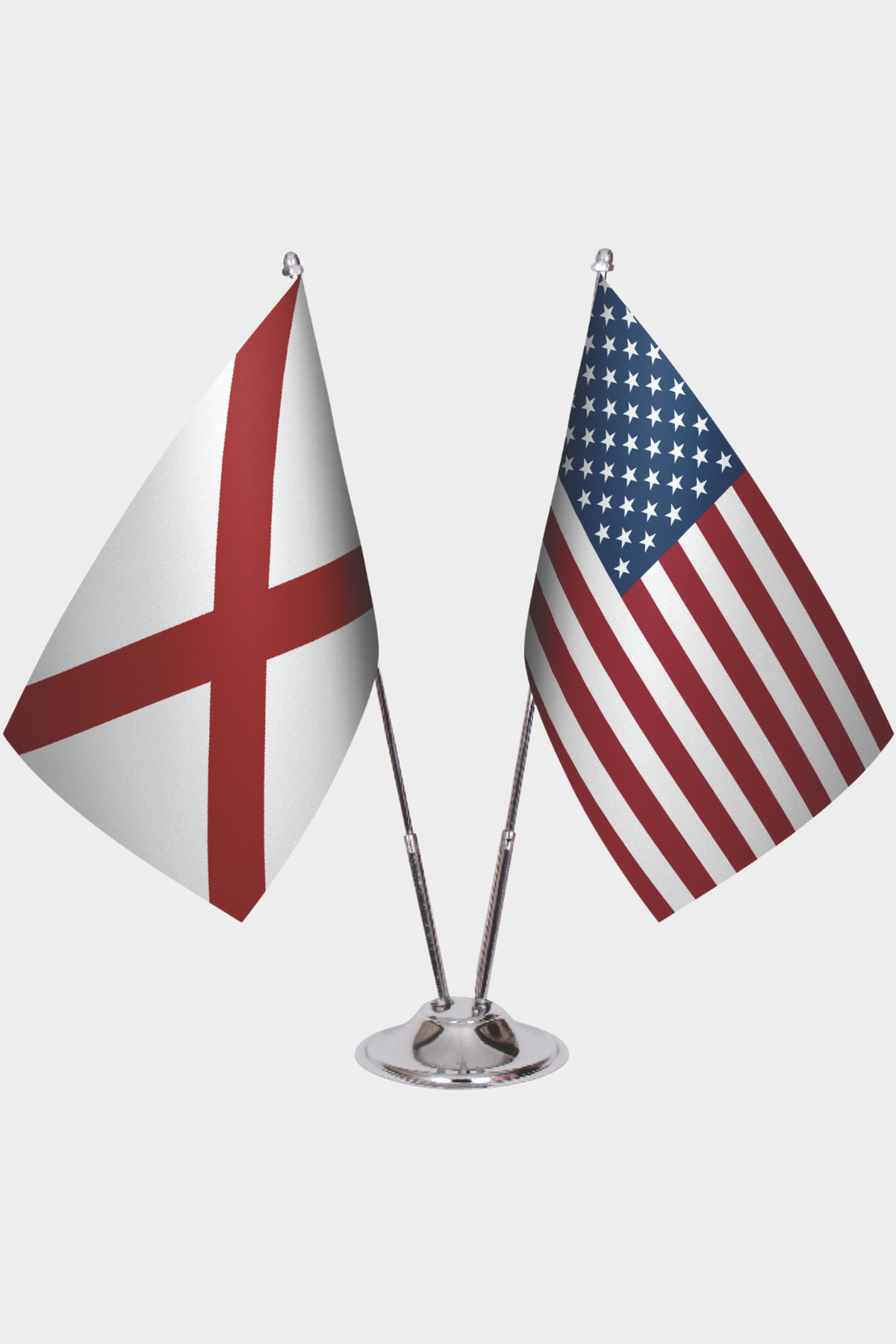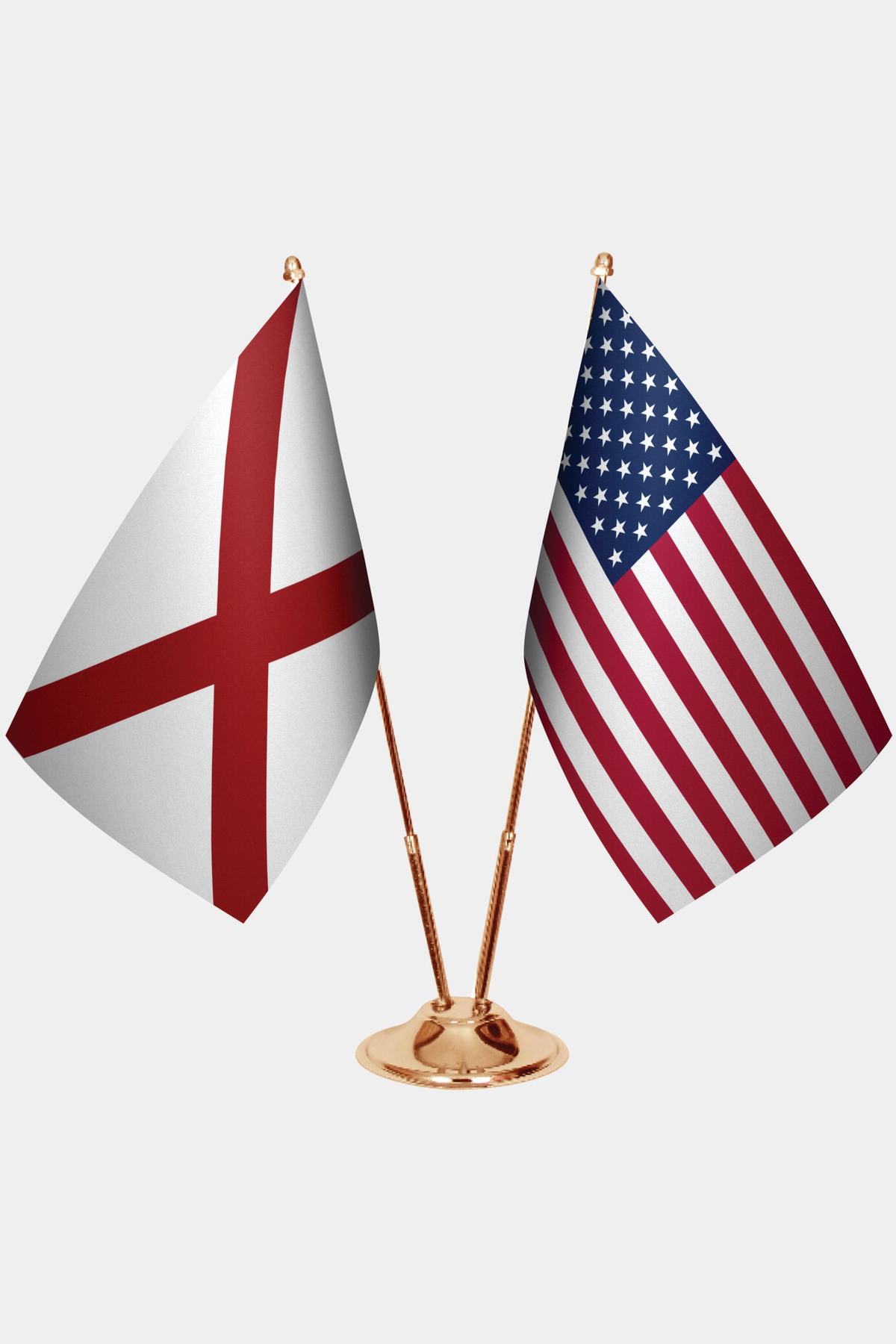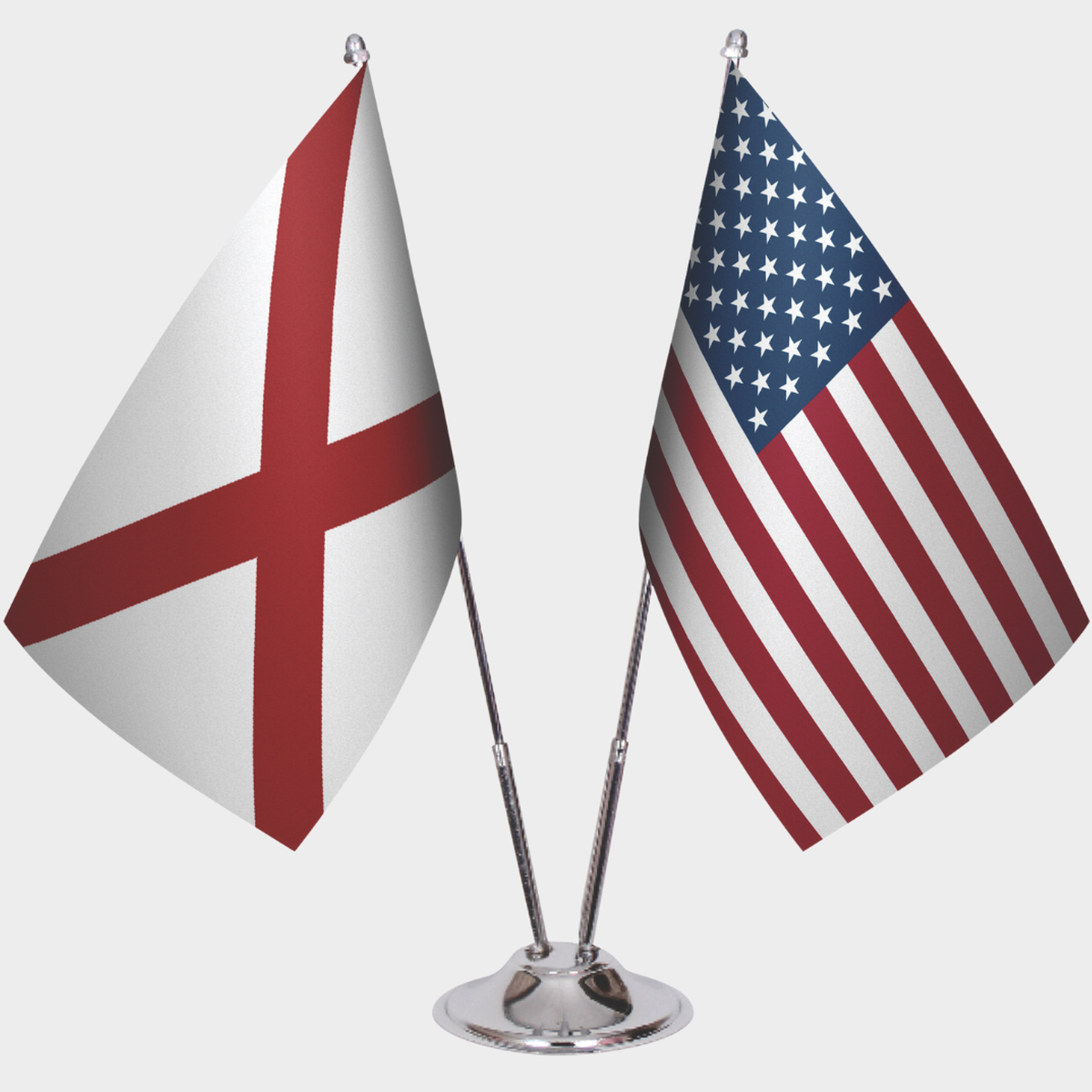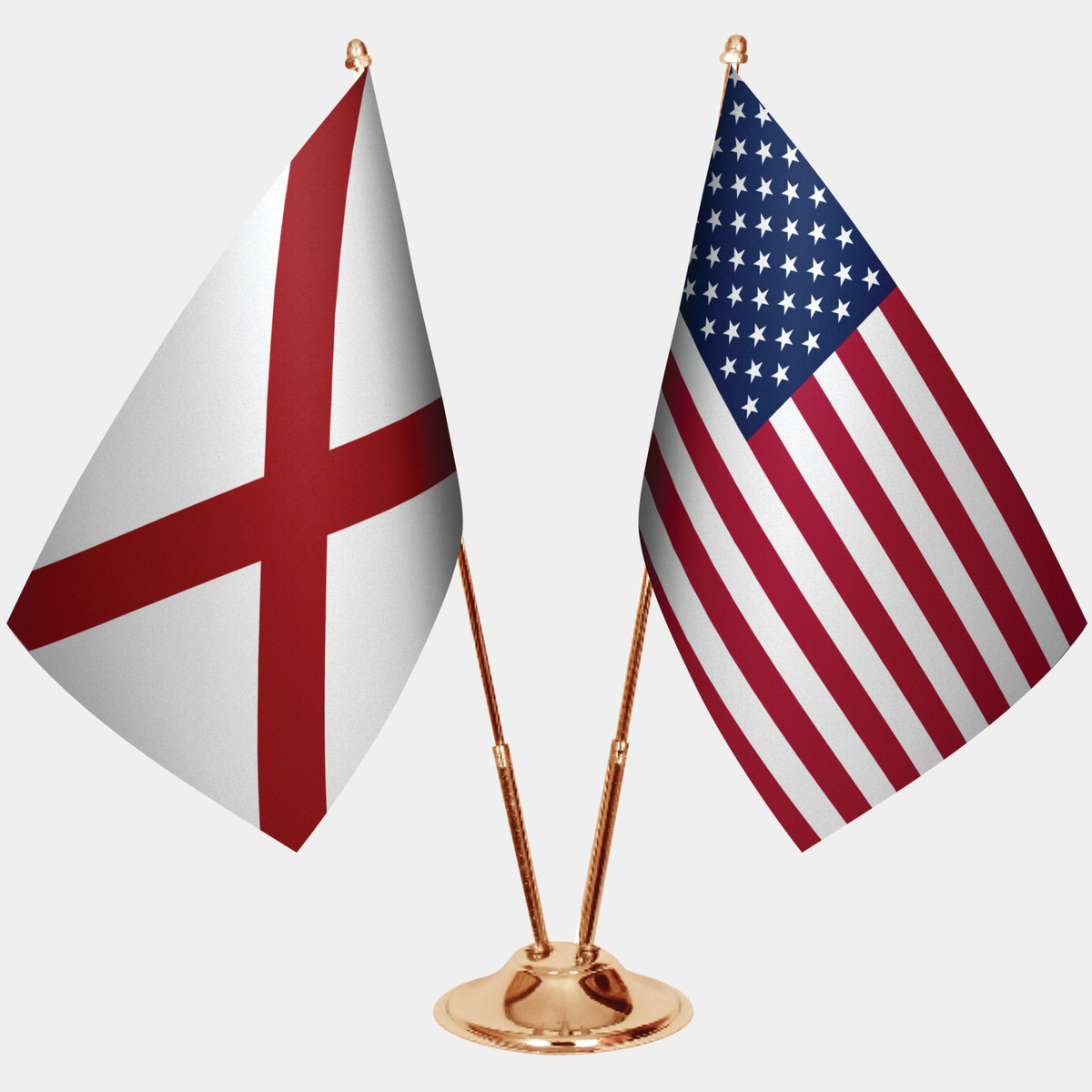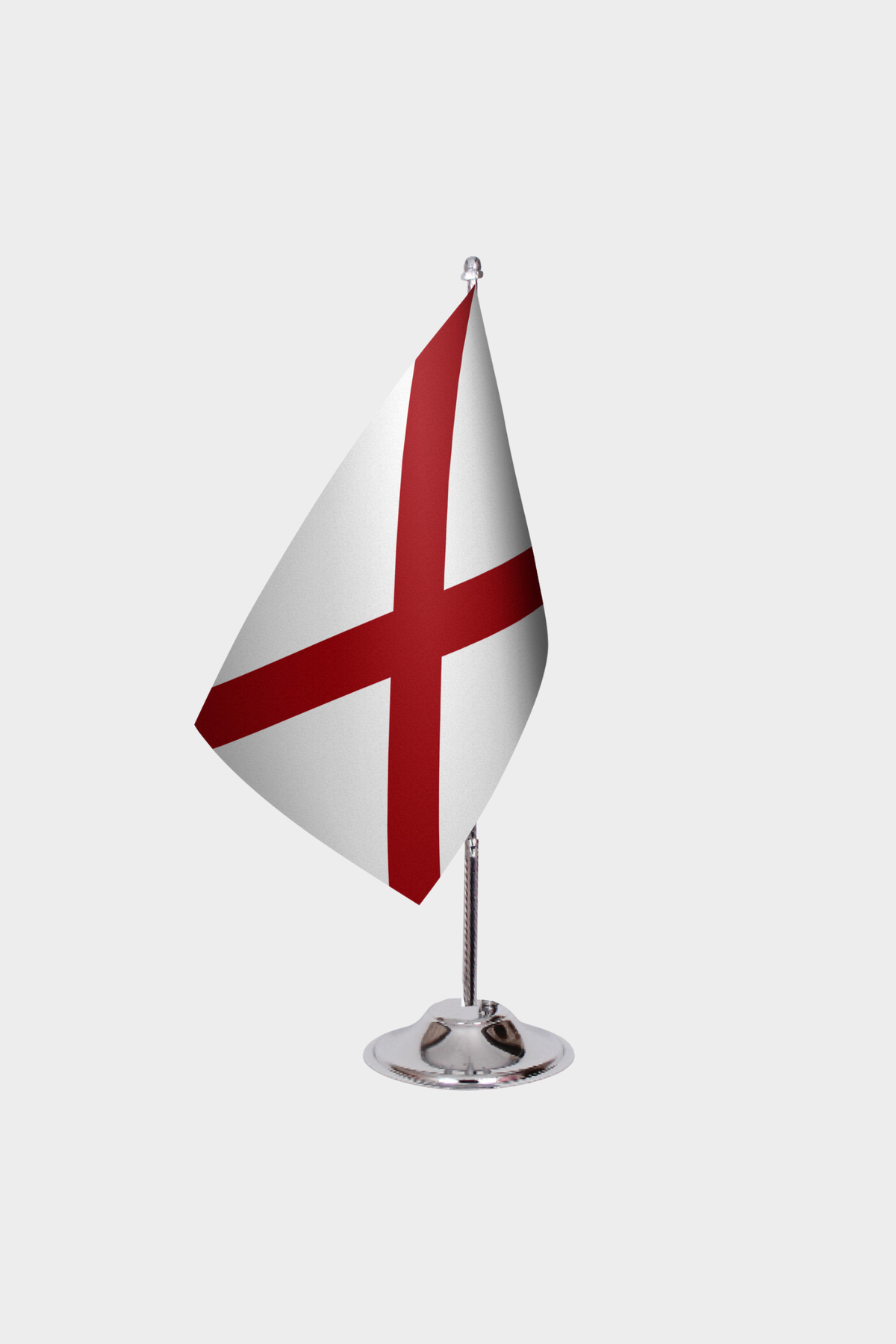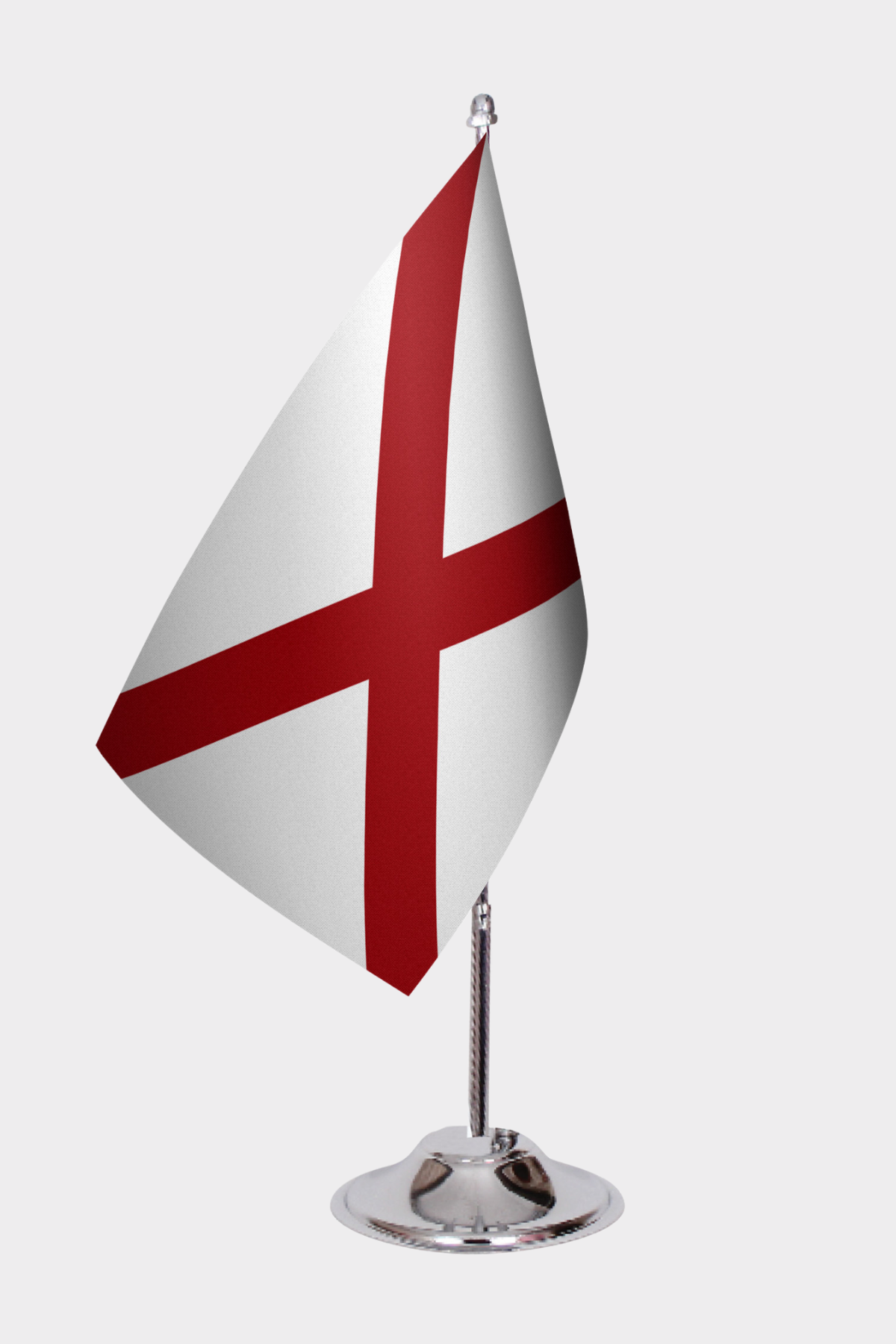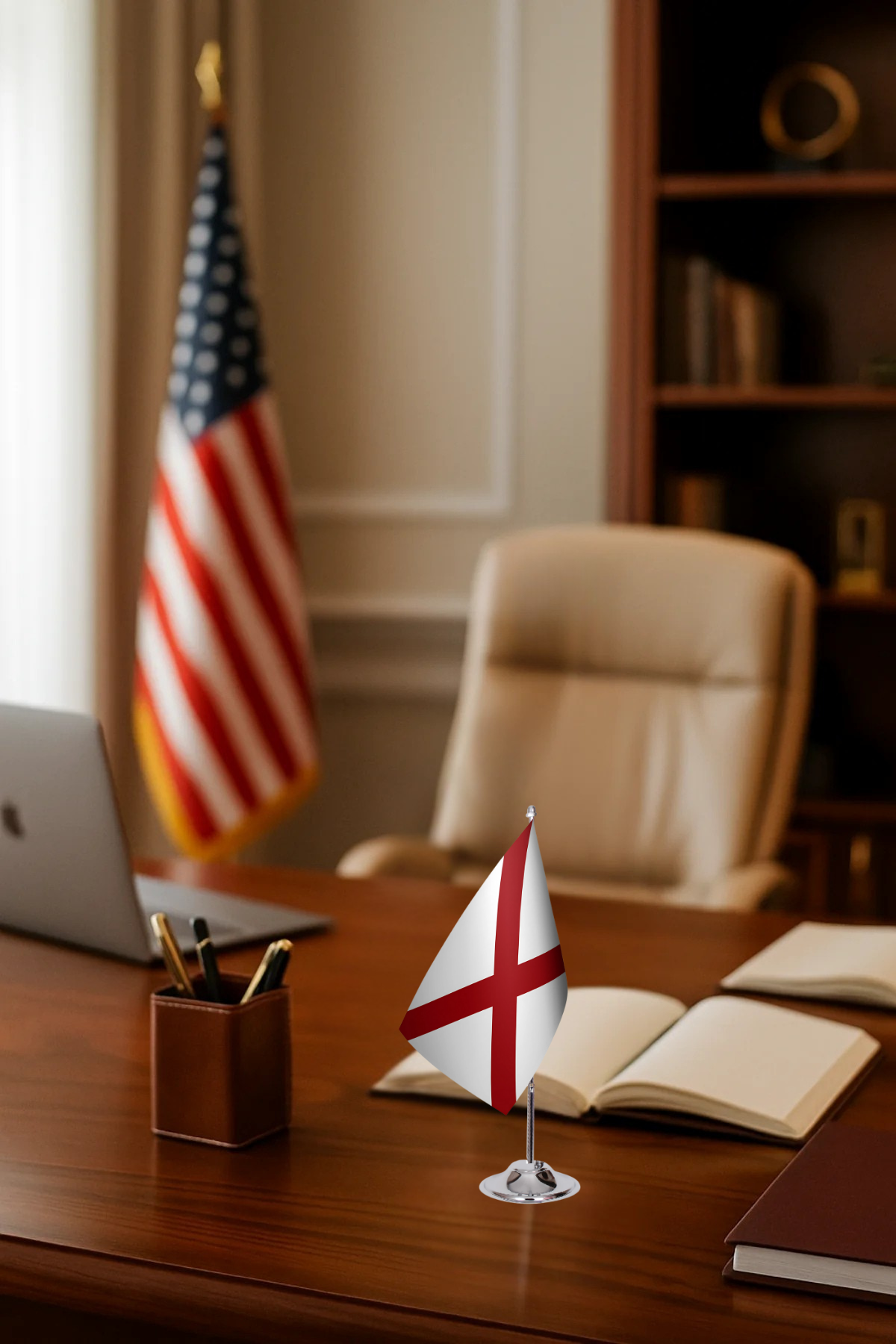
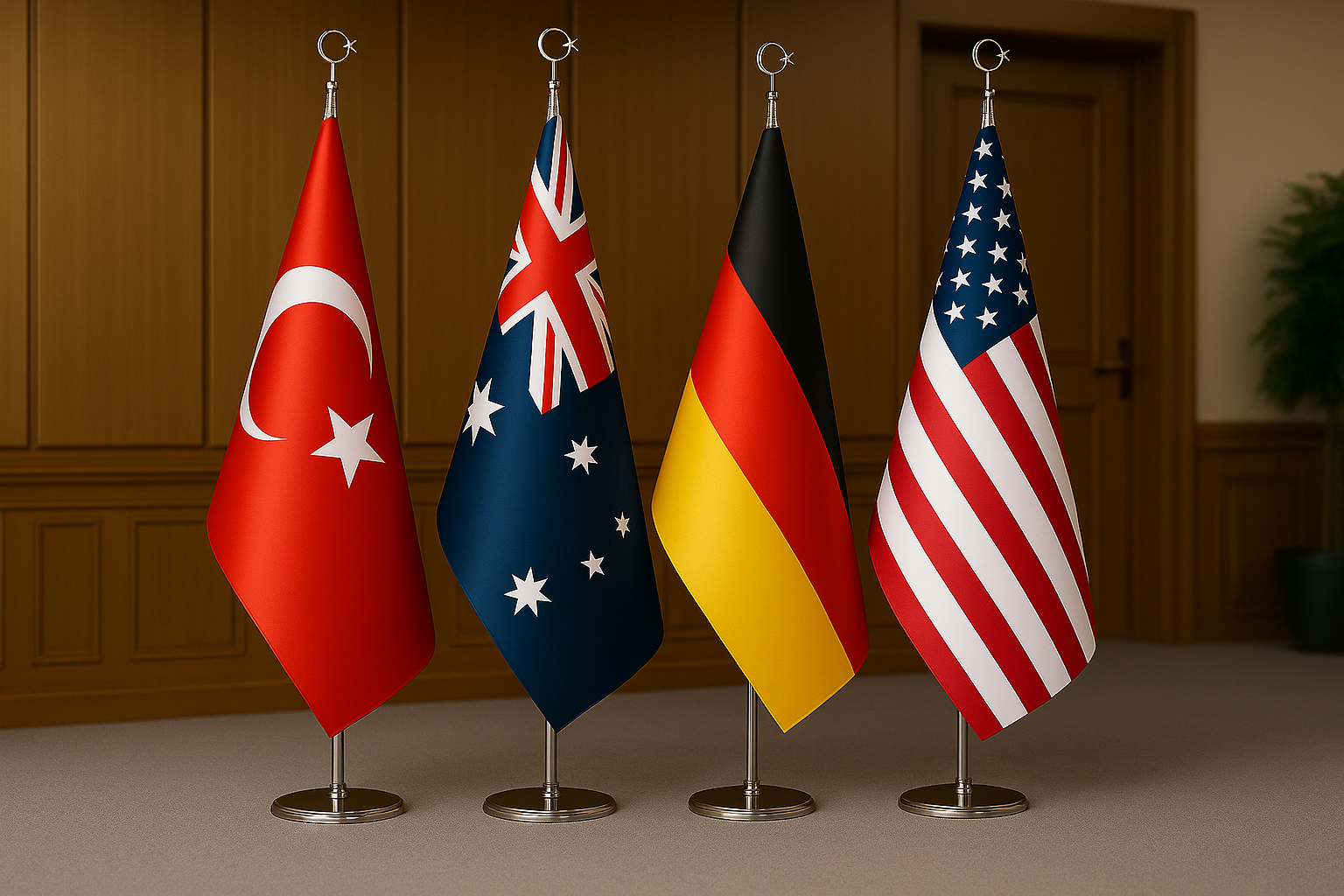



When flying the Welsh Dragon (Y Ddraig Goch) alongside the Union Flag, the Union Flag always takes the position of honour — typically the highest point or the leftmost pole when flags are at equal height — while the Wales flag flies to its left (from the viewer's perspective, the right). Understanding this order of precedence matters whether you are displaying flags at a public institution, a corporate venue, or a cultural event, and getting it right shows both legal awareness and genuine respect for Welsh heritage. You can find a full range of display-ready options in our European Countries Flags collection.
What the UK Flag Institute and Flag Protocol Actually Say
There is no single statute governing flag display in the United Kingdom equivalent to the US Flag Code (4 USC §§ 1–10), but the Flag Institute of the UK publishes authoritative guidance that is widely adopted by local authorities, institutions, and the Ministry of Housing, Communities and Local Government. The Union Flag holds national precedence and must always occupy the position of greatest honour. In practice this means: on a single mast, the Union Flag flies above the Wales flag; on multiple masts of equal height, the Union Flag occupies the mast to its own right (the viewer's left); on a horizontal display such as a stage backdrop, it appears first from left to right.
Wales has a constitutionally distinct position within the United Kingdom. Unlike England, Scotland, and Northern Ireland, Wales does not have its own element within the Union Flag — the red dragon was omitted from the design when Wales was already incorporated into the English crown before the Union Flag's creation in 1606. This absence is a point of significant cultural pride for Welsh communities: the Wales flag stands entirely on its own as an ancient symbol, dating its dragon motif to at least the 9th century under King Cadwaladr. The FIAV (Fédération Internationale des Associations Vexillologiques) classifies Y Ddraig Goch as a national flag, confirming its legitimacy for full international display protocol.
How to Order and Position Multiple Flags Correctly
When flying the Wales flag alongside the Union Flag, the Union Flag always takes the right-hand pole (from the flag's own perspective), which is the viewer's left — this is the position of honour in British and most Commonwealth traditions. On a three-pole display that also includes, say, a county or civic flag, the Union Flag takes the central pole, with the Wales flag immediately to its left (viewer's right), and the third flag on the outer left. On a single vertical mast, the Union Flag is hoisted highest, followed by the Wales flag below it at a respectful interval.
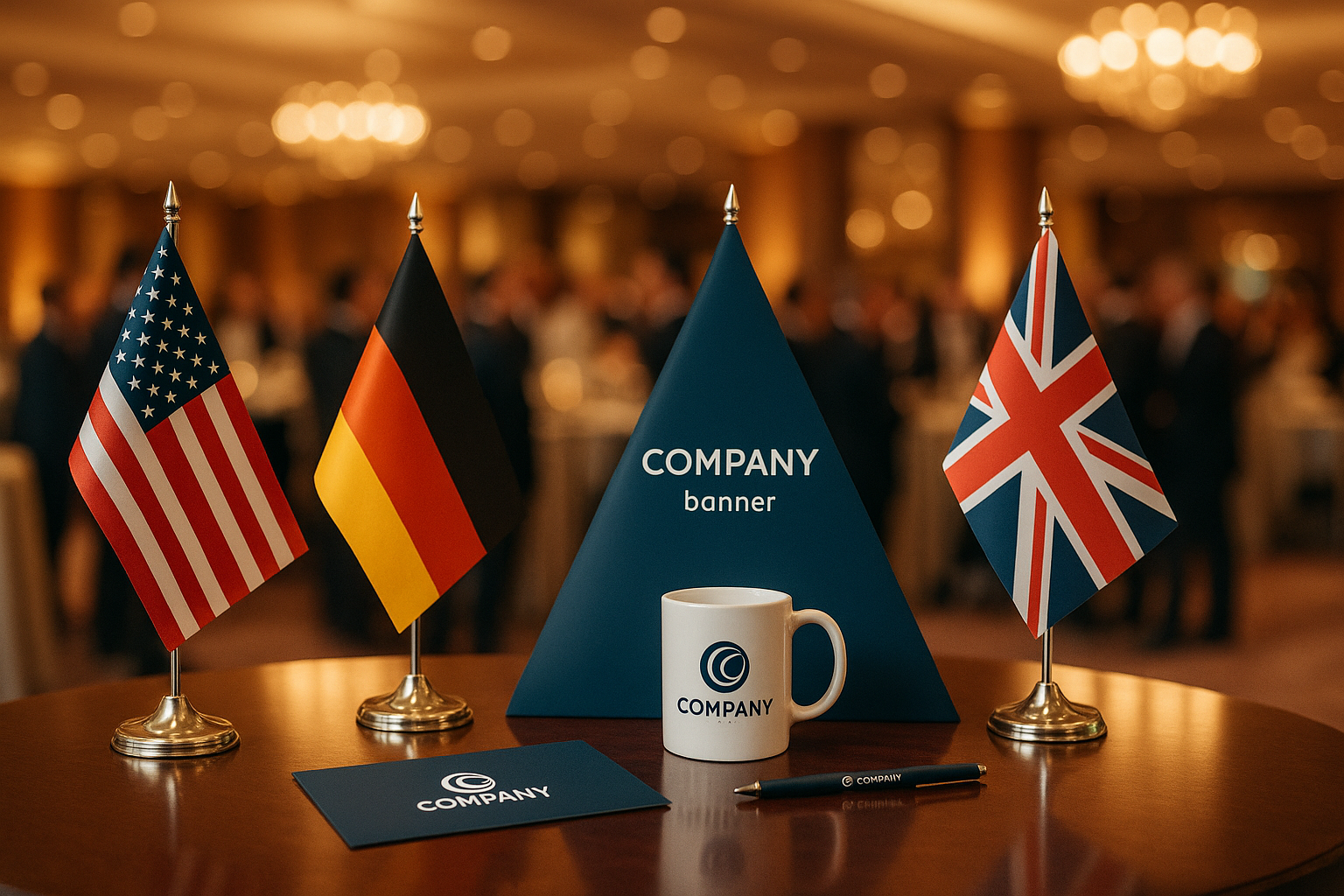
For buildings displaying national flags of more than two countries — common at hotels, conference centres, and international corporate campuses — the alphabetical rule endorsed by the UN and the Flag Institute applies: flags are arranged in English alphabetical order of country name, treating each nation as equal. In this context the Union Flag representing the UK would appear under "U," while the Wales flag, representing a constituent nation, would conventionally follow in second position on a dedicated sub-national grouping. If in doubt, the safest approach is to consult the Flag Institute's published guidance or contact your local authority's ceremonial office.
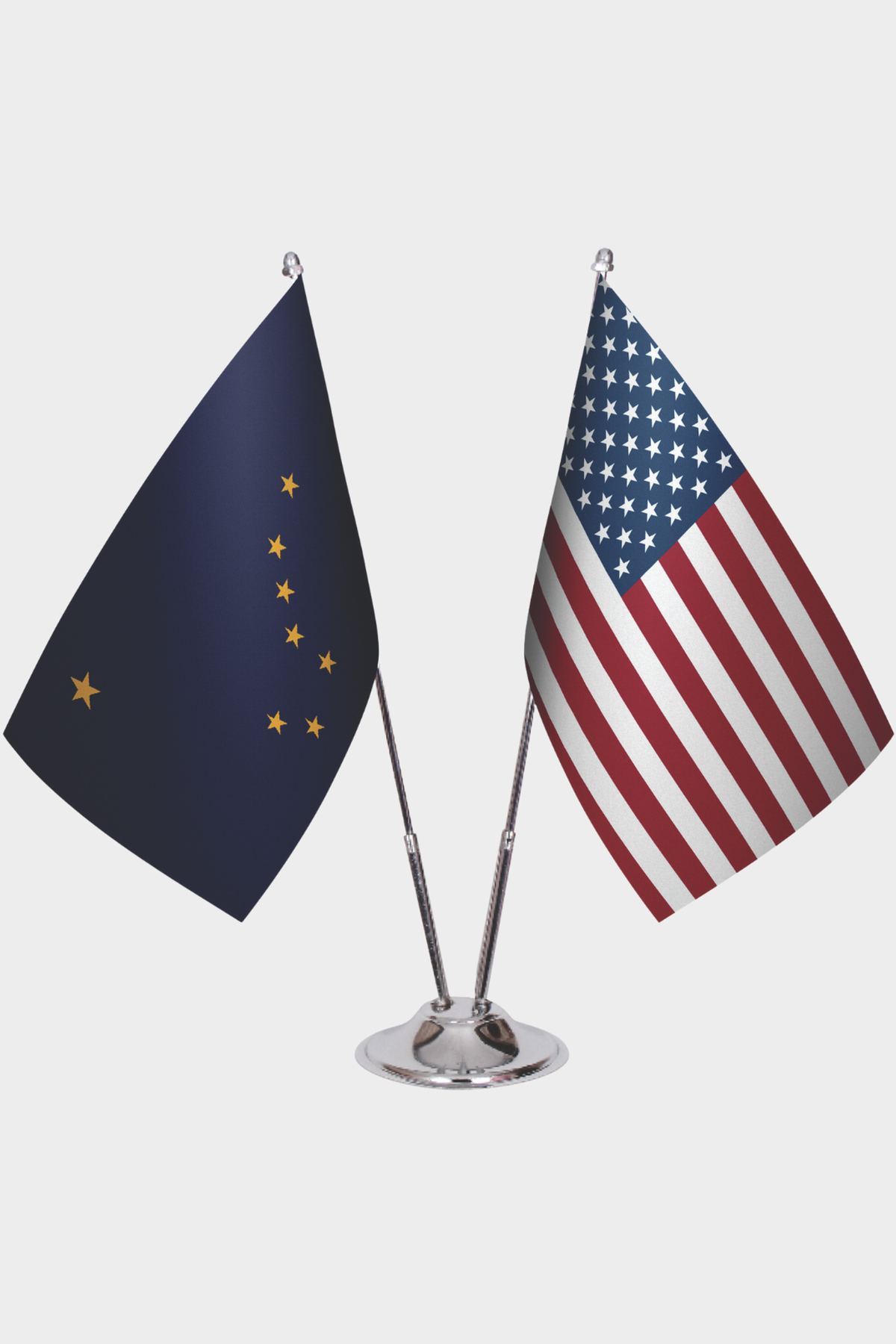
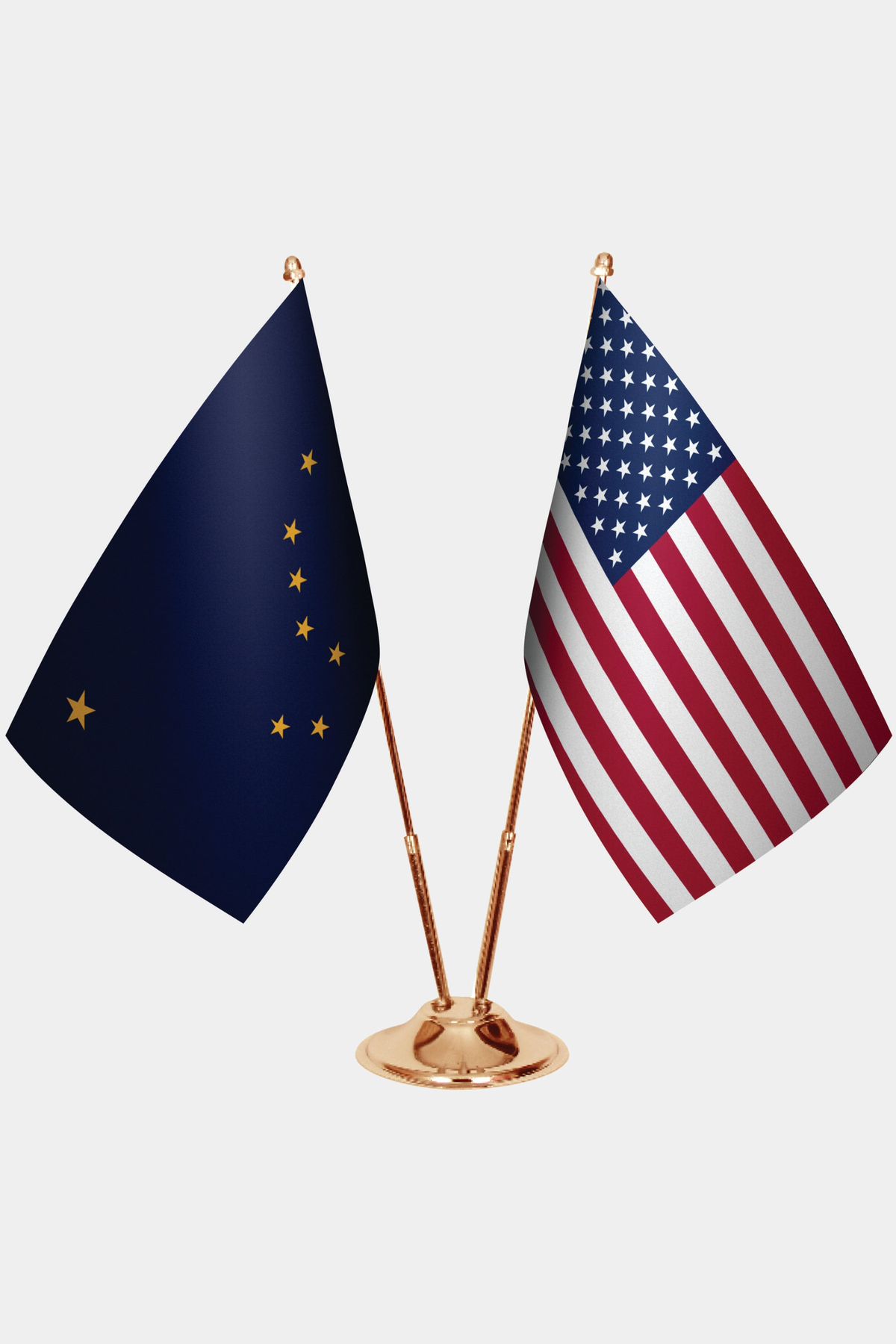
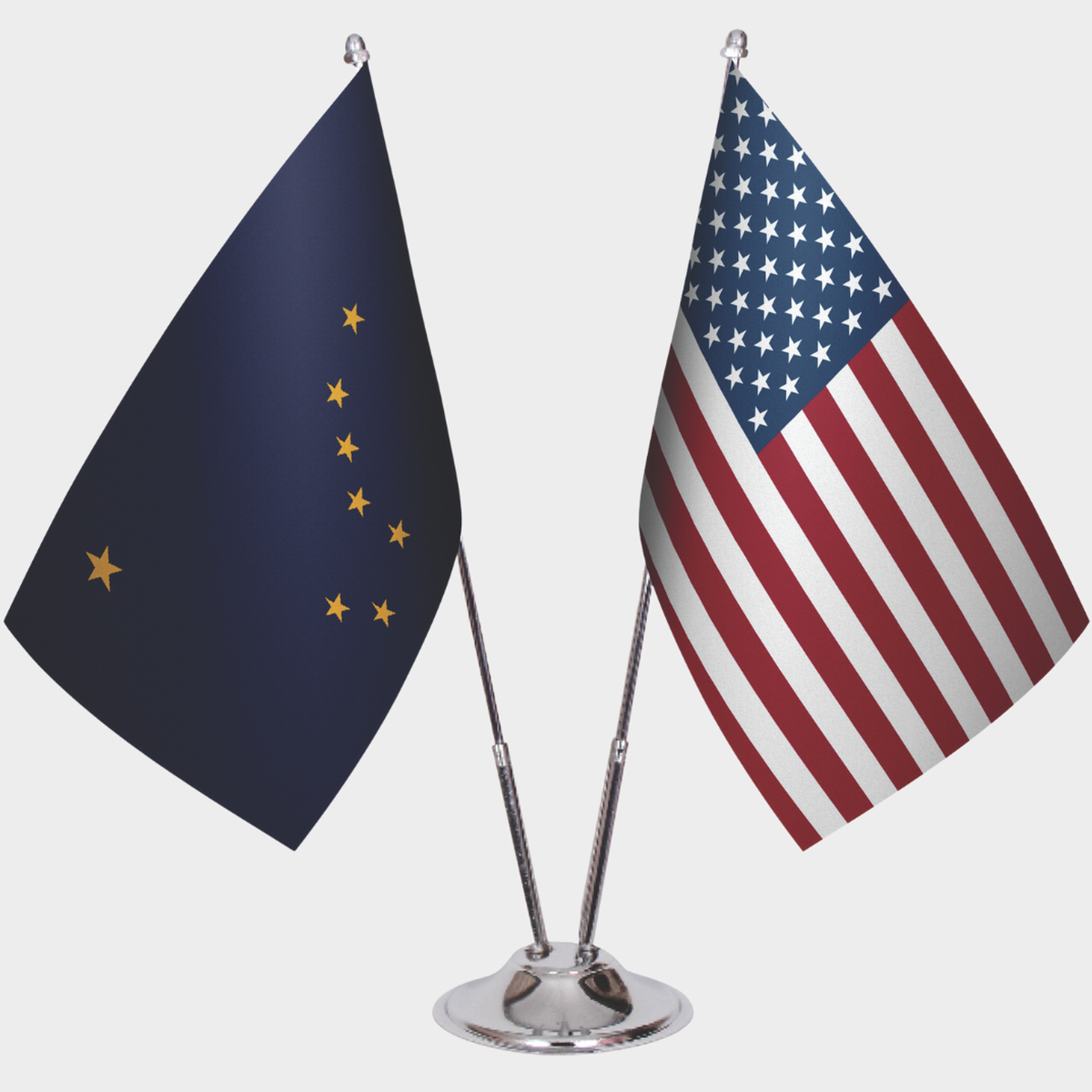
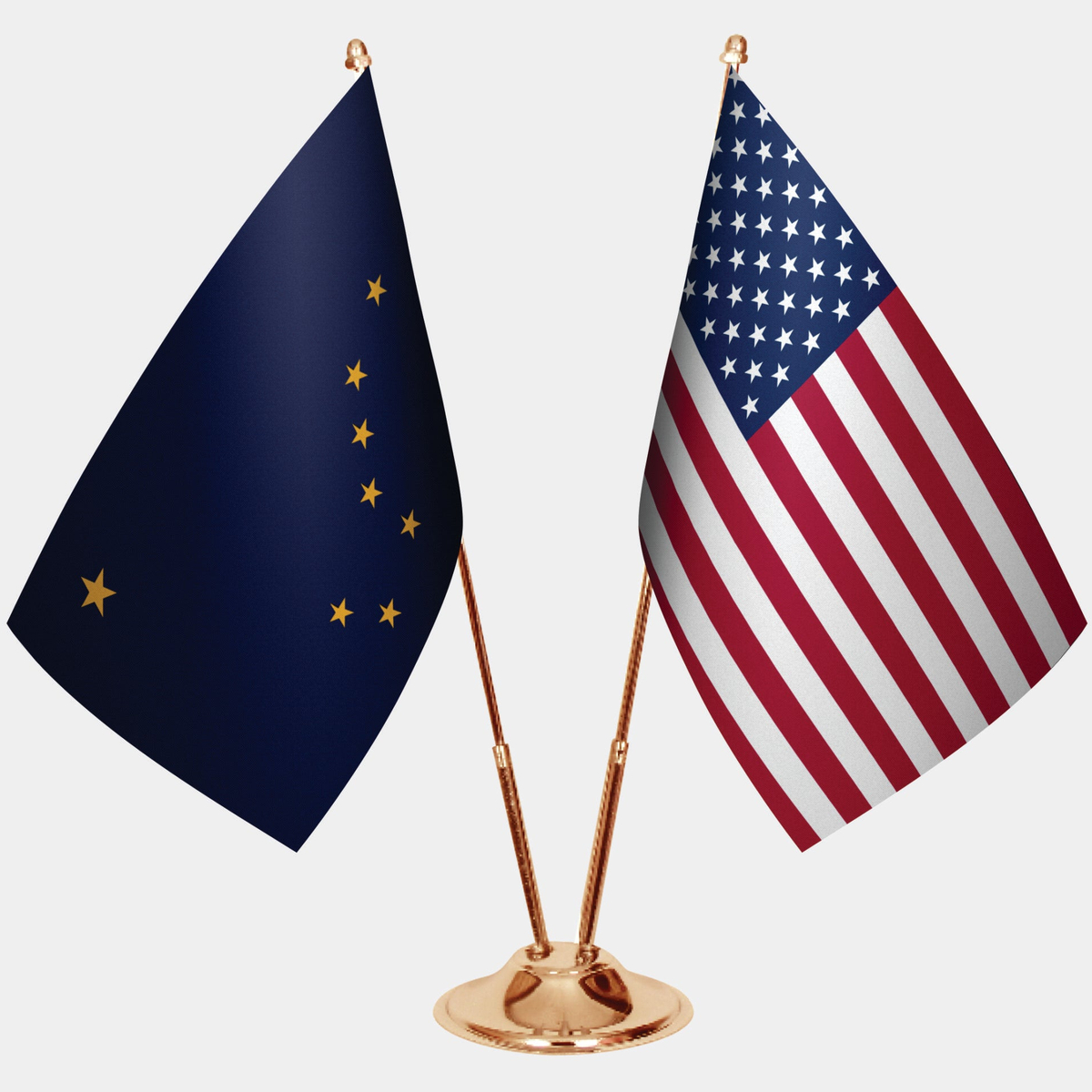
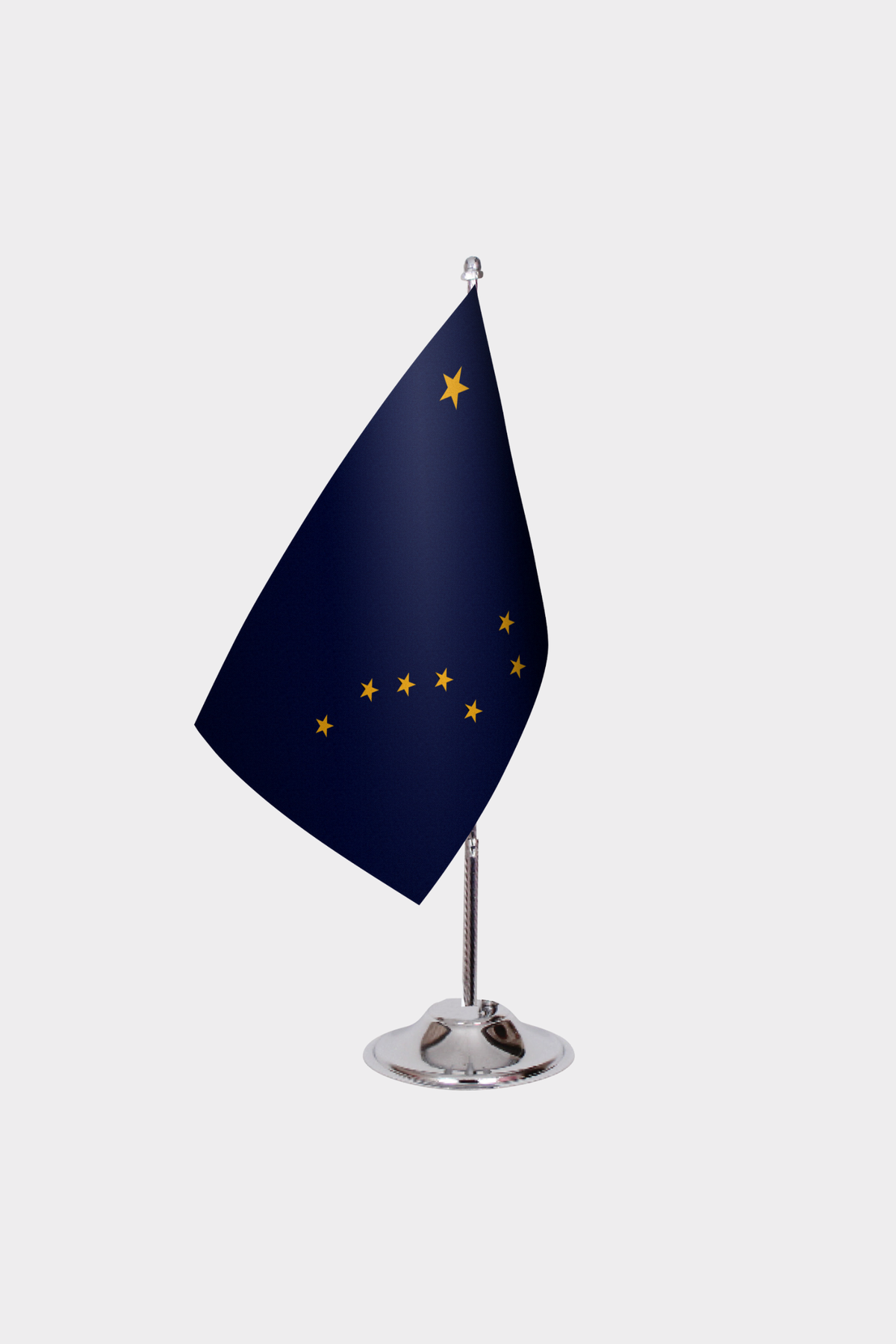
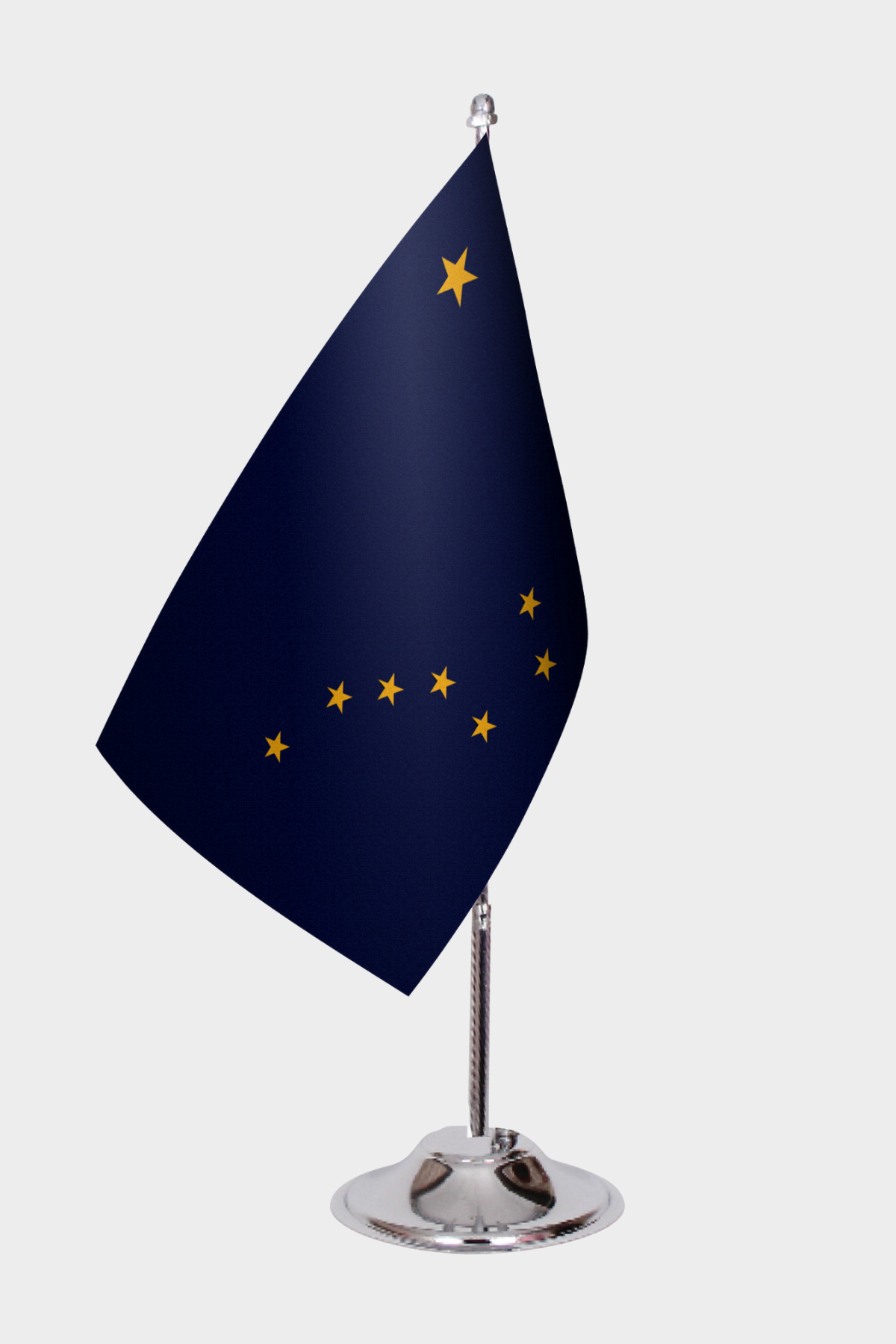
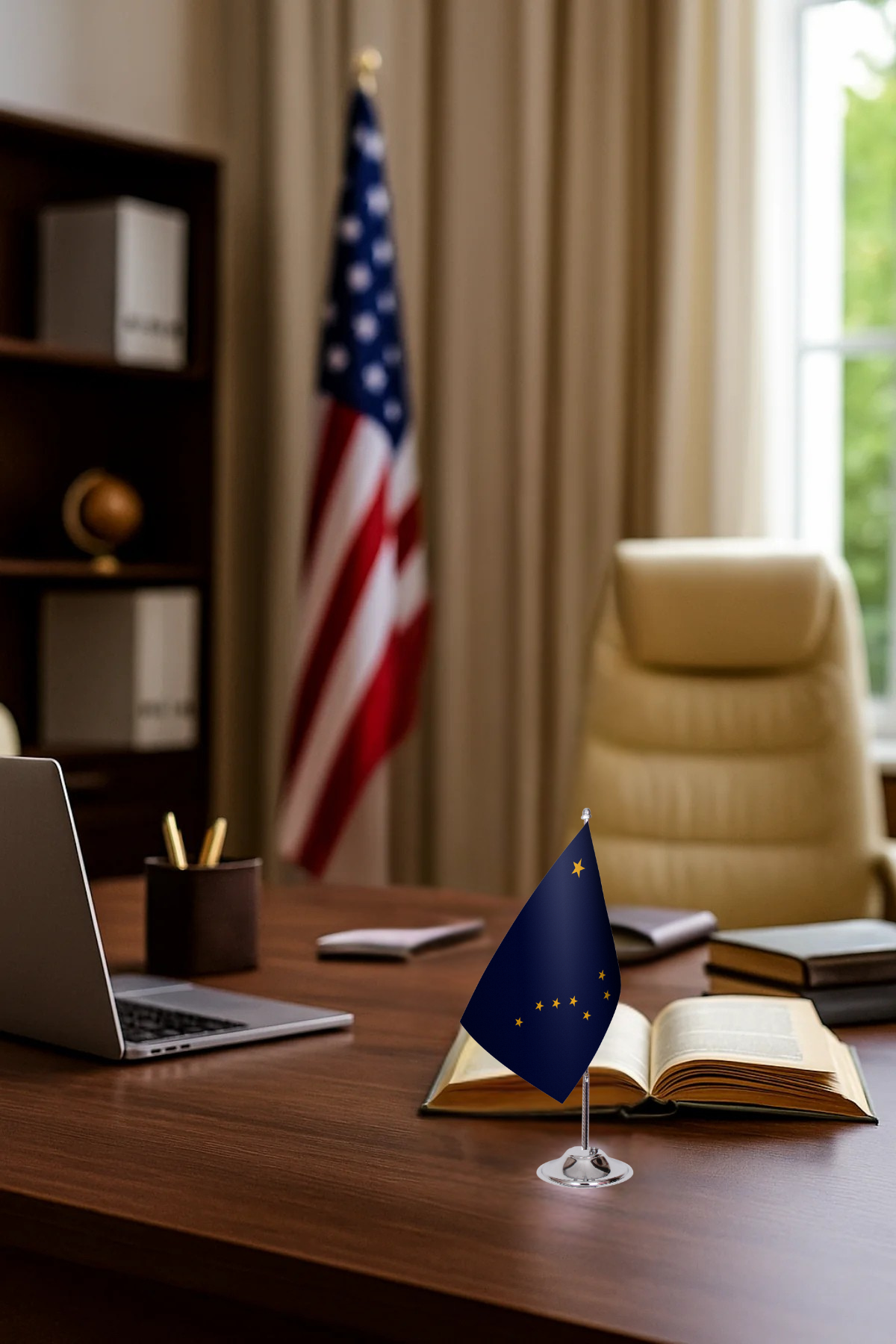
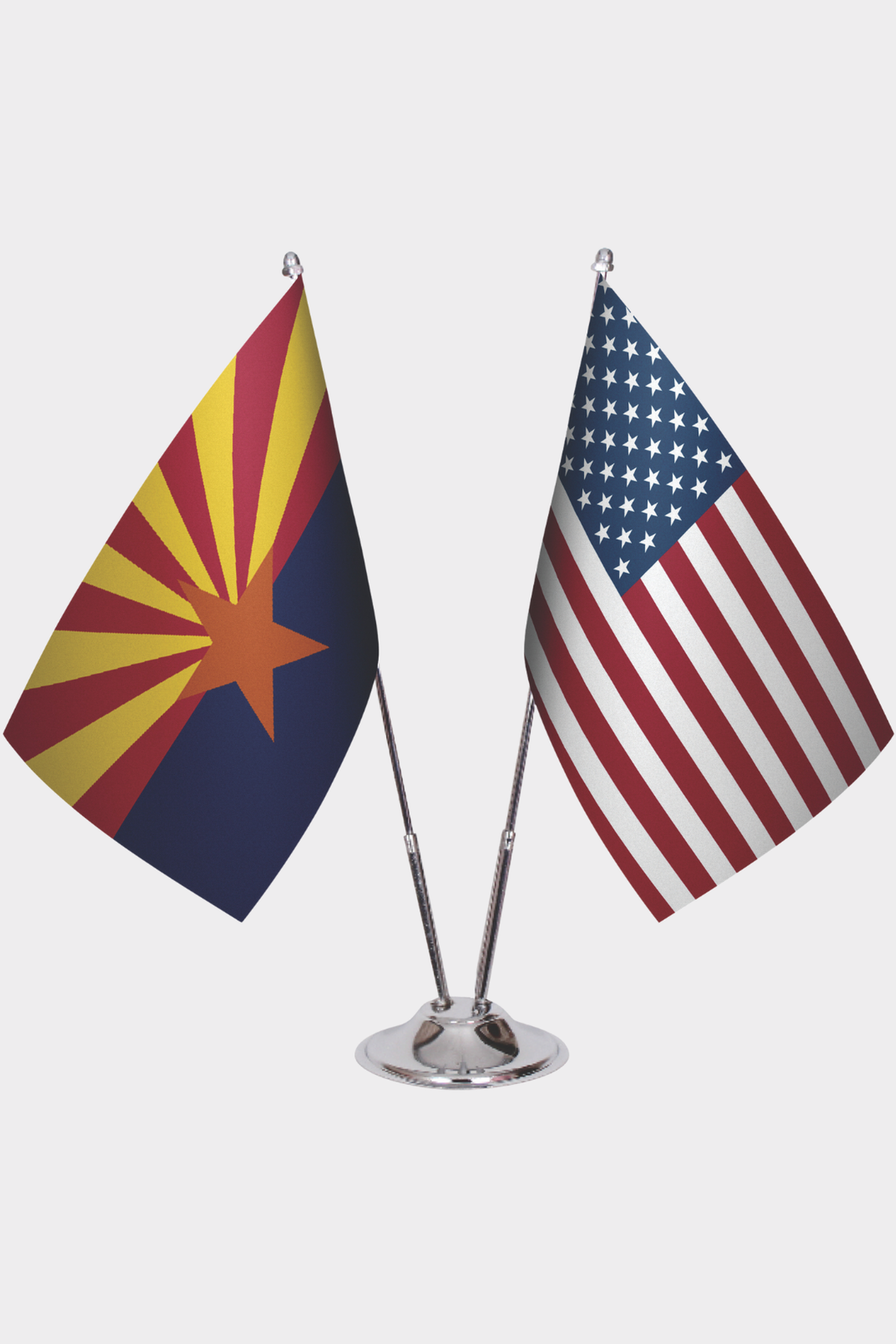
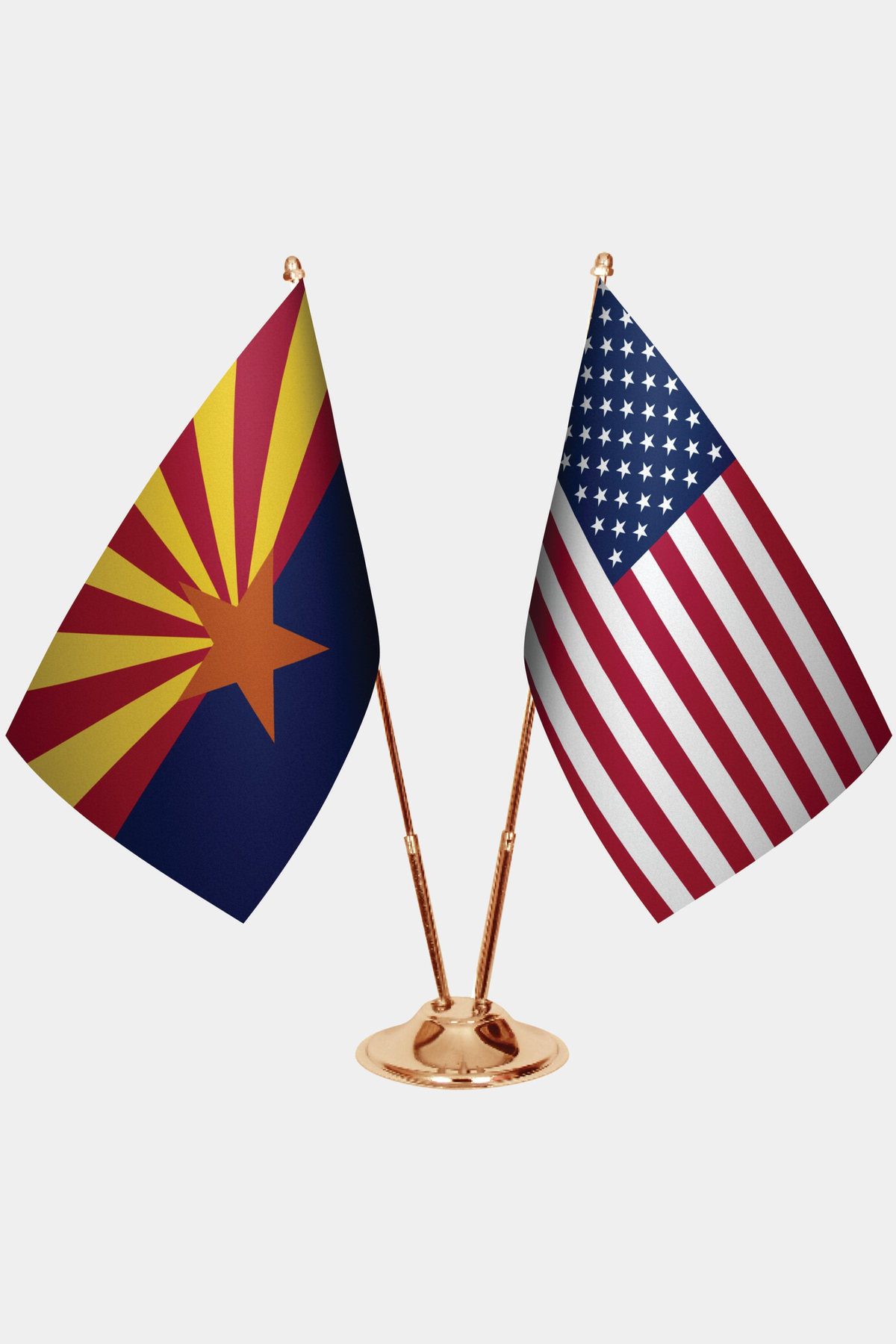
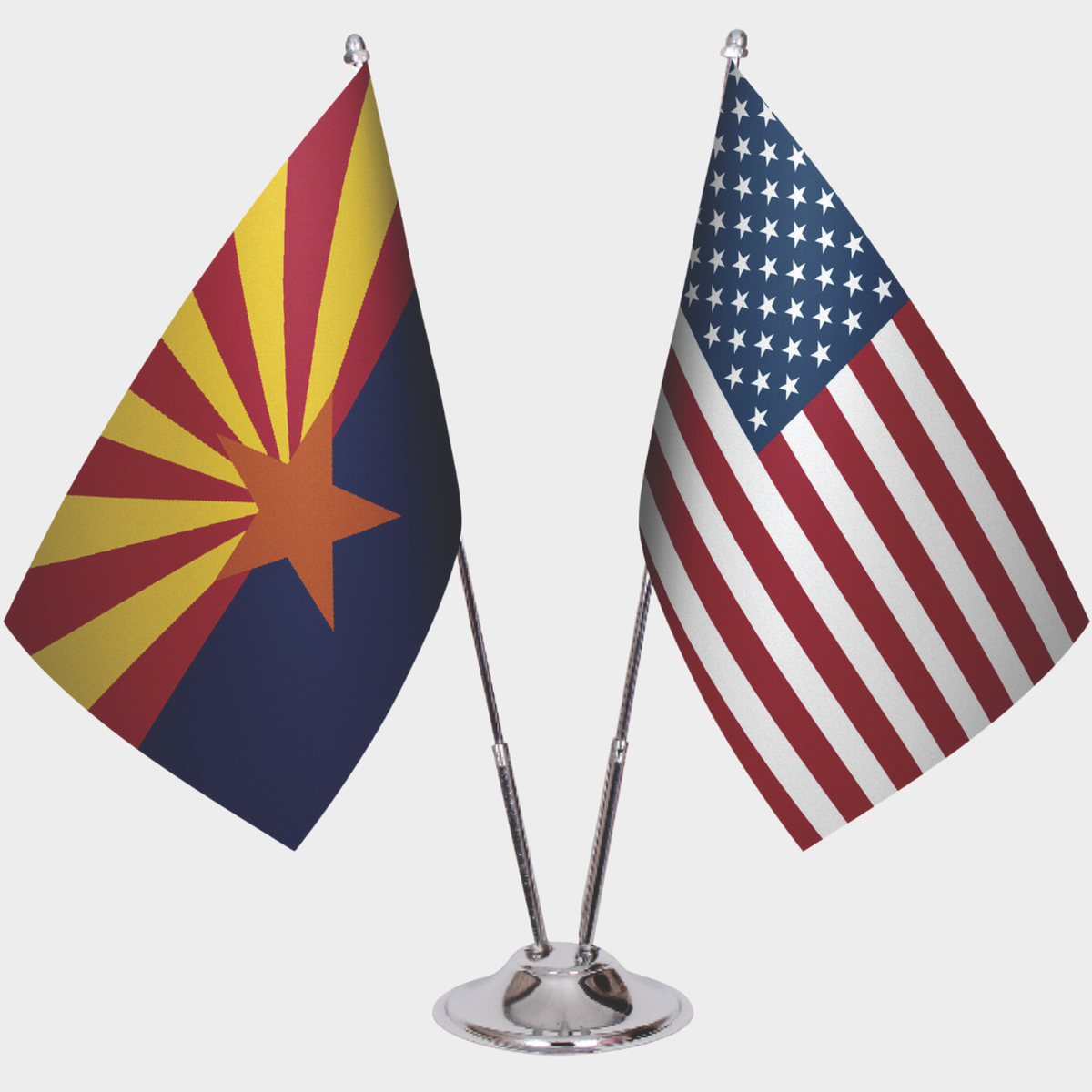
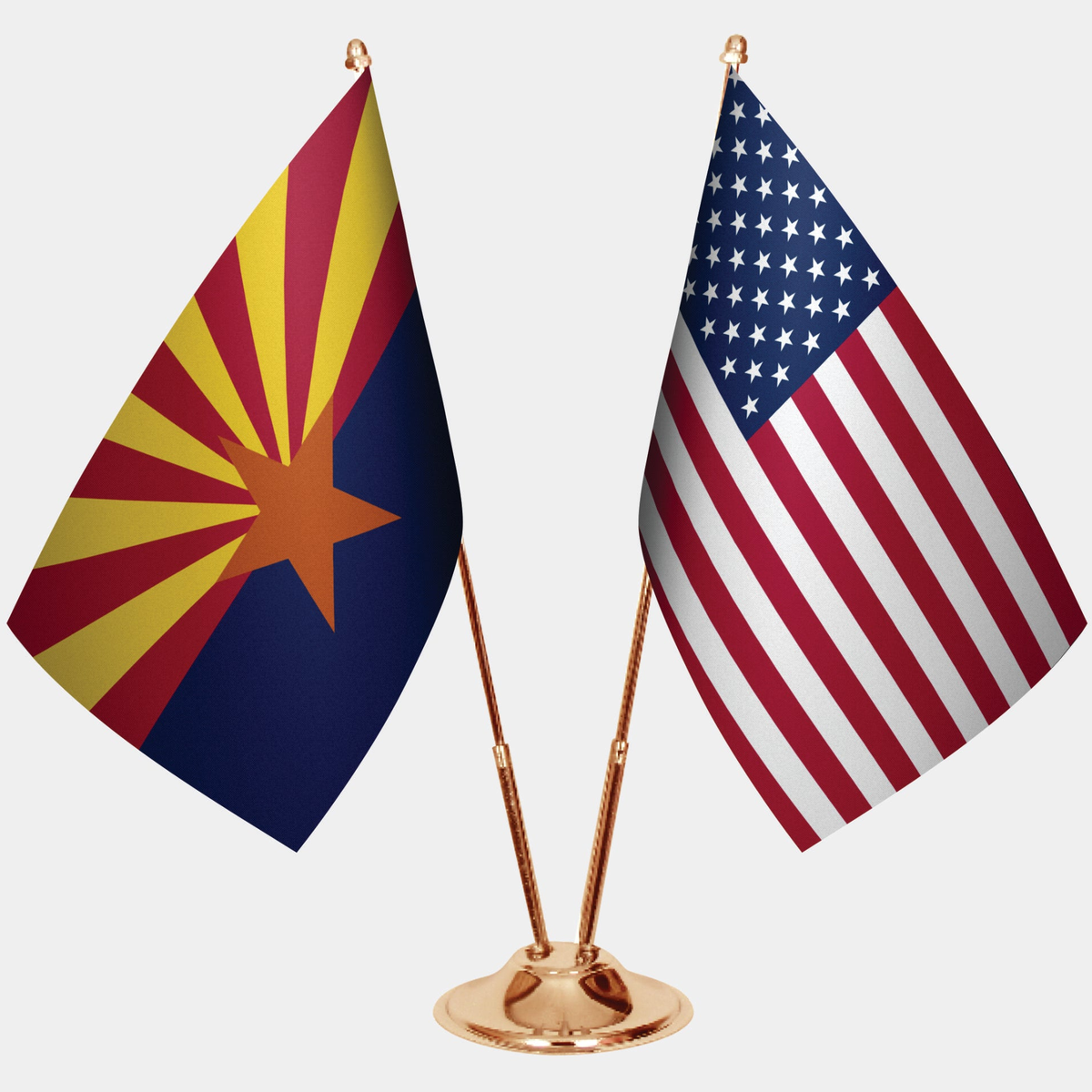
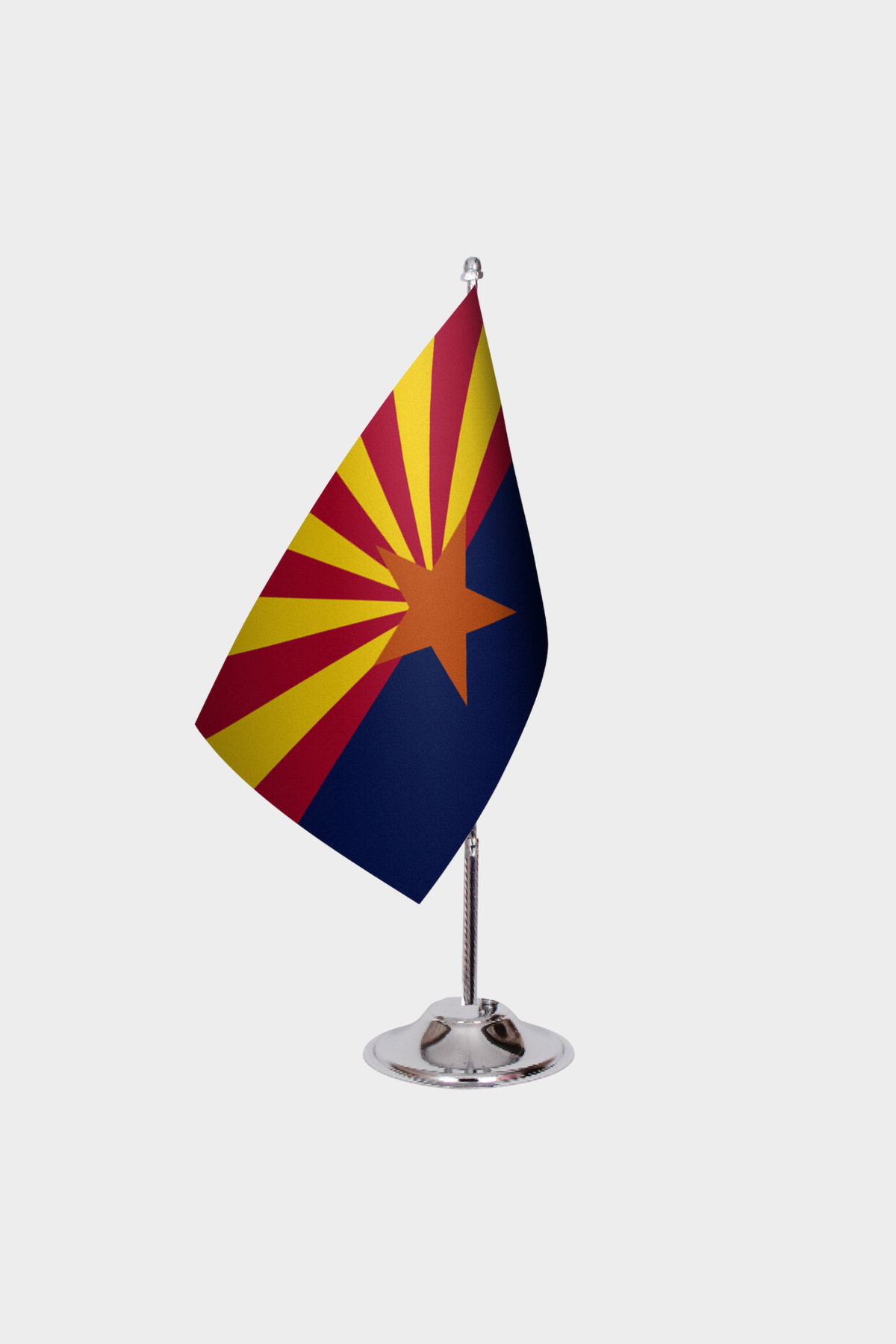
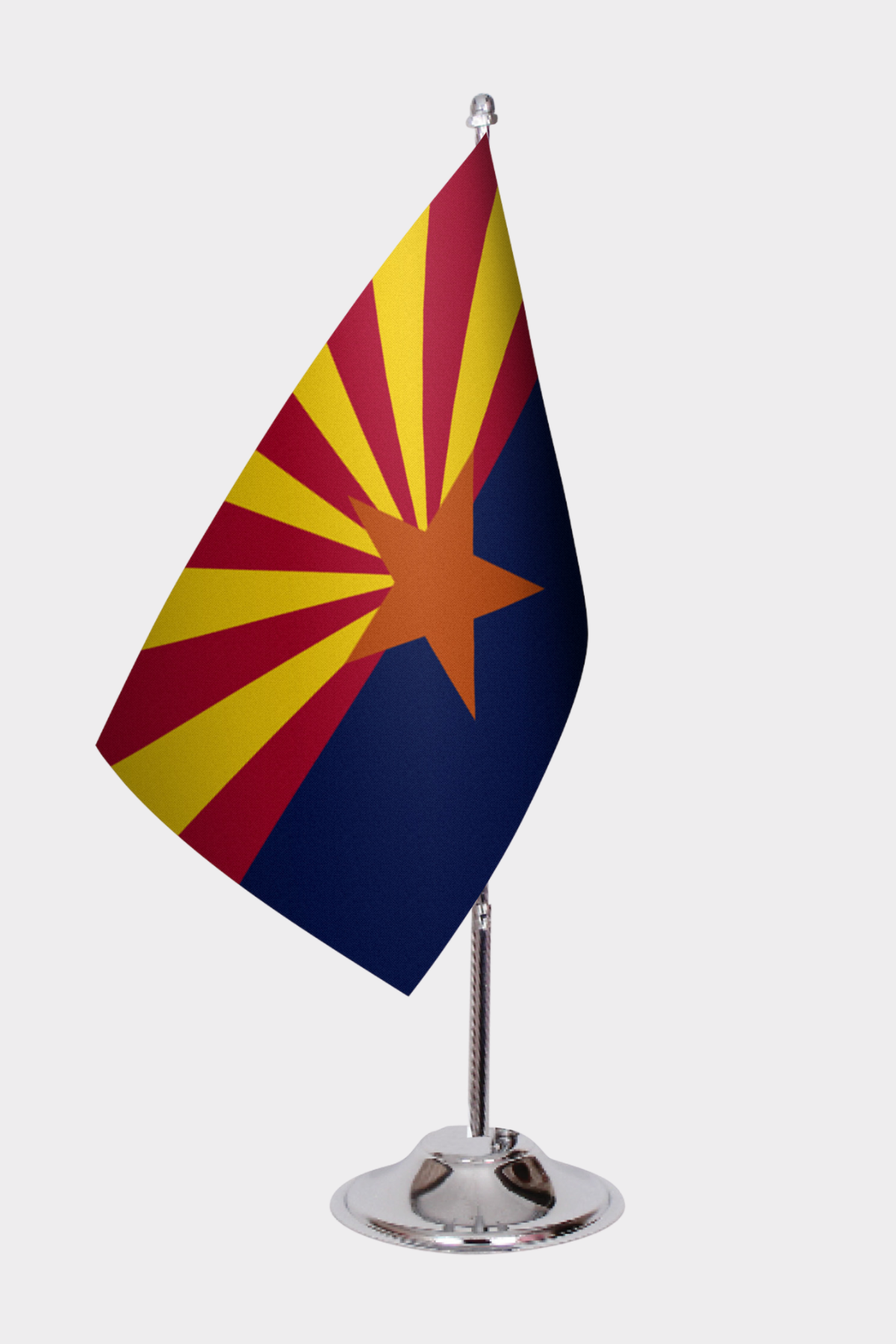
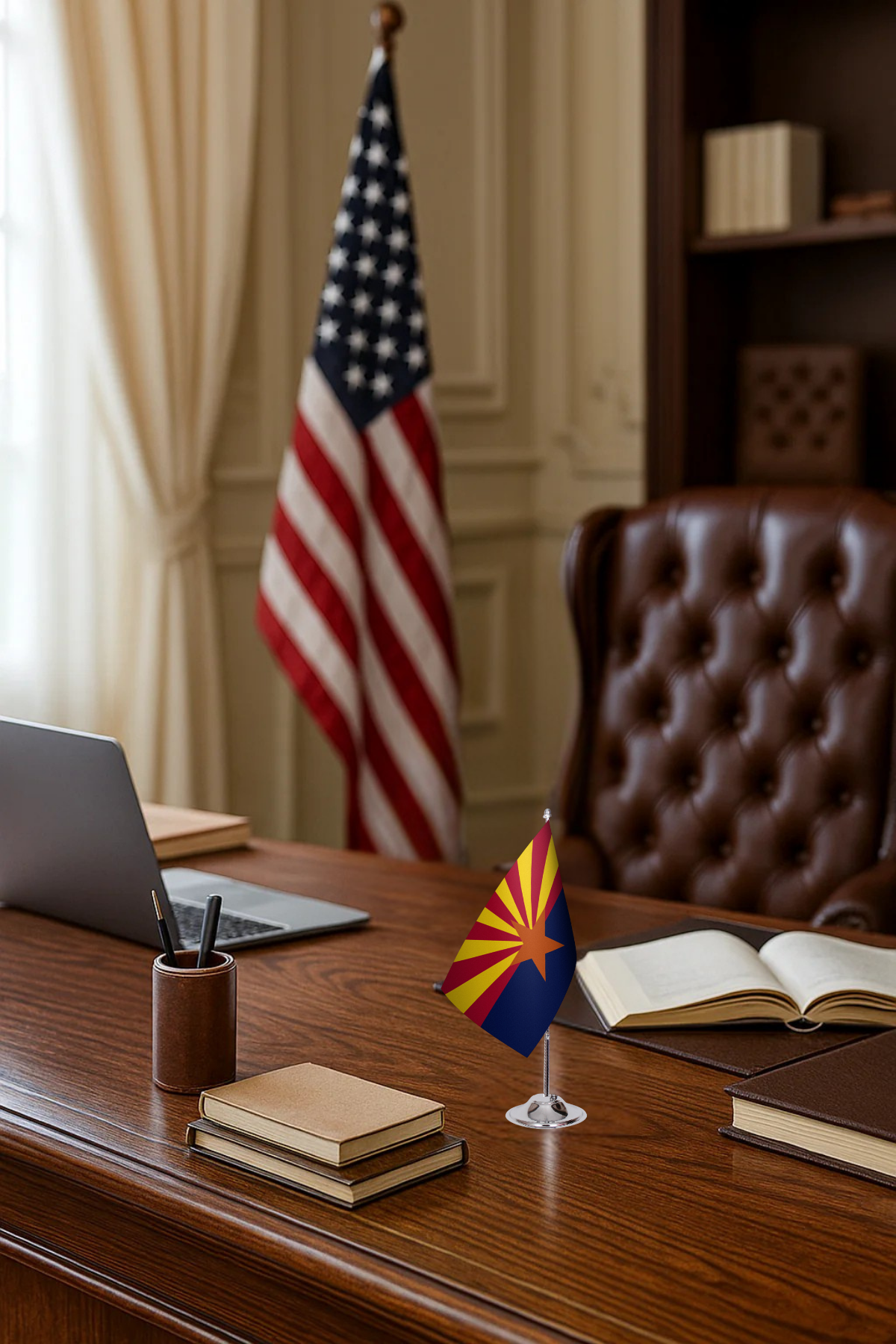
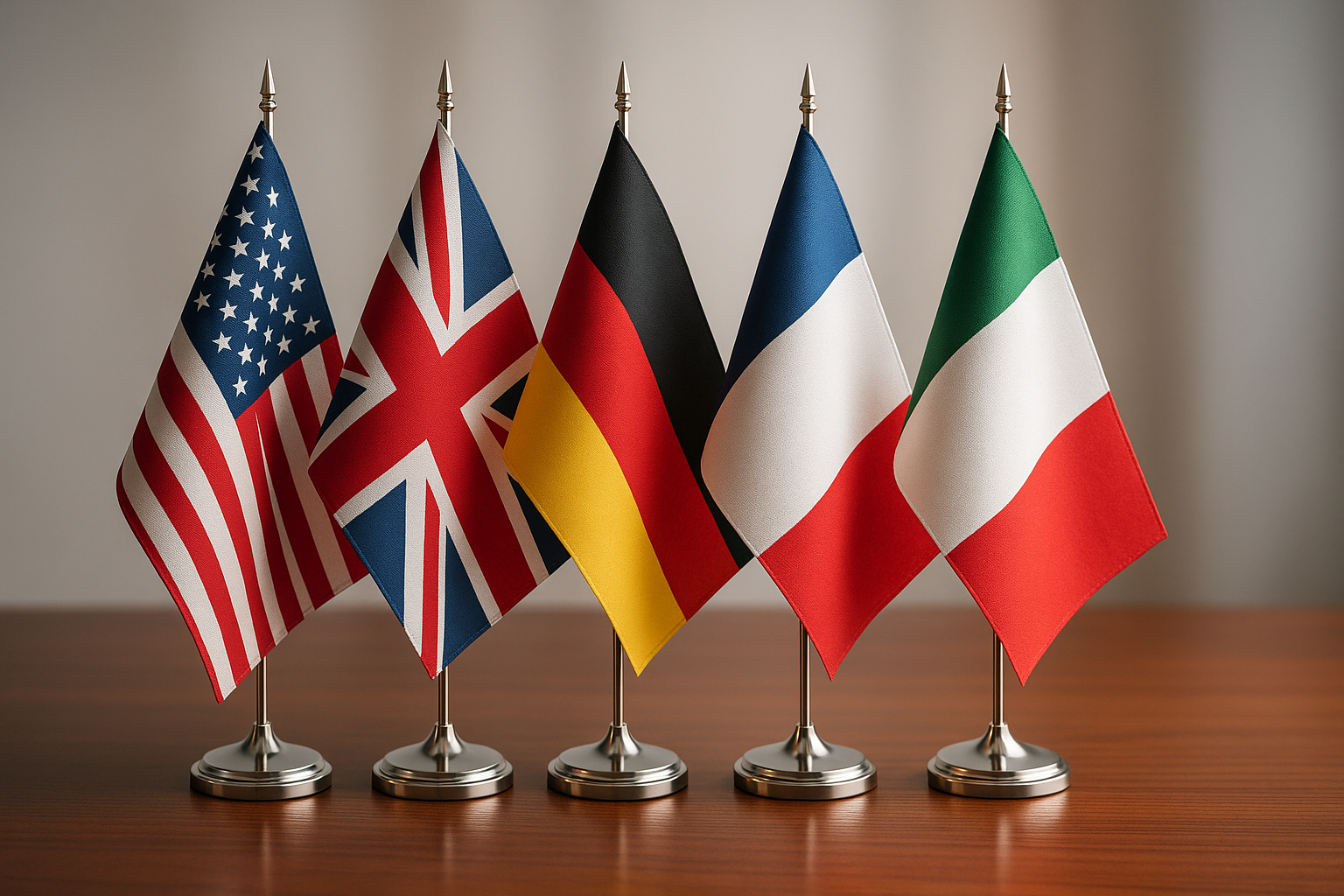
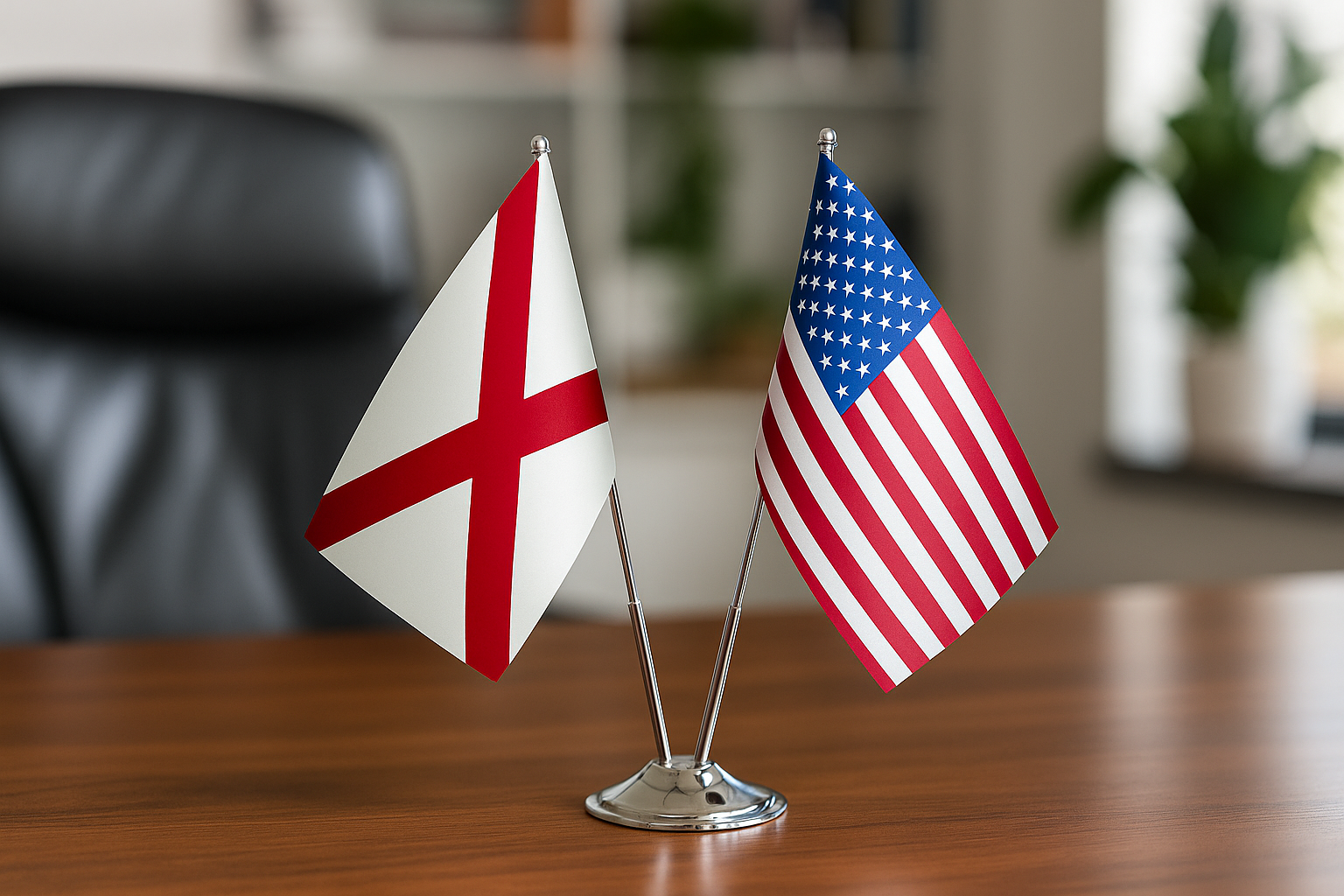
 For offices, reception desks, and meeting rooms where a full outdoor installation is not practical, a desktop pairing works beautifully — placing a Wales Desk Flag beside a Union Flag desk flag mirrors the outdoor order of precedence in miniature. Our Wales Desk Flag displays the iconic white and green horizontal halves with the red dragon design, mounted on a chrome metal pole with a weighted base available in Silver Chrome or Gold finish. The same rule applies at desk level: the Union Flag sits to the viewer's left, the Wales flag to the right. This kind of thoughtful detail is noticed by visitors and signals institutional respect for Welsh identity — particularly relevant for Welsh government offices, law firms with Welsh practices, and cultural organisations. Getting the desk arrangement right is just as important as the outdoor display, since it is often the first thing a visitor sees up close.
What You Should Never Do When Flying These Two Flags Together
The most common violation is inverting the order of precedence — placing the Wales flag above or to the right of the Union Flag in a two-flag display. This is not merely an aesthetic error; it signals either ignorance of protocol or, in some contexts, an intentional political statement that may cause offence in formal or civic settings. Other prohibited or strongly discouraged practices include: flying a soiled, torn, or faded flag of either nation (both should be replaced when visibly worn); allowing either flag to touch the ground or floor; using the Wales flag as a tablecloth, costume, or decoration that obscures or distorts the dragon motif; and flying the flags at night without illumination, which is considered disrespectful in formal contexts (though not illegal in the UK as it is under 4 USC § 6(a) for the US flag).
Printing the Welsh Dragon on disposable items — paper plates, single-use napkins, or promotional balloons — is widely regarded as disrespectful in Welsh cultural circles and should be avoided by institutions seeking to demonstrate genuine respect. The distinction between a decorative dragon motif and the national flag itself matters: using an accurate reproduction of Y Ddraig Goch (white and green field, full red dragon, no additional text or branding overlaid on the dragon) on disposable goods is the category to avoid. For events requiring handheld support rather than printed disposables, a Wales Handheld Flag crafted from 90gr Raschel polyester is the appropriate, durable choice that can be kept and reused.
Half-Staff and Ceremonial Occasions Involving the Wales Flag
In the UK, half-mast (known as "half-staff" in American usage) is ordered by the Sovereign or the Earl Marshal's office, and the protocol covers the Union Flag explicitly — the Wales flag follows the same instruction whenever it is flown alongside the Union Flag at an official site. When a half-mast order is issued, both flags should be lowered to a position approximately two-thirds of the way up the mast, leaving a visible gap at the top. Neither flag takes precedence in lowering: they are lowered together and raised together.
 Ceremonial occasions specific to Wales — St David's Day (1 March), the investiture of the Prince of Wales, Senedd Cymru (Welsh Parliament) sitting days, and major national sporting events — are appropriate times to fly the Wales flag with particular prominence. On St David's Day, Welsh institutions are encouraged to fly the Wales flag from all available poles; the Union Flag may also be present but the Wales flag appropriately takes centre stage at Welsh government buildings in Cardiff. For outdoor ceremonial display, an Outdoor Vertical Wales Flag engineered for high-traffic environments is the right choice for gas stations, hotel entrances, corporate campuses, and event venues — any setting where visibility and weather durability over 6 months to 2 years of outdoor exposure matter. When planning a half-mast display, ensure the hardware (cleats, halyards, and snap hooks) is in full working order so both flags can be raised and lowered simultaneously without one sticking — this is a common and embarrassing mechanical failure at public ceremonies. For more context on ceremonial flag protocol across different nations, our article on Flying the UN Flag on United Nations Day covers multi-flag order-of-precedence principles that apply equally to joint displays.
A Practical Checklist for Institutions Flying Both Flags
Before raising either flag, institutions should run through a short pre-display checklist to ensure full compliance with protocol and to avoid the most common errors. Here is a practical framework drawn from Flag Institute guidance and general UK ceremonial standards:
- Confirm flag condition: Both the Union Flag and Wales flag should be free of tears, fraying, staining, and significant fading. A flag that is visibly worn must be retired and replaced before any official display.
- Verify order of precedence: Union Flag to the right of the mast line (viewer's left) or highest on a single mast; Wales flag to the left (viewer's right) or below on a single mast.
- Check flag orientation: The Union Flag has a correct and incorrect way up — the broader white diagonal band should be uppermost on the side nearest the mast. The Wales flag dragon should face toward the mast (hoist side).
- Size consistency: Both flags should be of the same physical size when flown at equal height. Flying a noticeably larger Wales flag than the Union Flag (or vice versa) implies a ranking that may be unintended.
- Illumination after dark: If flags are to remain displayed overnight, illuminate them adequately. Solar-powered flagpole lights are a low-maintenance solution for permanent installations.
- Half-mast readiness: Confirm that halyards and cleats operate smoothly so both flags can be lowered simultaneously when instructed.
- Review any local authority guidance: Some Welsh local councils issue supplementary guidance for civic buildings — check with your local authority before major ceremonial events.
Institutions that review this checklist before St David's Day, national sporting fixtures, and state visits avoid the reputational embarrassment of a misaligned or tattered display. For organisations maintaining a consistent indoor presence alongside the outdoor display, our article on what size flag to fly at home covers the sizing principles that apply equally to office and institutional indoor displays for any national flag.

European Countries Flags
Display-ready flags for every European nation — including the Wales flag in outdoor vertical, desk, and handheld formats — built for institutions, events, and cultural organisations that demand lasting quality.
Browse Collection →FAQ
Does Wales have its own flag even though the Welsh Dragon is not on the Union Flag? +
Which pole should the Union Flag go on when flying it next to the Wales flag? +
What do the flags of England, Scotland, Wales, and Northern Ireland each look like? +
Should the Wales flag be lowered to half-staff on days of national mourning? +
Is it appropriate to fly the Wales flag on St David's Day even without a Union Flag? +
How long does an outdoor Wales flag typically last before needing replacement? +
Can I use the Wales flag at an indoor sports event or cultural parade? +
Whether you are outfitting a corporate entrance, a civic building, or a cultural event, choosing the right product and placing it correctly reflects genuine respect for Welsh identity and UK protocol. For outdoor permanent installations, the Outdoor Vertical Wales Flag is engineered for high-visibility, high-durability settings. For desktop and reception displays, the Wales Desk Flag on a chrome metal pole delivers a professional finish. For events and parades, the Wales Handheld Flag in 90gr Raschel polyester is the right reusable choice. Browse the full Country Flags collection for complementary national flags to complete any multi-flag display. Bulk pricing is available for corporate orders — contact us directly for institutional and government procurement enquiries.