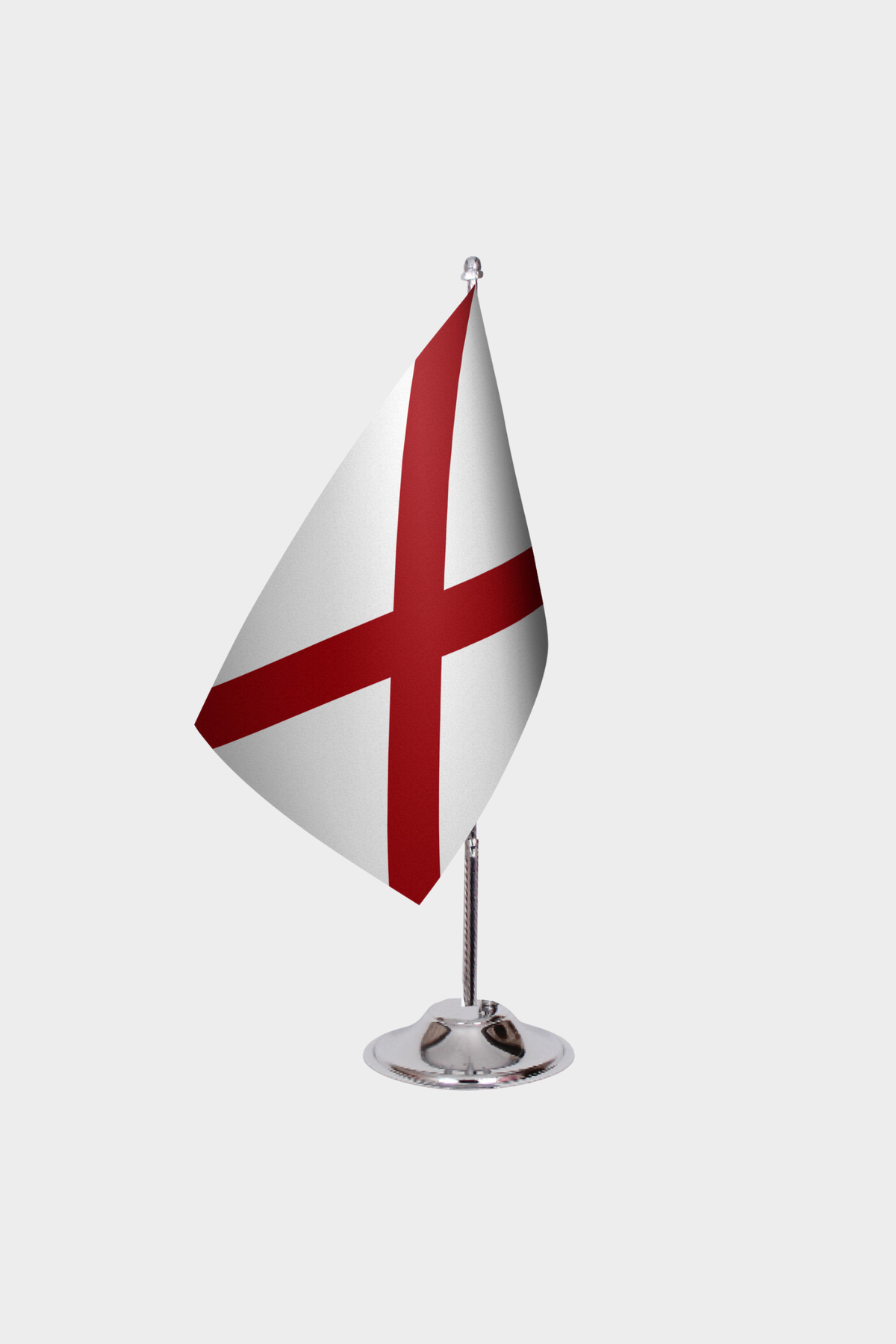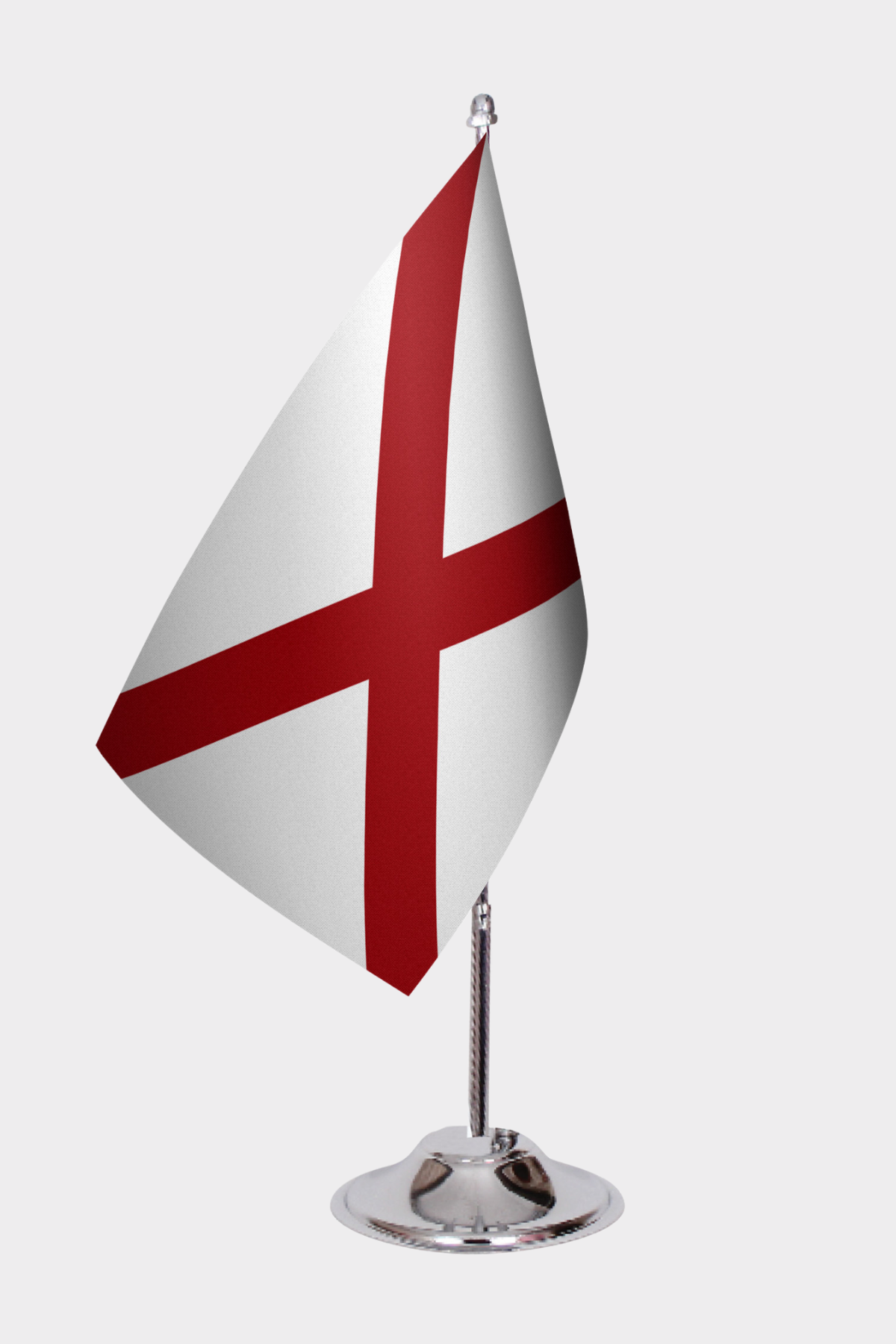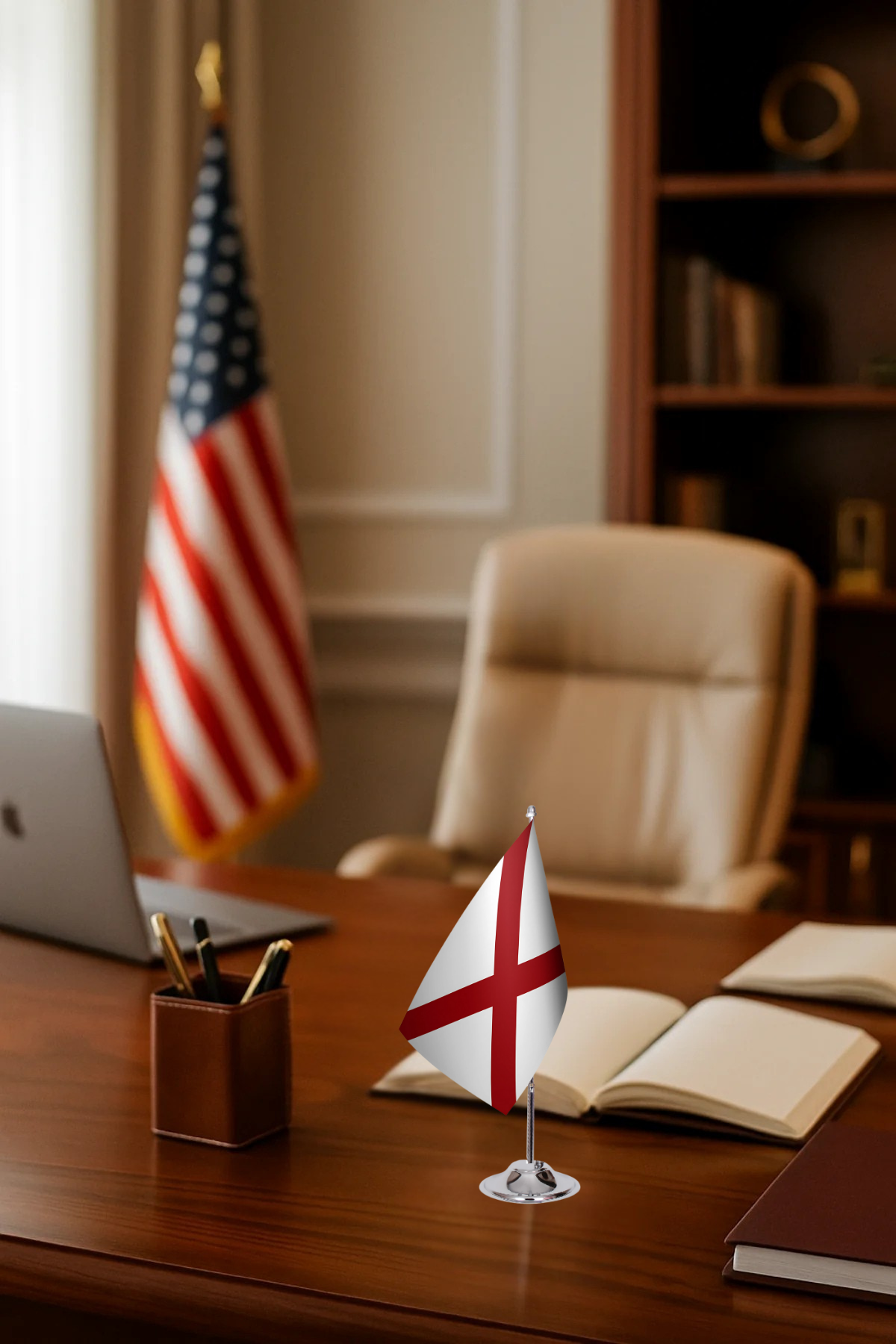
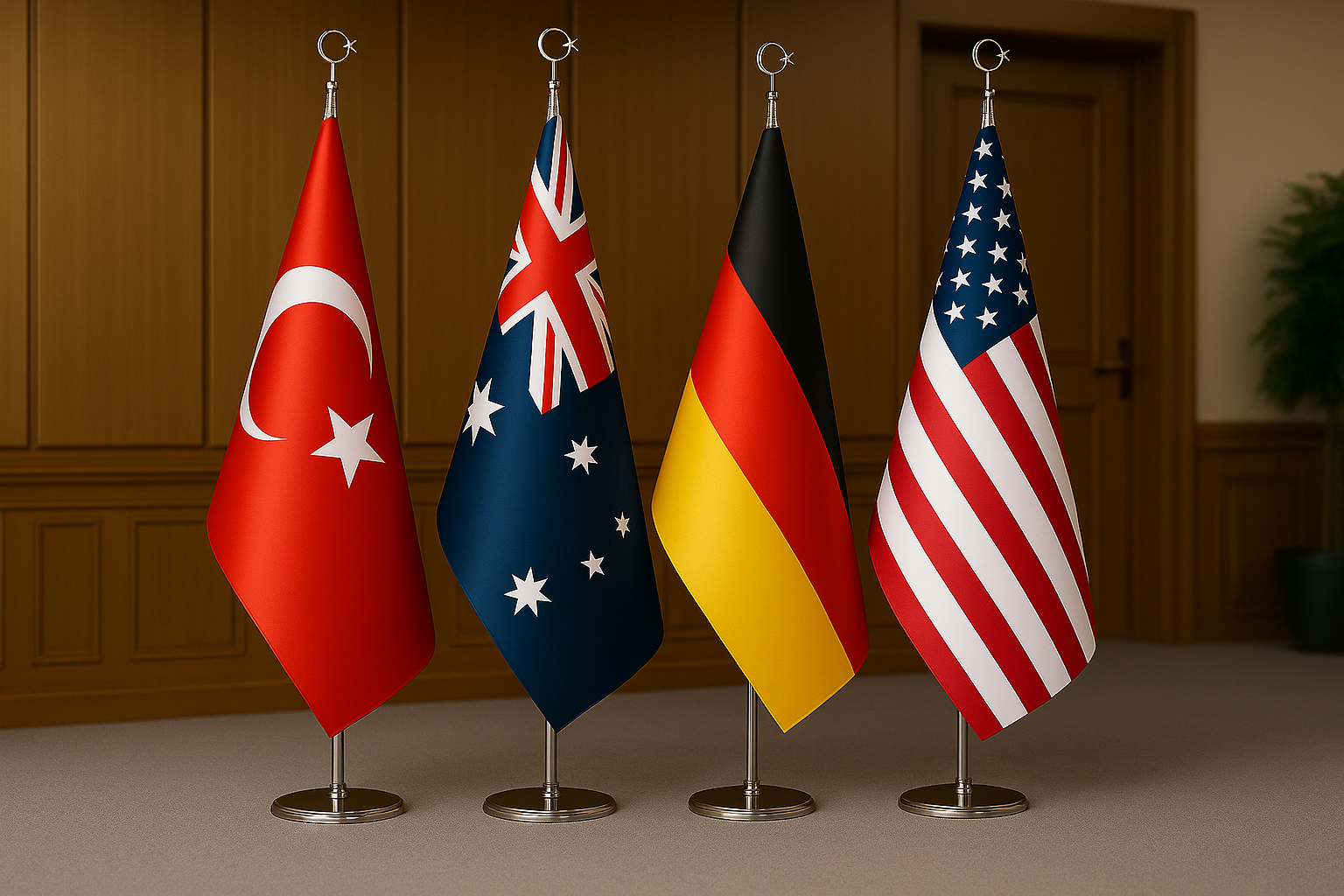
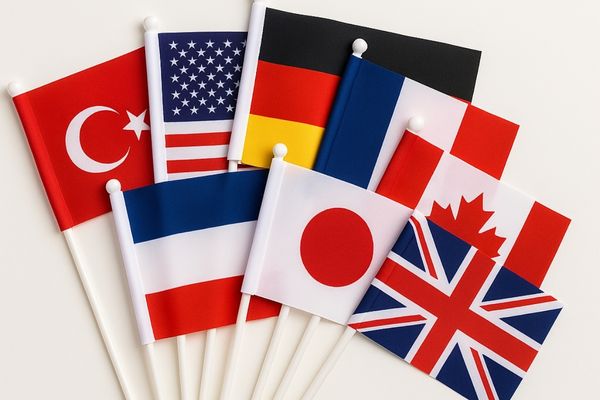
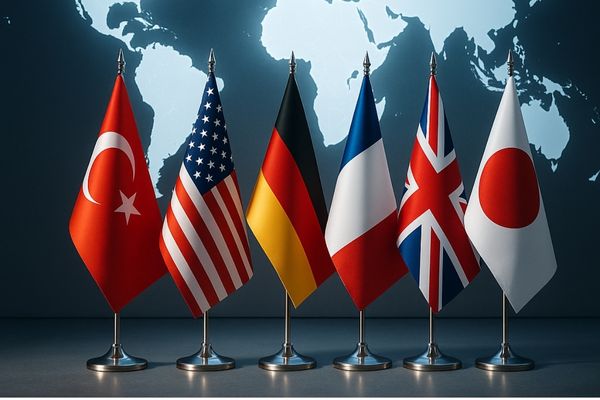

The best German flag for a car window or small pole is a handheld stick flag — typically 4 in × 6 in (10 cm × 15 cm) on a 10 in (25 cm) stick — designed to clip onto a window frame or slot into a small pole mount without any hardware. Browse the full Country Flags collection to see every Germany flag format available, from miniature handheld sizes up to full outdoor panels. Whether you are heading to a World Cup watch party, celebrating German Unity Day on October 3rd, or simply showing national pride at a community event, choosing the right format and quantity before you order saves time and avoids the frustration of flags that are too large, too fragile, or arrive too late.
Which German flag format actually works on a car or small pole?
For cars and small poles, the Germany Handheld Flag is the correct format — it is purpose-built for this use. Full-size outdoor panels (3 ft × 5 ft / 91 cm × 152 cm) are designed for ground poles or building mounts and create dangerous drag and visibility issues at driving speed. Handheld flags, by contrast, are sized at around 4 in × 6 in (10 cm × 15 cm) or 6 in × 9 in (15 cm × 23 cm), printed on lightweight polyester or poly-cotton, and attached to a 10–12 in (25–30 cm) wooden or plastic dowel that clips easily into a car window seal or a tabletop base.
Car window flags use a simple friction mechanism: you roll the window down a few inches, slide the stick into the gap between the glass and the door seal, and roll the window back up to grip it. This works reliably at low to moderate driving speeds — city parades, slow convoy routes, parking lot tailgates. For stationary display on a desk or office countertop, a Germany Desk Flag on a weighted base provides a more polished look without any improvised mounting. If you need a flag for a taller outdoor pole — say, a 6 ft (1.8 m) garden pole at a street-side event — check our separate guide on Germany flag size by pole height, which covers the correct panel dimensions for every standard pole height.
 The Germany Handheld Flag features the iconic horizontal black, red, and gold tricolor — the same color sequence specified in Article 22 of the German Basic Law (Grundgesetz). It is printed on lightweight woven polyester, which resists tearing even when the flag flutters at speed in an open car window. The dowel is smooth enough not to scratch window seals, and the flag itself measures in at a size that remains fully visible to onlookers without obstructing the driver's side mirror or rear visibility. If you have ever wondered what the three colors actually mean historically, the full story is covered in our article on German flag black red and gold history. For car use specifically, the lightweight construction is the critical specification — heavier materials create flutter noise and put stress on the window seal grip.
How many flags do you actually need for your event or vehicle convoy?
For a single car, two flags is the practical standard — one per side window — so the vehicle displays symmetrically from both directions. Most buyers underestimate quantity, especially for group events. A convoy of 10 cars needs a minimum of 20 flags, and ordering a few extras is always wise because sticks occasionally break in door mechanisms and flags can blow off at higher speeds if the window seal grip is loose.
For stationary setups — a tailgate tent, a community booth, or a heritage festival table — plan for one desk flag per table surface and one handheld flag per attendee if you want crowd participation. Events like soccer watch parties or Oktoberfest celebrations often see 50–100 handheld flags distributed to guests, which makes bulk ordering the most practical route. When buying for a single household or a small group of four to six cars, a pack of 12 is usually the sweet spot: enough for symmetric display on every vehicle with spares left over. Ordering in multiples also reduces per-unit shipping impact, which is worth factoring into your planning.
How to set up German flags on car windows and event poles without damaging anything
The correct car window installation is simple: lower the window 2–3 in (5–8 cm), insert the stick vertically into the gap between the glass and the outer door seal, and raise the window until it firmly grips the stick without cracking it. Done correctly, the flag should not wobble more than a few degrees at speeds up to roughly 25–30 mph (40–48 km/h) — the typical upper limit for parade and convoy use.
Never insert the stick between the inner felt strip and the glass itself, as this damages the weatherstripping and can trap the stick so tightly it snaps on removal. For small garden or event poles — typically 1/4 in (6 mm) diameter dowel receivers — the handheld flag stick fits without an adapter. If you are using a mounted pole stand (the type that bolts to a balcony railing or stakes into soil), a 12 in (30 cm) stick flag sits proportionally on poles up to about 3 ft (91 cm). For anything taller, you need a proper sleeved panel flag rather than a stick flag — again, the Germany flag size by pole height guide covers that transition in detail.
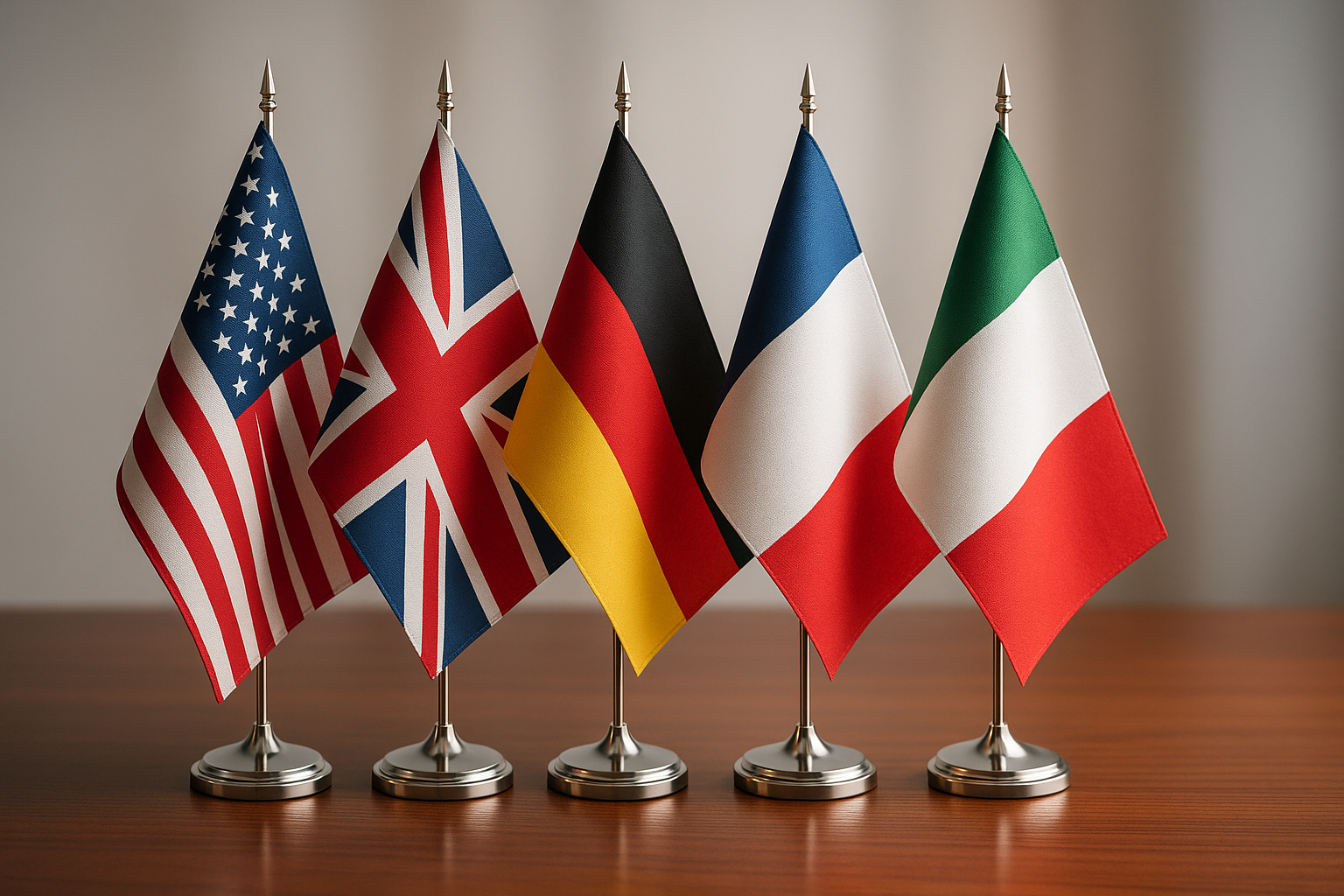
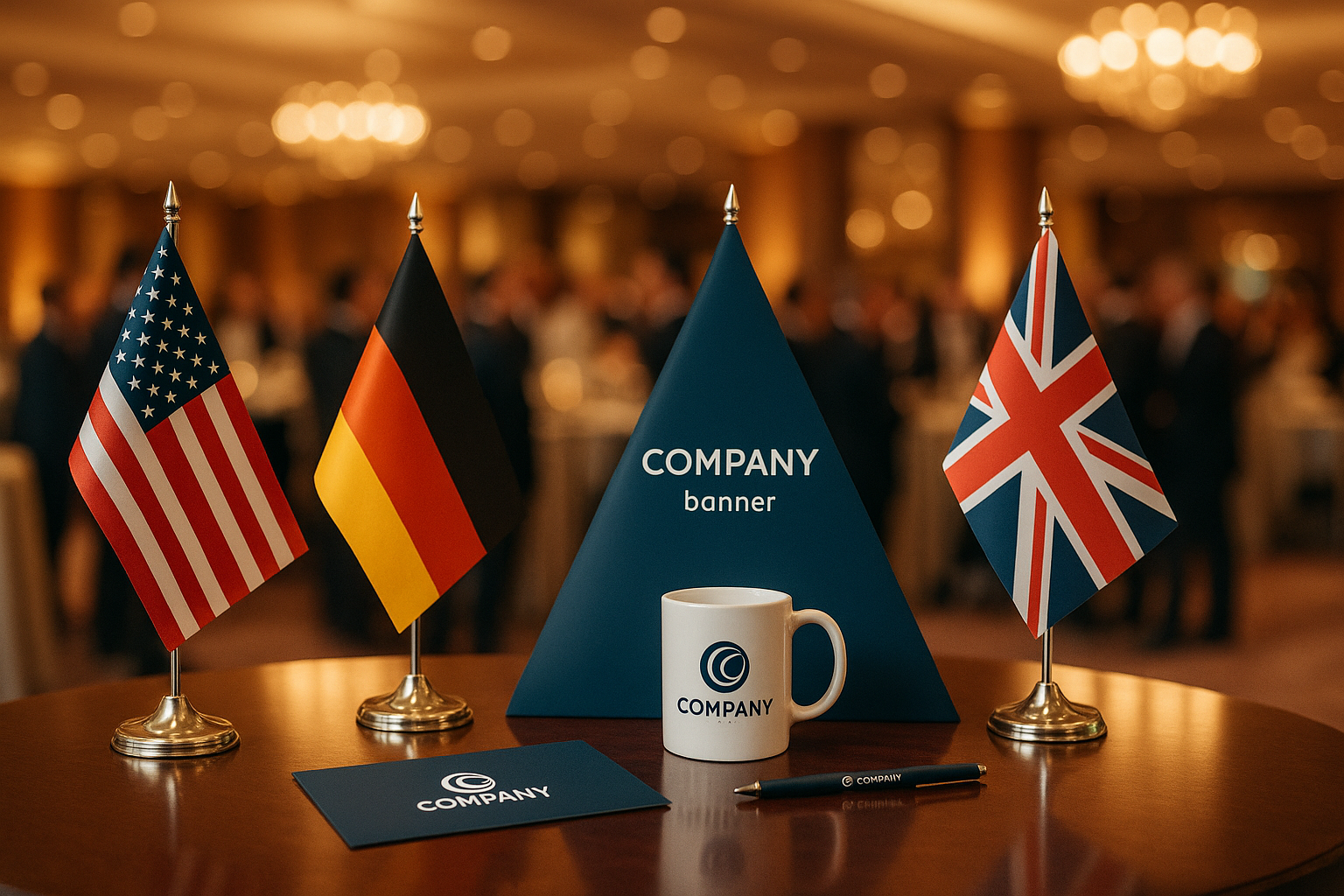
 For indoor event setups — a reception table at a German-American cultural event, a corporate desk during an international trade meeting, or a school display — the Germany Desk Flag is the most professional presentation option. It comes mounted on a weighted base that prevents tipping, and the flag panel is typically 4 in × 6 in (10 cm × 15 cm), exactly matching the standard diplomatic desk flag format recognized by the International Federation of Vexillological Associations (FIAV). The base keeps the flag upright without tape or improvised stands, and the satin-finish fabric holds color well under indoor lighting. Placing one desk flag at each seat or station creates a consistent, polished look that loose stick flags cannot replicate at close range. For larger outdoor events where you also need a full panel on a garden pole, the Germany Outdoor Flag is the appropriate companion purchase.
What drives the cost of car flags and small pole flags — and how to budget smartly
The main cost factors for handheld and small pole flags are fabric weight, print method, and quantity. Single-piece orders cost more per flag than bulk packs — the per-unit cost drops noticeably as quantity increases, which is why group organizers almost always save money by consolidating orders rather than letting each household buy separately.
Fabric choice affects both cost and durability. Lightweight knitted polyester — the standard for handheld flags — is the most affordable and works well for single-event use. Heavier woven polyester with UV-resistant ink costs more but is worth it if the flags will be reused across multiple events over a season. Stick quality also varies: thicker wooden dowels or plastic rods cost slightly more but resist snapping in door seals, which matters if you plan to reuse flags across multiple events. For desk flags, the base material (plastic versus metal) is the primary cost differentiator. If you are ordering for a corporate event or cultural organization and need 50 or more units, bulk pricing is available — see the conclusion for how to reach out. For context on how other country flag formats are priced and sized, the Portugal flag prices and pole options guide and the Greece flag prices and size options guide offer useful comparison benchmarks across similar European formats.

Handheld Country Flags
The complete range of stick flags sized for car windows, small poles, and event handheld use — including the Germany Handheld Flag and dozens of other nations.
Browse Collection →When should you place your order to guarantee the flags arrive in time?
Order at least 10–14 days before your event for standard shipping, and 3–5 days before if you are using expedited options. The closer you get to a major sporting or national event — FIFA World Cup qualifying matches, European Championship group stages, German Unity Day on October 3rd — the more demand spikes and the less margin for error you have.
Events with predictable demand spikes follow a clear calendar. Soccer tournament windows (typically June–July for major tournaments) see the highest surge in Germany car flag orders, and stock of popular pack sizes can deplete quickly. If your event is tied to a specific match date, back-calculate from the match day: assume 2–3 business days for processing, add your shipping window, and place the order at least a week before that combined deadline. For recurring annual events like Oktoberfest (late September to early October) or German-American Heritage Day (October 6th), placing a standing bulk order well in advance — even 4–6 weeks out — lets you avoid rush shipping costs entirely. Corporate buyers ordering for international trade shows or bilateral meetings should allow additional time for custom quantity fulfillment.
Can I use a German flag on my car while driving on a US highway? +
What size German flag fits a standard car window? +
Will a handheld flag stick damage my car window seal? +
What is the right German flag pole size for a garden or driveway? +
How long will a Germany car flag last if I reuse it across multiple events? +
Is the Germany flag design the same as the Belgian flag? +
Can I order German car flags in bulk for a club or sports organization? +
For any event involving German flags on cars or small poles, the Germany Handheld Flag is the right starting point — sized correctly, mounted easily, and built for the repeated use that event seasons demand. Pair it with a Germany Desk Flag for your indoor table or reception display, and if your setup includes a taller outdoor pole, the Germany Outdoor Flag completes the package. Browse the full Handheld Country Flags collection to compare Germany alongside every other nation in the same format. Bulk pricing is available for corporate orders, sports clubs, and cultural organizations — reach out directly for a quote on 50 or more units.