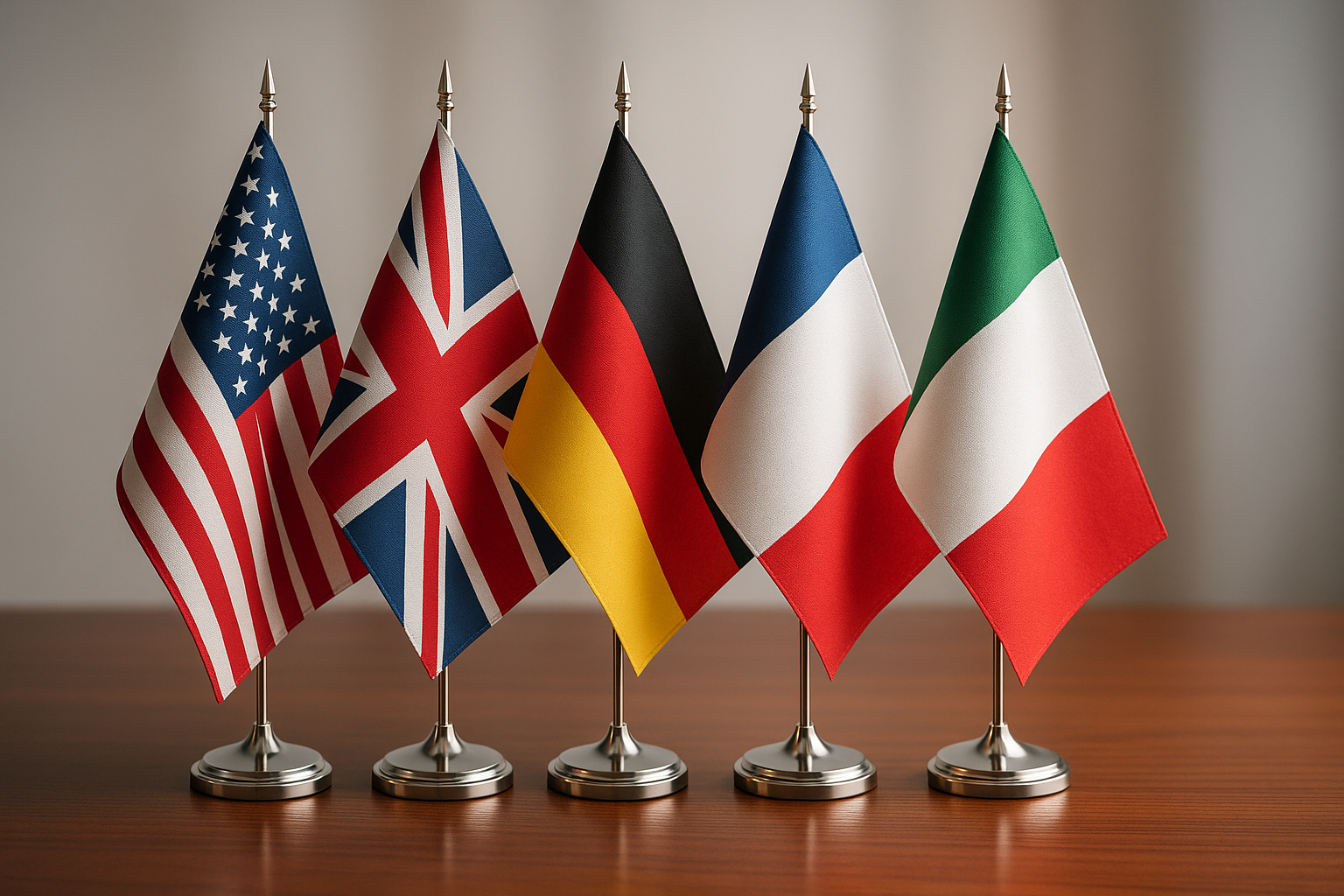
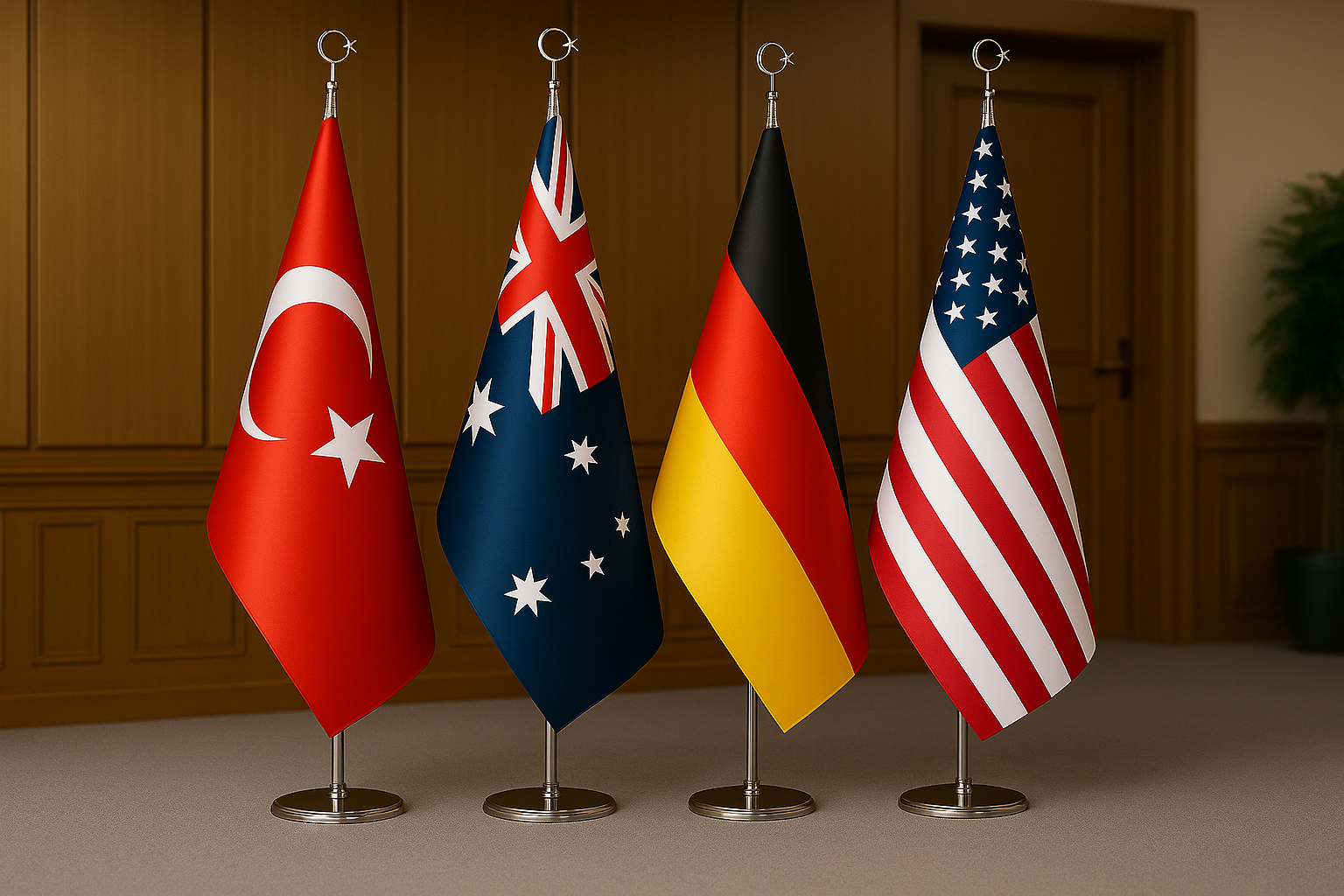
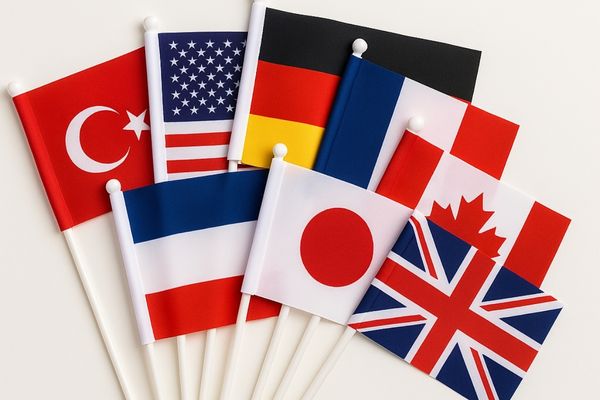

Bunting flags are decorative flag strings or panels used to mark celebrations, sporting events, storefronts, and diplomatic venues — and hanging them correctly takes nothing more than a cord, two anchor points, and a basic understanding of spacing and tension. Whether you're dressing a stadium grandstand in national colors or lining a festival street with triangular pennants, bunting flags deliver instant visual impact at a fraction of the cost of pole-mounted flags. From international summits to neighborhood block parties, few decorative elements communicate festivity and national pride as efficiently as a well-hung string of bunting.
This guide covers every practical dimension of bunting flag use: the different formats available, where and how they're deployed, the hardware you'll need, hanging techniques that keep them taut and safe, and how to select the right bunting for your specific venue or event. For a broad starting point, browse the Country Bunting Flags collection at Asya Bayrak, which covers both triangular and rectangular formats in dozens of national configurations.
What Are Bunting Flags and How Do They Differ From Standard Flags?
Bunting flags are a category of decorative flag designed for string-mounting rather than pole-mounting, typically produced in continuous runs that can span anywhere from 10 ft (3 m) to over 100 ft (30 m) in a single length. Unlike a standard fly flag — which is mounted on a vertical or horizontal pole and follows strict proportional rules under codes like the US Flag Code (4 USC §§ 1-10) or FIAV standards — bunting flags prioritize visual coverage, color density, and ease of installation across horizontal or diagonal spans.
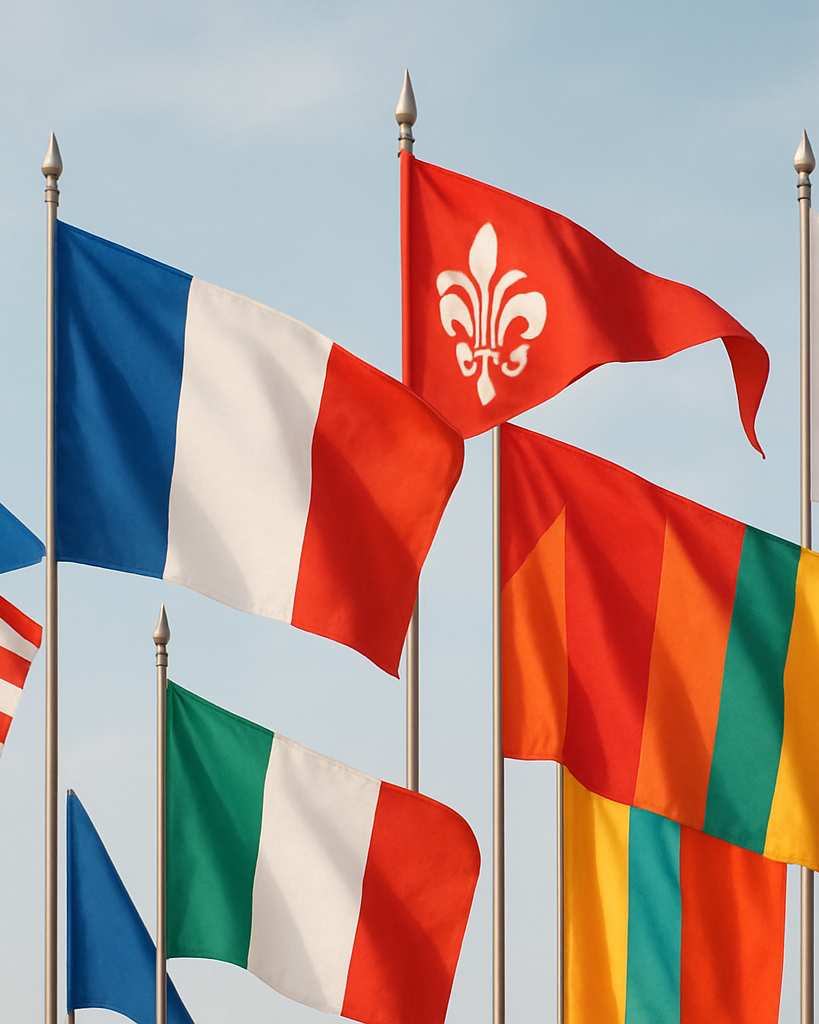
The term "bunting" historically referred to the loosely woven wool fabric (buntin) used to make flags for Royal Navy vessels; today it broadly describes any flag or decorative cloth strung in series. Modern bunting flags fall into two main categories: triangular pennant bunting (the classic pointed pennant string familiar from used-car lots and school gymnasiums) and rectangular bunting (full miniature national flags or solid-color panels hung in sequence). Rectangular country bunting is the format most often required for diplomatic events, international sporting competitions, and formal venue dressing, because it preserves the proportions and design integrity of each nation's flag.
Common Uses for Bunting Flags
Bunting flags are used across an exceptionally wide range of settings — from intimate backyard parties to major international events — because they offer high visual coverage without requiring permanent installation hardware. Their flexibility makes them one of the most versatile decorative tools available to event planners, venue managers, retailers, and institutions.
- Sporting events and stadiums: International tournaments such as the FIFA World Cup, the Olympics, and regional championships routinely use rectangular country bunting to line the perimeters of playing fields, dress grandstand fascias, and mark athlete villages. A single 50 ft (15 m) run can represent 20 or more nations simultaneously.
- Festivals and street fairs: Municipal festivals, cultural celebrations, and neighborhood fairs use triangular or rectangular bunting to define boundaries, guide foot traffic, and create a festive atmosphere along pathways and vendor rows.
- Retail and commercial storefronts: Car dealerships, restaurants, retail shops, and real estate open houses use bunting to attract attention from passing traffic. For more on that application, see our guide on open house and real estate event flags.
- Schools and universities: Athletic departments and booster clubs use spirit bunting in school colors for home games, pep rallies, and graduation ceremonies. Our detailed school spirit bunting bulk buying guide covers everything PTAs and athletic directors need to know.
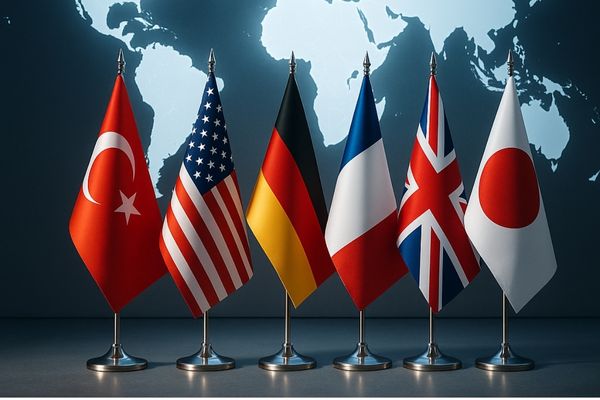
- Diplomatic and government events: Embassies, consulates, and intergovernmental meetings use country bunting to display the flags of participating nations in a compact, space-efficient format.
- Political campaigns: Campaign events use patriotic bunting to reinforce brand identity and signal organized civic engagement at rallies and canvassing offices.
- Citizenship ceremonies: Naturalization events frequently use US and international bunting to honor new citizens' countries of origin alongside the American flag.
Rectangular vs. Triangular Bunting: Choosing the Right Format
The right bunting flag format depends on whether your event demands recognizable national symbols or simply decorative color — rectangular bunting preserves flag identity, while triangular pennant bunting prioritizes visual energy and cost efficiency. Both have legitimate, distinct roles, and understanding the difference will save you from ordering the wrong format for a formal occasion.
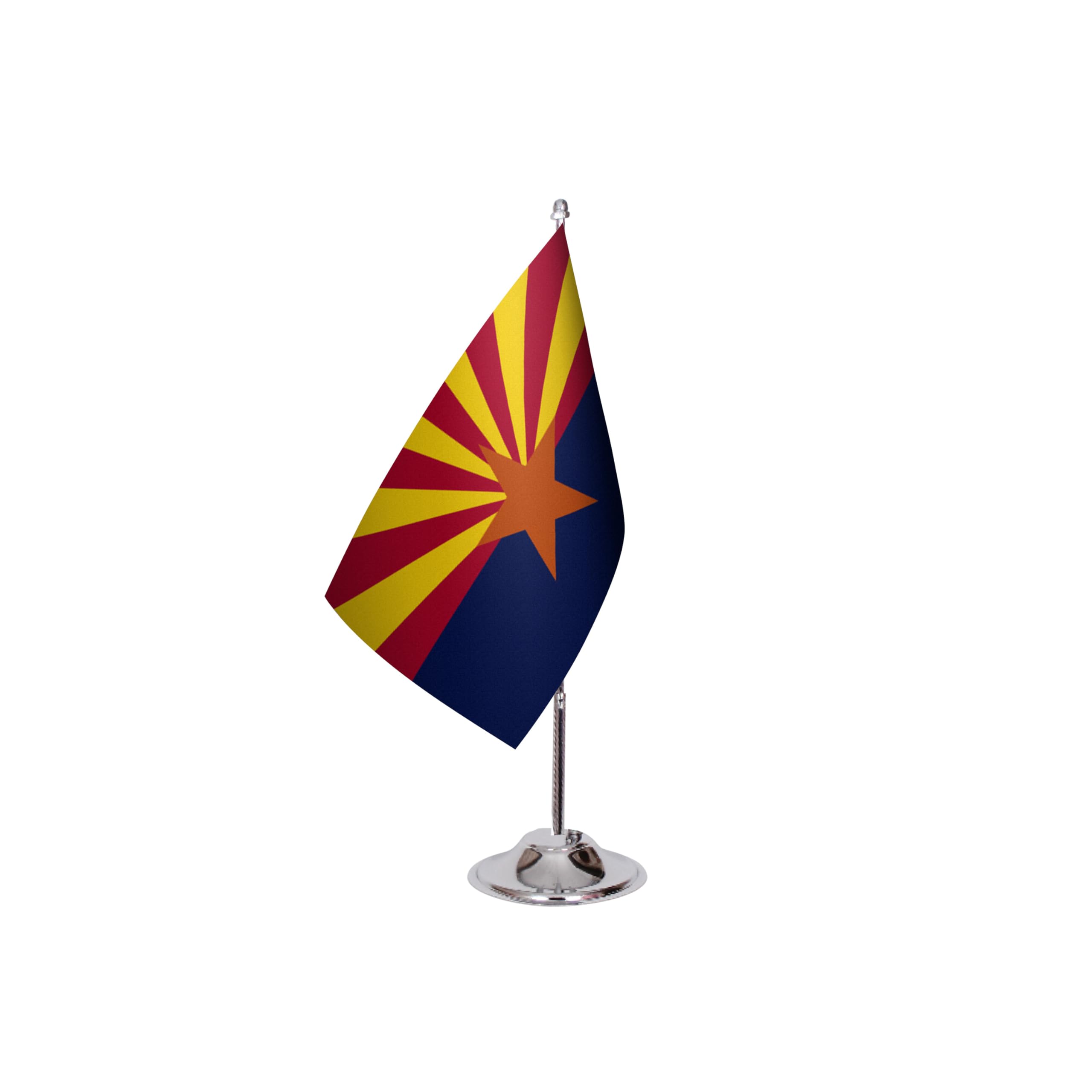
 Rectangular country bunting is the gold standard for any event where national identity must be clearly legible to attendees and cameras. Each panel in a rectangular bunting run reproduces the full design of a nation's flag — correct proportions, correct colors, and correct symbols — which is why FIAV-aligned events and broadcast-heavy competitions insist on this format over triangular alternatives. A typical rectangular bunting panel measures approximately 6 in × 9 in (15 cm × 22 cm) to 8 in × 12 in (20 cm × 30 cm), sized to be identifiable from 15–30 ft (4.5–9 m) away. The 3 Hilal Rectangular Flag Bunting is a strong example of this format, featuring crisp printing and reinforced header construction that holds its shape through multi-day outdoor installations. For venue managers dressing press conference backdrops or competition corridors, rectangular bunting eliminates the ambiguity that triangular pennants introduce when national identification matters.
Triangular pennant bunting, by contrast, works best for high-energy, color-forward environments where the mood matters more than flag accuracy: school gymnasiums, retail promotions, carnival midways, and festival perimeters. Triangular pennants are lighter, often less expensive per foot, and tolerate higher wind loads because their pointed shape reduces drag. If your event involves multiple countries but does not require strict flag accuracy — a casual international food festival, for example — triangular country-color bunting in approximate national colors can still evoke the right spirit at lower cost. However, for any formal diplomatic, governmental, or broadcast event, rectangular is non-negotiable.
How to Hang Bunting Flags Correctly
Bunting flags should be hung on a taut, level cord anchored securely at both ends, with enough tension to prevent midline sag but enough slack to allow slight movement in wind — approximately 5–10% extra length beyond the measured span is the standard allowance. Getting the installation right on the first attempt saves significant labor on event day, and a few simple principles cover the vast majority of situations.
Step 1 — Measure and plan your span. Measure the distance between your two anchor points. For a straight horizontal run, your cord should be approximately 5–10% longer than the span to accommodate catenary sag and knot allowances. For a diagonal or festoon (swag) installation, add 15–25% extra to account for the curves between anchor points.
Step 2 — Select appropriate anchor hardware. Indoors, cup hooks, screw eyes, or adhesive anchor strips rated for at least twice the bunting weight are sufficient. Outdoors, use galvanized screw eyes, gate hooks, or carabiner-and-anchor-point systems rated for wind load. For permanent or semi-permanent outdoor installations spanning more than 20 ft (6 m), consider stainless steel cable with adjustable tensioners rather than rope or twine.
Step 3 — Run the cord before attaching bunting. Fix the cord or cable first, then thread the bunting onto it or clip it with flag rings/carabiners. This approach is far easier than trying to tension a cord already loaded with bunting weight.
Step 4 — Space flags evenly. Most factory-produced bunting arrives pre-spaced, but if you're assembling a custom run, maintain consistent gaps between panels — typically 1–2 in (2.5–5 cm) for a full, dense look, or 4–6 in (10–15 cm) for a lighter, airier presentation. Consistent spacing reads as professional; uneven gaps are immediately visible in photographs and broadcast footage.
Step 5 — Tension and secure. After hanging, adjust tension so the midpoint of the run sags no more than 6–8 in (15–20 cm) below a true horizontal for spans up to 30 ft (9 m). Greater sag on longer runs is acceptable if the aesthetic is intentional (e.g., festoon draping), but structural sag from inadequate tension looks unintentional and can cause bunting to contact the ground in wind.
Outdoor Durability and Material Considerations
For outdoor installations, bunting flags made from 100% polyester with UV-stabilized inks are the standard choice, offering approximately 6 months to 2 years of serviceable outdoor life depending on sun exposure, wind frequency, and rainfall. Material selection is often the single most important purchasing decision for outdoor bunting, because a flag that fades to muddy pastels within weeks undermines the investment entirely.
Polyester knitted fabric — the same base material used in most professional outdoor pole flags — provides the best combination of colorfastness, weight, and durability for bunting applications. It is approximately 80% UV resistant when produced with quality stabilized inks, resists mildew in high-humidity environments, and dries quickly after rain. Woven polyester is slightly more durable but heavier and less commonly used for long bunting runs because the cumulative weight stresses anchor points. Nylon bunting is an excellent alternative in coastal or high-wind environments: it is lighter than polyester, highly colorfast, and approximately 15–20% stronger by tensile rating, though it costs more per foot.
For indoor applications — conference halls, school gymnasiums, hotel ballrooms — material durability is less critical, and lighter-weight polyester or even fabric-quality print materials are entirely adequate. The key indoor consideration is flame retardancy: many venues and building codes (particularly NFPA 701 in the United States) require that decorative fabrics including bunting meet flame-spread standards. Always confirm venue requirements before purchasing indoor bunting.
Rectangular Country Bunting Flags
Full-panel national flag bunting in rectangular format — ideal for diplomatic events, international competitions, and any venue where country identification must be precise and camera-ready.
Browse Collection →Ordering Bunting Flags in Bulk: What to Know
Bulk bunting orders for events, institutions, and commercial venues typically start at runs of 50 ft (15 m) or more, and ordering at that scale requires attention to lead times, color consistency, and packaging format. Getting these details right ensures your bunting arrives ready to hang rather than requiring sorting, repackaging, or emergency last-minute reorders.
For large international events, the country sequence in a bunting run is an important logistical consideration. Nations are often arranged alphabetically by the host country's official language, by geographic region, or in a repeating pattern that cycles through a representative set. Clarifying the sequence before production — and confirming it in writing with your supplier — prevents costly reproductions. Asya Bayrak's Country Bunting Flags collection includes configurable runs suitable for both standard and custom sequences.
Lead times for custom bunting typically range from 5 to 15 business days for standard country configurations and 10 to 25 business days for fully custom designs. Plan for a minimum 30-day buffer before your event if ordering internationally, and request a digital proof of the flag sequence and panel layout before approving production. For guidance on using country bunting effectively across different venue types, the article on country bunting for events and venues provides detailed venue-specific recommendations.
Storage, Maintenance, and Reuse
Properly stored bunting flags can be reused across multiple events and seasons, making them a genuinely cost-effective decorative investment rather than a single-use expenditure. The key enemies of bunting longevity are moisture, UV exposure during storage, and tangling — all of which are preventable with minimal effort.
After each use, allow bunting to air-dry completely before storage — folding or rolling damp bunting creates mildew within 48 hours, permanently damaging fabric and inks. Once dry, roll the bunting onto a cardboard tube (the same tubes used for wrapping paper work well for runs up to 30 ft / 9 m) rather than folding it, which creates permanent creases at fold lines that show under tension. Store rolled bunting in a cool, dark location away from direct sunlight; UV exposure during storage degrades inks even without wind or rain exposure. Label each roll clearly with the country sequence, run length, and event date so future installations require no guesswork. For outdoor polyester bunting, a light application of UV protectant spray before storage can extend colorfastness by an additional 20–30% across the flag's service life.
Frequently Asked Questions
What is the difference between triangular and rectangular bunting flags? +
How long do outdoor bunting flags typically last? +
How much tension should a bunting flag string have when hung? +
Do bunting flags need to comply with the US Flag Code? +
What hardware do I need to hang bunting flags outdoors? +
Can bunting flags be used indoors, and are there fire safety requirements? +
How should I store bunting flags between events to extend their lifespan? +
How do I determine the correct country sequence for international event bunting? +
Bunting flags are one of the most practical decorating investments available to event planners, venue managers, schools, and retailers — when chosen in the right format and hung correctly, they transform a space in minutes and last for years with proper care. For your next international event or venue installation, explore the full Rectangular Country Bunting Flags collection for camera-ready national flag panels, or browse the wider Country Bunting Flags collection for a broader range of formats and configurations. The 3 Hilal Rectangular Flag Bunting is a particularly reliable choice for multi-day outdoor installations where structural integrity matters as much as visual quality. Bulk pricing is available for corporate, institutional, and government orders — contact Asya Bayrak directly to discuss volume pricing, custom sequences, and lead times for your specific project.