









American flags for city hall, county courthouses, and municipal buildings must meet specific size, material, and display standards to comply with the US Flag Code (4 USC §§ 1–10) and reflect the dignity of public institutions. Whether you are a facilities manager ordering a single replacement flag or a procurement officer sourcing wholesale flags for local government across an entire county system, this guide covers everything you need — from correct flag dimensions and pole heights to bulk purchasing protocols and interior display etiquette.
US Flag Sizing Standards for Government Buildings: What the Flag Code Requires
The US Flag Code does not prescribe exact flag sizes for every scenario, but established federal and municipal practice sets clear proportional benchmarks that local government procurement teams should follow. For outdoor flagpoles at municipal buildings, the most widely accepted rule is that flag length should equal approximately one-quarter to one-third of the pole height — so a 30 ft (9.1 m) pole typically flies a 5 ft × 8 ft (1.5 m × 2.4 m) flag, while a 60 ft (18.3 m) pole calls for a 10 ft × 15 ft (3 m × 4.6 m) flag.
For county courthouse flagpoles, which commonly range from 40 ft to 80 ft (12.2 m to 24.4 m), the standard commercial sizes most frequently specified in government procurement documents are 6 ft × 10 ft (1.8 m × 3 m) and 8 ft × 12 ft (2.4 m × 3.7 m). These dimensions respect the FIAV (Fédération Internationale des Associations Vexillologiques) 2:3 ratio standard used by the United States, ensuring the flag looks proportionally correct when displayed alongside state and municipal flags. Choosing undersized flags on tall poles is one of the most common and easily avoidable protocol errors in local government settings.
Indoor flag sets for city council chambers follow a different sizing convention. The most common standard for ceremonial indoor flags is 4 ft × 6 ft (1.2 m × 1.8 m) mounted on an 8 ft (2.4 m) ceremonial pole, though some larger chambers and courtrooms use 5 ft × 8 ft (1.5 m × 2.4 m) sets. Always verify ceiling height before ordering — a room with a 9 ft (2.7 m) ceiling cannot accommodate a finial-topped pole exceeding roughly 8.5 ft (2.6 m) total.
Outdoor Flag Materials and Durability: Choosing the Right Fabric for Municipal Use
 Nylon and polyester are the two dominant materials for outdoor American flags on government buildings, and each has a distinct performance profile that affects your annual replacement budget. Nylon flags — typically 200-denier — are the industry standard for moderate climates: they are 80% UV resistant, dry quickly after rain, and carry an average lifespan of 6 months to 2 years depending on wind exposure and weather severity. Polyester flags, woven from heavier 300-denier cloth, are recommended for high-wind coastal or mountain locations where flags are subjected to sustained gusts above 25 mph (40 km/h); they resist fraying longer but do not fly as gracefully in light breezes. For city halls and courthouses in temperate inland regions, a high-quality nylon USA Outdoor Flag offers the best balance of visual appearance, durability, and cost-per-cycle. Embroidered stars and sewn stripes — rather than screen-printed designs — add approximately 30–40% to unit cost but can double the usable life of the flag in demanding outdoor environments, making them the smarter investment for high-visibility government installations.
Cotton bunting flags, while historically traditional and still occasionally specified for ceremonial occasions, are rarely practical for full-time outdoor municipal display because they absorb moisture, fade within 3–6 months of sun exposure, and require significantly more maintenance. Most state and county procurement standards now explicitly permit or recommend synthetic materials for routine outdoor display, reserving cotton only for formal ceremonies or interior display where light and weather exposure are minimal.
Indoor Flag Sets for City Council Chambers and Courtrooms
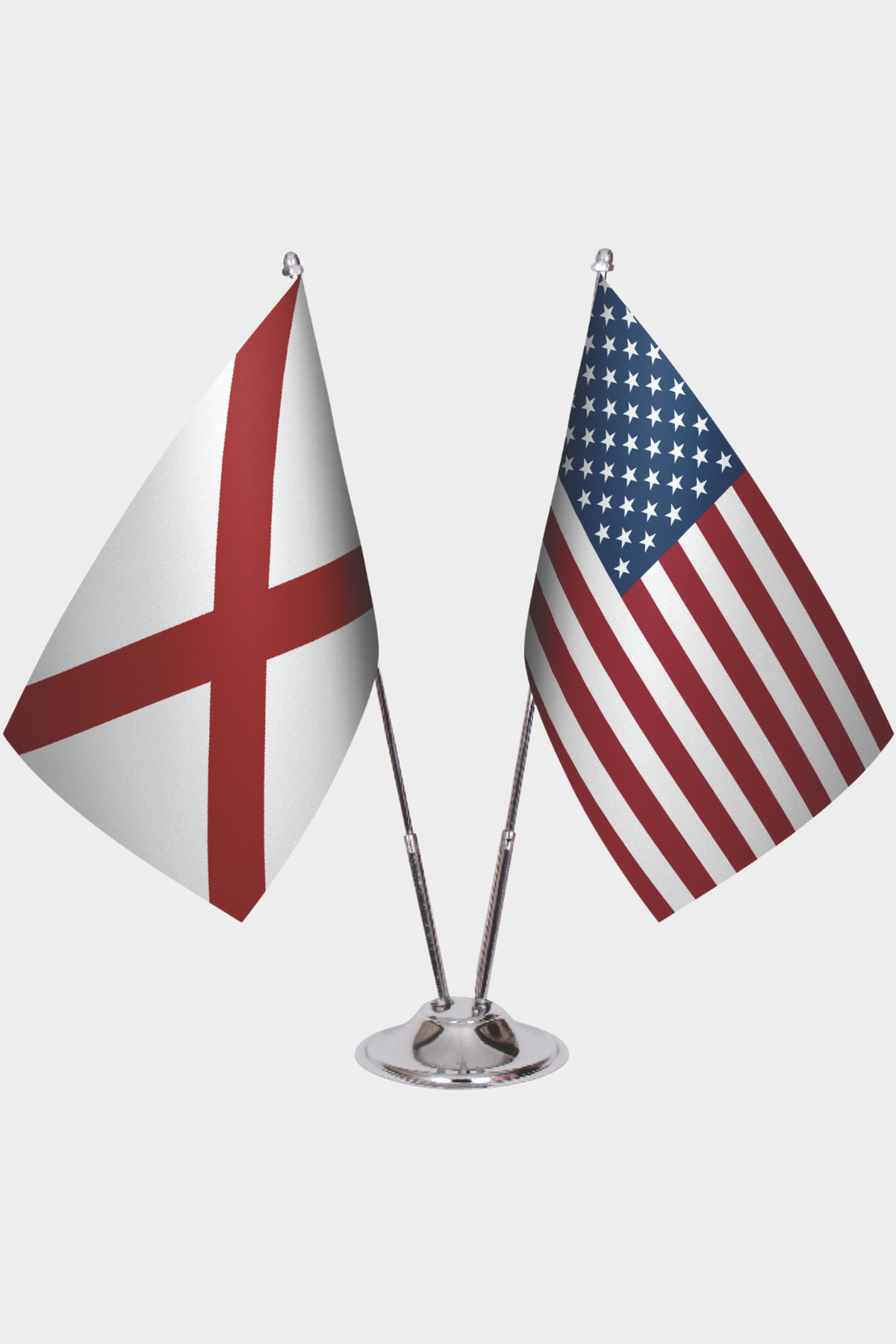
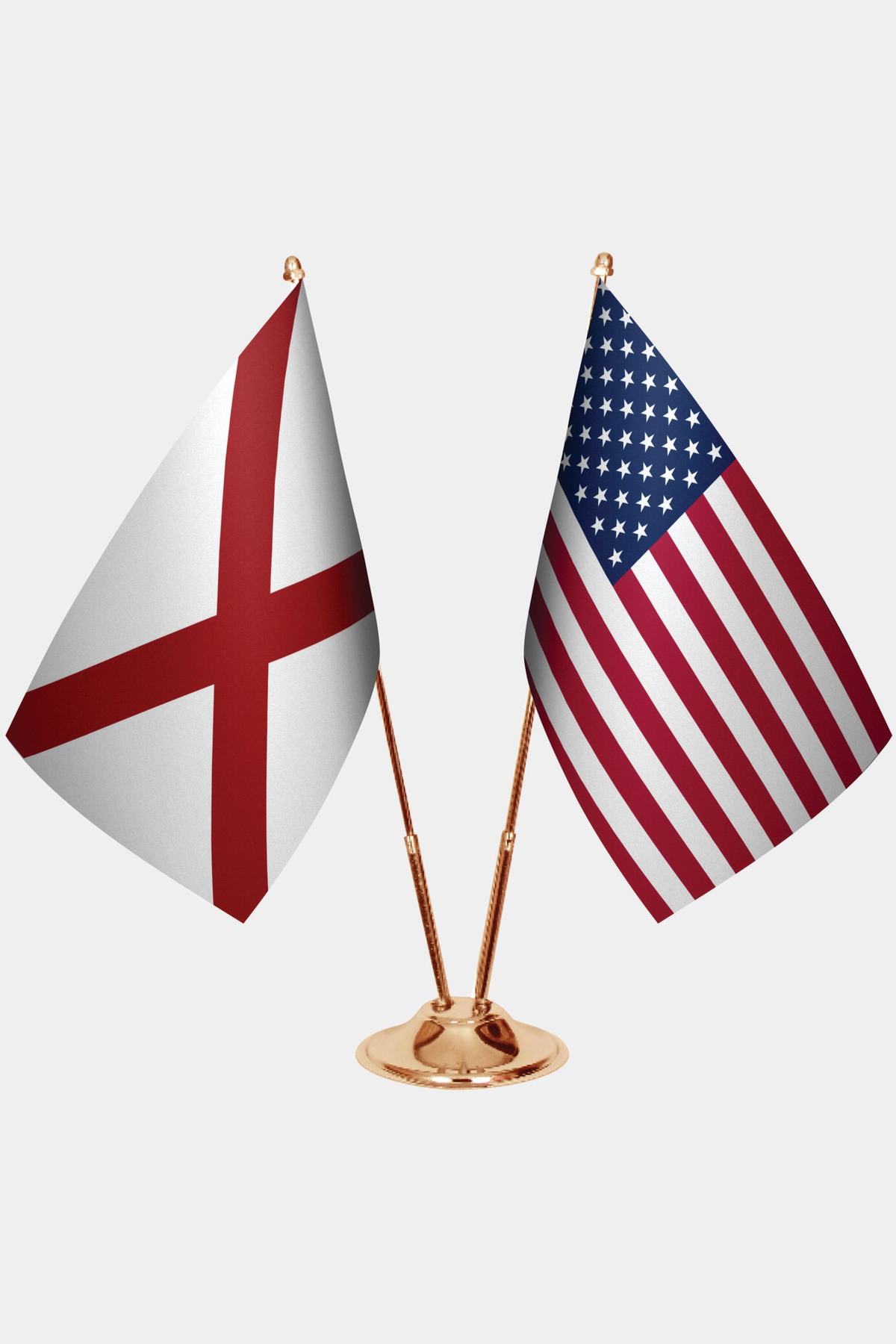
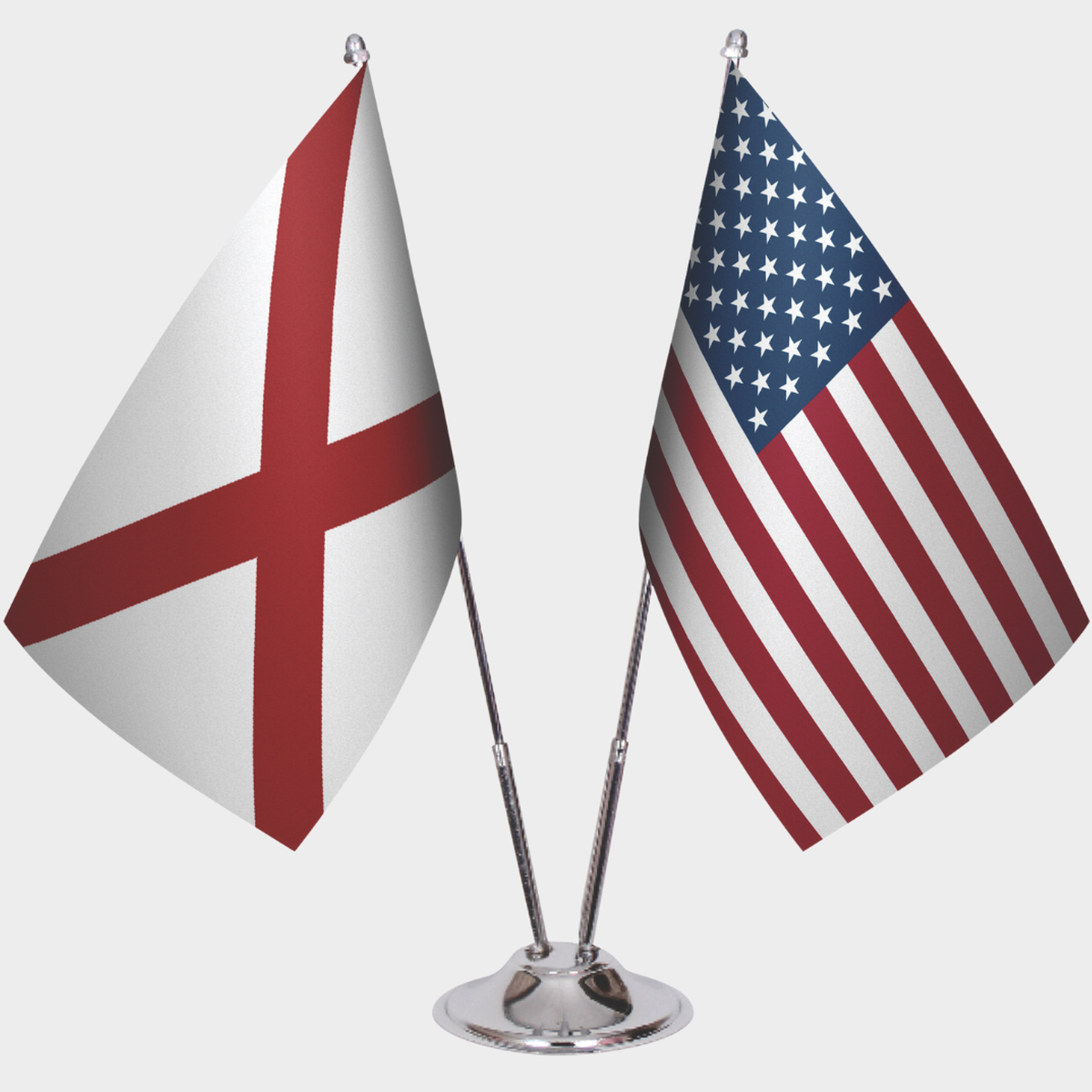
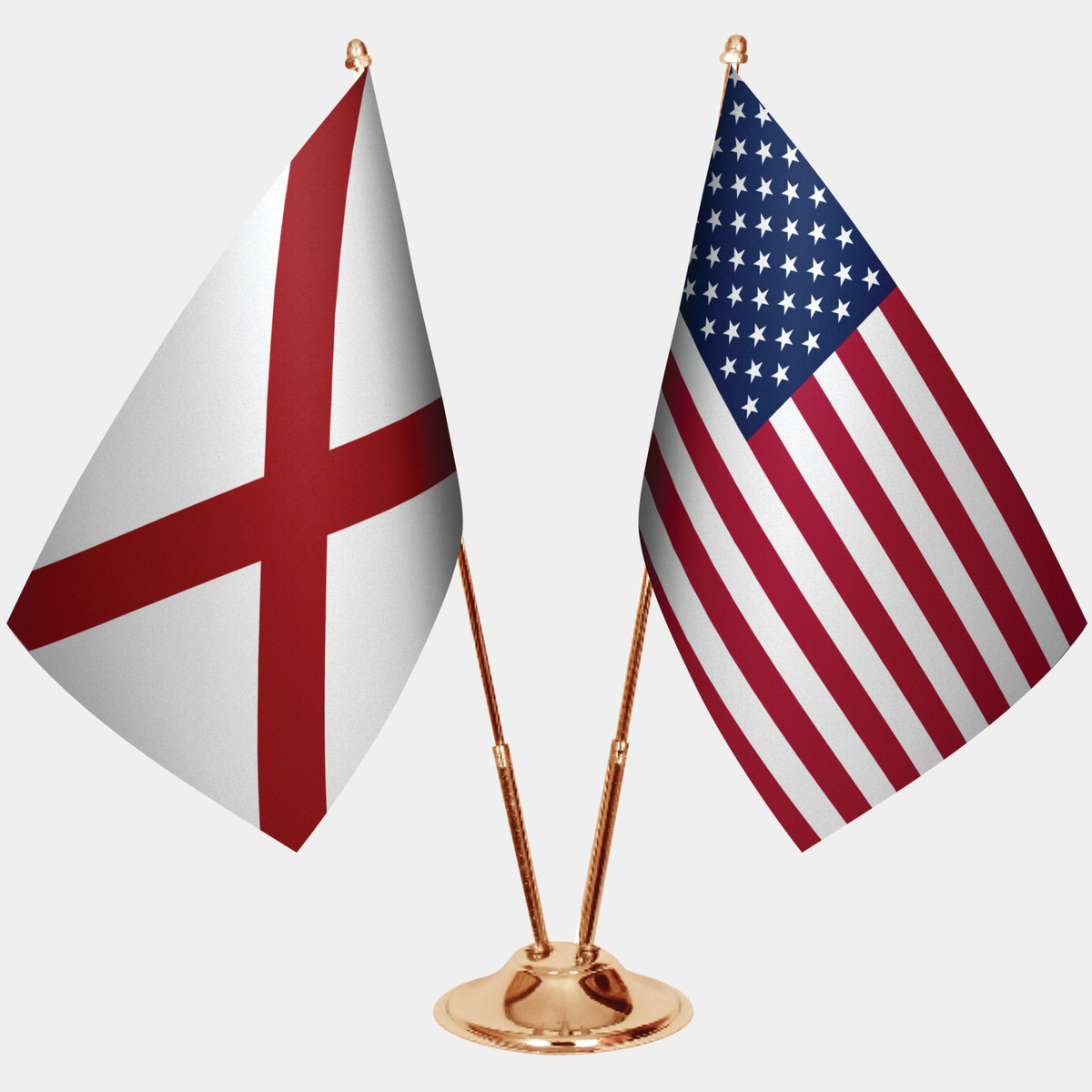
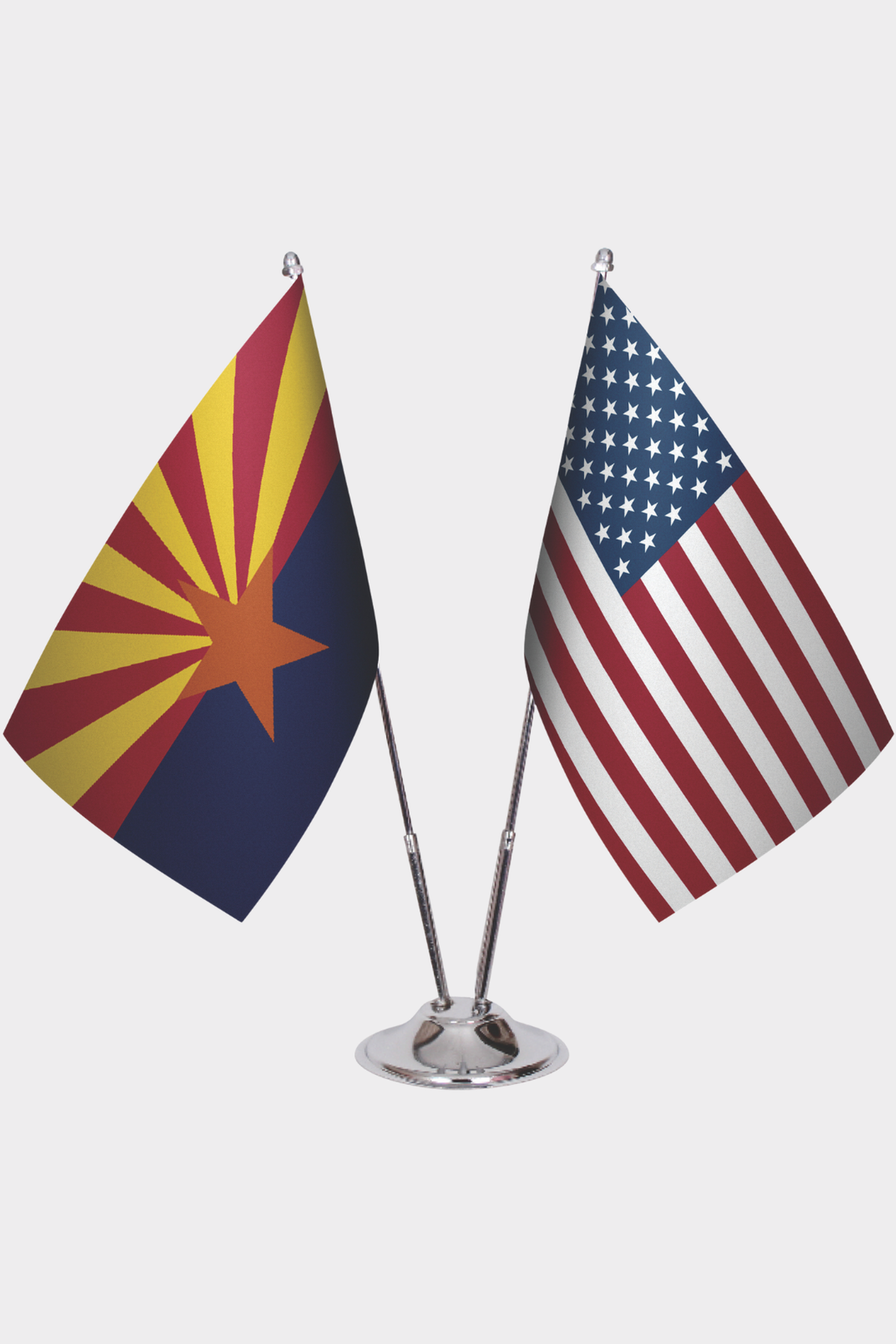
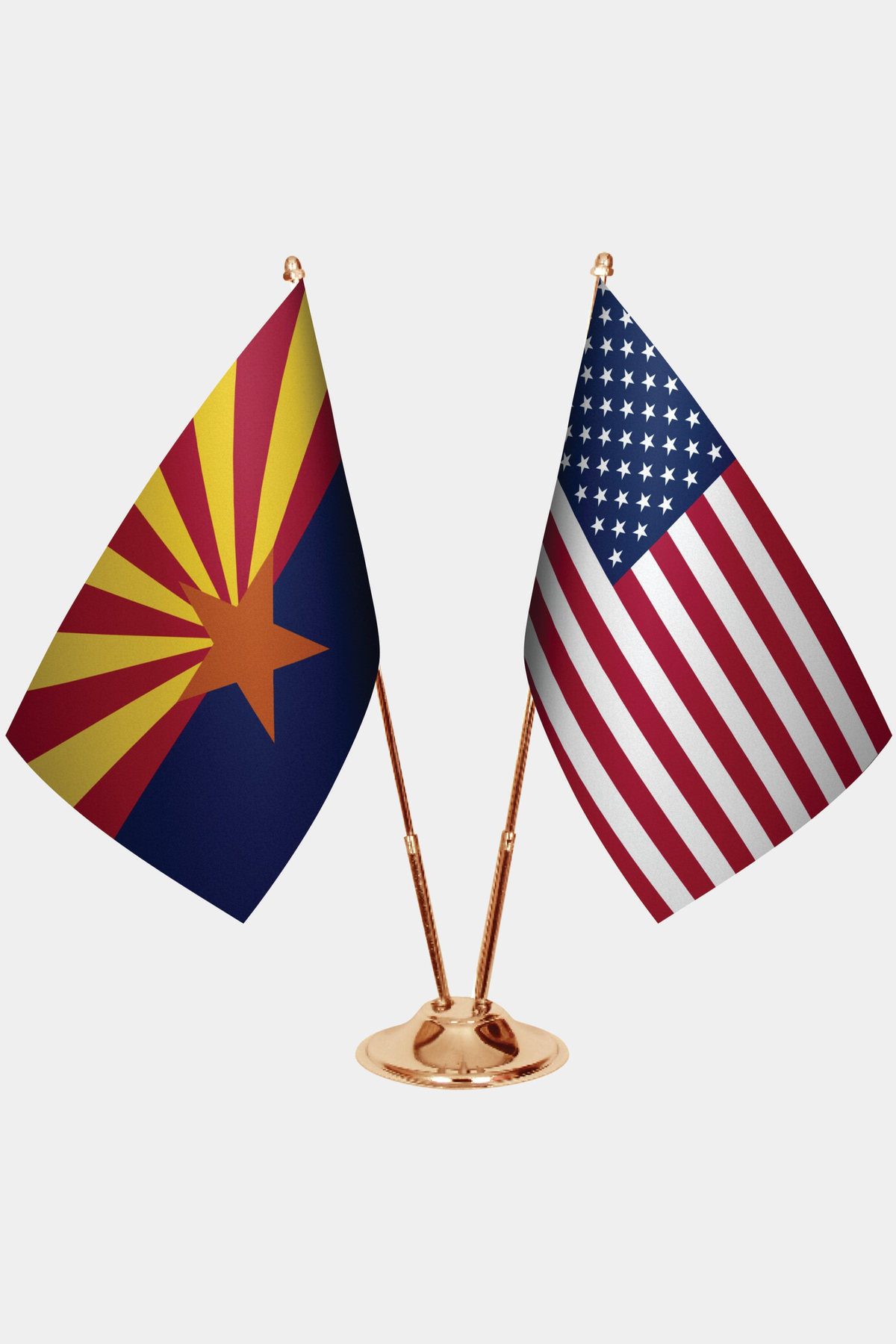
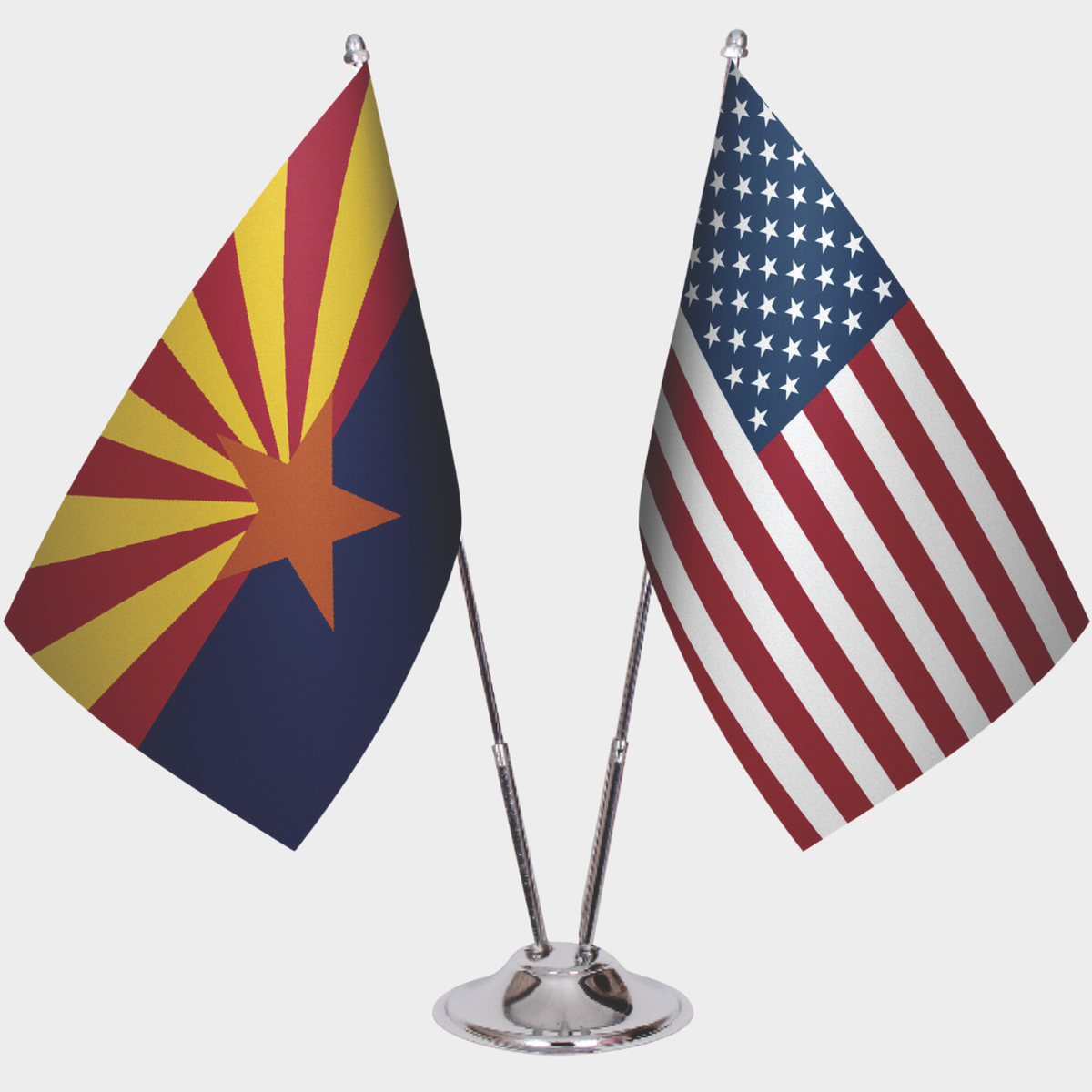
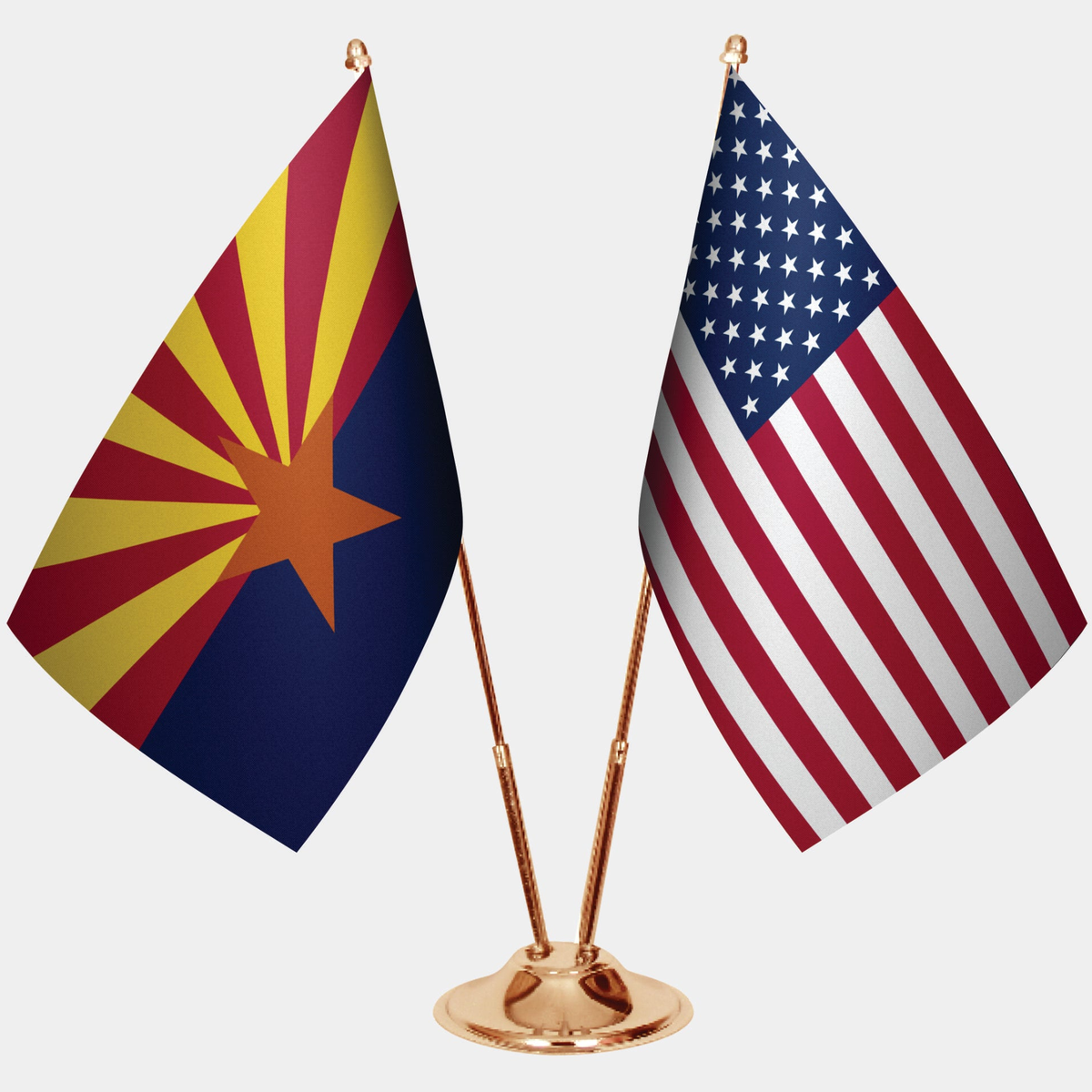
 An indoor flag set for city council chambers is more than a decorative element — under the US Flag Code (4 USC § 7), when displayed indoors alongside other flags, the US flag must occupy the position of honor to the right of the speaker or staging area as the audience faces the dais. This placement rule is non-negotiable for courtrooms, council chambers, and official meeting rooms and must be accounted for when specifying the number of stands and flag sets required. A typical city council chamber setup includes one US flag, one state flag, and one municipal flag — all on matching ceremonial poles with coordinating finials. For executive offices, a luxury chrome gold desk flag stand with a weighted metal base creates a polished, authoritative presentation on a mayor's or judge's desk without requiring floor-mounted hardware. These weighted stands accommodate configurations from single to five-flag arrangements, making them ideal for displaying national, state, city, and department flags simultaneously in conference rooms or ceremonial signing spaces. When specifying indoor display hardware in bulk, standardizing on a single pole finish (typically brass or chrome) across all rooms in a municipal complex creates a cohesive visual identity and simplifies future replacement ordering.
Wool and rayon blends remain popular for indoor ceremonial flags because they drape elegantly, hold color well under artificial lighting, and do not require UV-resistant treatment. Fringed edges in gold or silver are traditional for indoor flag sets and are specifically associated with ceremonial use — they are not appropriate for outdoor display. For procurement purposes, indoor flag sets for city council chambers and courtrooms are best sourced as complete packages including pole, stand, finial, and flag to ensure dimensional compatibility and consistent appearance across multiple rooms.
State and City Indoor Flags Collection
Complete indoor flag sets designed for council chambers, courtrooms, and executive offices — available in coordinating sizes and finishes for a professional government display.
Browse Collection →Flag Display Protocol: Municipal Building Requirements Beyond the Flag Code
Beyond the federal Flag Code, local government flag displays must also comply with any applicable state statutes, municipal ordinances, and — for federally funded buildings — GSA (General Services Administration) facility standards. Most state laws mirror or reinforce 4 USC §§ 1–10, but several states, including Texas, California, and New York, have enacted supplementary statutes governing the display of state flags alongside the US flag that procurement officers must factor into their specifications.
Half-staff orders present a recurring operational challenge for municipal facilities teams. Under 4 USC § 7(m), the President may order the flag to half-staff to honor national figures; governors hold the same authority for state observances. City and county facilities directors should establish a standing protocol — ideally documented in a written facilities policy — that designates a responsible staff member to monitor official half-staff orders from the White House and state governor's office daily and to implement them before the building opens to the public. For multi-building campuses such as county government centers with several structures, a group communication chain ensures consistent compliance across all flagpoles simultaneously. When a flag has been damaged or has become sun-faded to the point where colors are no longer clearly distinguishable, the Flag Code requires retirement by dignified means — most commonly through an official flag retirement ceremony conducted by a veterans' organization or civic group.
Government Flag Procurement Guide: How to Structure a Bulk Order
A well-structured government flag procurement process reduces per-unit cost by 20–40% compared to single-unit retail purchasing and ensures consistent quality across all facilities. The first step is to conduct a complete facilities audit listing every flagpole and indoor display location by building, pole height, current flag size, material type, and last replacement date. This data becomes the foundation of your procurement specification document and helps identify which locations share the same flag size — consolidating quantities for better volume pricing.
Most municipal procurement offices use one of three purchasing mechanisms for bulk American flags for government: a formal bid process for orders exceeding the jurisdiction's competitive threshold (commonly $10,000–$25,000 depending on state law), a cooperative purchasing agreement through programs such as NASPO ValuePoint or the GSA Advantage schedule, or a standing blanket purchase order with a pre-qualified supplier for routine annual replacement needs. For county systems managing 20 or more flag locations, a blanket order with scheduled quarterly deliveries ensures flags are replaced on a maintenance cycle rather than reactively after visible deterioration. Suppliers capable of providing complete indoor flag sets and outdoor flags under a single contract simplify accounts payable processing and vendor management significantly.
Specifications should explicitly state: flag size, fabric type (nylon vs. polyester), construction method (embroidered stars vs. printed), header material (canvas vs. nylon), grommet material (brass vs. zinc), and any required certifications such as Made in USA compliance where required by state Buy American statutes. Documenting these specifications in writing protects the jurisdiction in the event of a quality dispute and ensures apples-to-apples comparison when evaluating competing bids.
Flagpoles and Accessories for Municipal Installations
Flagpole selection and maintenance are as important as the flag itself for municipal building flag requirements. Commercial-grade aluminum flagpoles in the 30 ft to 80 ft (9.1 m to 24.4 m) range are the standard for new government building installations; they require minimal maintenance, resist corrosion in coastal environments, and carry structural wind ratings typically between 90 mph and 130 mph (145 km/h to 209 km/h) depending on wall thickness and pole taper. External halyard systems with a lockable cleat are the preferred configuration for public buildings because they prevent unauthorized tampering with the flag.
Internal halyard systems, where the rope runs inside the pole and is accessed through a locked door at the base, offer even greater security and are increasingly specified for high-traffic urban city halls and courthouses where vandalism is a concern. All halyard ropes, snaps, and swivel clips should be inspected at every flag change and replaced at the first sign of fraying — a snapped halyard in high wind can send a flag to the ground, which is both a protocol violation and a public embarrassment for the municipality. The flagpoles and accessories collection includes the hardware components — from rope and snaps to pole ornaments — needed to keep municipal flagpole systems operating correctly year-round.
Frequently Asked Questions
What size American flag is standard for a city hall flagpole? +
What does the US Flag Code require for indoor flag display in government buildings? +
How often should outdoor American flags at municipal buildings be replaced? +
What is the correct way to procure bulk American flags under government purchasing rules? +
Is nylon or polyester better for outdoor American flags on government buildings? +
Can a city or county fly its municipal flag at the same height as the US flag? +
What size indoor flag set is appropriate for a city council chamber? +
How should a retired or damaged government flag be disposed of? +
Ensuring every flagpole and display stand in your municipal complex meets Flag Code requirements, safety standards, and the visual expectations of the public is a responsibility that reflects directly on your community's institutions. Whether you are replacing a single outdoor flag for a county courthouse or executing a government flag procurement guide for a multi-building campus, sourcing from a supplier who understands government standards makes the process significantly smoother. Explore the USA Outdoor Flag for heavy-duty pole display, browse our complete indoor flags collection for council chamber and courtroom sets, and visit our flagpoles and accessories collection for all the hardware your facilities team needs. Bulk pricing is available for corporate and government orders — contact us directly with your facilities audit data and procurement specifications to receive a custom volume quote tailored to your jurisdiction's needs.