






Indoor flag sets for VFW posts, American Legion halls, Rotary clubs, and other fraternal or civic organizations require specific sizing, hardware, and protocol to meet both tradition and regulation — and the right wholesale supplier can outfit an entire post or chapter in a single order. Whether you are equipping a lodge meeting hall for the first time or replacing worn presentation flags across multiple chapters, understanding display standards, flag dimensions, and bulk ordering options will save your organization time, money, and the embarrassment of an improper display. This guide covers everything your procurement officer, post commander, or club president needs to know, drawing on the US Flag Code (4 USC §§ 1–10) and widely accepted FIAV-aligned indoor display conventions used by fraternal organizations nationwide. Browse the full indoor flags collection to see the complete range of presentation-grade options available for organizational use.
Why Indoor Flag Protocol Matters for Fraternal and Civic Organizations
Proper indoor flag protocol is not merely ceremonial — for organizations like the VFW, American Legion, Elks, Masons, and Rotary International, it is a direct reflection of the values and discipline the group represents. The US Flag Code (4 USC § 7) specifies that when the American flag is displayed indoors alongside other flags, it must be positioned to the flag's own right — meaning to the speaker's or audience's left — and must stand at the highest or equal position of honor. For organizations that routinely display the national flag alongside a state flag, an organizational flag, and a POW/MIA flag, this hierarchy must be followed precisely at every meeting. Failure to observe these rules is not a legal offense for private organizations, but it carries significant reputational weight among members and visiting dignitaries, particularly in a military or veterans' setting.
Beyond placement, the quality and condition of displayed flags speaks volumes. A frayed or faded American flag in a lodge meeting hall communicates neglect, while a crisp, richly colored presentation set signals pride and organizational seriousness. Most fraternal organizations hold regular inspections and ritual ceremonies where flag condition is formally observed. This is why procurement decisions should prioritize durability alongside compliance — a flag that lasts 18 to 24 months of weekly indoor display is a far better investment than a bargain option that needs replacement every 6 months.
Standard Sizing for Indoor Presentation Flag Sets
The most widely accepted indoor flag size for meeting halls is 4 ft × 6 ft (approximately 122 cm × 183 cm), and this is the size used by the vast majority of VFW posts, American Legion halls, Masonic lodges, Elks chapters, and Rotary clubs across the United States. This dimension pairs correctly with an 8 ft (244 cm) or 9 ft (274 cm) indoor presentation pole, which positions the finial at a dignified height above seated or standing members without overwhelming a standard 9 ft or 10 ft ceiling. For smaller committee rooms, boardrooms, or auxiliary meeting spaces, a 3 ft × 5 ft (91 cm × 152 cm) flag on a 7 ft (213 cm) pole is an acceptable reduction, though the full 4×6 set remains the standard for main ceremonial halls.
The complete indoor presentation flag set typically includes the flag itself, a 2-piece or 3-piece wooden or aluminum pole, a decorative finial (eagle, spear, or ball), and a weighted base or parade-style floor stand. Eagle finials are the overwhelming choice for American flag displays in veterans' and fraternal settings, as the bald eagle is the national bird and its use atop the US flag staff is long-established tradition recognized in organizational bylaws across the country. When ordering for multiple rooms or multiple chapters simultaneously, confirming that pole diameter, finial thread size, and base socket size are all compatible across your hardware supplier's product line prevents costly mismatches.
Flag Set Components: Poles, Bases, and Hardware Essentials
 A complete indoor flag set is only as good as the hardware supporting it, and for fraternal organizations, the choice between wood and aluminum poles carries both aesthetic and practical implications. Solid wood poles — typically oak, walnut, or a hardwood composite finished in gold or silver — are the traditional choice for ceremonial settings and remain popular in Masonic lodges, VFW posts, and Elks halls where the visual warmth of natural materials complements the room's formal décor. Aluminum presentation poles, by contrast, offer superior durability and resistance to warping in humid or climate-inconsistent buildings, which is a real concern for older lodge halls and community centers that may lack modern HVAC systems. The poles and holders collection offers a range of indoor-grade options in both materials, sized for standard 4×6 ft presentation flags. Base selection is equally important: a cast iron or weighted steel floor stand rated for a 9 ft pole assembly typically weighs between 7 and 12 lbs (3.2–5.4 kg), providing the stability needed to prevent accidental tipping during meetings, ceremonies, or rituals where members move around the flag.
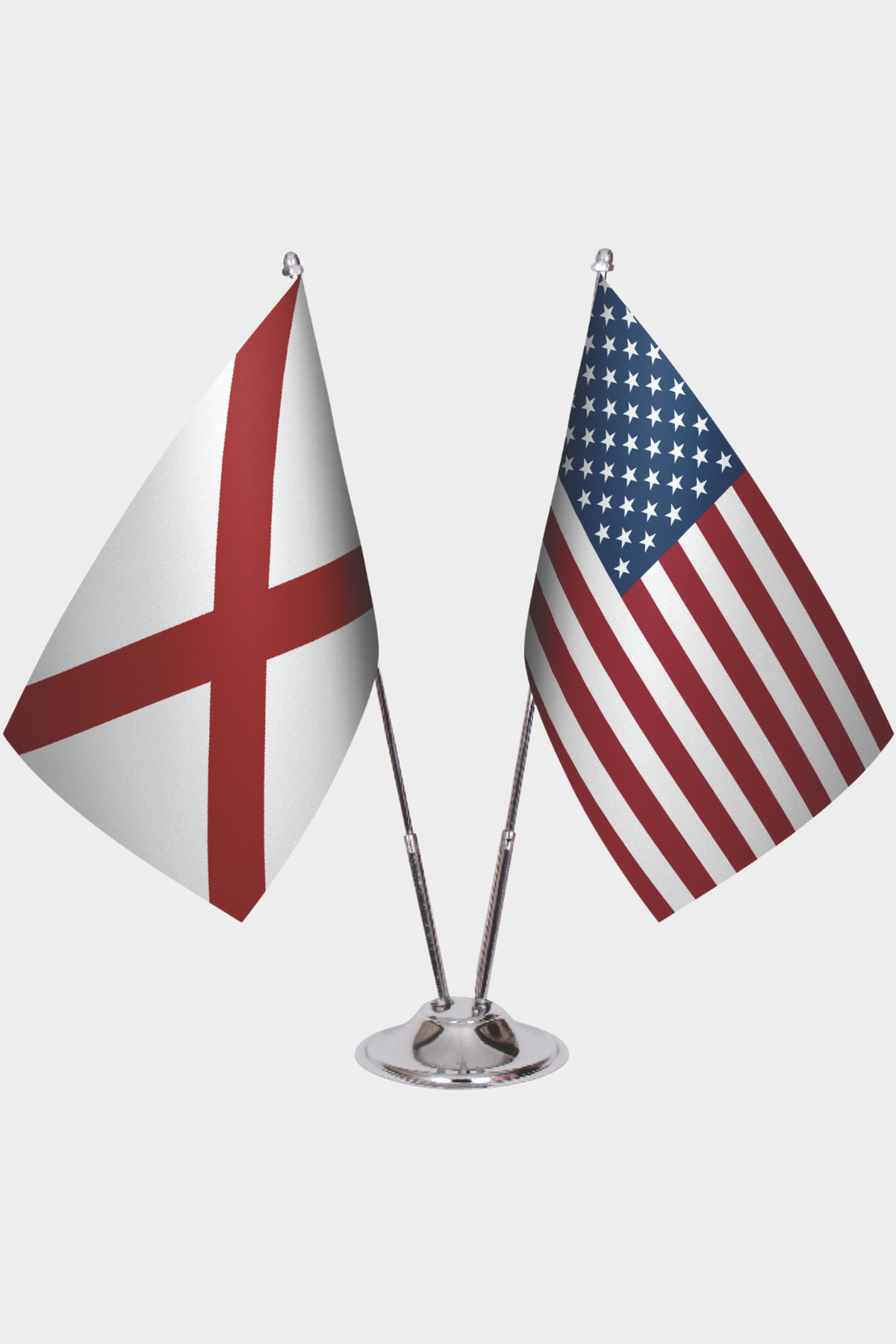
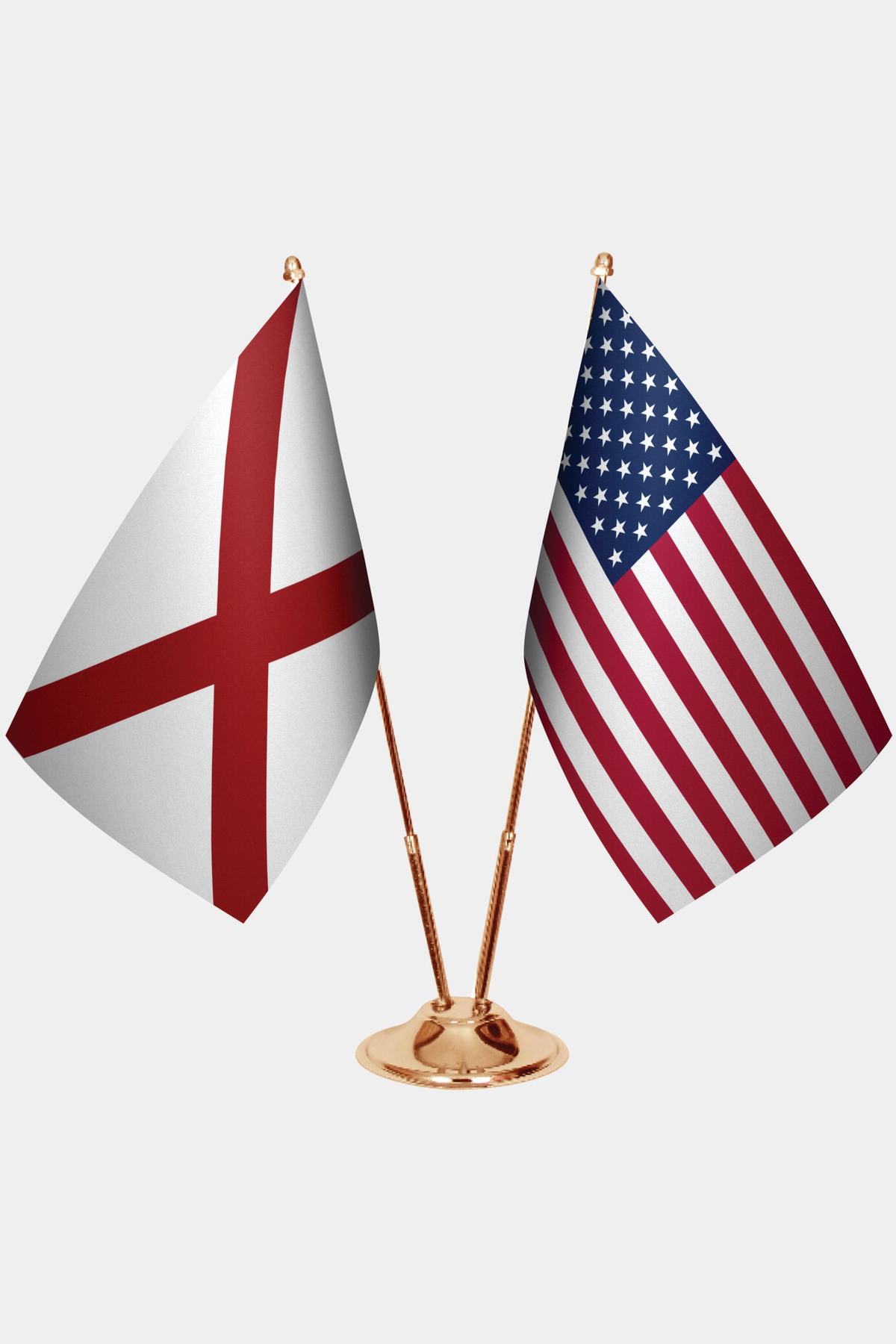
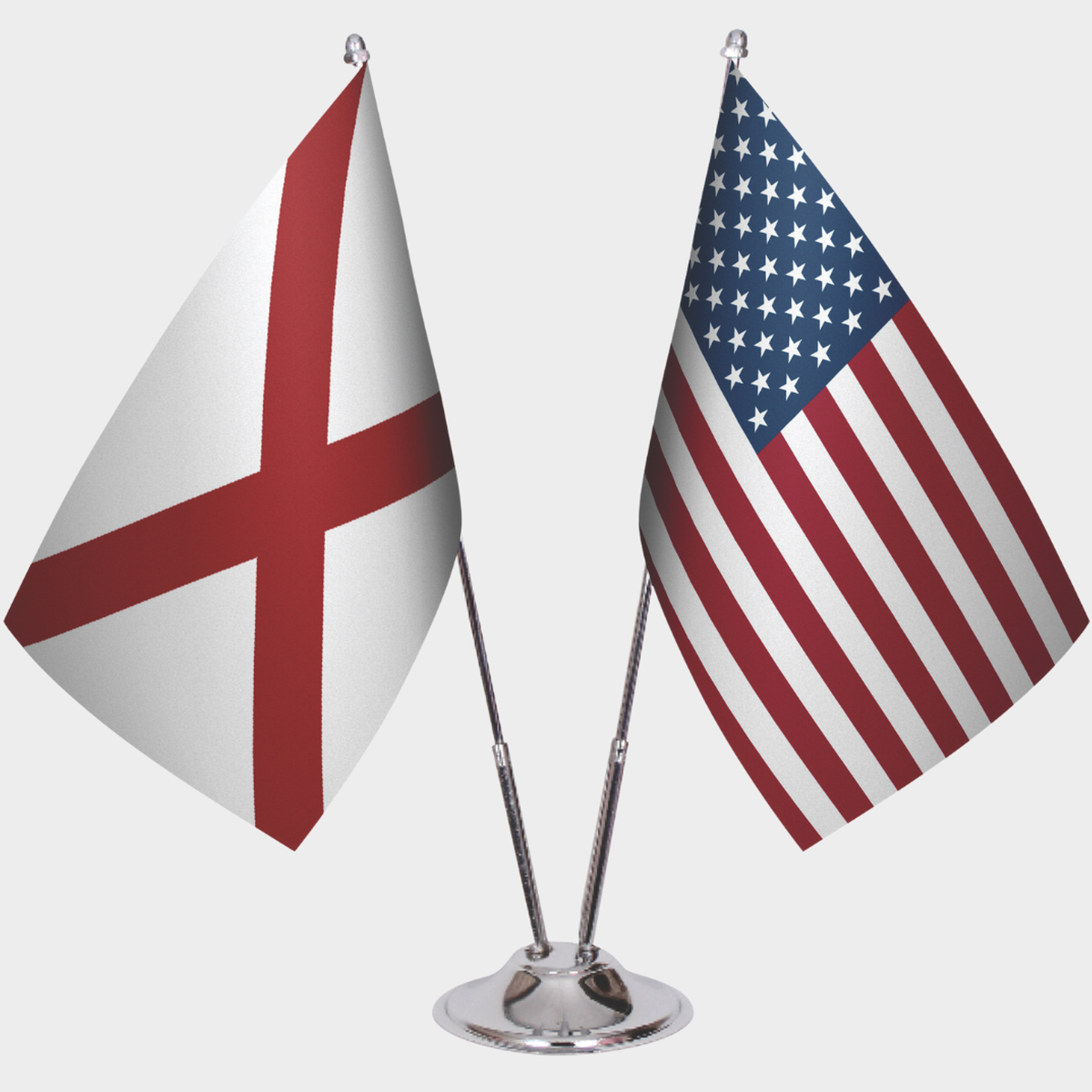
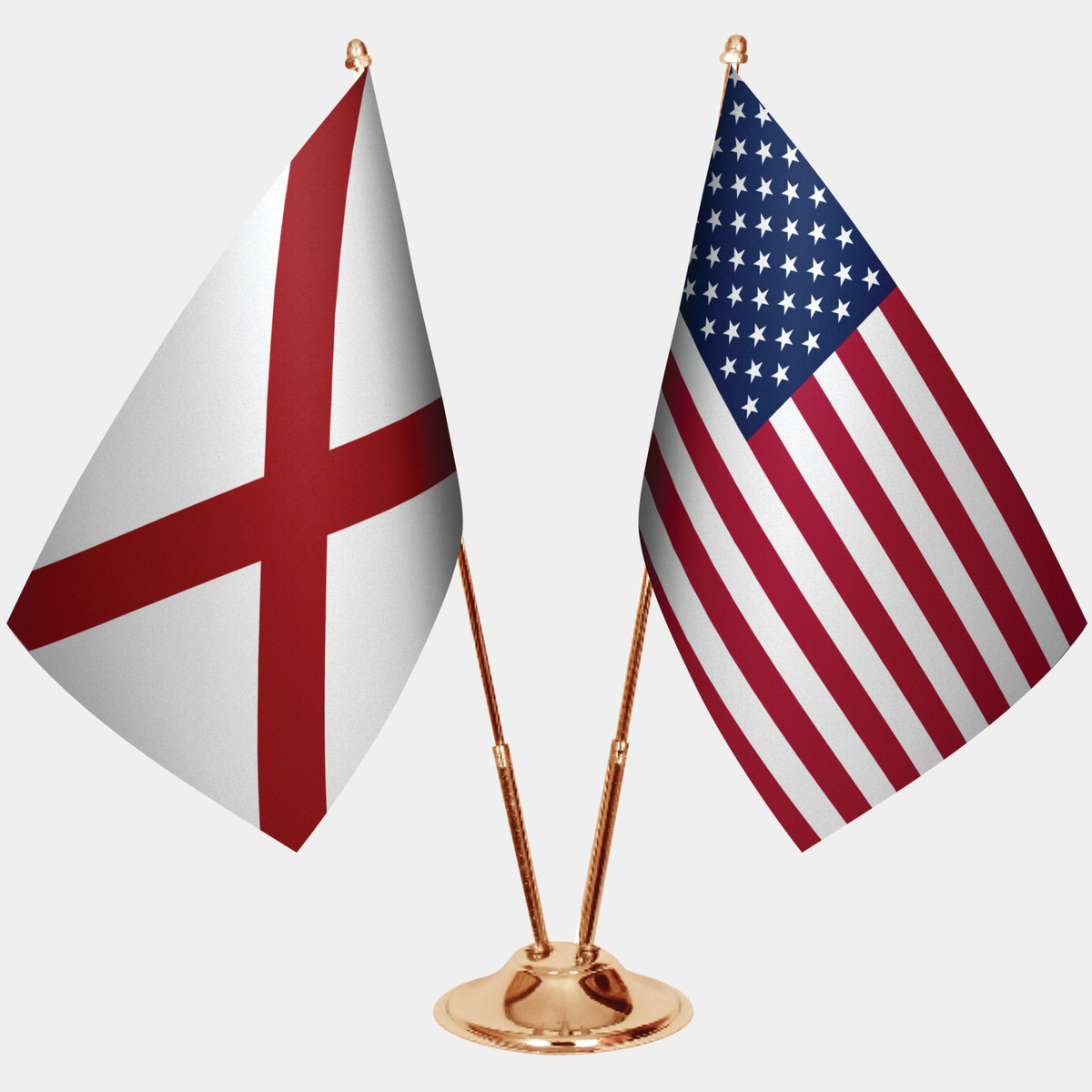
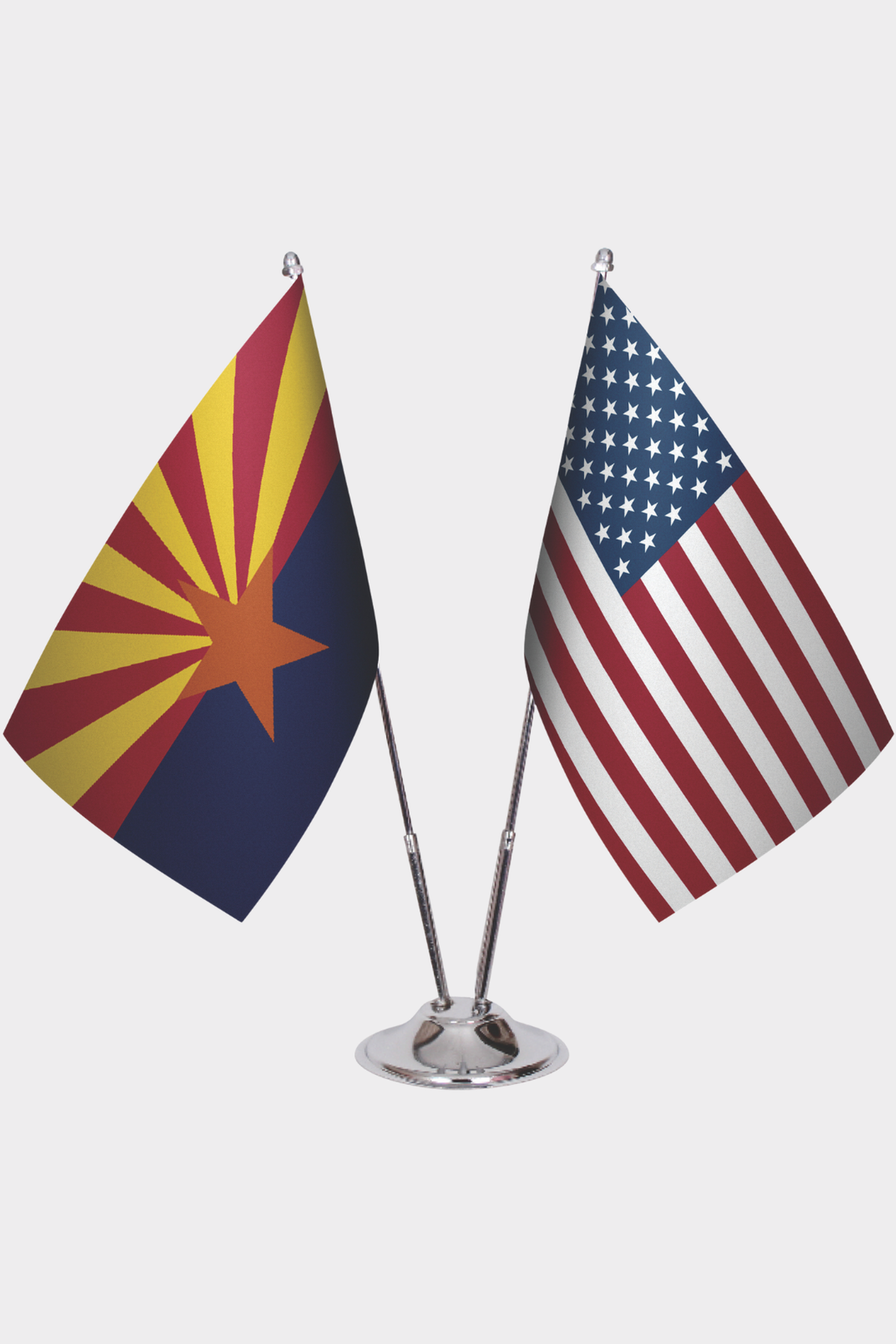
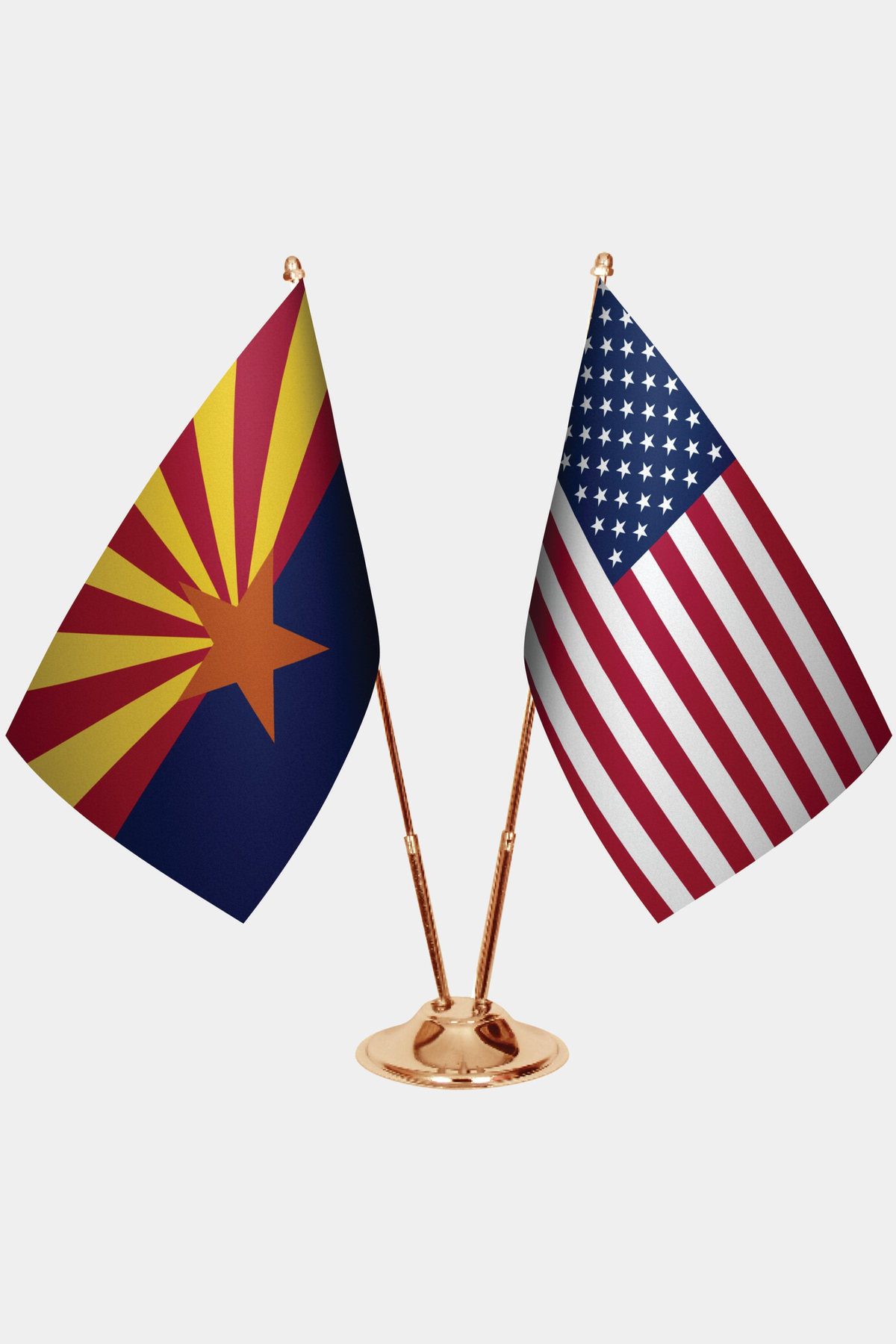
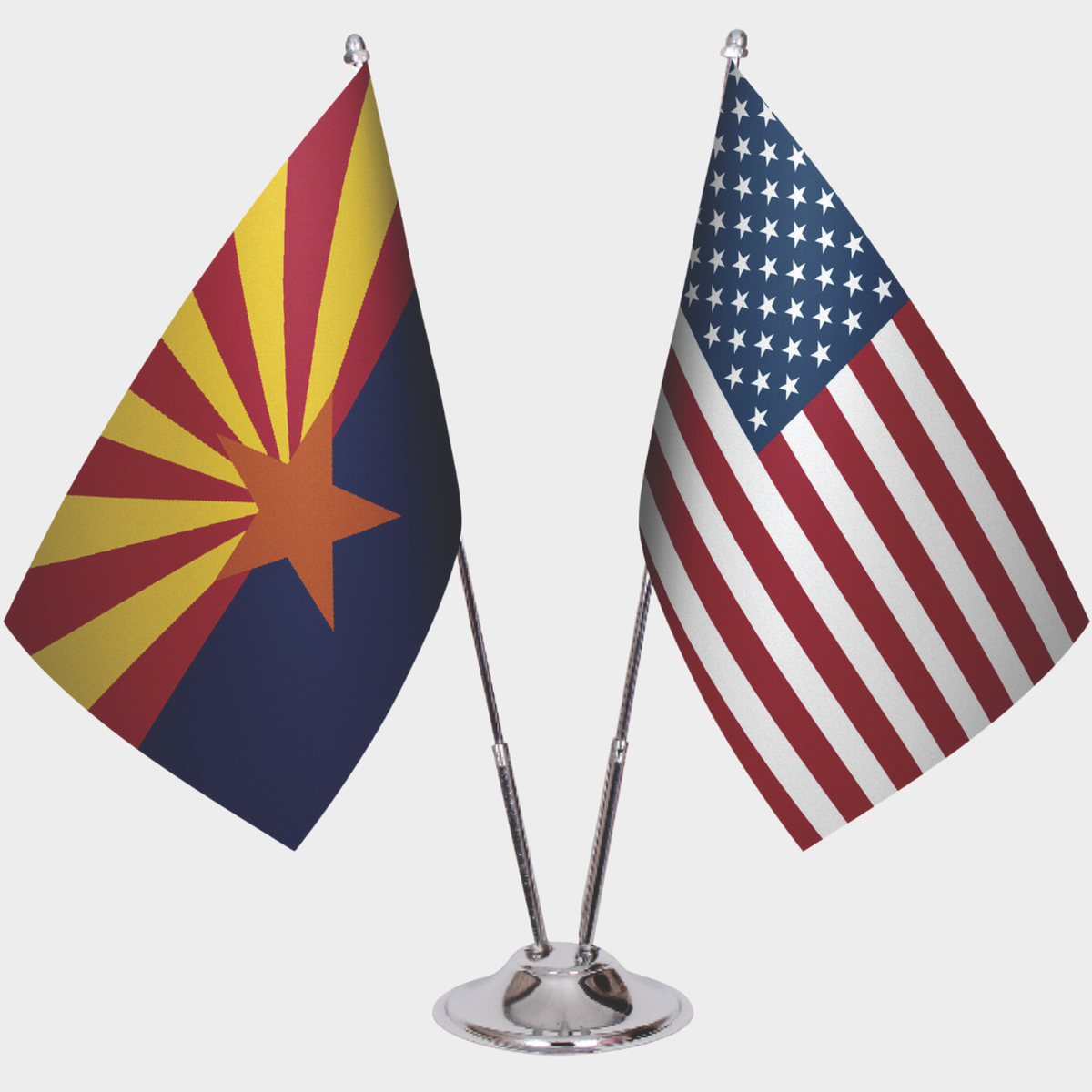
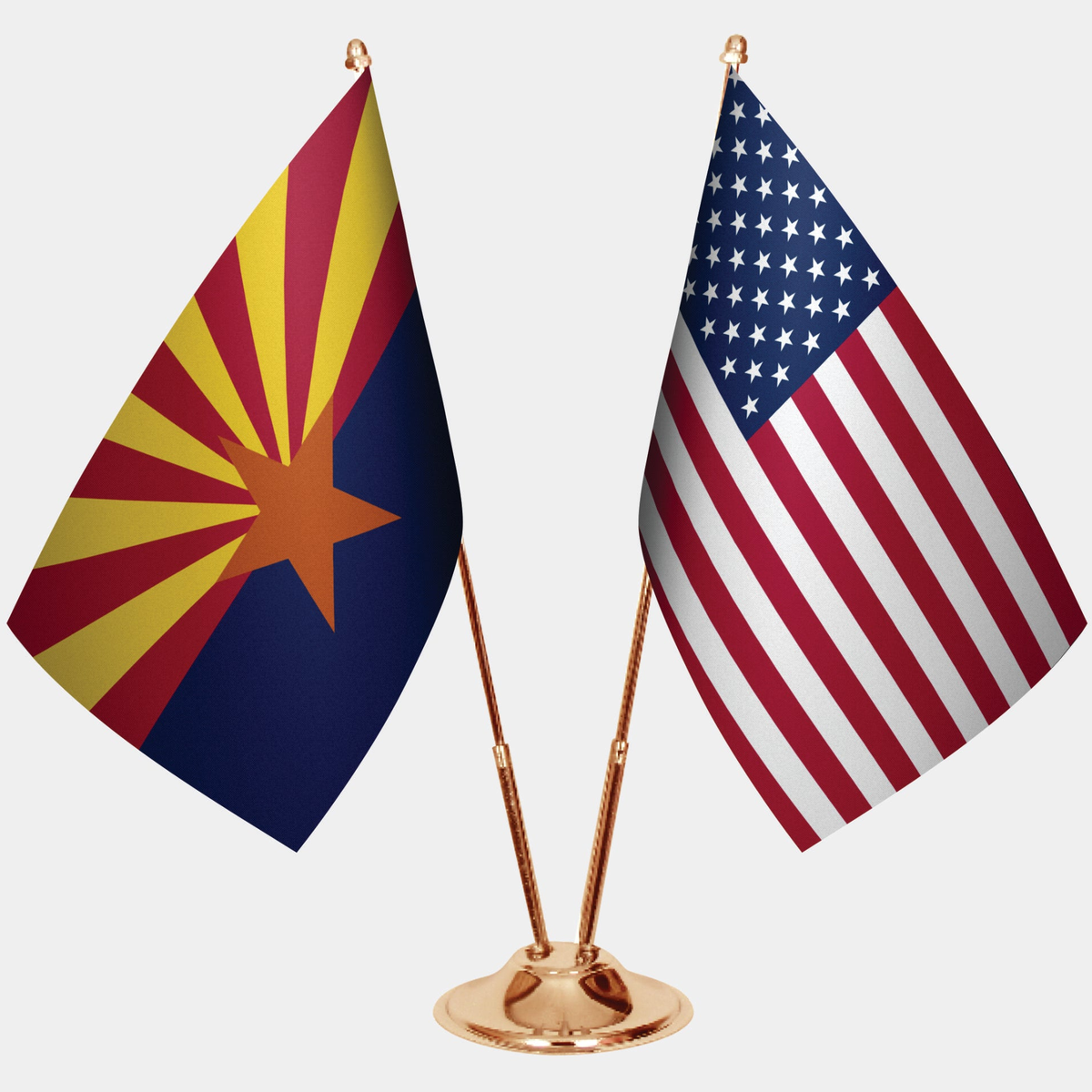
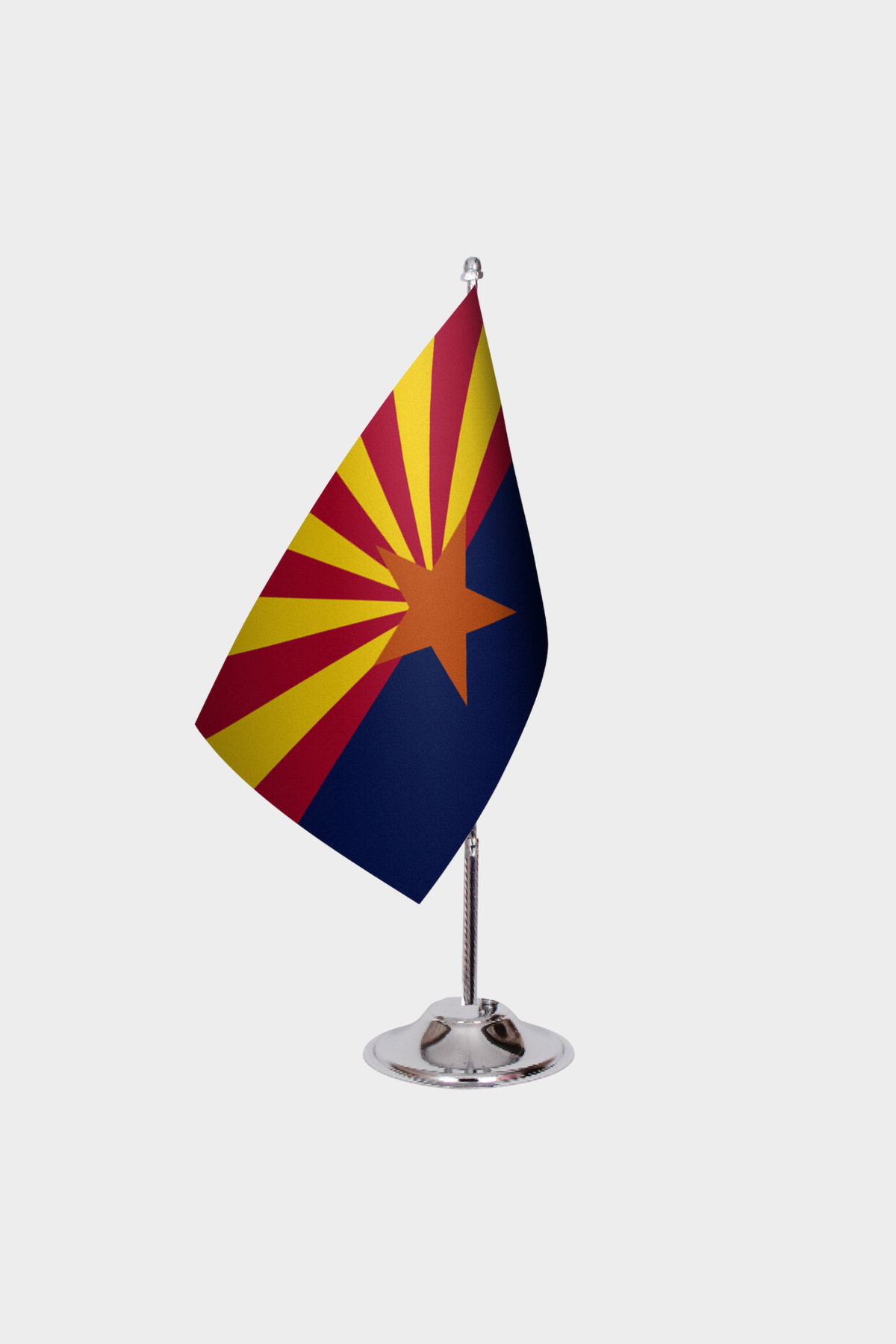
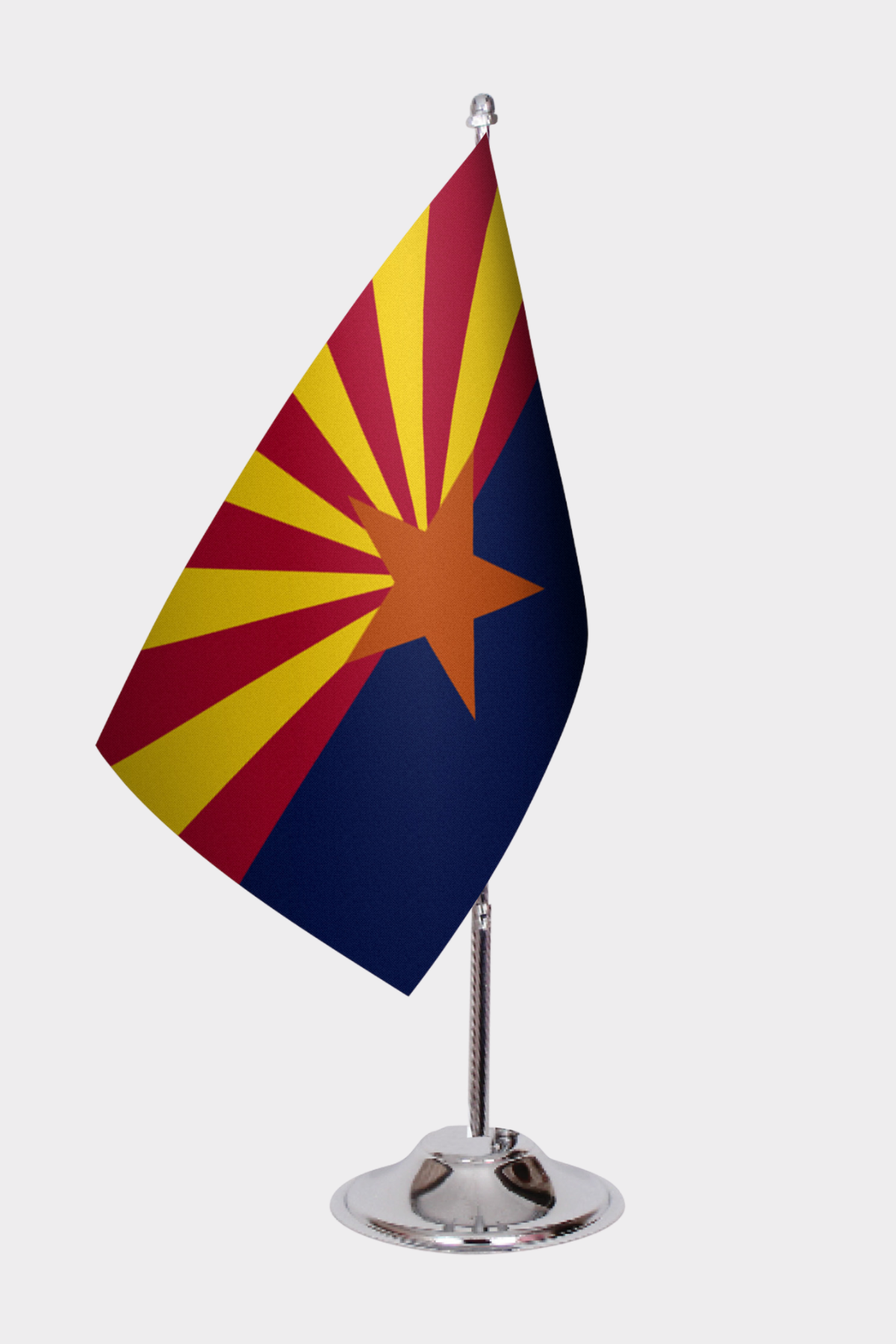
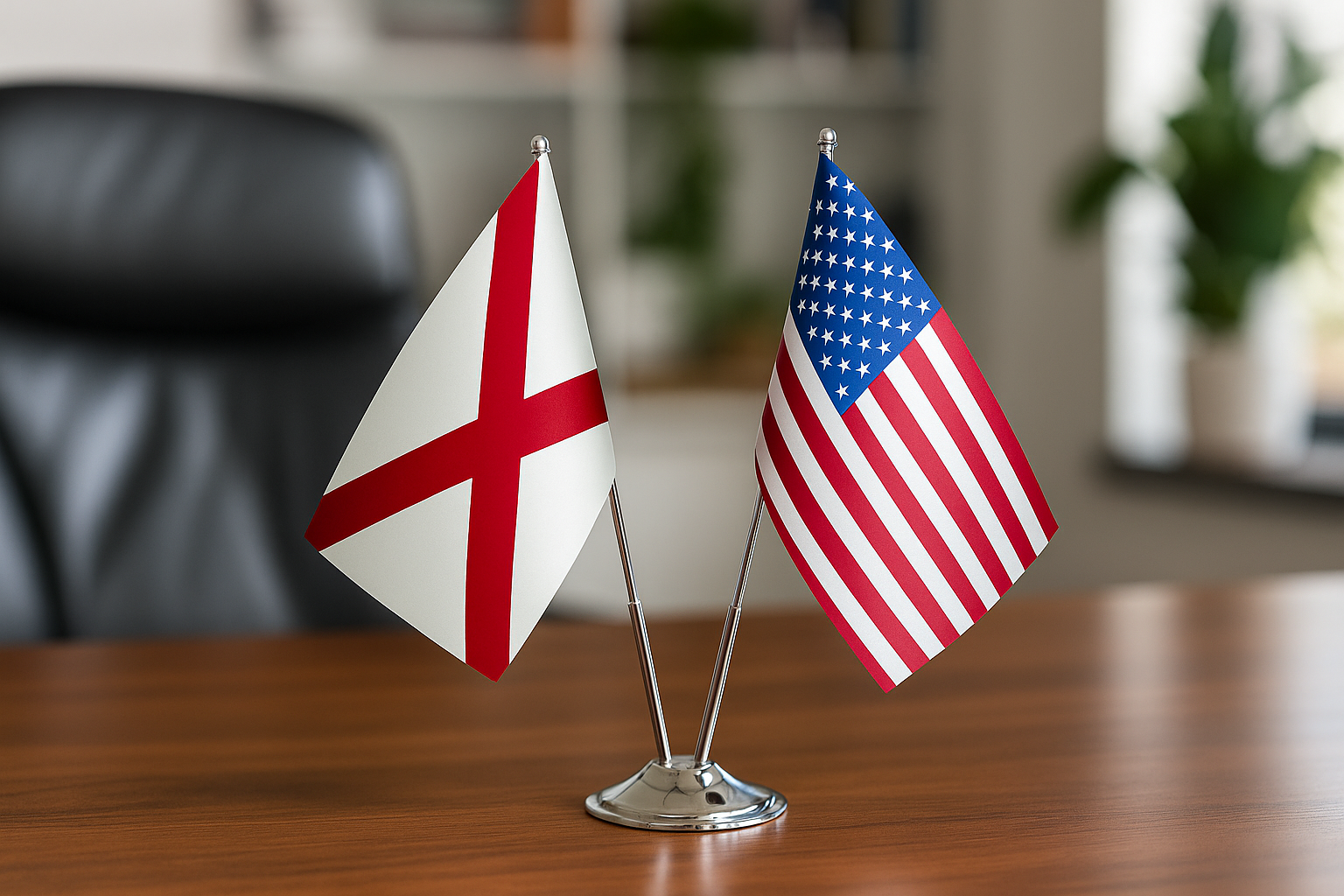
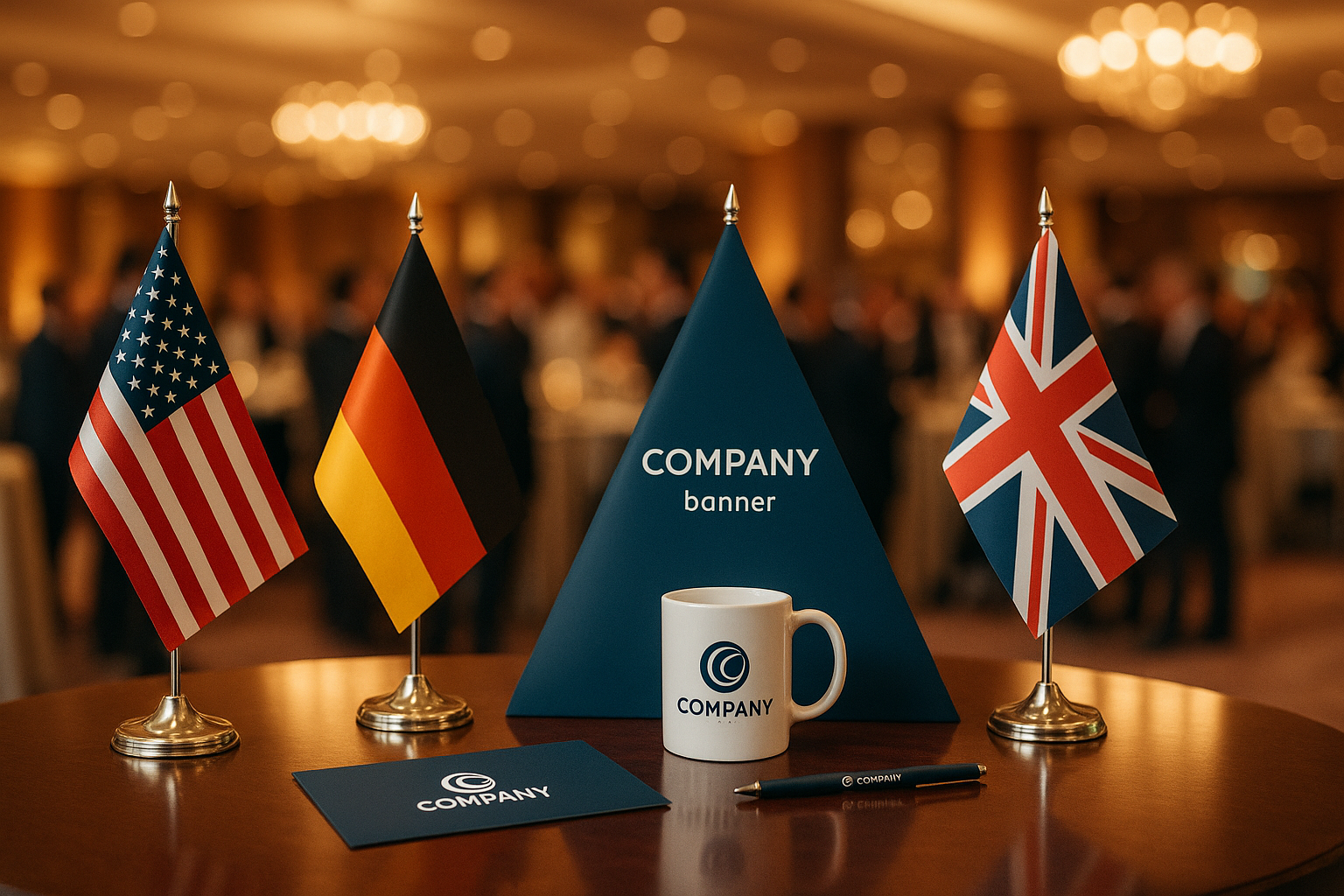
For organizations that also require desk-level displays — such as a commander's desk, the head table at a formal dinner, or a reception area — a chrome or gold-finished desk flag stand accommodates smaller organizational or national flags at 4 in × 6 in (10 cm × 15 cm) or 6 in × 10 in (15 cm × 25 cm) sizes. The luxury chrome and gold desk flag stand available in single through five-flag configurations is especially well suited to head-table arrangements where the US flag, state flag, and organizational flag must all appear together in a compact, dignified presentation. These weighted metal-base stands resist tipping even when bumped by attendees moving past the table, and their polished finish coordinates with the gold eagle finials typically used on full-size floor stands in the same room.
Multi-Flag Display Order and Placement Rules for Meeting Halls
 The correct multi-flag arrangement for a fraternal organization meeting hall follows a clear hierarchy established by US Flag Code § 7(e): the American flag occupies the position of honor — to the flag's own right, which is the speaker's left from the podium and the audience's right — and stands at the same height or higher than all other flags in the display. When a five-flag arrangement is used, which is common at VFW posts and American Legion halls that simultaneously display the US flag, the state flag, the POW/MIA flag, the post or chapter flag, and a branch-of-service flag, the American flag anchors the center-right position and the remaining flags are arranged symmetrically outward in descending order of precedence. This five-flag configuration is also increasingly common at Rotary district meetings and Elks lodge conventions, where organizational and district flags join the national and state standards. The bases and stands collection includes options specifically designed for multi-flag groupings, with bases available in single, double, and triple configurations to support these arrangements without requiring floor anchoring or wall mounting.
One placement rule that frequently causes confusion in lodge and club settings concerns the POW/MIA flag. Per Public Law 101-355, the POW/MIA flag holds a position of honor directly below the US flag when displayed on the same pole, or immediately to the American flag's left when displayed on a separate staff. For VFW and American Legion posts in particular, displaying the POW/MIA flag correctly is a matter of deep organizational significance, and incorrect placement is a common source of critique during post inspections. Similarly, organizational flags — whether a lodge emblem flag, a chapter banner, or a service club flag — must never be displayed at a position of greater height or prominence than the US flag, regardless of the meeting's primary focus or the room's ownership by the organization.
Indoor Flags Collection
Presentation-grade indoor flags in all standard meeting hall sizes, ready for VFW posts, American Legion halls, Masonic lodges, Rotary clubs, and civic organizations of every kind.
Browse Collection →Fabric and Construction Standards for High-Use Indoor Environments
For weekly or bi-weekly meeting environments, a 2-ply knitted polyester or heavy-duty nylon flag with finished fringe is the industry standard for indoor presentation flags used by fraternal and civic organizations. These materials resist the fading that comes from prolonged indoor lighting exposure — particularly fluorescent and LED lighting, which can degrade less robust flag fabrics over 12 to 18 months — while retaining the rich color saturation that makes ceremonial displays visually striking. Gold fringe, applied to all four edges of indoor presentation flags, is a decorative tradition (not a legal requirement) that is expected on flags used in formal lodge, post, or club settings, and its inclusion signals that the flag was purpose-built for indoor ceremonial use rather than repurposed from an outdoor product.
Stitching quality is the single most important construction factor for high-rotation indoor flags. A flag used at weekly meetings, opened and stored repeatedly, requires double-stitched or quadruple-stitched seams and a reinforced canvas header with brass grommets or pole sleeve construction that can withstand hundreds of attachment and removal cycles without fraying. Organizations that rotate flags between storage and display on a weekly basis should also request that the pole sleeve or header be made from a heavier canvas weight — typically 10 oz or above — rather than the lighter headers common on economy-grade flags. Proper storage between meetings (rolled loosely on the pole rather than folded, or stored in a flag sleeve) extends useful life significantly and is recommended practice in most fraternal organization procurement guidelines.
Bulk Ordering Guide for Posts, Chapters, and District Commands
Civic club indoor flags bulk orders and multi-post procurement packages are the most cost-effective way for district commands, state councils, and national organizations to outfit multiple locations simultaneously — and wholesale pricing typically begins at quantities of 10 or more complete sets. For a district command equipping 20 VFW posts with a standard three-flag arrangement (US flag, state flag, post flag), a single bulk order for 60 flag sets — each including the flag, pole, finial, and base — can reduce per-unit costs by 25% to 40% compared to individual post purchasing. This approach also ensures visual consistency across all posts in the district, which matters for district-level inspections, joint events, and any meetings hosted at member posts.
When preparing a bulk order specification for a fraternal organization, the procurement officer should document the following for each location: room ceiling height, floor finish (carpet vs. hardwood affects base type), number of flags to be displayed simultaneously, whether desk-flag sets are also required, and whether custom organizational or chapter flags need to be produced alongside standard national and state flags. Custom organizational flags — lodge emblems, chapter seals, service club logos — require a minimum lead time of 10 to 15 business days for embroidery or digital-print production and should be included in the initial order to avoid the higher per-unit costs of subsequent small-quantity reorders. Bulk pricing is available for corporate and organizational orders, and dedicated account support for district-level procurement helps streamline the specification process.
Care, Replacement Schedules, and Retirement Protocols
Indoor presentation flags used in weekly meeting environments have an expected useful life of 18 to 24 months before fringe deterioration, color fading, or header wear warrants replacement — though posts that store flags carefully between meetings and avoid prolonged exposure to strong directional lighting can extend this to 3 years or more. Organizations should establish a formal annual inspection of all flag sets, checking for frayed fringe, faded colors, loose stitching at the header, and any damage to the pole or hardware components. The US Flag Code § 8(k) specifies that a worn or tattered flag should be "destroyed in a dignified way, preferably by burning," and the VFW, American Legion, and Boy Scouts of America all operate formal flag retirement ceremony programs that posts and clubs can participate in for proper disposal of worn flags.
Replacing hardware proactively — rather than waiting for visible failure — is sound organizational practice. Pole sections with stripped threads or cracked joins, bases with bent socket flanges, and finials with worn threading should be replaced before they cause a flag to fall or tip during a meeting, which creates both a safety concern and a significant breach of flag etiquette. Keeping one spare set of poles and bases in storage allows a post or lodge to replace damaged hardware immediately rather than conducting a meeting without the flag display properly in place.
What is the correct size for an indoor flag set at a VFW post or American Legion hall? +
Where should the American flag be placed relative to other flags in a lodge or club meeting hall? +
What fabric is best for indoor presentation flags used at weekly fraternal organization meetings? +
At what quantity does bulk pricing typically start for fraternal organization flag set orders? +
How should a worn or damaged indoor flag be retired according to the US Flag Code? +
Can Rotary clubs, Elks lodges, and Masonic halls use the same indoor flag set standards as VFW posts? +
What is the correct placement for the POW/MIA flag in a VFW post meeting hall display? +
Do I need a desk flag set in addition to floor-standing presentation flags for my organization's meeting room? +
Equipping your post, lodge, or civic club with the right indoor flag sets is an investment in organizational pride, protocol compliance, and the lasting impression your meeting hall makes on members, guests, and inspecting officers. For complete presentation-grade indoor flag sets in the 4×6 ft standard size with matching poles, eagle finials, and weighted bases, explore the indoor flags collection — which includes options for US flags, state flags, organizational flags, and POW/MIA flags. For desk-level display needs at head tables and commanders' desks, the luxury chrome and gold desk flag stand is available in single through five-flag configurations to match any arrangement. For the full range of mounting hardware, browse the bases and stands collection for compatible floor stands and the poles and holders collection for indoor presentation poles in wood and aluminum. Bulk pricing is available for corporate and organizational orders — district commands, state councils, and national organizations are encouraged to contact us directly for volume quotes and custom organizational flag production.