
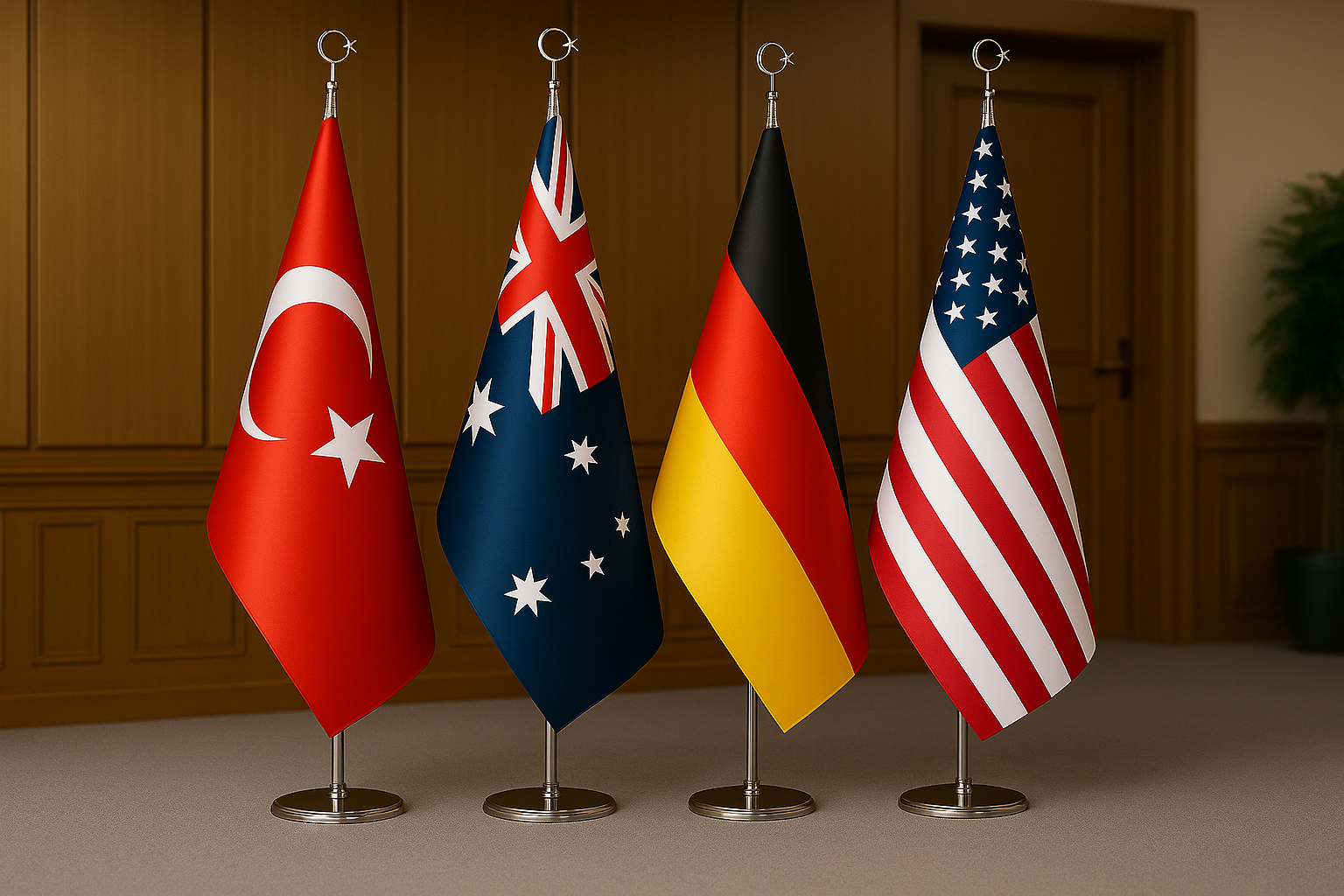
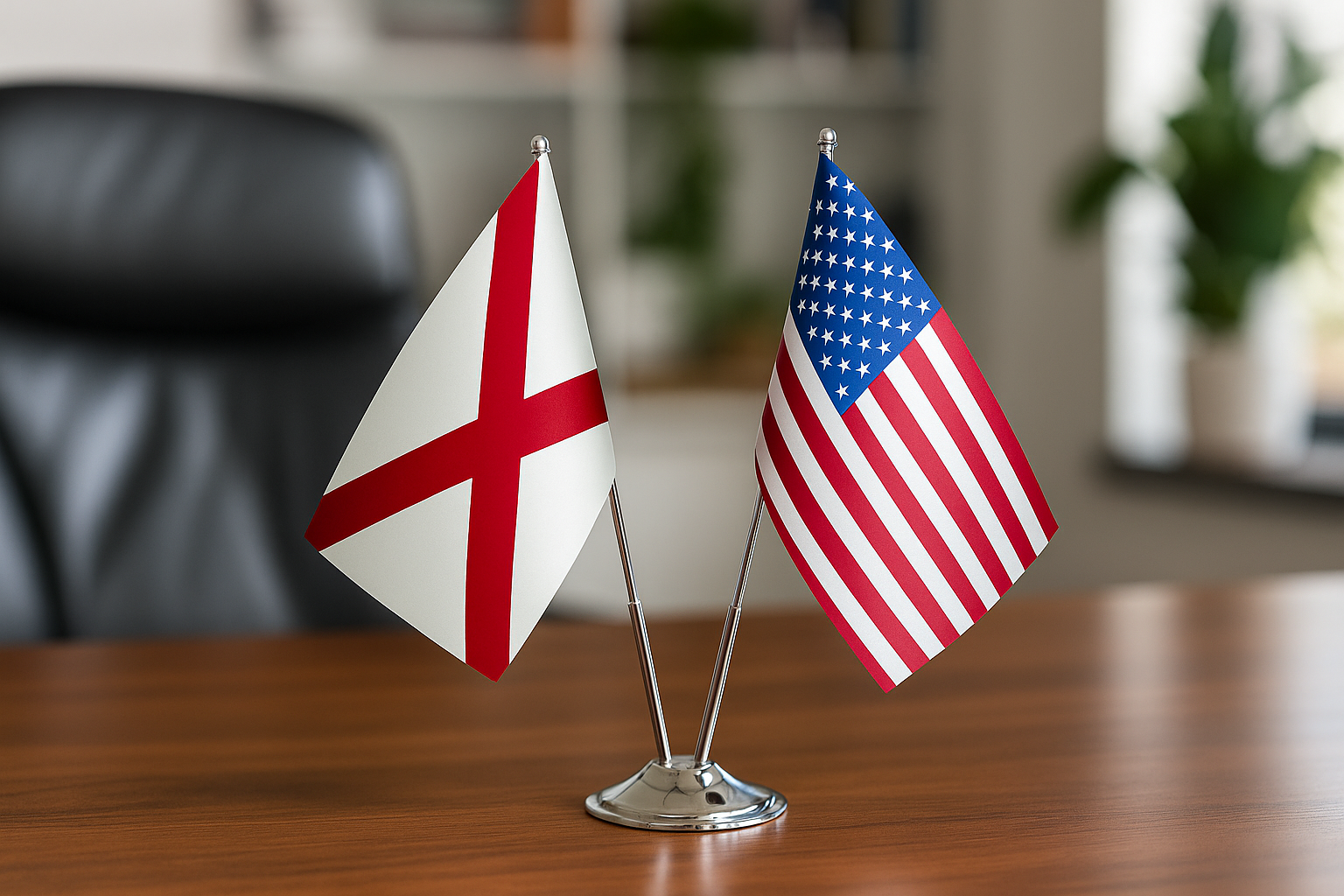
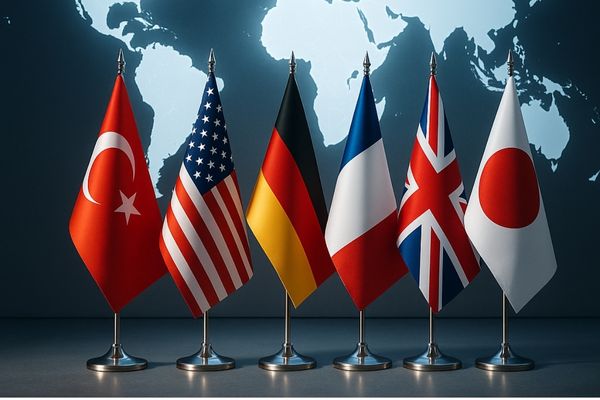

Desk flag prices are shaped by four variables — material, size, print method, and order quantity — and understanding each one helps you buy smarter, whether you need a single desk flag for an executive's office or a hundred units for a multinational conference. This guide walks through every cost driver in plain terms, shows you how the numbers shift with scale, and explains why the cheapest option on paper is rarely the cheapest option over time.
The Four Factors That Determine What You Pay for a Desk Flag
Every desk flag price is ultimately built from four inputs: the fabric or substrate used, the physical size of the flag, the printing process applied, and how many units you order. These four levers interact — a large polyester flag printed digitally and ordered in bulk can cost less per unit than a small nylon flag ordered as a one-off — so it pays to understand each one before committing to a quantity.
Material is the single largest cost driver because it affects raw material cost, ink absorption, and durability longevity simultaneously. Printing method sits just behind it: screen printing has high setup costs that collapse on large runs, while direct digital printing is economical at low quantities but scales differently. Size matters because larger flags consume more fabric, more ink, and require heavier-duty poles and bases. Quantity introduces economies of scale at almost every step of production — cutting, sewing, finishing, packaging — and is the most actionable lever for buyers who have flexibility in their order volume.
How Material Choices Drive Desk Flag Costs
The fabric or substrate is the dominant cost factor in any desk flag order. Knitted polyester is the industry workhorse: it is lightweight, holds color well under UV exposure for 6 months to 2 years of indoor display, and is the most cost-efficient choice for standard offices, schools, and conference rooms.
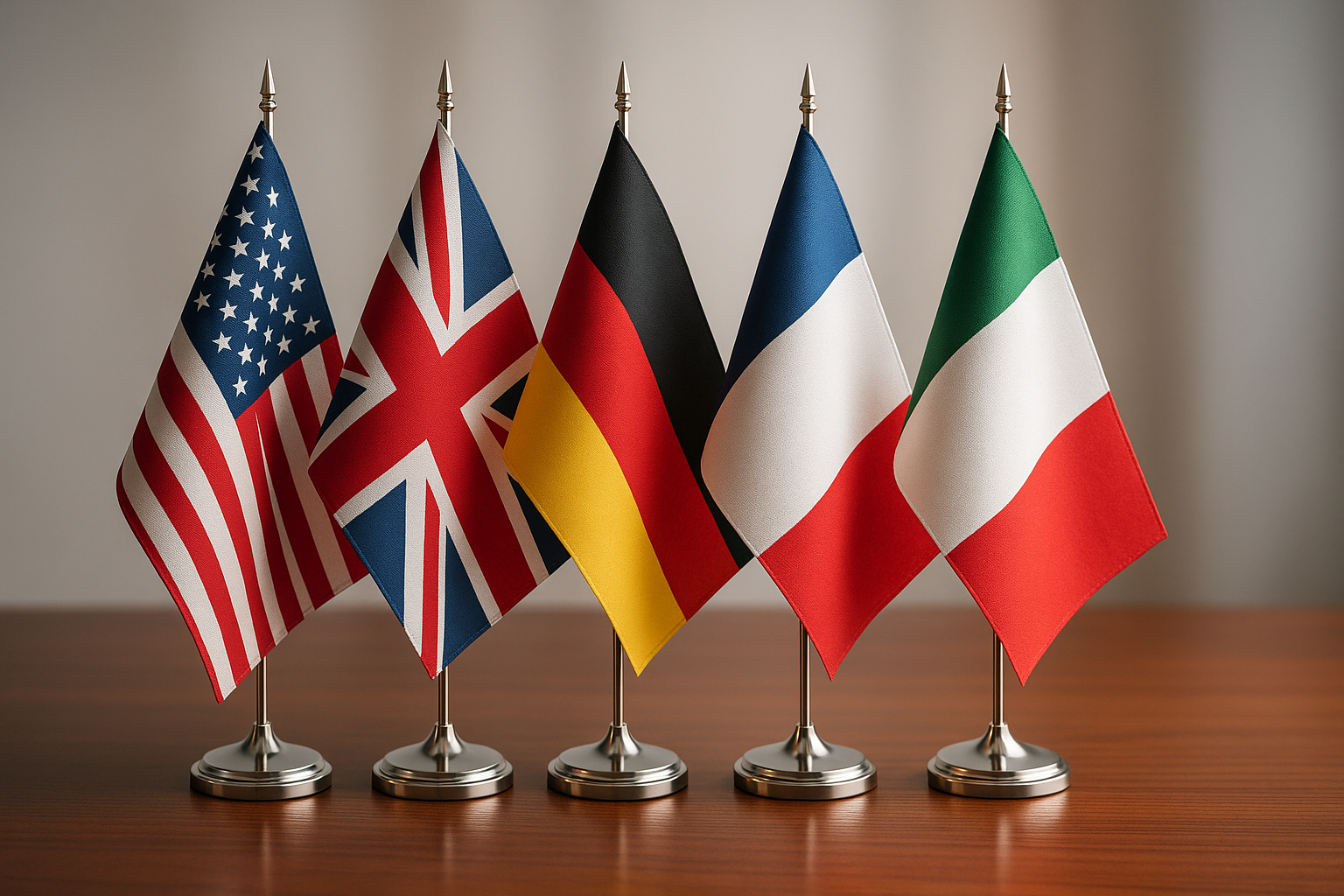
 Knitted polyester is the material behind the classic USA Desk Flag — a perennial choice for government offices, classrooms, and corporate reception desks across the United States. Nylon is a step up: it is lighter than polyester, dries faster, and produces slightly richer color saturation because of its smoother fiber surface, but it carries a meaningfully higher raw material cost that flows directly into the unit price. Woven polyester, sometimes called "heavyweight" desk flag fabric, offers the best color depth and drape of the synthetic options and is preferred for executive boardrooms or ceremonial settings where presentation matters as much as longevity. Satin and silk-look fabrics occupy the premium tier — they are chosen almost exclusively for diplomatic, luxury hospitality, or VIP gifting contexts — and their per-unit cost reflects both the fabric price and the more delicate handling required during production. For buyers focused on total cost of ownership, a mid-grade woven polyester or nylon flag that lasts 18–24 months of daily display will outperform a bargain knit that fades or frays within six months, even if the upfront price is 20–30% higher.
Pole and base materials add a secondary cost layer that buyers often overlook. A chrome-plated steel pole with a weighted cast base costs more to produce than a painted aluminum pole with a plastic base, and this difference shows up directly in the finished product price. For formal environments — a mayor's office, a law firm's conference room, a hotel concierge desk — the investment in a metal base and a polished finial is worth it both aesthetically and in terms of longevity. For high-volume event use where bases and poles are handled roughly, durable mid-grade hardware is usually the smarter economic choice.
How Size Affects the Price of a Desk Flag
Larger desk flags cost more because they consume more material and require heavier hardware — it is a direct, linear relationship with some nonlinear jumps at certain size thresholds. The most common desk flag sizes run from 4 in × 6 in (10 cm × 15 cm) mini flags up to 8 in × 12 in (20 cm × 30 cm) standard office flags, with larger 10 in × 15 in (25 cm × 38 cm) or 12 in × 18 in (30 cm × 45 cm) conference-table sizes available for settings where visual presence is important.
The jump from a 4×6 to an 8×12 flag roughly quadruples the fabric area, which significantly increases both material cost and ink coverage in printing. Pole height scales in proportion — a 4×6 flag typically sits on a 10 in (25 cm) pole, while an 8×12 flag requires a pole of 16–18 in (40–45 cm) to maintain proper visual proportion — and heavier poles require heavier bases to prevent tipping. For a detailed breakdown of how dimensions scale across different use cases and settings, see our guide on standard desk flag dimensions explained, which covers the full size spectrum and pole-height matching in depth.
Current Desk Flag Pricing Reference
The table below reflects current pricing across the desk flag range, organized by size and material tier. Use it as a starting point for budget planning — your final per-unit price will shift based on the configuration and quantity variables discussed in this guide.
Current Price List
| Product | Size | Price | |
|---|---|---|---|
| USA Desk Flag | Standard | $12.25 | Check the live price → |
| Deluxe United States Table Flag | Standard | $15.95 | Check the live price → |
Prices as of August 19, 2026. All sizes and materials

Desk Flags Collection
Every size, material tier, and country or US state option in one place — from single-unit office flags to bulk conference-table sets.
Browse Collection →How Bulk and Corporate Orders Reduce the Per-Unit Cost
Ordering in volume is the single most effective way to reduce per-unit cost on desk flags, because most of the cost savings come from fixed production overheads being spread across more units. Setup costs for cutting dies, screen-printing frames, and quality-control checks are largely the same whether you order 10 flags or 500 — so the more units you produce in a single run, the lower the contribution of those fixed costs per flag.
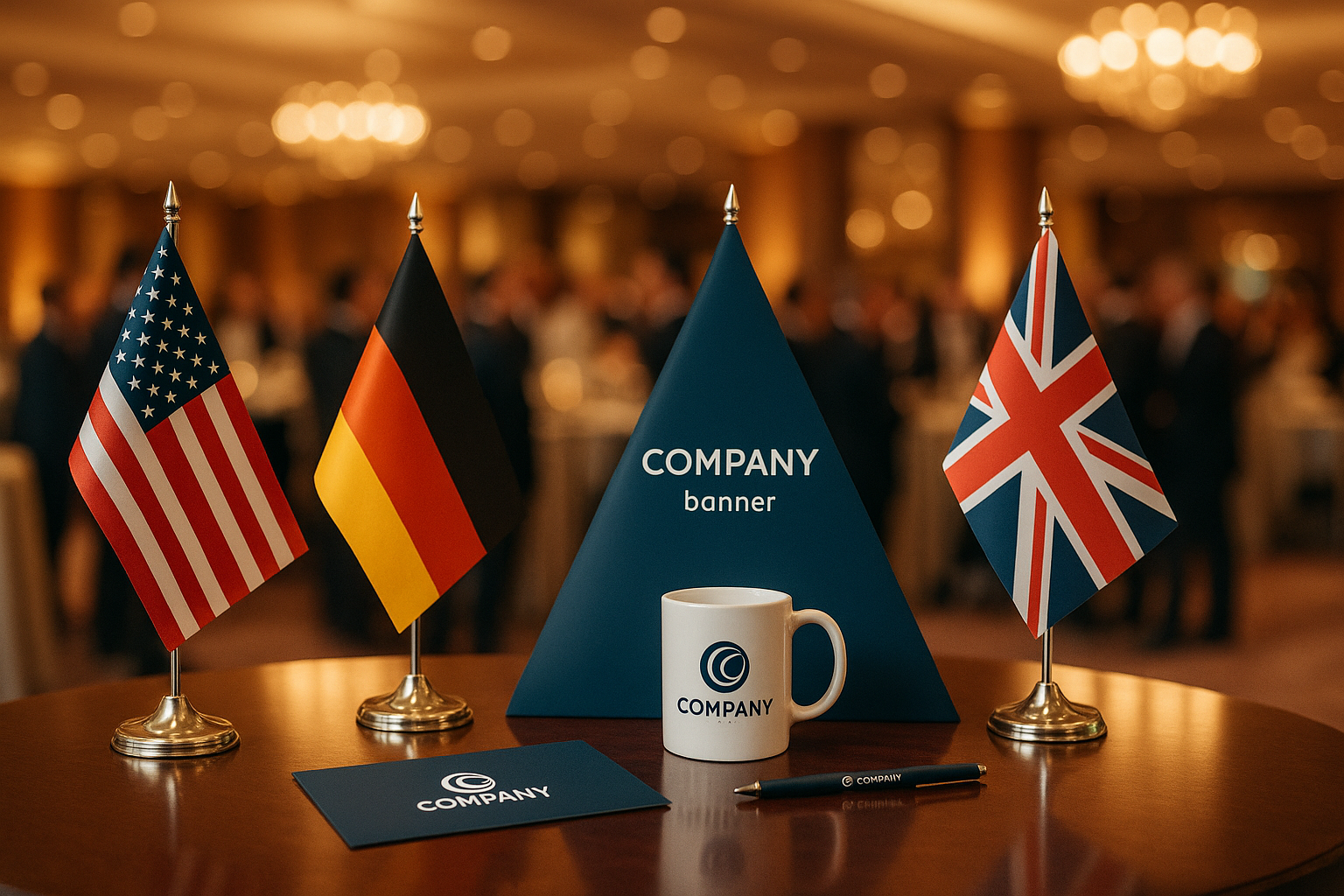
 The Deluxe United States Table Flag is a good illustration of how a premium product can still offer value at scale: the mahogany-finish base and gold eagle finial are more expensive per unit at low quantities, but corporate buyers ordering 50 or more units for boardrooms, hotel lobbies, or government offices see a significant per-unit reduction that makes the upgrade to premium hardware more economically reasonable. Packaging efficiencies compound the savings — bulk orders are packed and shipped together rather than individually, which reduces per-unit freight cost and minimizes the packaging materials charged back to the buyer. Custom branding runs, such as a company logo printed on the flag's hoist sleeve or a branded base insert, have a one-time artwork and setup cost that becomes negligible once it is amortized across a large quantity. For international conference organizers needing country desk flags for every delegation seat, the savings on a 100-unit order versus ten individual 10-unit orders can be substantial — a point covered in detail in our article on ordering country desk flags for conferences and multilingual boardrooms.
Repeat orders also carry pricing advantages. Buyers who establish an account and place recurring orders for replacement flags — common in real estate offices, banks, and hotel chains that replace flags on a scheduled maintenance cycle — can lock in volume pricing even when individual order quantities are modest, because the manufacturer can plan production runs in advance. If you are managing a multi-location business and replacing desk flags across many offices annually, it is worth discussing a standing order arrangement rather than treating each replenishment as a new transaction.
Why Buying the Cheapest Desk Flag Costs More Over Time
The total cost of a desk flag is not its purchase price — it is the purchase price divided by the number of months it looks presentable, plus any replacement labor cost. A desk flag that fades to a washed-out pink within four months of display under office fluorescent lighting and direct window sunlight has a very poor cost-per-month figure, even if it was inexpensive at checkout.
Low-cost desk flags typically cut corners in three areas: fabric weight (lighter fabric frays faster at the fly end), ink quality (cheaper dyes fade faster under UV exposure, even indoors — window-facing flags are particularly vulnerable), and hardware (thin aluminum poles bend under normal handling; lightweight plastic bases tip easily on busy desks). The US Flag Code (4 USC §§ 1–10) does not specify a minimum quality standard for desk flags, but it does reflect the principle that the American flag should be displayed with dignity — a faded, frayed, or leaning flag in a professional setting creates a negative impression that is the opposite of the intended effect. For tips on extending any desk flag's working life regardless of tier — including cleaning, storage, and UV management — the guide on making your desk flag last longer is a practical companion read. A well-maintained mid-grade or premium flag can deliver 18–24 months of crisp display before retirement, while a bargain flag might need replacing at the 3–6 month mark — often meaning the cheaper flag costs more per year of dignified display.
What is the most affordable material for a desk flag that still looks professional? +
What size desk flag is standard, and does size significantly affect the price? +
At what order quantity do bulk pricing discounts typically kick in? +
Does digital printing cost more than screen printing for desk flags? +
How long should a quality desk flag last before it needs replacing? +
Are custom-printed desk flags significantly more expensive than stock designs? +
Does the pole and base type affect the overall desk flag price much? +
Whether you are outfitting a single executive suite or sourcing desk flags for a network of offices, embassies, or conference venues, the right choice comes down to matching material and size to your display environment, then optimizing quantity for cost efficiency. The Desk Flags collection covers every tier from standard office units to premium deluxe sets, including the USA Desk Flag for everyday institutional display and the Deluxe United States Table Flag for formal boardroom or ceremonial settings. Bulk pricing is available for corporate, government, and institutional orders — contact us to discuss volume requirements and standing-order arrangements that deliver consistent quality at predictable cost.


