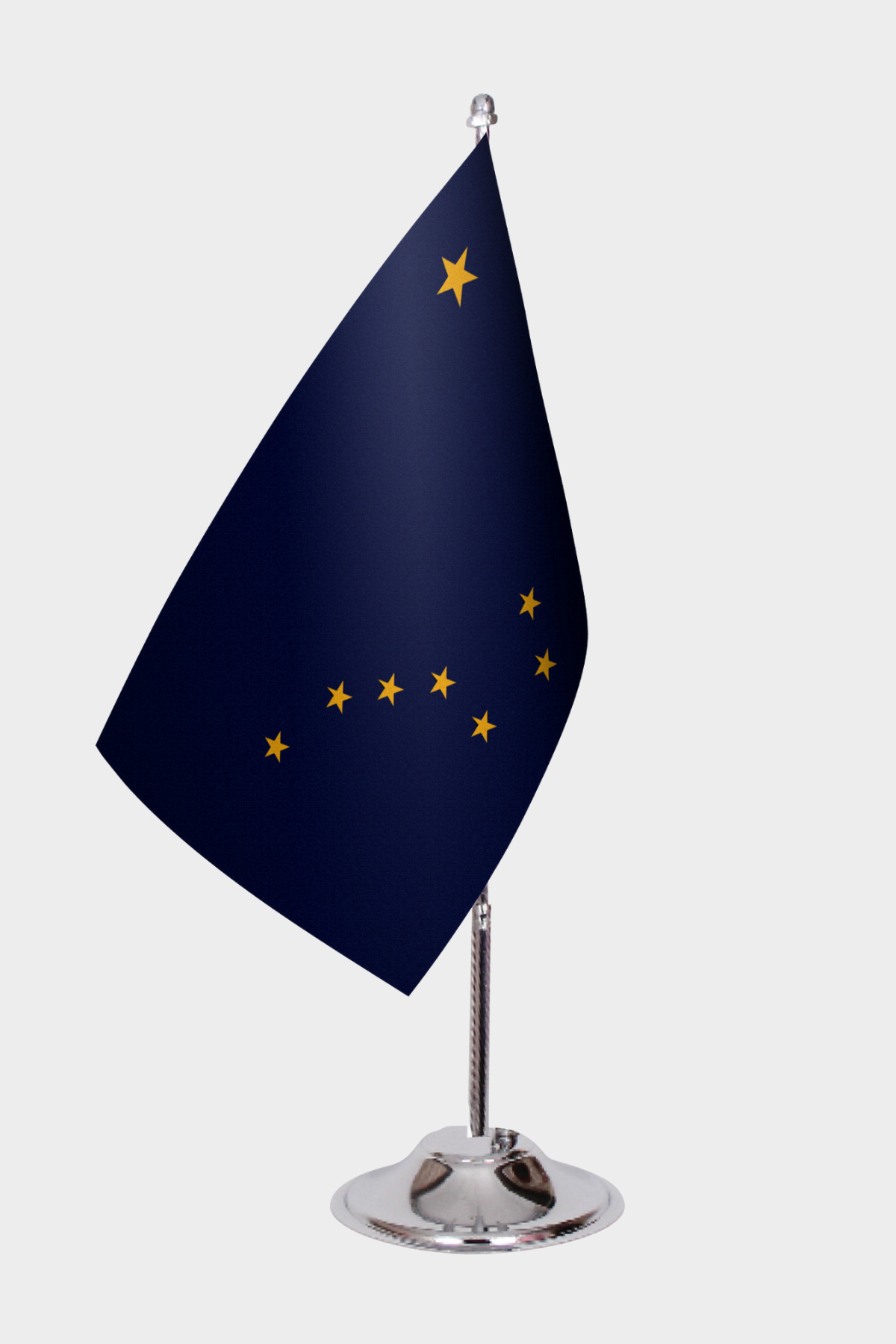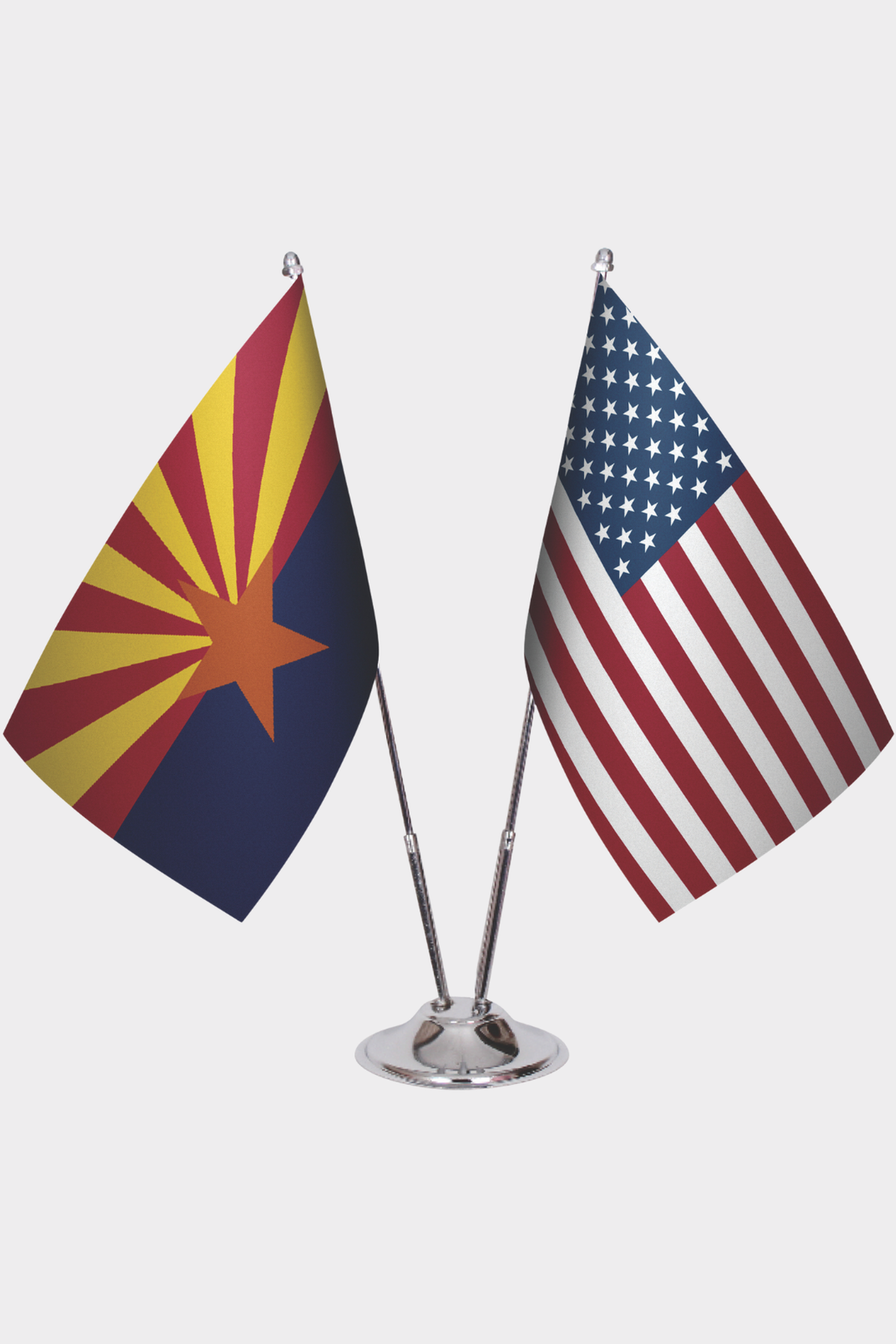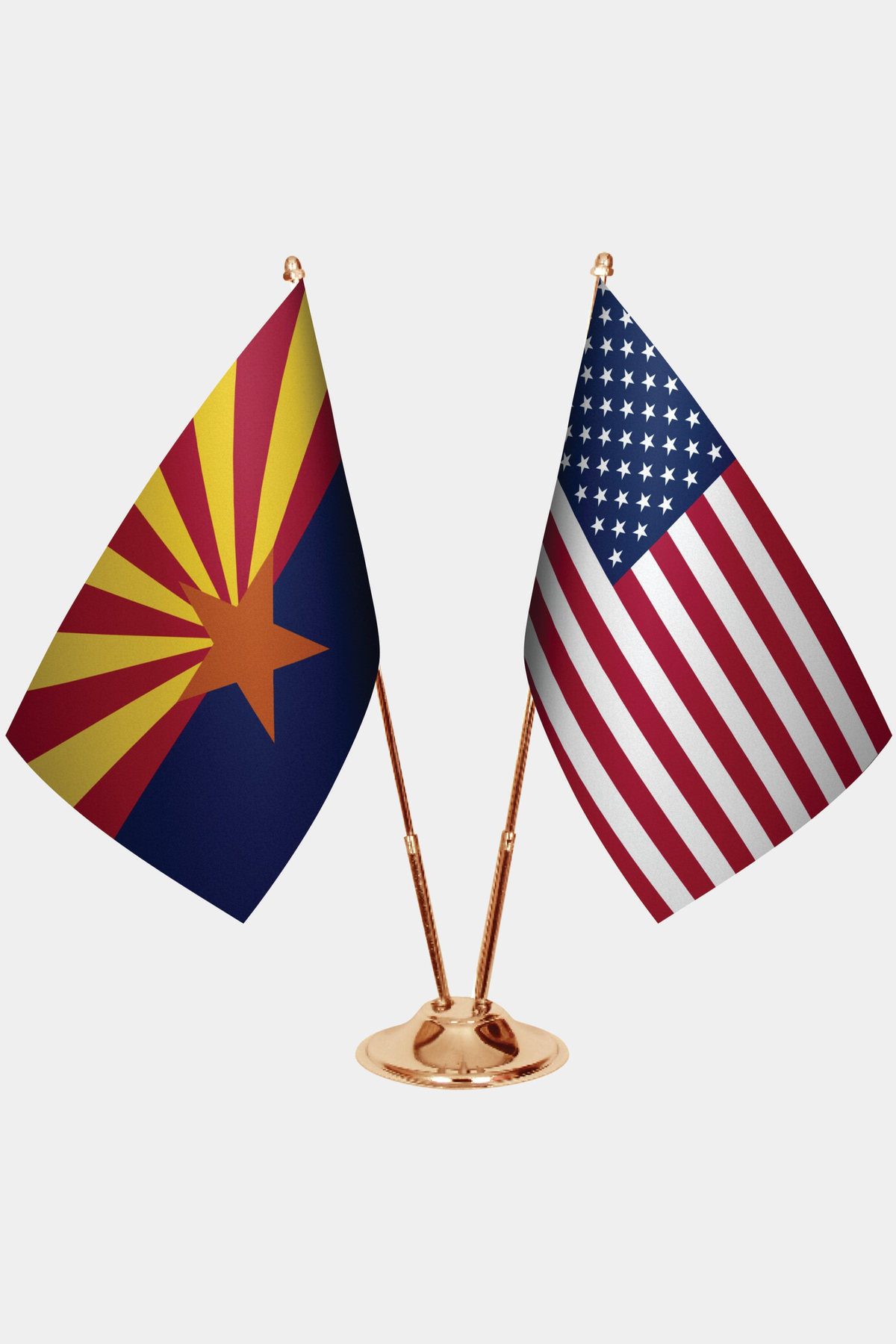

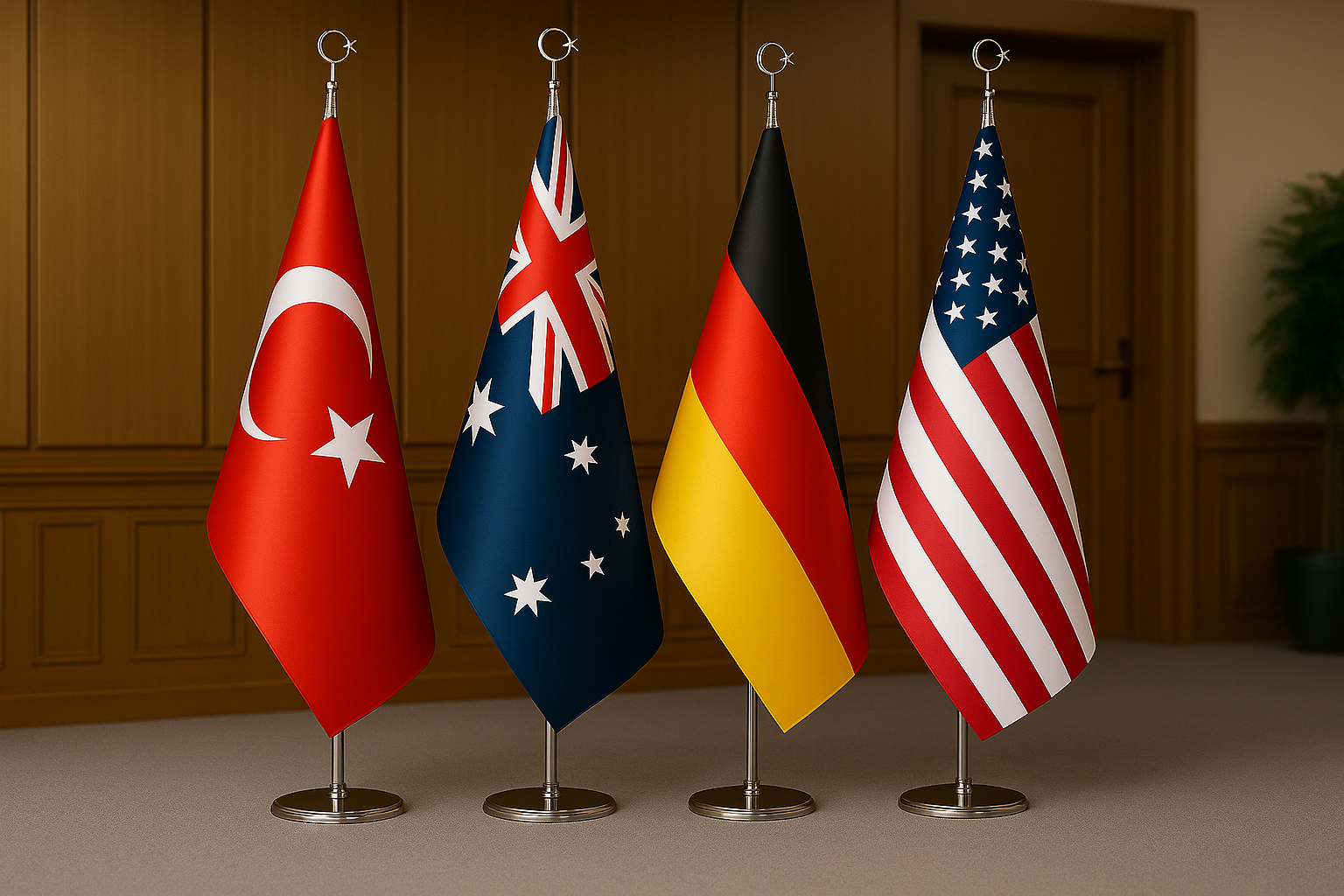

Pennant flag prices are shaped by four core variables — material, size, print method, and order quantity — and understanding each one helps you avoid overpaying whether you need a single display piece or hundreds of units for a school season. Browse the full Pennant Flags collection to see current options across every style and size. This guide breaks down every cost driver clearly, shows how bulk pricing works in practice, and explains why the cheapest pennant per unit often turns into the most expensive decision over time.
The Four Variables That Determine What You Pay for a Pennant
Every pennant flag price, from a single souvenir felt triangle to a ceremony-grade satin banner with gold fringe, comes down to four levers: material grade, finished dimensions, printing complexity, and how many units you order at once. When these four factors are understood upfront, quotes stop feeling arbitrary and start making sense. A buyer who walks in knowing they want a 12 × 30 in (30 × 76 cm) double-sided satin pennant with full-color sublimation in a run of 500 pieces will receive a dramatically different cost structure than someone ordering a single 9 × 24 in (23 × 61 cm) felt pennant with one-color screen print. The interaction between these variables is multiplicative, not additive — upgrading material and size simultaneously while dropping to a single-unit order can push the unit price up by a factor of three or four compared to a well-planned bulk run. Knowing this before you request a quote means you can make trade-offs intentionally: accept a slightly smaller size to stay in your budget, or commit to a larger minimum order to unlock per-unit savings without sacrificing the material quality you actually need.
Material is the first lever. Felt is the traditional pennant substrate — low cost, easy to cut, familiar to anyone who has seen a vintage college pennant on a dorm wall — but it does not hold fine detail well and fades quickly in UV exposure. Polyester satin and heavyweight woven polyester reproduce sharp edges, photographic gradients, and metallic trim elements with far greater fidelity, and they outlast felt by years when displayed indoors or under a canopy. Print method follows from material: felt pennants are typically screen-printed (limited colors per run), while satin and polyester pennants are almost always dye-sublimated (unlimited colors, no setup fee per color). Size is the third lever — fabric consumption scales roughly with the square of the longest dimension, so a pennant that is twice as long uses approximately four times the fabric. Quantity is the fourth lever and the one buyers have the most direct control over: manufacturers amortize setup costs — artwork prep, cutting dies, heat-press calibration — across the full run, so every additional unit in an order reduces what that setup contribution costs per piece.
How Material Choices Move the Price
Material is the single biggest per-unit cost driver in pennant manufacturing, and choosing the wrong one for your use case wastes money regardless of which direction you err. Here is how the main substrates compare in practical terms.
Wool felt is the heritage material for collectible and vintage-style pennants. It is dense, slightly textured, and takes screen-printed text and simple logos well. However, wool felt carries a premium raw material cost, is heavier to ship, and requires dry cleaning for maintenance — factors that raise the total cost of ownership for large institutional orders. For buyers specifically seeking vintage pennants for sale with that classic mid-century look and texture, wool felt is irreplaceable aesthetically, but it is priced accordingly.
Acrylic felt is the commodity option. It is lightweight, inexpensive, and available in a wide color palette. Screen printing adheres reasonably well, and it is the default substrate for promotional pennants where price sensitivity dominates. The trade-off is a noticeably less premium hand-feel and faster color degradation under repeated handling.
Satin polyester is where the market for sports pennants for sale and ceremony pennants has largely moved. Dye sublimation bonds ink directly into the fiber rather than sitting on top of it, producing colors that will not crack, peel, or wash out. Double-sided construction — where two satin layers are bonded face-out with a lining between them — means the design reads correctly from both sides, which is critical for hanging applications, parade use, and display cases. The Gold-Trim Double-Sided Satin Pennant Banner exemplifies this construction: both faces carry the full printed design, and the gold trim adds a ceremony-grade finish that felt simply cannot replicate.
 Satin also enables specialty cuts that felt cannot cleanly achieve. The Gold-Trim Double-Sided Satin Pennant – Oval Cut demonstrates this clearly: the oval silhouette requires precision die-cutting and a clean seam finish all the way around the curve, something that a stiff felt substrate would fray at without additional edge treatment. For institutional buyers — schools, sports programs, government offices, and corporate award programs — satin is the material that photographs well, ships flat without permanent creasing, and holds its presentation quality over years of display. Fringe trim is available in standard gold or silver and adds a formal element that elevates the piece from promotional to ceremonial without requiring a completely different production process. If you are comparing pennant flag for sale options and wondering why two similarly-sized pennants are priced so differently, material and construction grade — single-sided acrylic felt versus double-sided satin with metallic trim — is almost always the explanation.
How Size Affects Pennant Flag Pricing
Larger pennants cost more in direct proportion to their fabric area, but the relationship is not perfectly linear because cutting waste, finishing time, and packaging costs all scale differently with size. A pennant that is 50% longer does not cost exactly 50% more — it typically costs 60–80% more once those downstream costs are included.
Standard pennant sizes in the US market run from miniature desk or display versions at roughly 4 × 10 in (10 × 25 cm) up to large wall-mount and parade formats at 18 × 48 in (46 × 122 cm) or larger. The most common retail and sports souvenir size is 9 × 24 in (23 × 61 cm), which is the format most people picture when they search for sports pennants for sale. School ceremony sizes are typically larger — 12 × 30 in (30 × 76 cm) or 15 × 40 in (38 × 102 cm) — because they need to read clearly at the back of an auditorium. Swallowtail pennants, which carry the forked tail cut associated with nautical and ceremonial use, follow FIAV presentation standards and are typically produced in proportional ratios rather than arbitrary dimensions; the Swallowtail Pennant Flags collection covers those formats specifically.
 The practical implication for buyers is straightforward: if your budget is fixed, reducing the finished size by 15–20% often saves more than switching from satin to felt, because you preserve print quality while cutting raw material cost. Conversely, if a pennant needs to serve as a wall centerpiece or hang at the front of a stage, shortchanging the size compromises visual impact in a way no amount of print quality can recover. The Fringed School Ceremony Pennant is designed specifically for the larger ceremony format — the proportions are tuned so the fringe reads as a deliberate design element rather than a thin border lost at distance. For string or garland applications where many smaller pennants are displayed in series, the individual-unit size matters less than the spacing and total run length; our related guide on string pennants for storefronts and lots covers that sizing logic separately.
Current Pennant Flag Price Reference
The price ranges below reflect production costs across the material, size, and construction combinations described in this guide. Single-unit prices represent the standard retail cost; volume pricing tiers are detailed in the next section.
Current Price List
| Product | Size | Price | |
|---|---|---|---|
| Atatürk Swallowtail Pennant Flag | 50x100 cm | $6.95 | Check the live price → |
| 50x120 cm | $6.95 | Check the live price → | |
| 50x150 cm | $8.95 | Check the live price → | |
| 75x150 cm | $12.95 | Check the live price → | |
| 75x200 cm | $15.95 | Check the live price → | |
| Fringed School Ceremony Pennant | Base Only | $35.95 | Check the live price → |
| Pole Only | $40.95 | Check the live price → | |
| Flag Only | $49.95 | Check the live price → | |
| Complete Set | $89.95 | Check the live price → | |
| Gold-Trim Double-Sided Satin Pennant Banner | 8x10 cm | $2.95 | Check the live price → |
| 15x20 cm | $3.95 | Check the live price → | |
| 20x30 cm | $4.95 | Check the live price → | |
| 30x45 cm | $5.95 | Check the live price → | |
| Gold-Trim Double-Sided Satin Pennant – Oval Cut | 8x10 cm | $2.95 | Check the live price → |
| 15x20 cm | $3.95 | Check the live price → | |
| 20x30 cm | $4.95 | Check the live price → | |
| 30x45 cm | $5.95 | Check the live price → |
Prices as of August 21, 2026. All sizes and materials

Pennant Flags Collection
Every pennant style — felt, satin, fringed, swallowtail, oval-cut, double-sided — across the full size and quantity range, with bulk pricing available.
Browse Collection →How Bulk and Corporate Orders Reduce Per-Unit Cost
Ordering in volume consistently delivers the most significant per-unit savings available in pennant manufacturing — typically 30–55% below single-unit pricing at the 250+ unit tier, and even greater reductions at 1,000 units or more. The mechanism is simple: setup costs are fixed, so spreading them across more units lowers what each unit must absorb.
Setup costs in pennant production include artwork digitization or print file preparation, cutting die fabrication (for custom silhouettes), heat-press calibration runs, and quality control inspection time for the first articles off the line. For a run of 25 units, those fixed costs represent a large fraction of the total invoice. For a run of 500 units, they become almost negligible per piece. This is why sports leagues, school districts, corporate incentive programs, and event organizers can acquire high-quality satin pennants with full-color sublimation at per-unit costs that would seem impossible at retail — they are buying the same product, just at a quantity that makes the economics work for both buyer and manufacturer.
Institutional buyers should also consider the value of consistent color matching across a large run. Dye sublimation on polyester satin is highly repeatable, meaning unit 1 and unit 500 in a run will be visually identical — critical for teams, schools, and brands that treat color consistency as a quality standard. The Atatürk Swallowtail Pennant Flag is a good example of a ceremonially significant design where exact color and proportion consistency across a full production run is non-negotiable. Custom pennant programs — where buyers supply their artwork and receive fully branded pennants — are handled through the Custom Pennants collection, which supports corporate, institutional, and government orders with dedicated account management and bulk pricing structures. For buyers researching how bulk pricing works across other flag categories, the methodology described in our guide on buying flags in bulk and what drives price applies equally here.
Why the Cheapest Pennant Often Costs the Most Over Time
A low-cost acrylic felt pennant will almost always need to be replaced within one to two seasons of active display use, while a comparable satin pennant with sublimated print typically retains its appearance for five or more years indoors — making the felt option two to four times more expensive on a cost-per-year basis. This is the central reason experienced institutional buyers specify material grade before price.
The hidden costs of cheap pennants accumulate in several ways. First, reorder frequency: a school that purchases felt pennants for its trophy case replaces them every 18–24 months as colors fade and edges fray. A school that purchases sublimated double-sided satin pennants replaces them every 6–10 years. At scale, the difference in total spend over a decade is substantial. Second, presentation degradation: a faded, fraying pennant displayed in a lobby or gymnasium communicates the opposite of the pride and achievement it was meant to represent — the reputational cost is real even if it is hard to quantify. Third, rush reorder costs: institutions that buy cheap often find themselves placing small emergency reorders at full single-unit pricing to replace damaged pieces, wiping out any savings from the original purchase.
The Fringed School Ceremony Pennant addresses this directly — it is constructed for repeated ceremonial handling, with a reinforced sleeve and fringe that is sewn rather than glued, so it survives years of annual graduation and awards ceremonies without visible wear. Buyers comparing pennant flag for sale options should request a sample and examine the fringe attachment method and print surface before committing to a large order. A pennant that costs modestly more per unit but lasts three times longer is not a premium purchase — it is the economical choice made visible only when you calculate across the full replacement cycle.
Where can I buy pennant flags in bulk for a sports league or school? +
Are sports pennants still made from felt, or has the material changed? +
What makes a vintage-style pennant different from a standard pennant? +
What is the typical price range for a pennant flag? +
Can I order a pennant with my own logo or custom artwork? +
How long does a pennant flag last in indoor display conditions? +
What is a swallowtail pennant and when is it used? +
Whether you are sourcing a single ceremony piece or planning a full institutional program, the right starting point is matching material and construction grade to your actual use case before comparing prices. The Pennant Flags collection covers the full range — from entry-level felt to ceremony-grade double-sided satin with gold trim — with detailed specifications on each product page. For custom designs with your logo or branding, the Custom Pennants collection handles full artwork integration with bulk pricing starting at competitive minimums. Specialty swallowtail formats for formal or diplomatic display are available through the Swallowtail Pennant Flags collection. Bulk pricing is available for corporate, government, and institutional orders — contact us directly for tiered quotes on orders of 100 units or more.