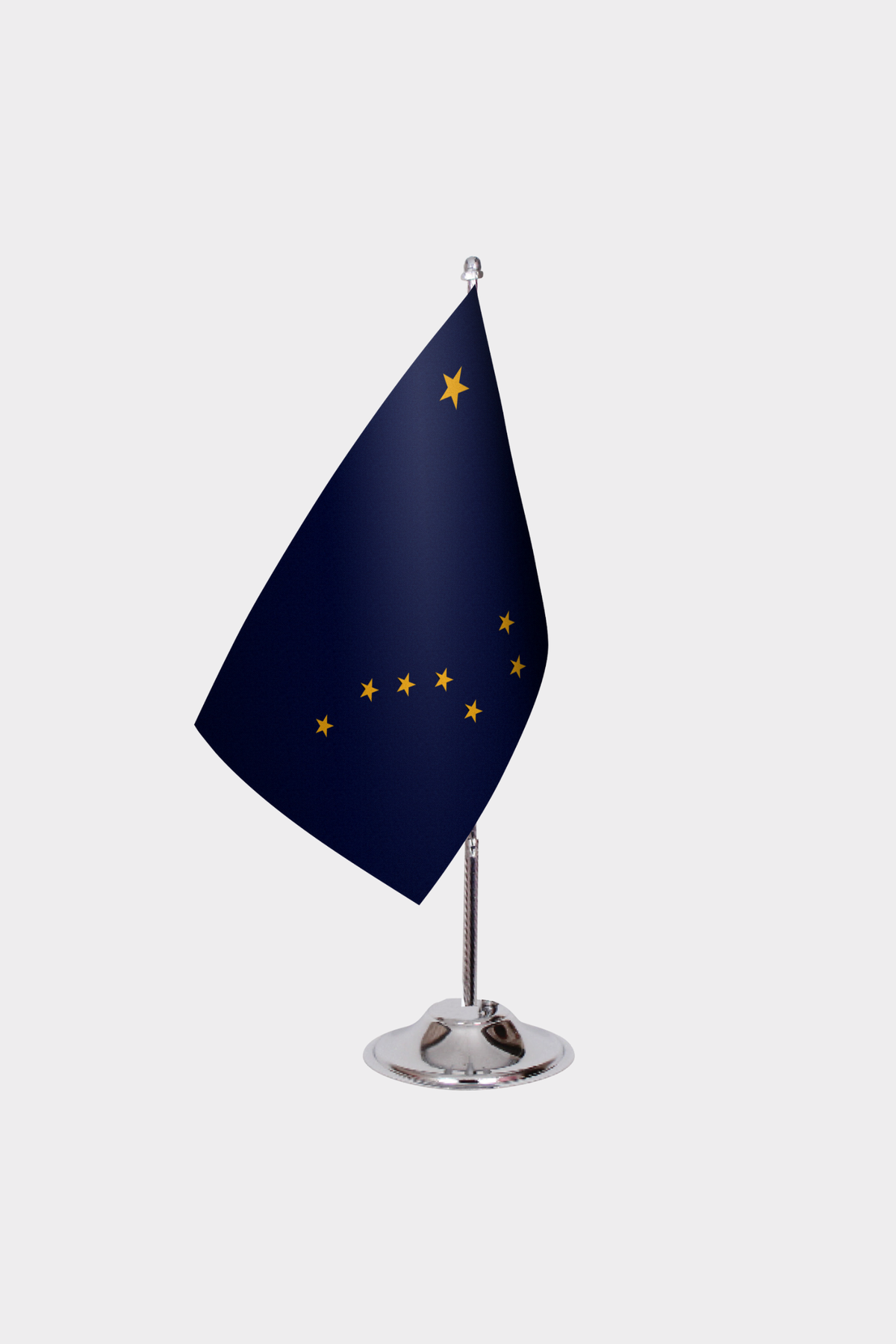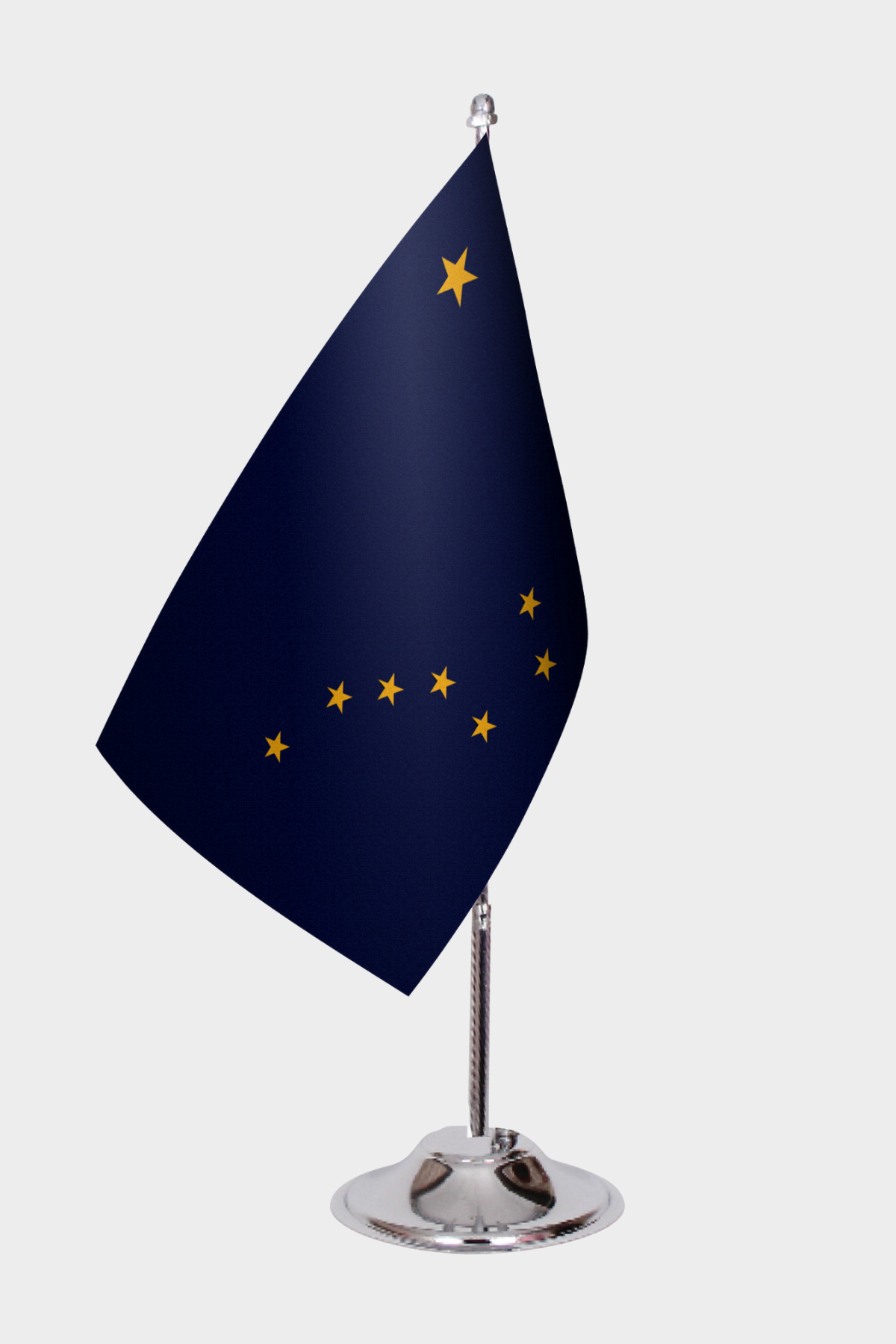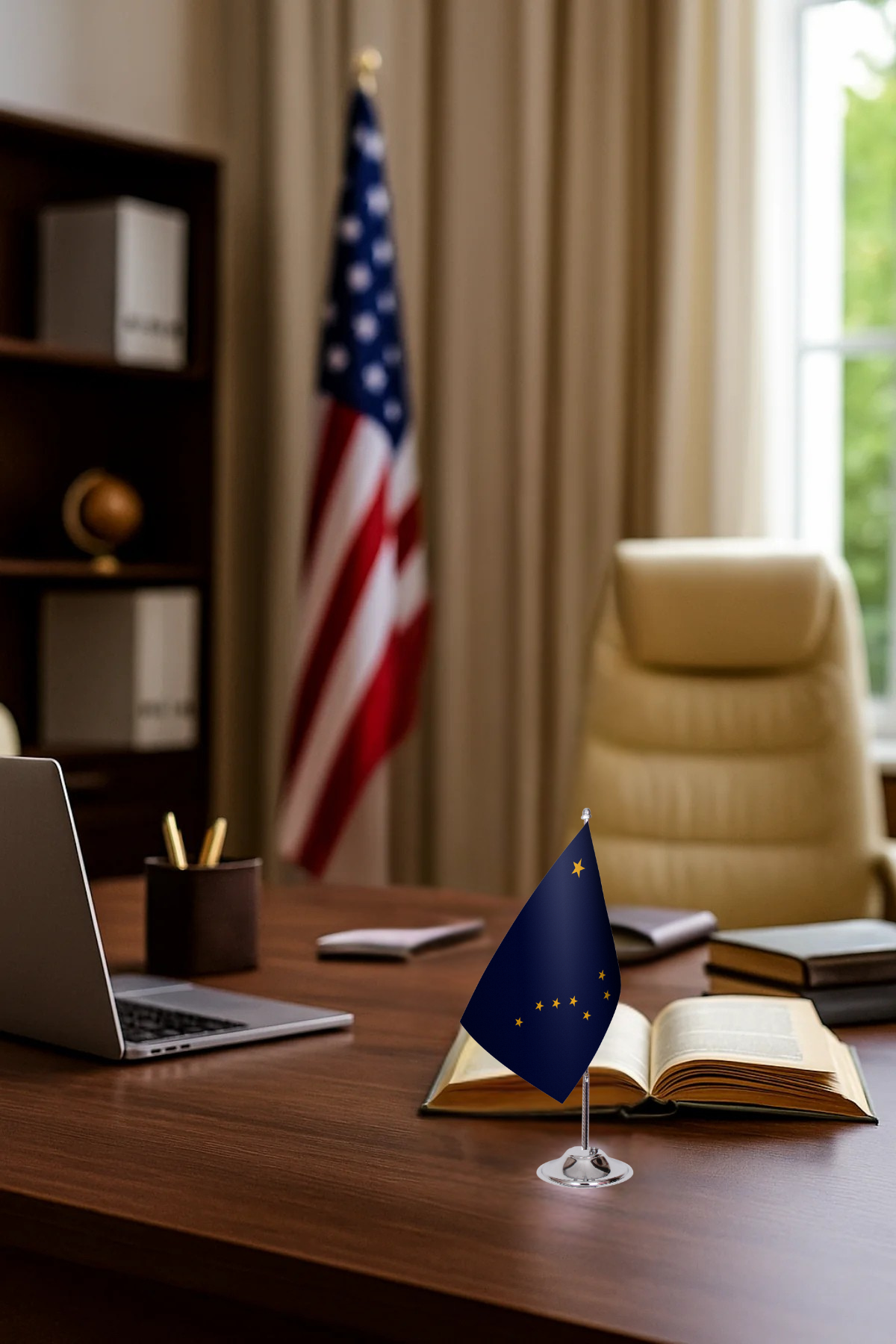

Custom flag printing costs per unit are driven by four variables — material, size, print method, and order quantity — and understanding each one helps you budget accurately and avoid paying for more (or less) than you actually need. Whether you're ordering a single branded display piece or outfitting an entire sales floor, our Corporate Flags collection covers the full range of printed flag formats with transparent pricing based on exactly these factors.
What Actually Sets the Price of a Custom Printed Flag
Four factors determine the unit cost of any custom printed flag: material, size, printing method, and quantity. Every price difference you see between two seemingly similar flags traces back to one or more of these variables — understanding them gives you a reliable mental model before you request a quote.
Material is the single biggest cost lever. Knitted polyester, woven polyester, nylon, and specialty fabrics each carry different base costs, different dye-absorption properties, and different expected lifespans. Size directly affects material consumption and print time; a flag twice as tall uses roughly four times the fabric area. Printing method — dye sublimation versus direct digital versus screen printing — changes both the upfront setup cost and the per-unit production cost at scale. Quantity spreads the fixed costs (design checks, machine setup, cutting, finishing) over more units, which is why the cost per flag drops meaningfully when you cross certain quantity thresholds.
These four variables are also interdependent. A large dye-sublimated flag on premium knit polyester in a run of five is priced very differently from the same artwork on standard polyester in a run of fifty. Getting an accurate quote means specifying all four at once, not just the size or just the quantity.
How Material Choice Affects What You Pay Per Flag
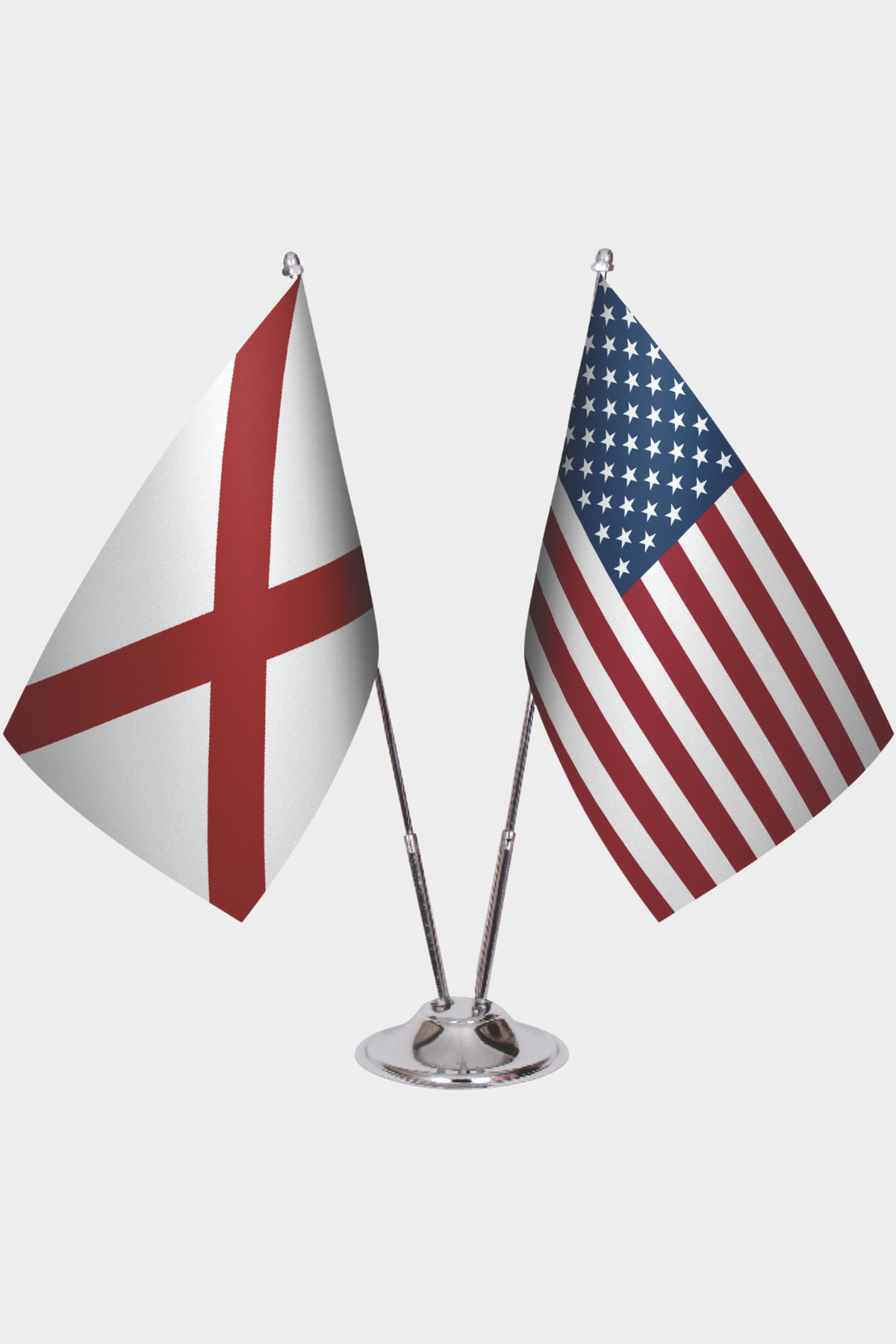
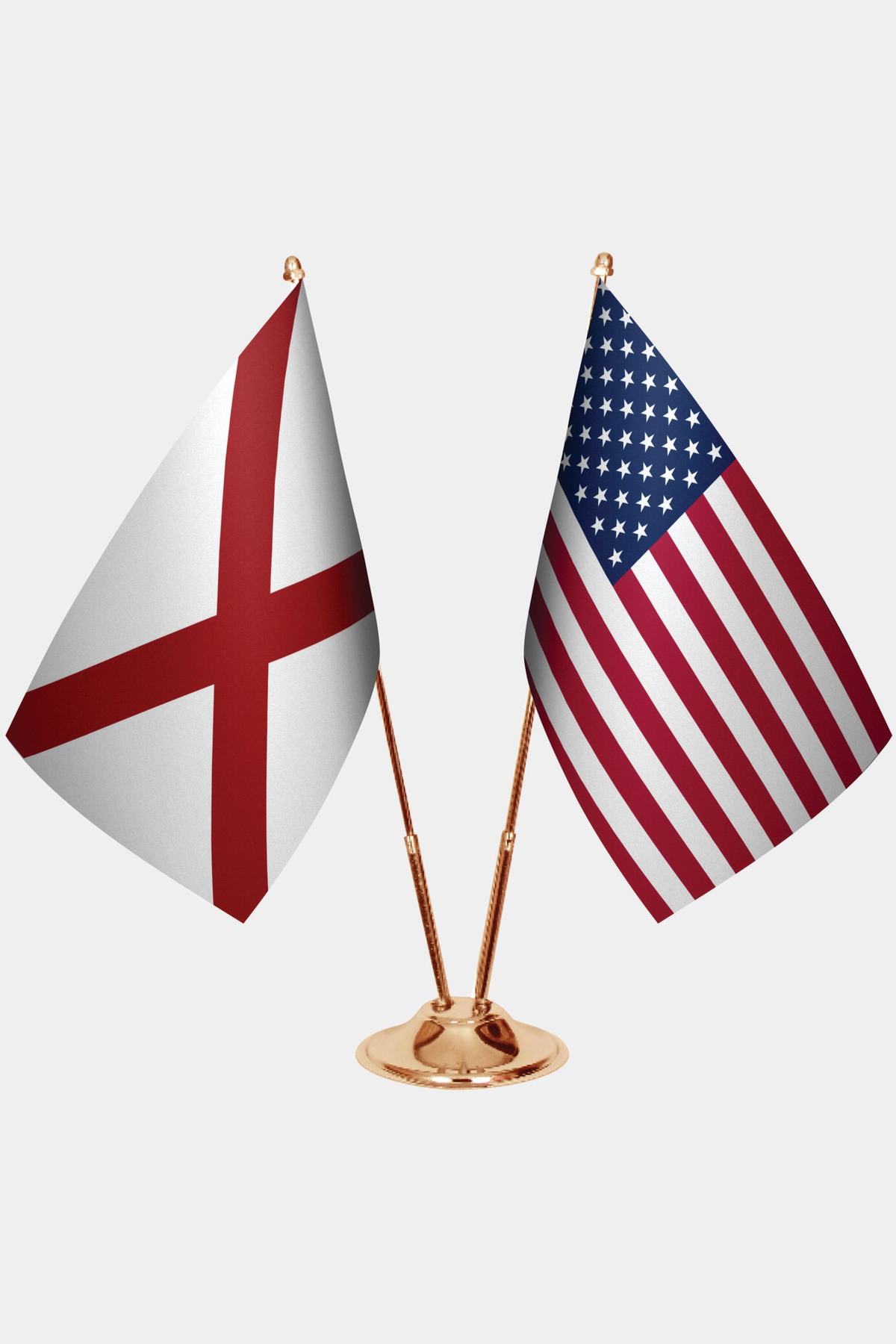
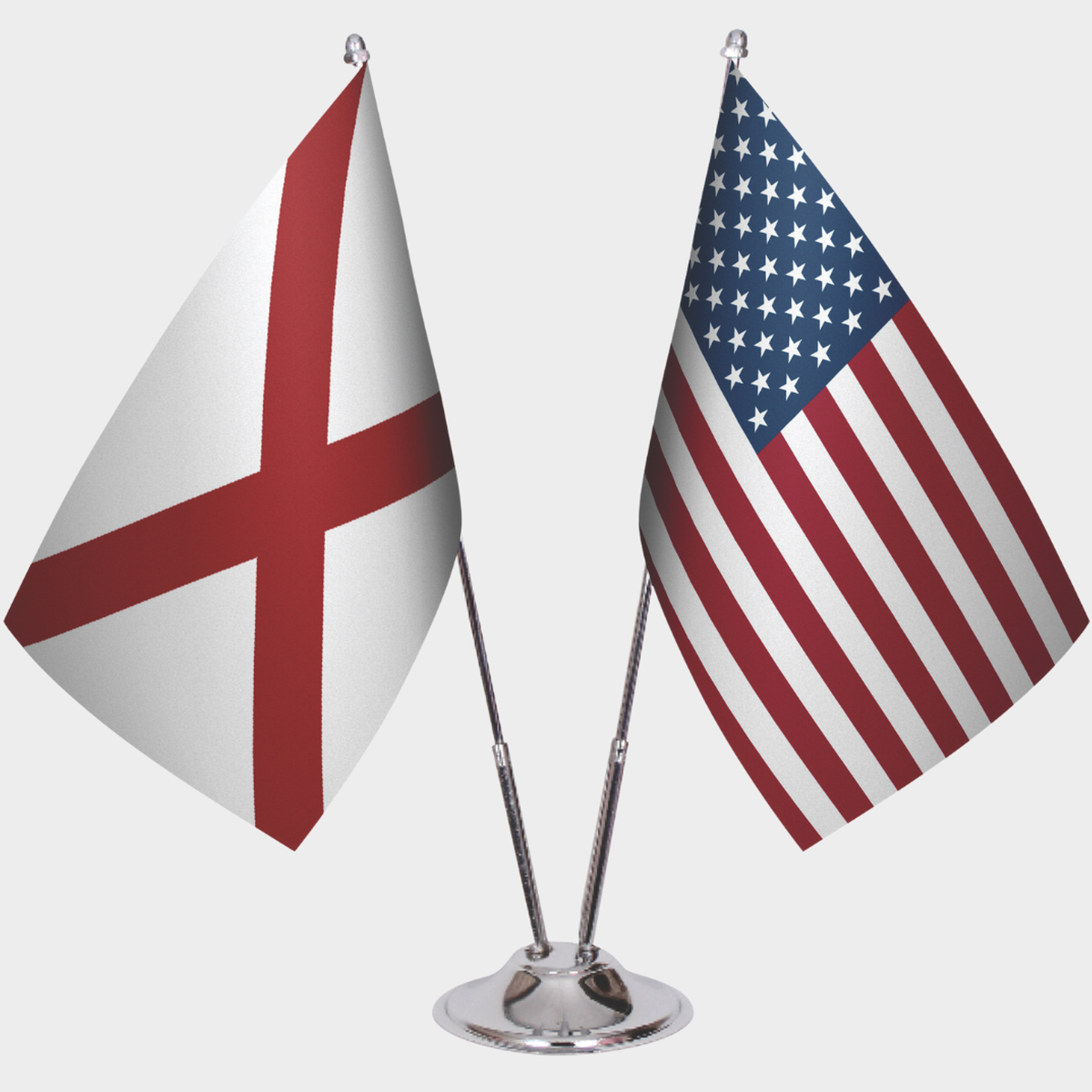
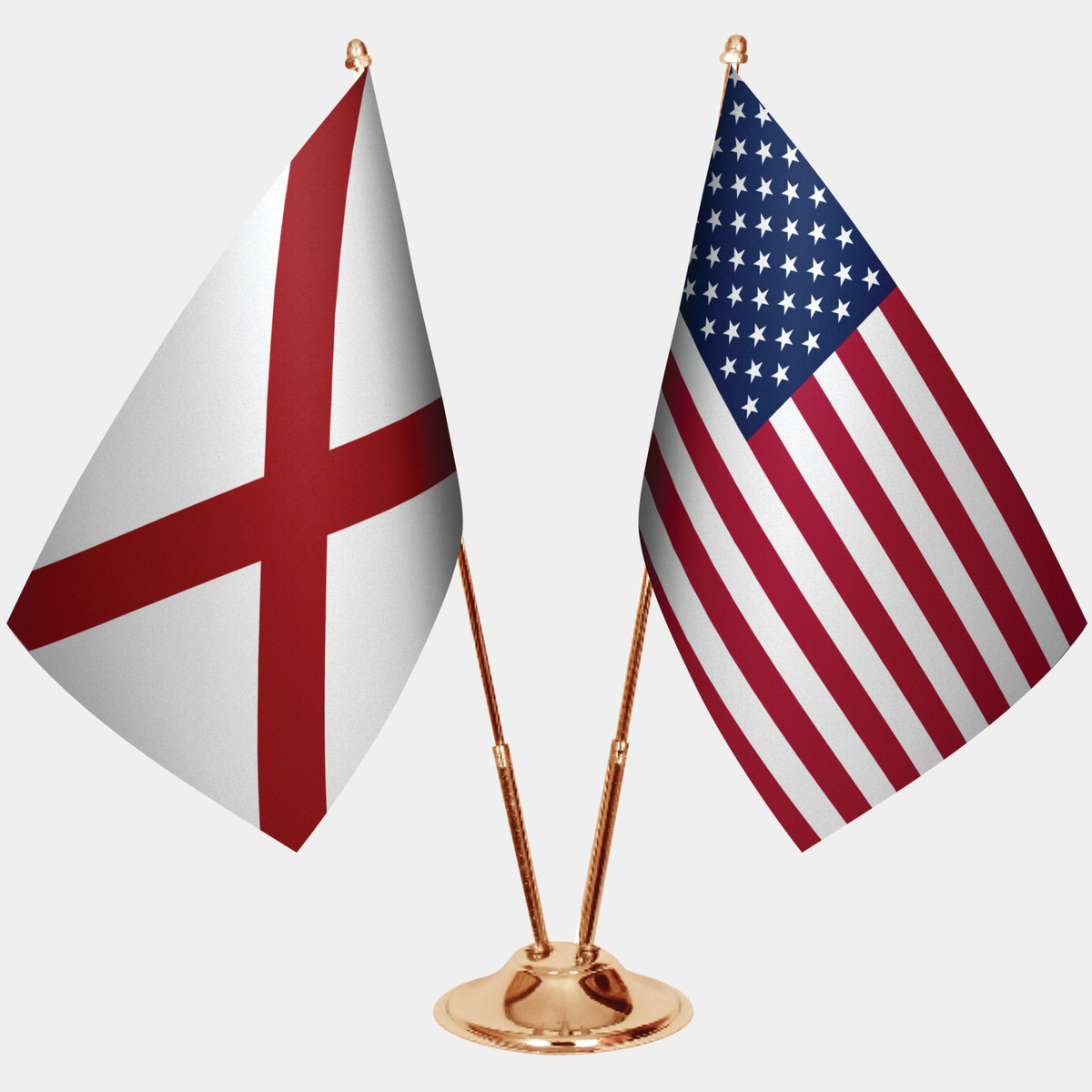
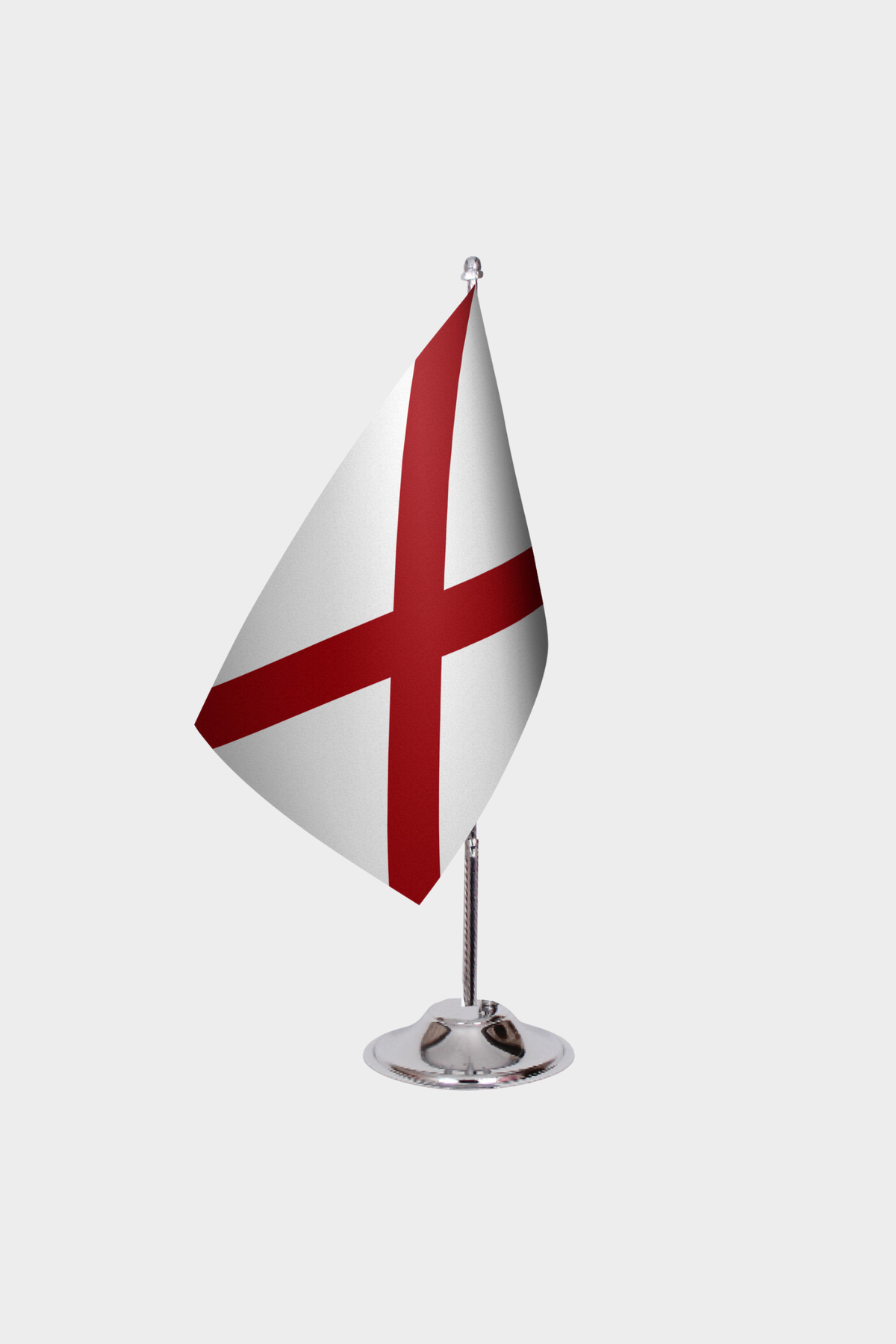
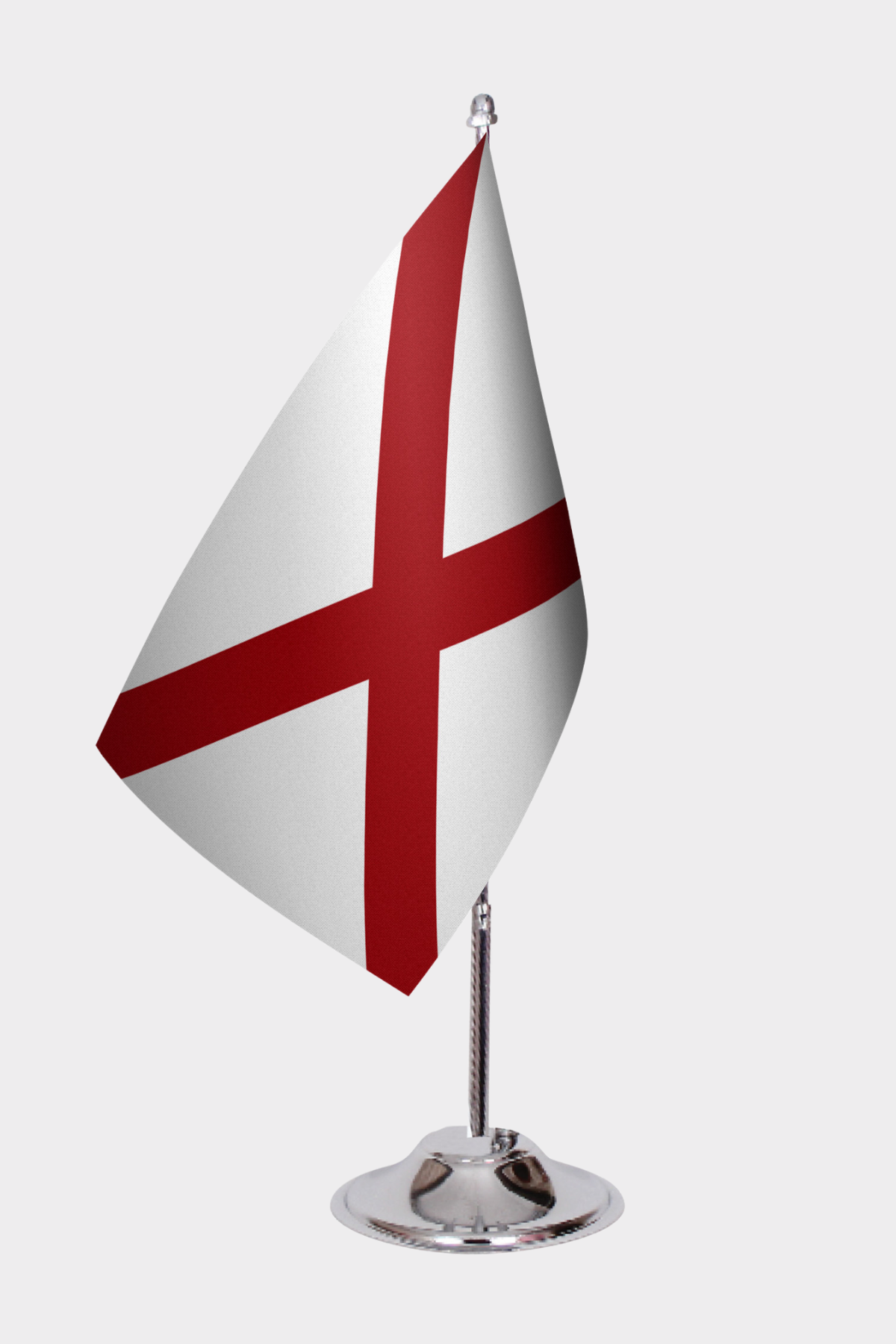
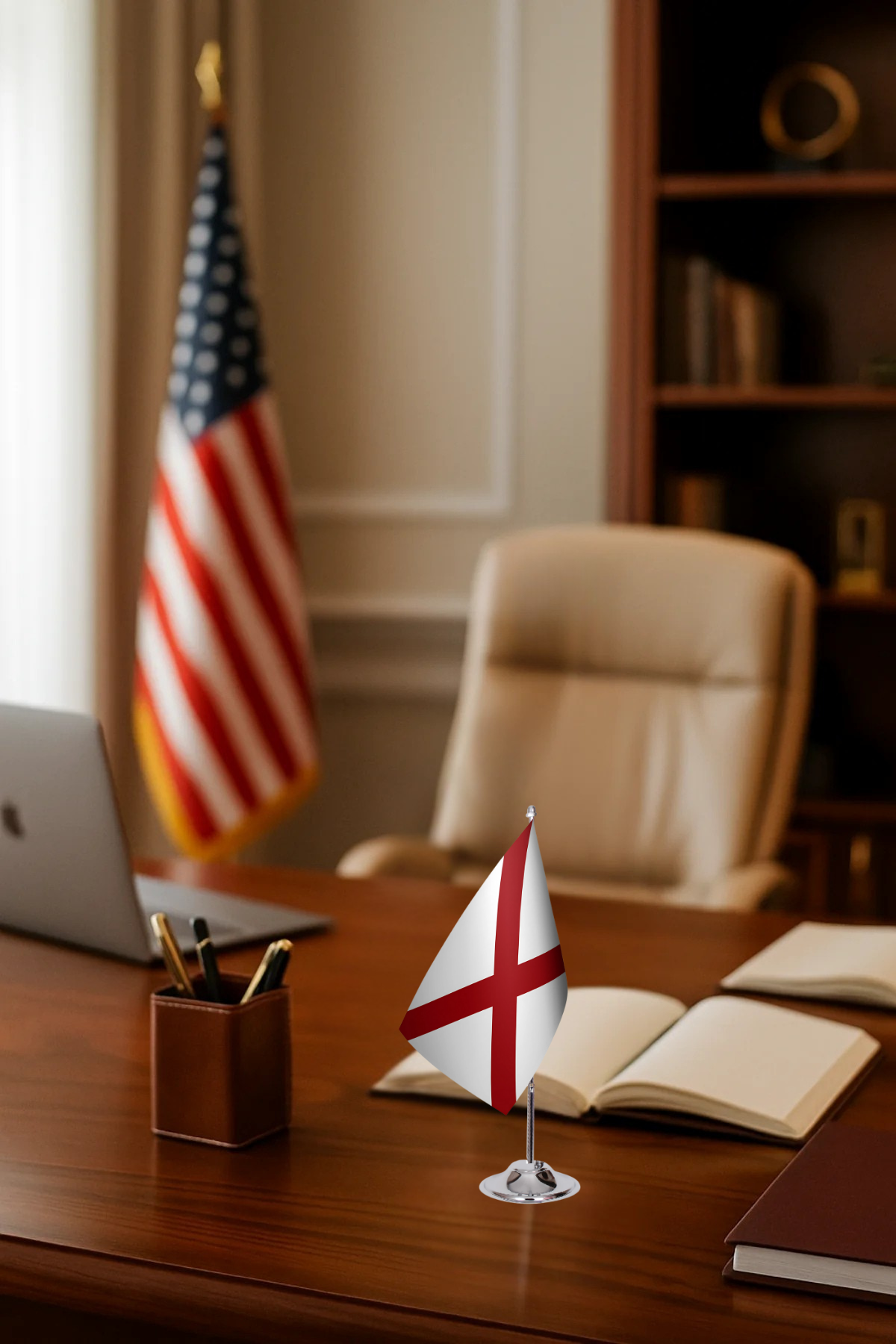
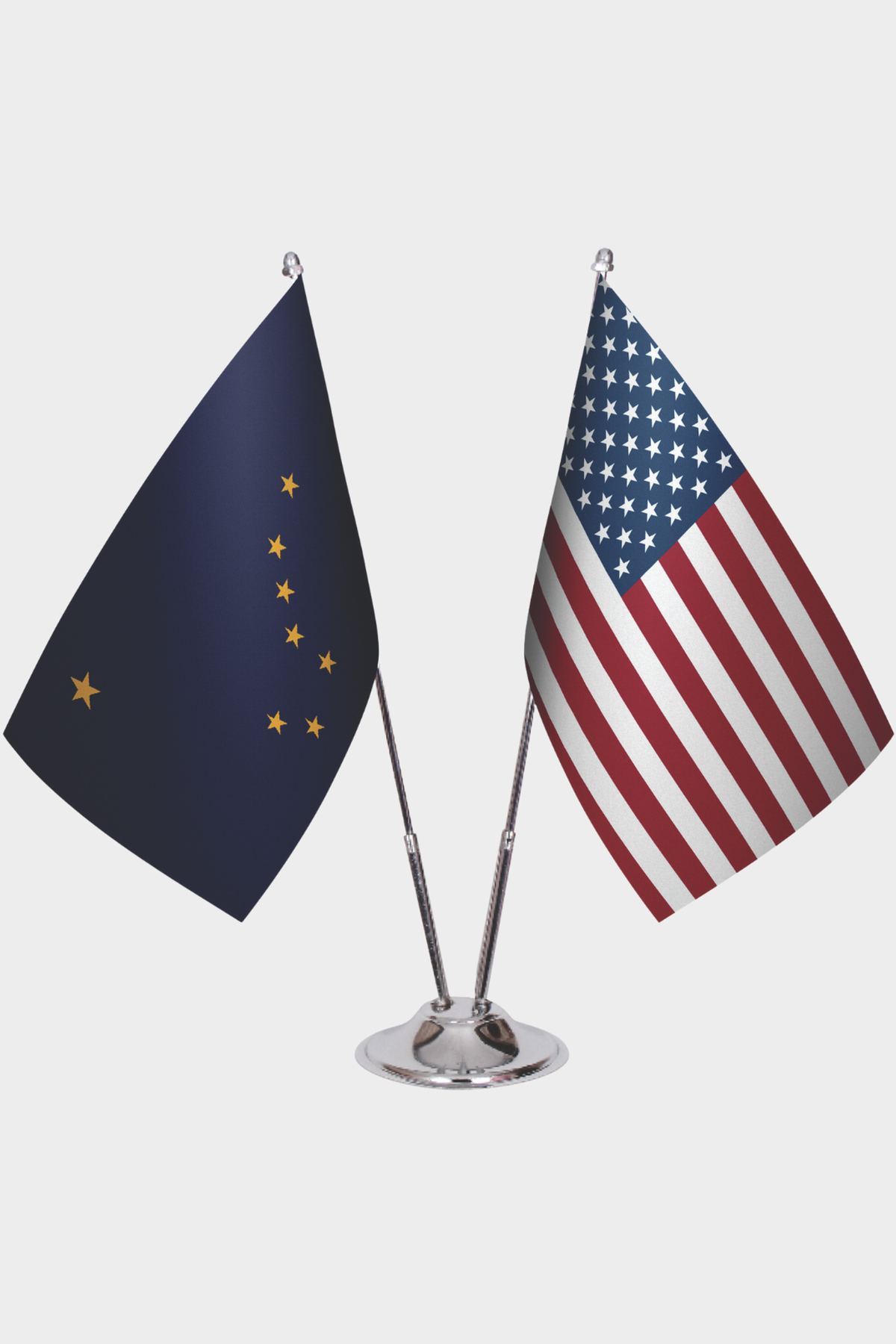
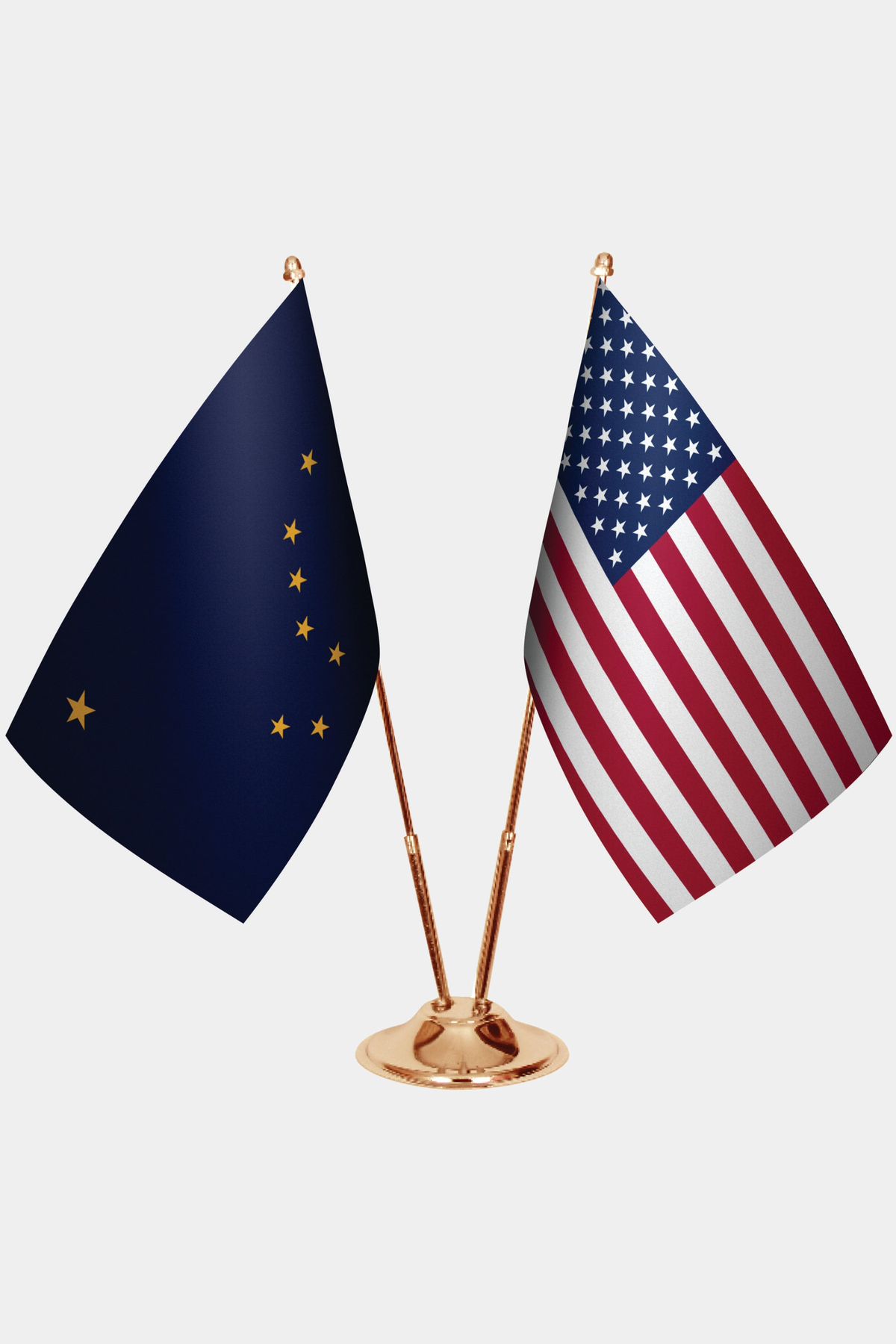
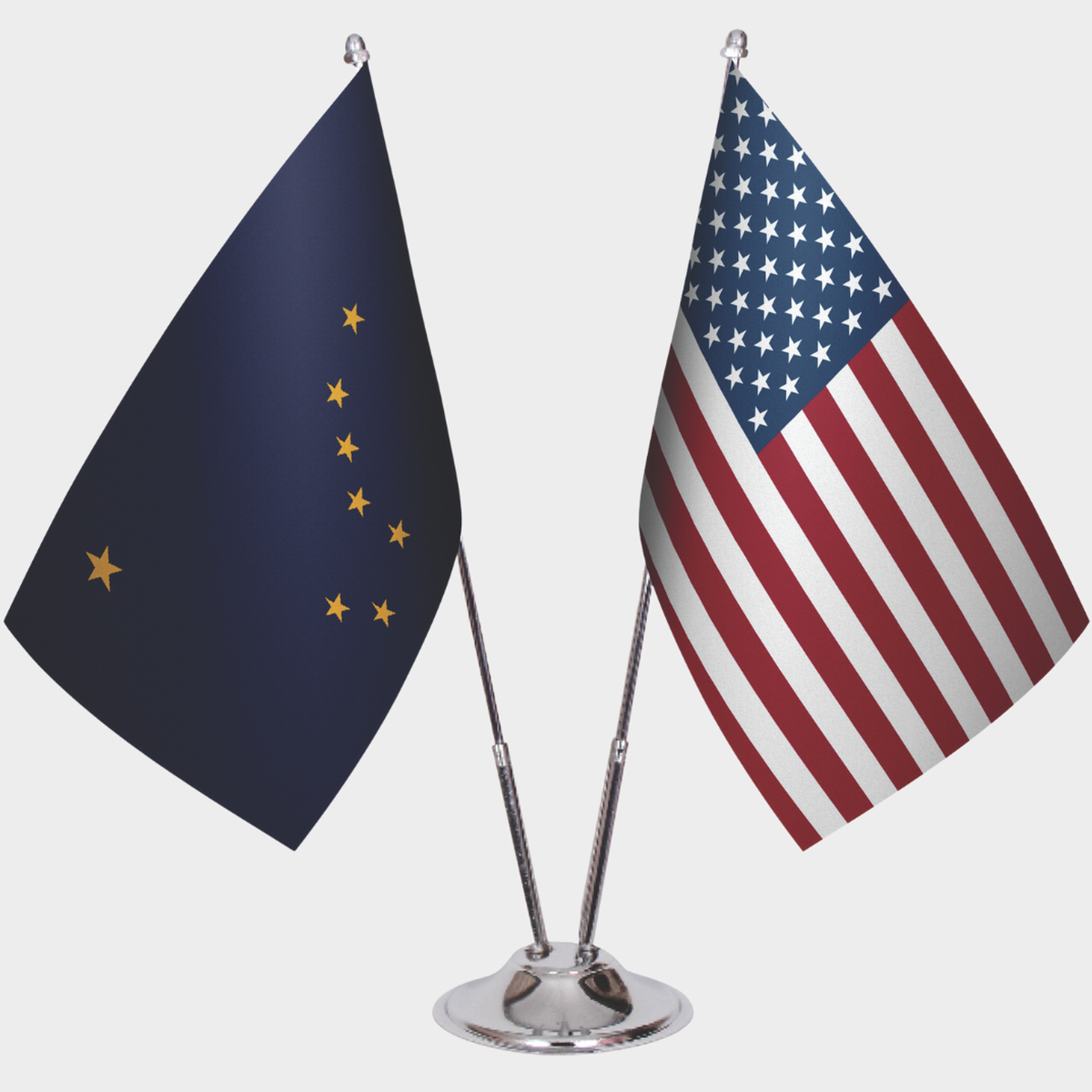
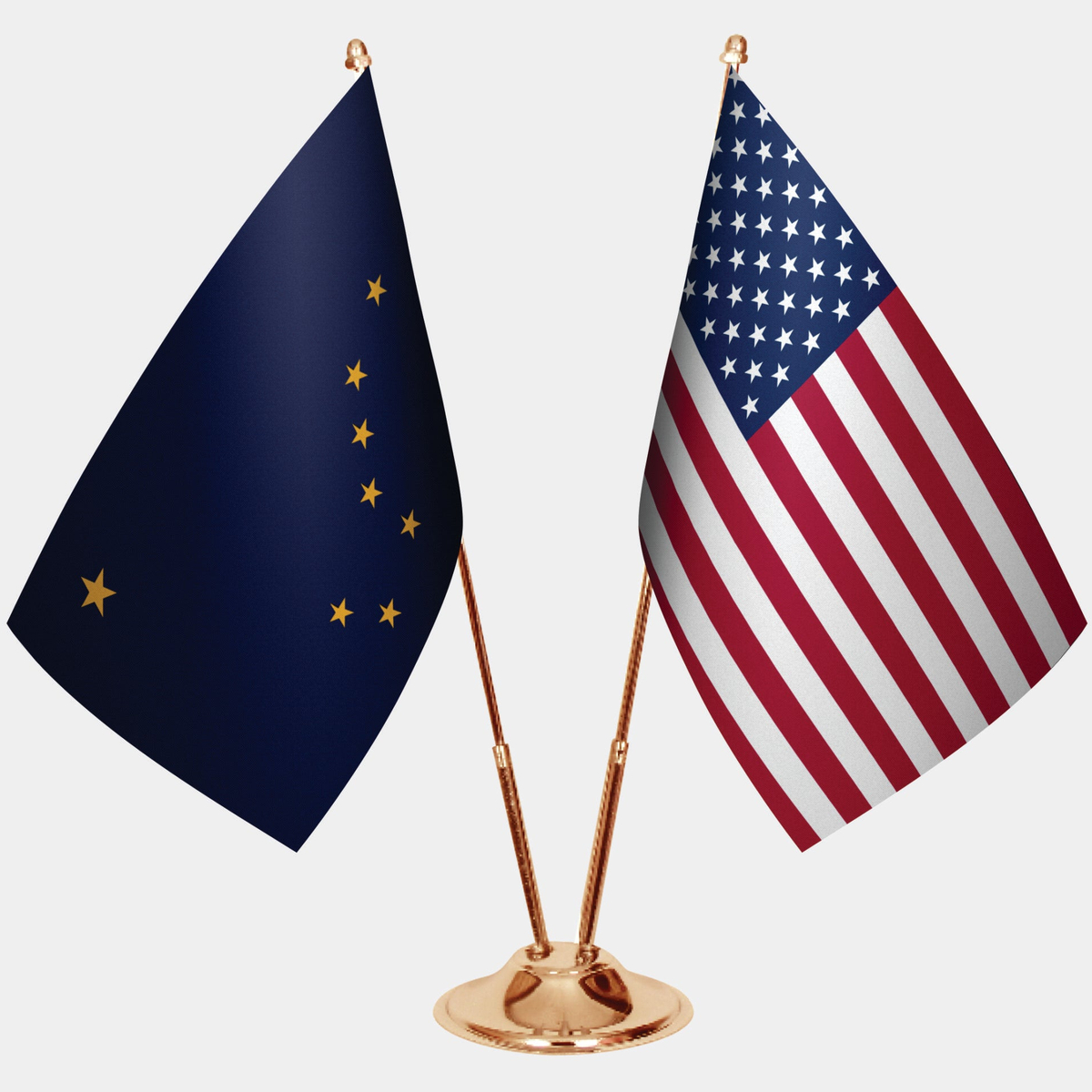
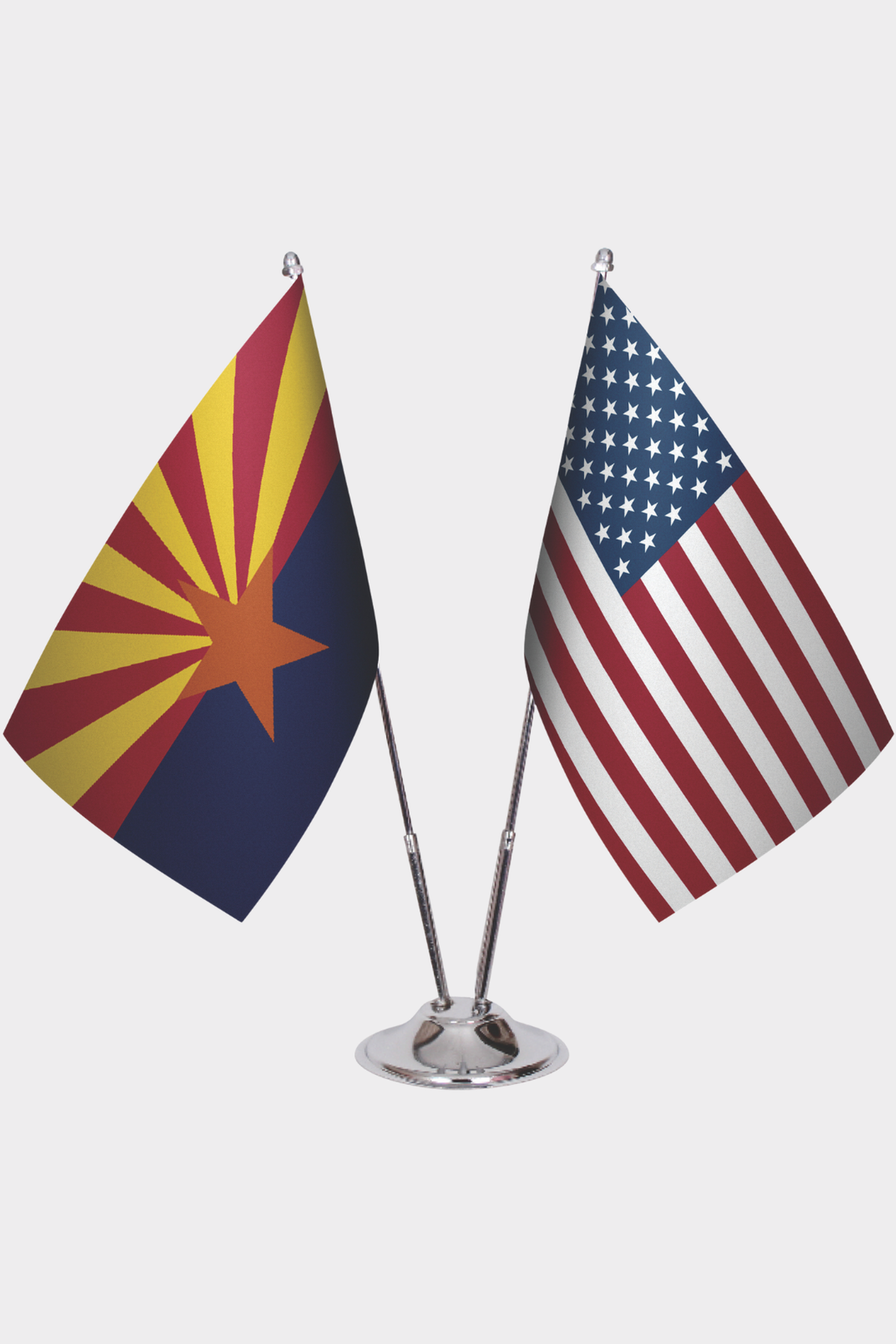
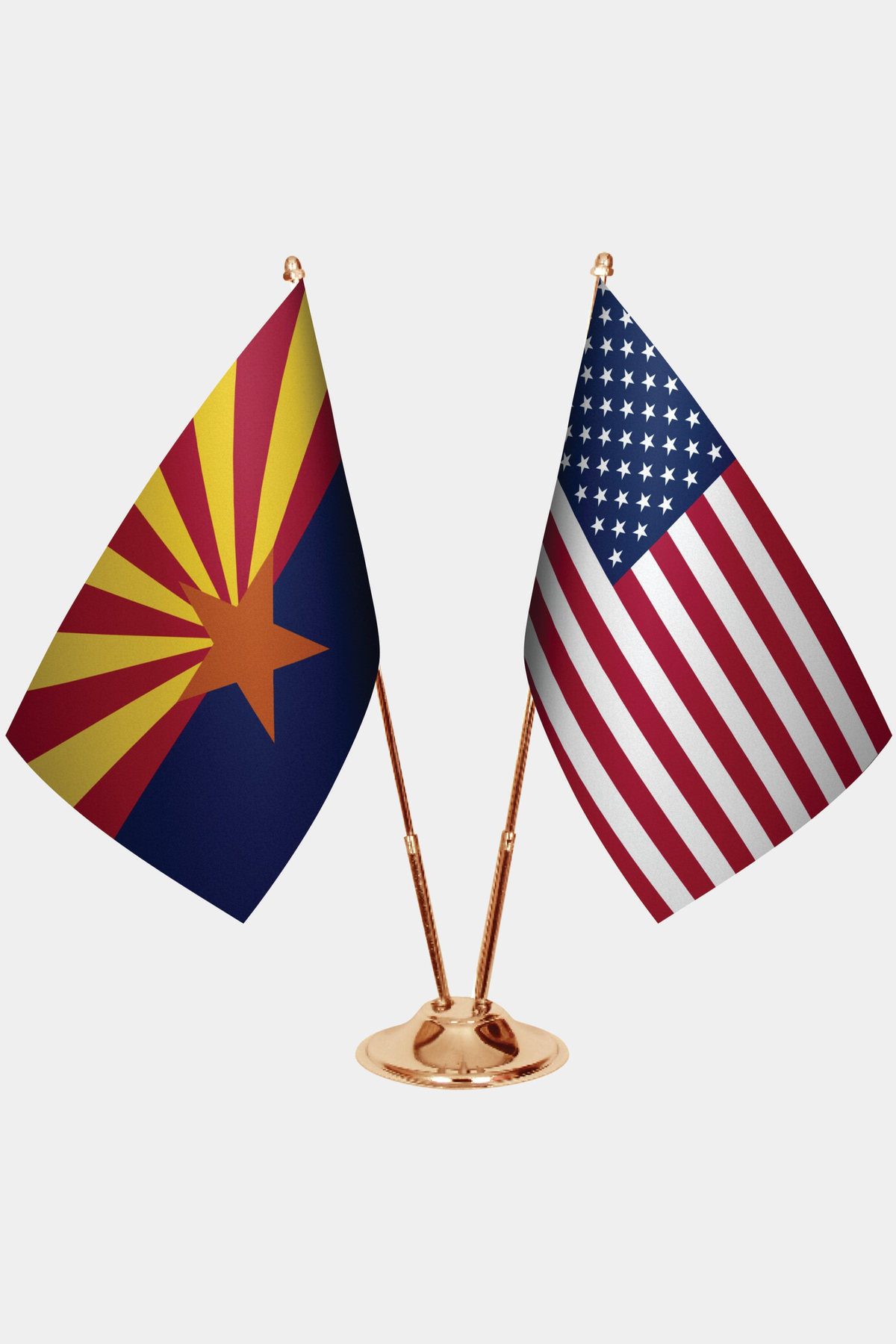
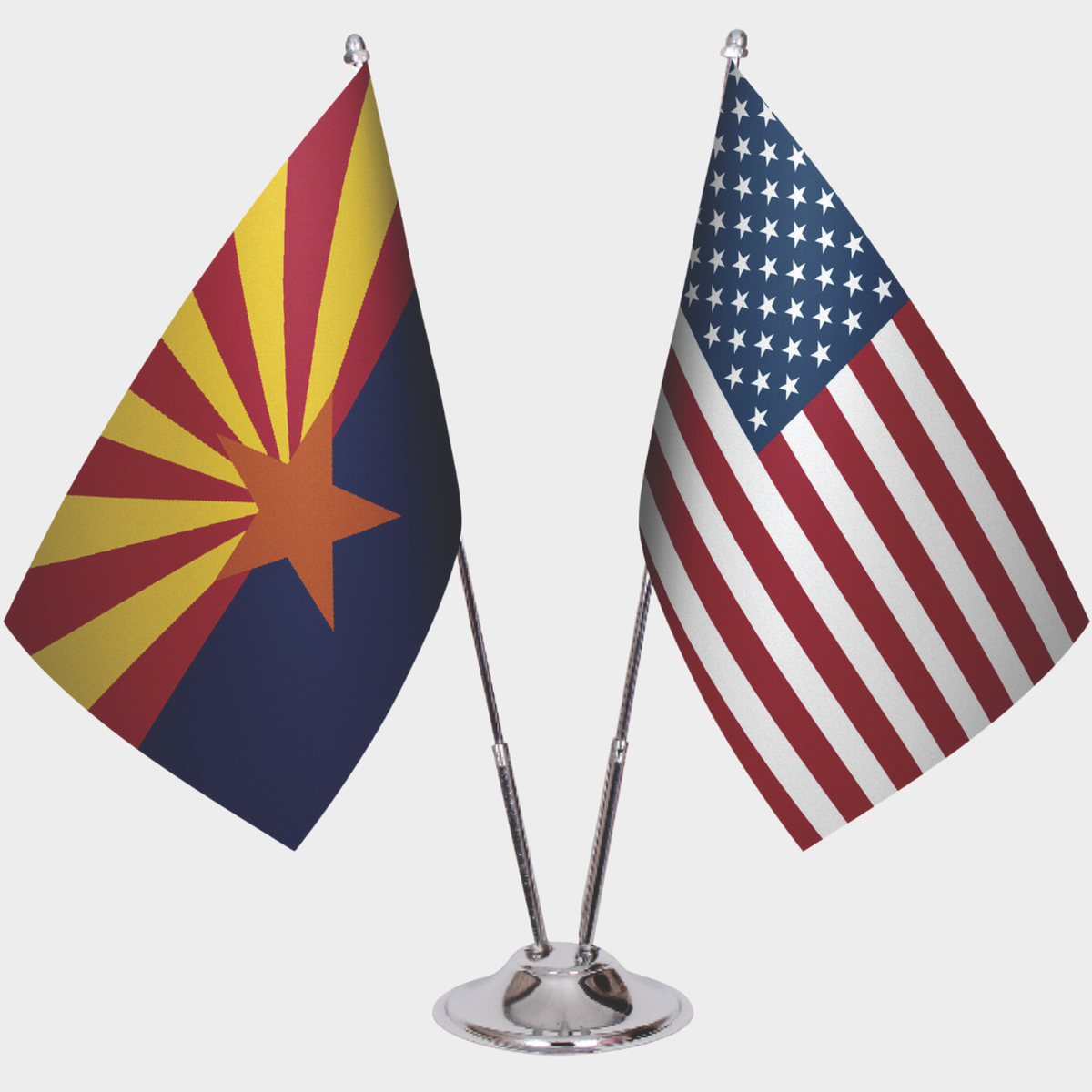
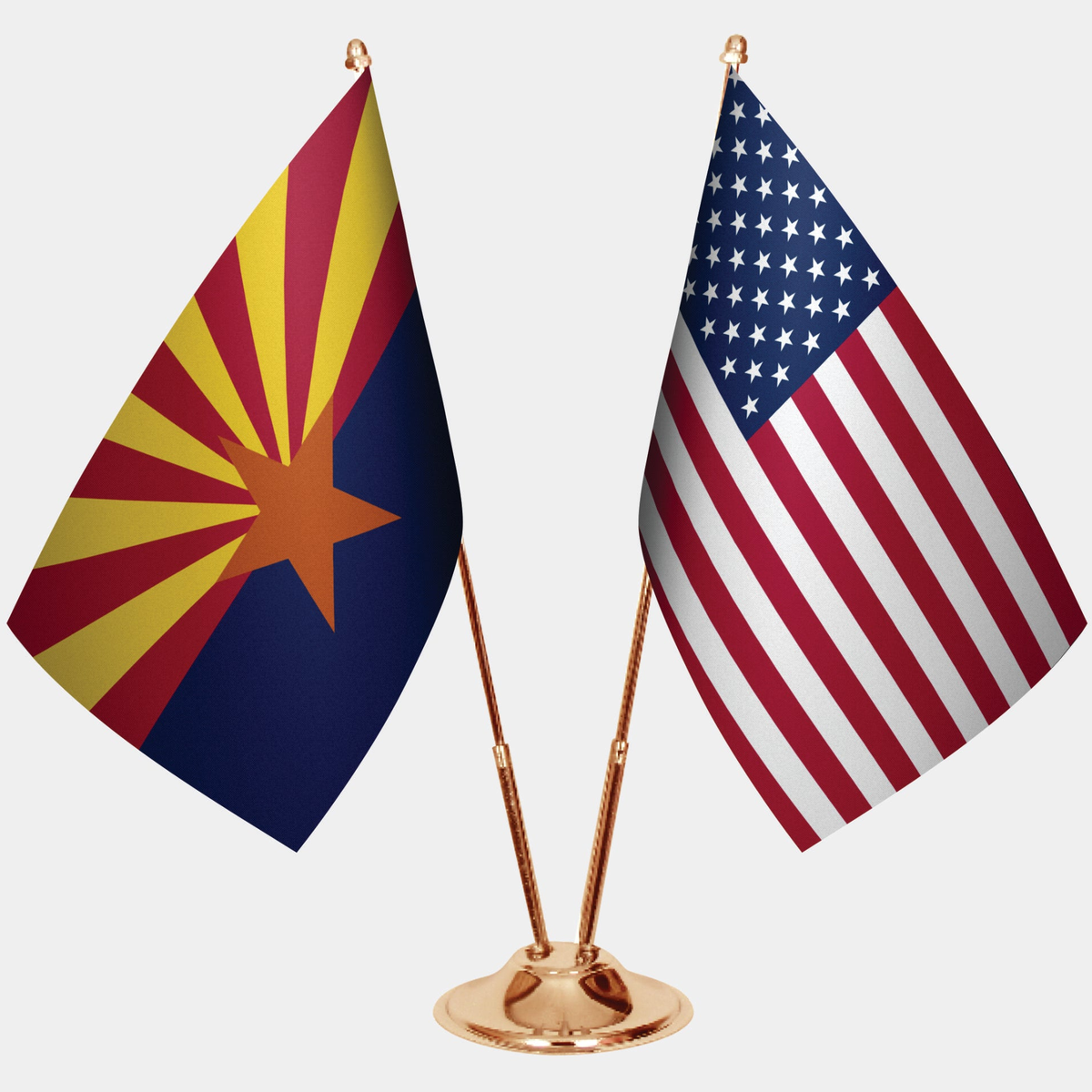
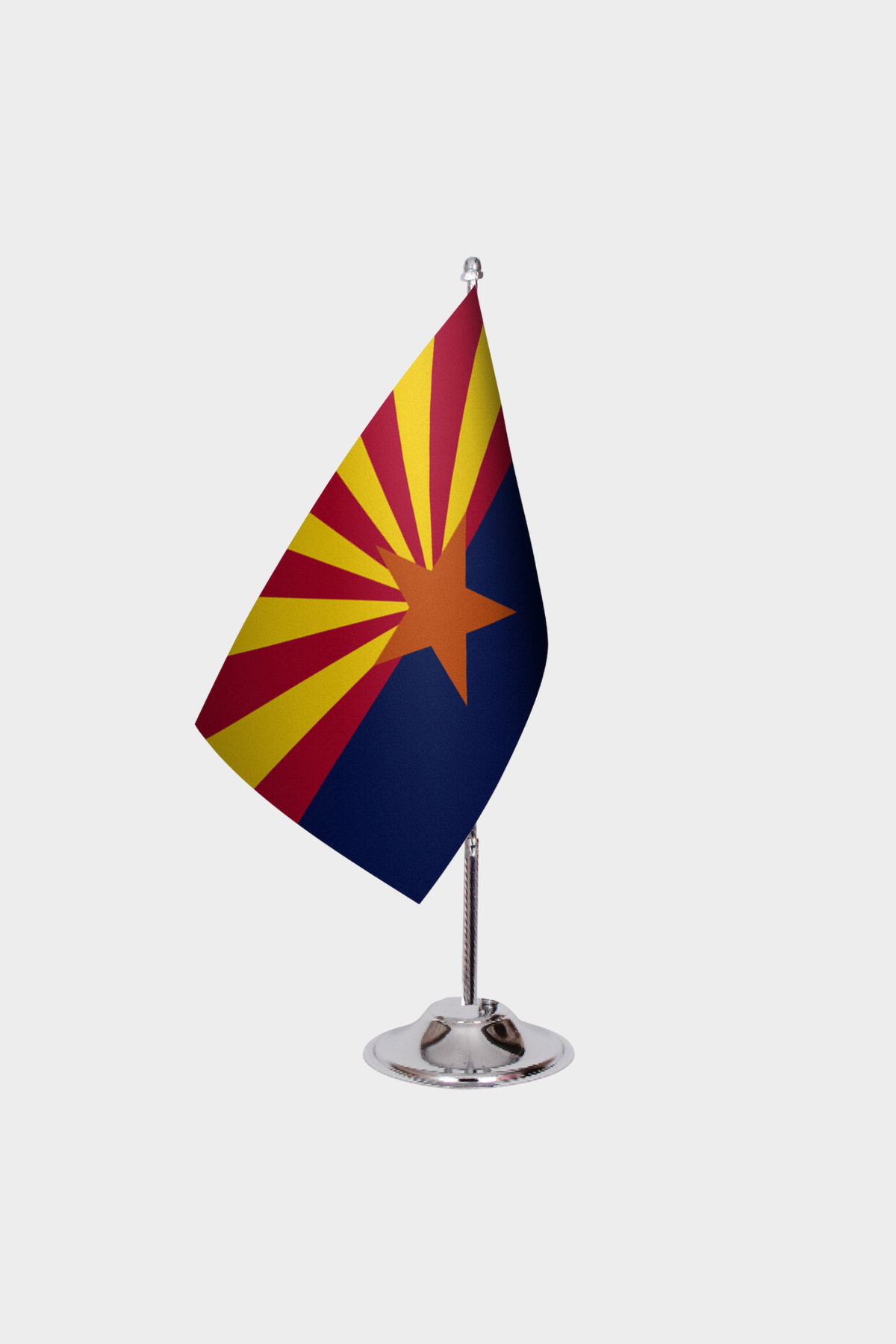
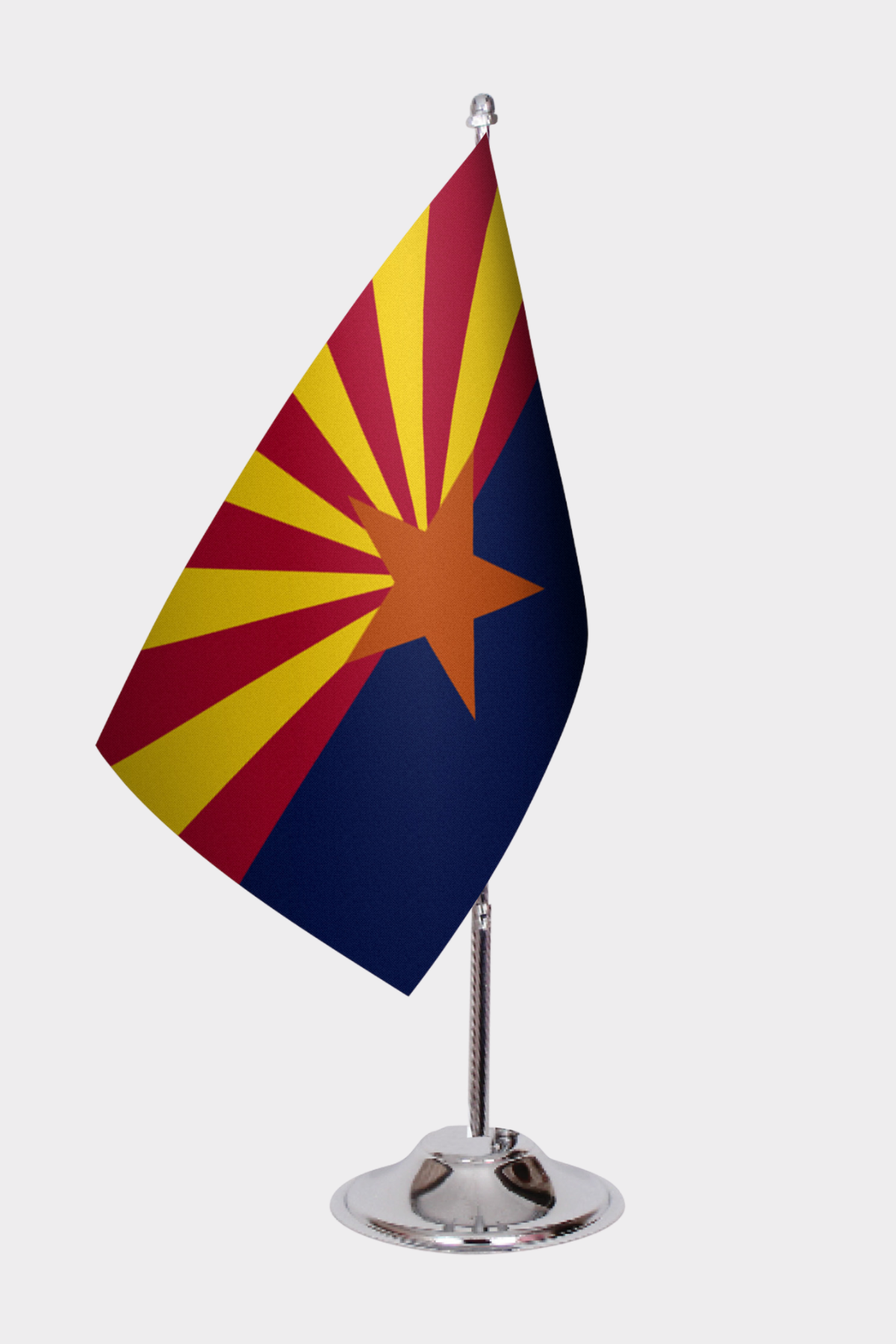
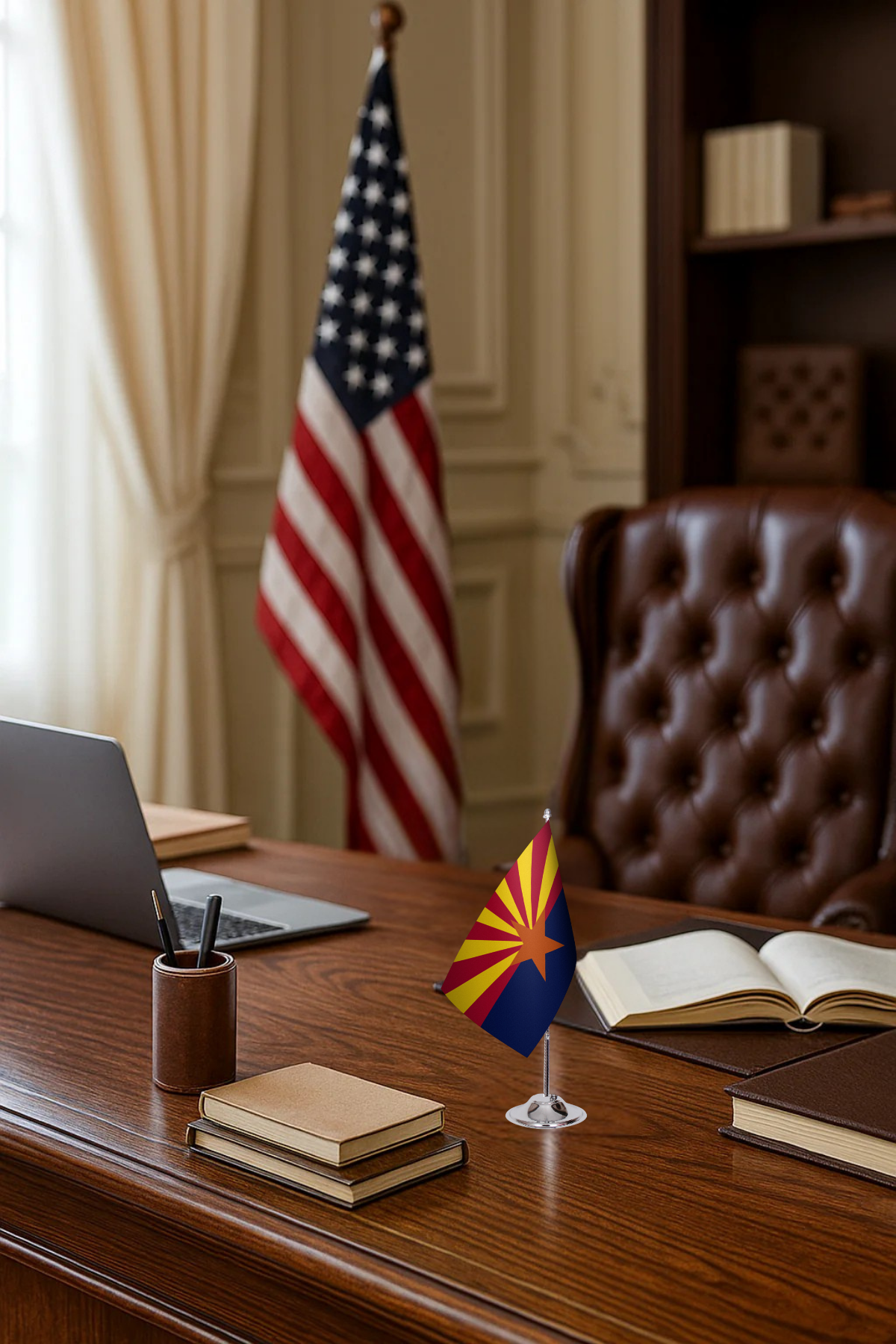
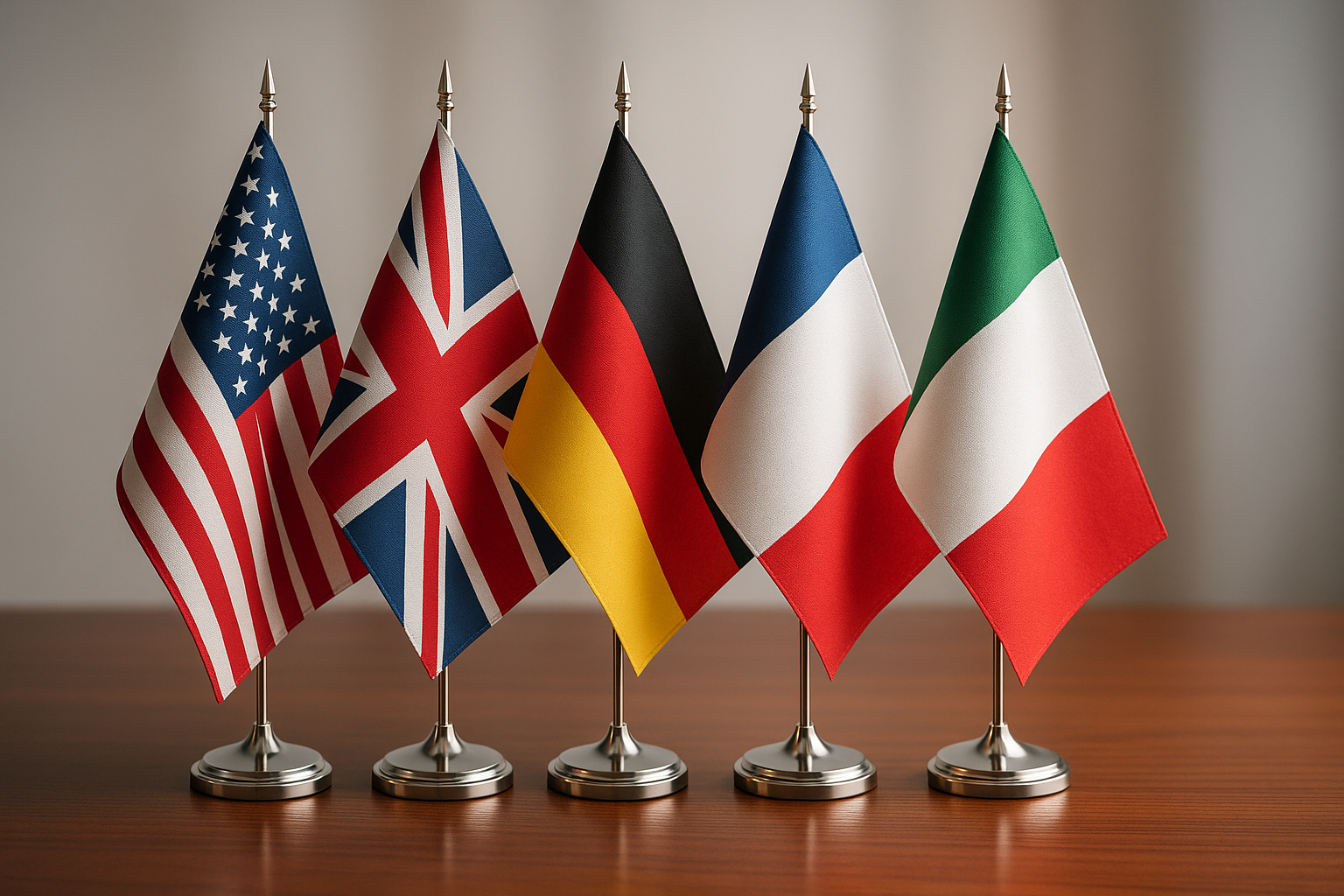
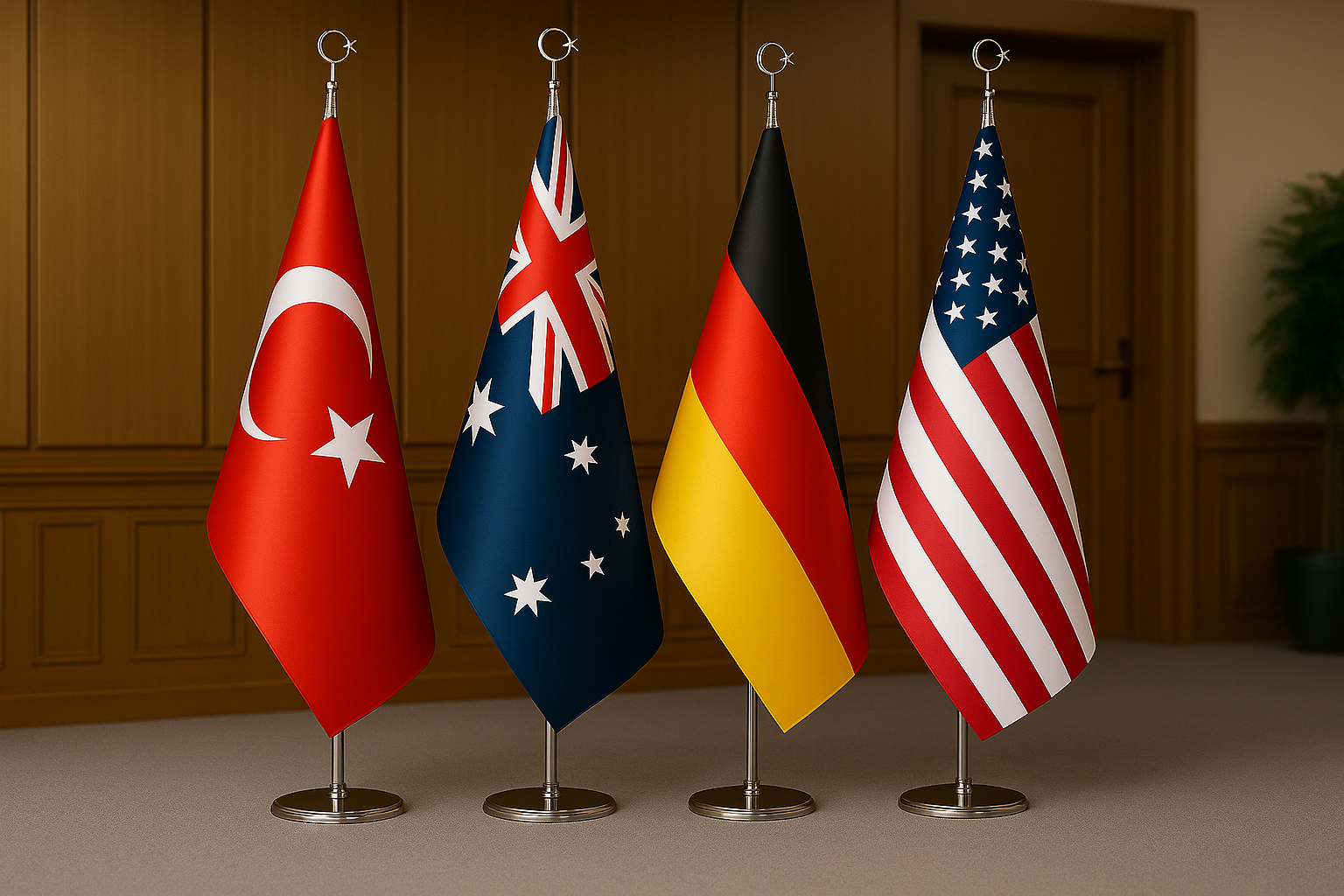
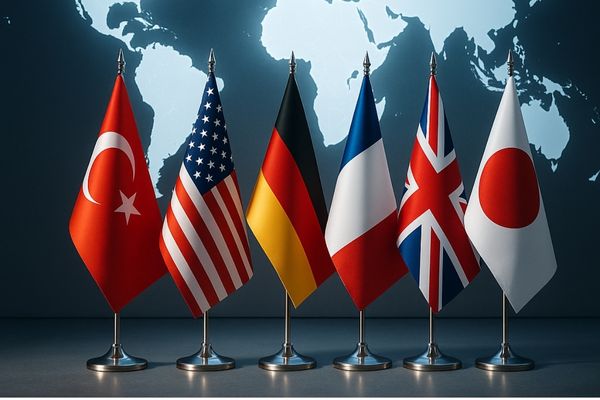
 Material choice is the largest single driver of unit cost — premium fabrics cost more upfront but typically last 2–3 times longer than budget alternatives, making them cheaper per year of use. Standard knitted polyester is the most common choice for outdoor custom flag printing: it accepts dye sublimation ink cleanly, achieves color brightness ratings above 80% UV resistance, and holds up in wind without tearing. Woven polyester and nylon carry a higher material cost but reward buyers with superior color fidelity and a heavier drape that reads as more formal — ideal for office reception areas and executive settings. The Chrome Pole Official Flag with Logo uses this principle directly: the hardware and fabric grade are matched to a formal presentation environment where longevity and first impressions both matter. Specialty materials such as mesh (for high-wind outdoor use) or satin-finish fabric (for indoor ceremonial display) occupy a premium tier because both the raw material cost and the printer calibration time increase. When comparing quotes across materials, ask for the expected outdoor lifespan — a flag rated for 6–12 months at full sun exposure costs less today but may need replacing twice as often as one rated for 18–24 months.
Printing method interacts tightly with material. Dye sublimation — the dominant method for modern custom flag printing — requires polyester-based fabrics because the dye bonds with the synthetic fiber at high heat. On 100% polyester, dye sublimation produces colors that are literally part of the fabric rather than sitting on top of it, which means they won't crack, peel, or wash out. Screen printing, by contrast, can work on cotton blends but adds a per-color setup charge that makes it cost-competitive only at very high quantities (typically 500+ units) with designs that use five or fewer solid colors.
How Flag Size Translates to Unit Price
Size scales cost non-linearly — doubling the height of a flag roughly quadruples the fabric area and increases print time proportionally, so the jump from a 2 ft × 3 ft (61 cm × 91 cm) flag to a 4 ft × 6 ft (122 cm × 183 cm) flag is a much larger cost increase than the dimensions alone suggest. Standard sizes exist for a reason: they minimize fabric waste, fit standard poles, and are priced most competitively because cutting patterns are optimized.
 Common outdoor flagpole sizes in the US market run from 2 ft × 3 ft (61 cm × 91 cm) desk flags up through 5 ft × 8 ft (152 cm × 244 cm) and 6 ft × 10 ft (183 cm × 305 cm) for large commercial poles. The Logo Printed Pole Flag is offered in the most commonly requested outdoor sizes, which keeps per-unit costs controlled without sacrificing visibility. Custom cut sizes — anything that doesn't follow a standard ratio — require individual pattern cutting, which adds labor cost that gets distributed over however many units you order; on small runs, a non-standard size can add a significant percentage to the per-flag price. Vertical format flags follow a different sizing logic: because they hang from a bracket arm rather than flying free, their visual impact comes from height, and the aspect ratio is typically 1:3 or 1:4 rather than the 2:3 or 3:5 ratios standard for horizontal flags. For vertical applications, the Vertical Pole Flag is sized and finished specifically for bracket-mount poles, which avoids the additional cost of adapting a horizontal flag to a vertical setup. If you're comparing vertical versus horizontal formats for a retail or event application, our article on choosing between vertical and horizontal pole flags for a store covers the visibility and cost tradeoffs in detail.
Current Pricing by Size and Material
The table below reflects current unit pricing across the most commonly ordered sizes and materials. Prices shown are base production costs for standard dye-sublimated polyester; hardware, pole kits, and rush production are itemized separately at checkout.
Current Price List
| Product | Size | Price | |
|---|---|---|---|
| Logo Printed Pole Flag | 70x105 cm | $9.95 | Check the live price → |
| 80x120 cm | $11.95 | Check the live price → | |
| 100x150 cm | $14.95 | Check the live price → | |
| 150x225 cm | $24.95 | Check the live price → | |
| 200x300 cm | $34.95 | Check the live price → | |
| Chrome Pole Official Flag with Logo | 220cm | $91.45 | Check the live price → |
| 240cm | $93.45 | Check the live price → | |
| Vertical Pole Flag | 50x200 cm | $10.95 | Check the live price → |
| 75x300 cm | $17.95 | Check the live price → | |
| 100x300 cm | $22.95 | Check the live price → | |
| 100x400 cm | $30.95 | Check the live price → |
Prices as of September 23, 2026. All sizes and materials
A few important notes on reading any custom flag price list: the per-unit price shown typically assumes a minimum quantity for that tier. Single-unit pricing is available but sits at the high end of the range. Double-sided printing — where the design is fully readable from both faces — requires either two layers of fabric bonded together or a through-print process; either way, it increases the per-unit cost by approximately 40–70% compared to single-sided. If your artwork file needs preparation or adjustment before it meets print specifications, that work may be quoted separately. For a full breakdown of what artwork specifications are required and how to prepare your files, see our guide on file formats and sizes for flag printing, which covers resolution requirements, color mode settings, and common submission mistakes.

Corporate Flags Collection
The full range of custom printed corporate flags — from logo pole flags to chrome-pole executive sets — all available with bulk pricing for multi-unit business orders.
Browse Collection →How Bulk and Corporate Orders Bring the Per-Unit Price Down
Ordering in quantity is the single most reliable way to lower your per-unit cost on custom printed flags — the reduction can be substantial, often 30–50% between a single-unit order and a run of 25 or more of the same design. The math behind this is straightforward: setup costs (color profiling, strike-off proofing, cutting die preparation, finishing) are fixed regardless of how many flags you produce, so spreading them across more units lowers what each unit must absorb.
For corporate buyers ordering multiple designs across multiple locations, there's an additional strategy: consolidating all designs into a single production run — even if each design prints on a separate flag — can qualify the entire order for volume pricing because the setup and handling efficiencies still apply. Companies outfitting showrooms, trade show circuits, or a chain of retail locations consistently find that ordering a full season's flags at once costs less than placing four separate smaller orders. Our Branded Merchandise & Custom Printed Textiles collection is structured specifically for this kind of consolidated branded-goods order, grouping flags, banners, and related printed textiles into a single sourcing relationship. Bulk pricing is available for corporate orders — contact us directly to discuss quantity breaks for your specific configuration.
Repeat-order discounts are also worth asking about. If your design is stored on file and you're reordering the same specification, the setup time is eliminated entirely, which typically qualifies repeat runs for a lower starting price even at the same quantity as your original order.
Why Buying the Cheapest Custom Flag Usually Costs More Over Time
A low-priced custom flag that fades, tears, or loses its header stitching within three months effectively costs two to three times its purchase price when you factor in replacement — and that calculation ignores the damage a visibly deteriorated flag does to your brand's presentation. Durability is not a premium feature; it's a cost-efficiency feature.
The most common failure modes in budget custom flag printing are UV fade (colors shifting or washing out within 60–90 days of outdoor exposure), header failure (the canvas sleeve or grommet reinforcement detaching under repeated wind load), and seam unraveling (overlock stitching that pulls loose at the hem). Quality manufacturers specify UV-resistant inks rated for outdoor exposure, double-stitched hems, and canvas or polyester headers with brass grommets — and those specifications add to the unit cost but routinely extend service life from 6 months to 18–24 months under comparable conditions.
For outdoor installations specifically, consider that a flag rated for 6 months costs roughly the same on a two-year timeline as one rated for 24 months — but the lower-quality flag requires three additional ordering cycles, three additional shipping events, and three additional installation labor hours per pole. The total cost of ownership favors quality almost every time the flag is mounted in a permanent or semi-permanent outdoor location. For context on how this applies to related printed formats, our articles on roll-up banner sizes and printable area and standard banner sizes for indoor events include similar durability and sizing guidance that applies when you're coordinating flags with other branded display materials.
What is the minimum order quantity for custom flag printing? +
Does double-sided printing cost significantly more than single-sided? +
How long does a custom printed flag last outdoors? +
What file format should I send for custom flag printing? +
Is dye sublimation the best method for printing flags? +
Can I order custom printed flags in non-standard sizes? +
Do custom printed flags come with poles and hardware included? +
If you're ready to move from research to production, the Logo Printed Pole Flags collection is the most direct starting point for standard outdoor corporate flag orders. For executive or reception-area installations requiring a polished finished set, the Chrome Pole Official Flag with Logo is available as a complete kit. And if your project spans multiple branded formats — flags, banners, and other printed textiles — consolidating through the Branded Merchandise & Custom Printed Textiles collection gives you a single sourcing point and qualifies larger combined orders for bulk pricing. Bulk pricing is available for corporate orders — reach out directly with your quantity, size, and design specifications to receive an accurate per-unit quote.