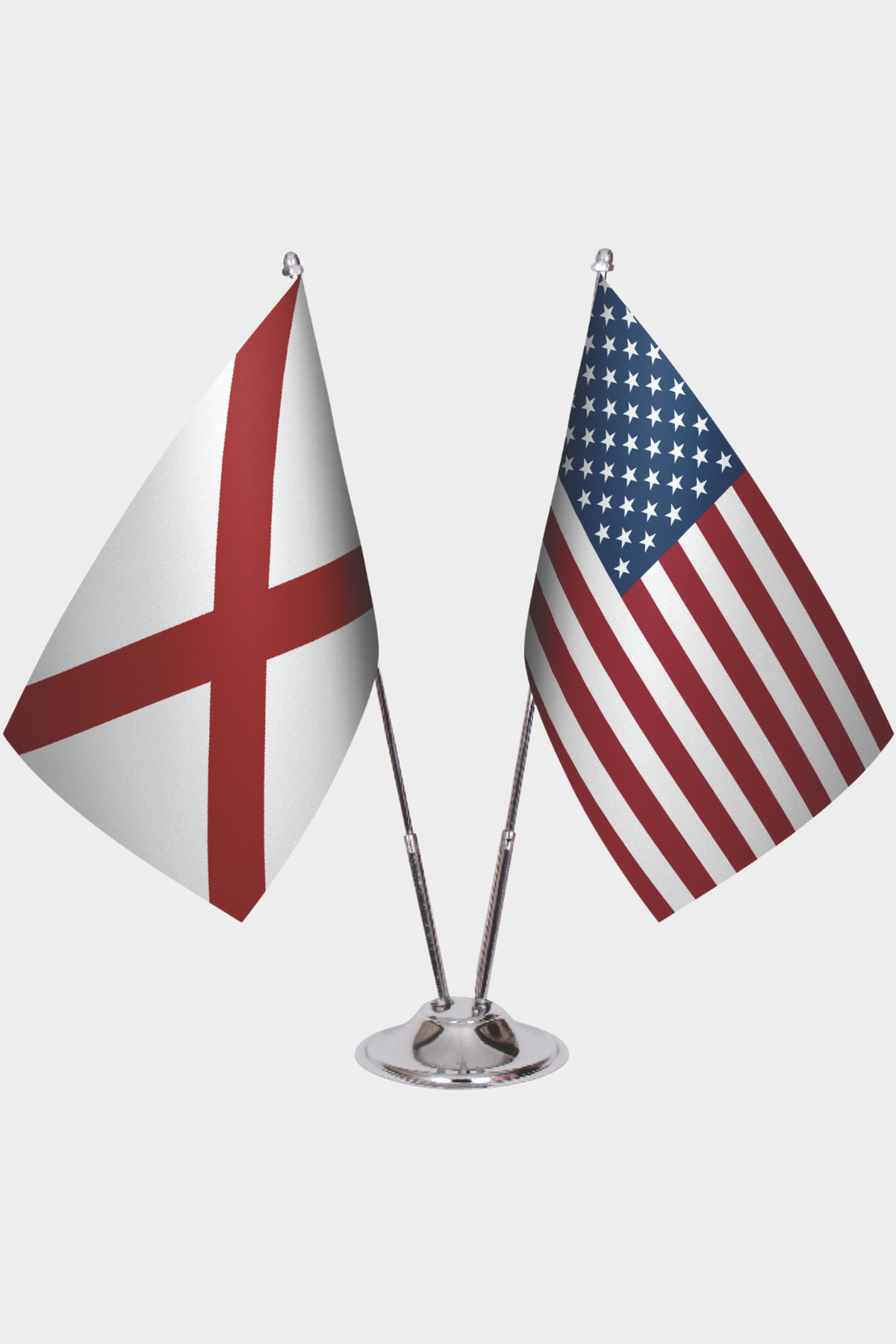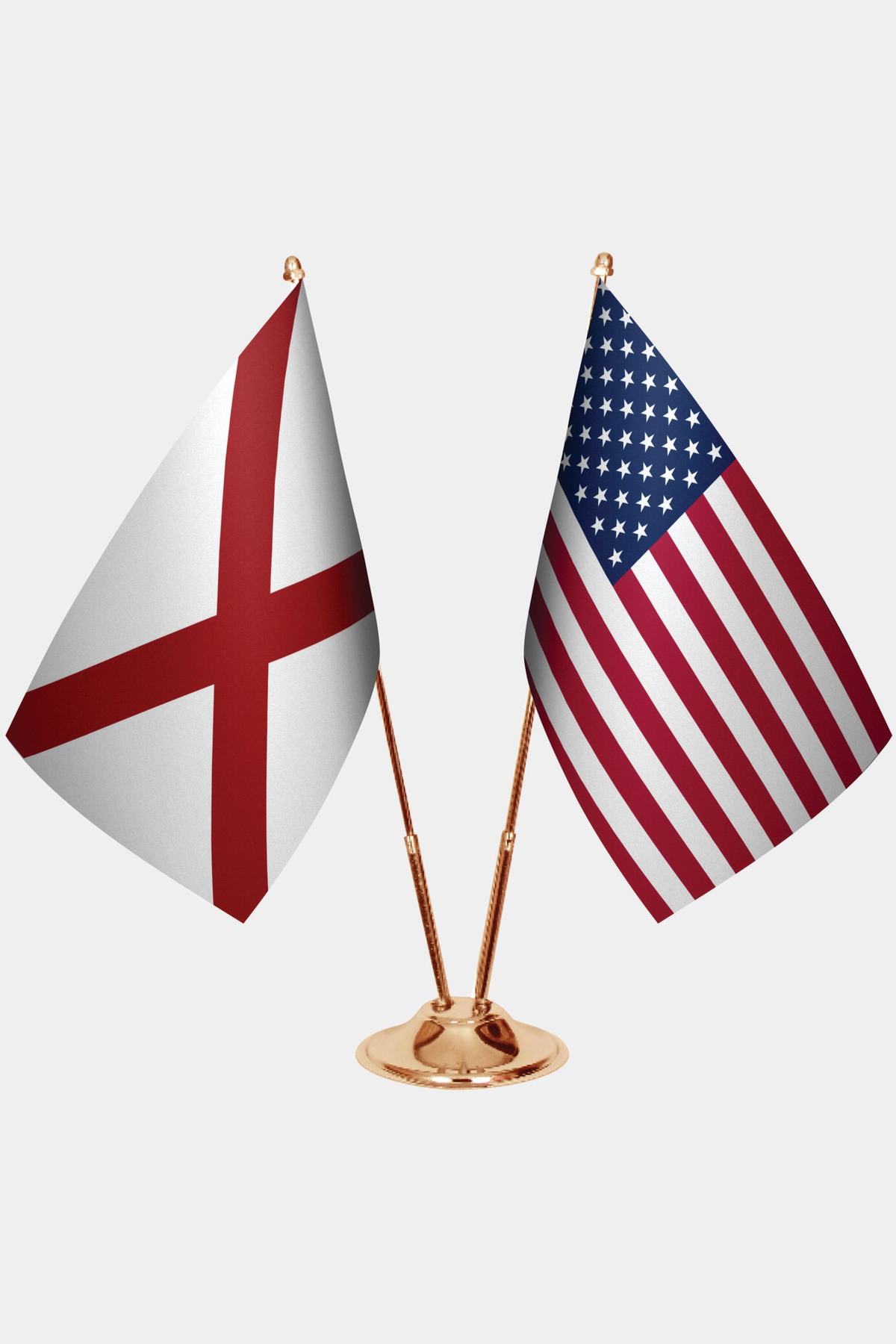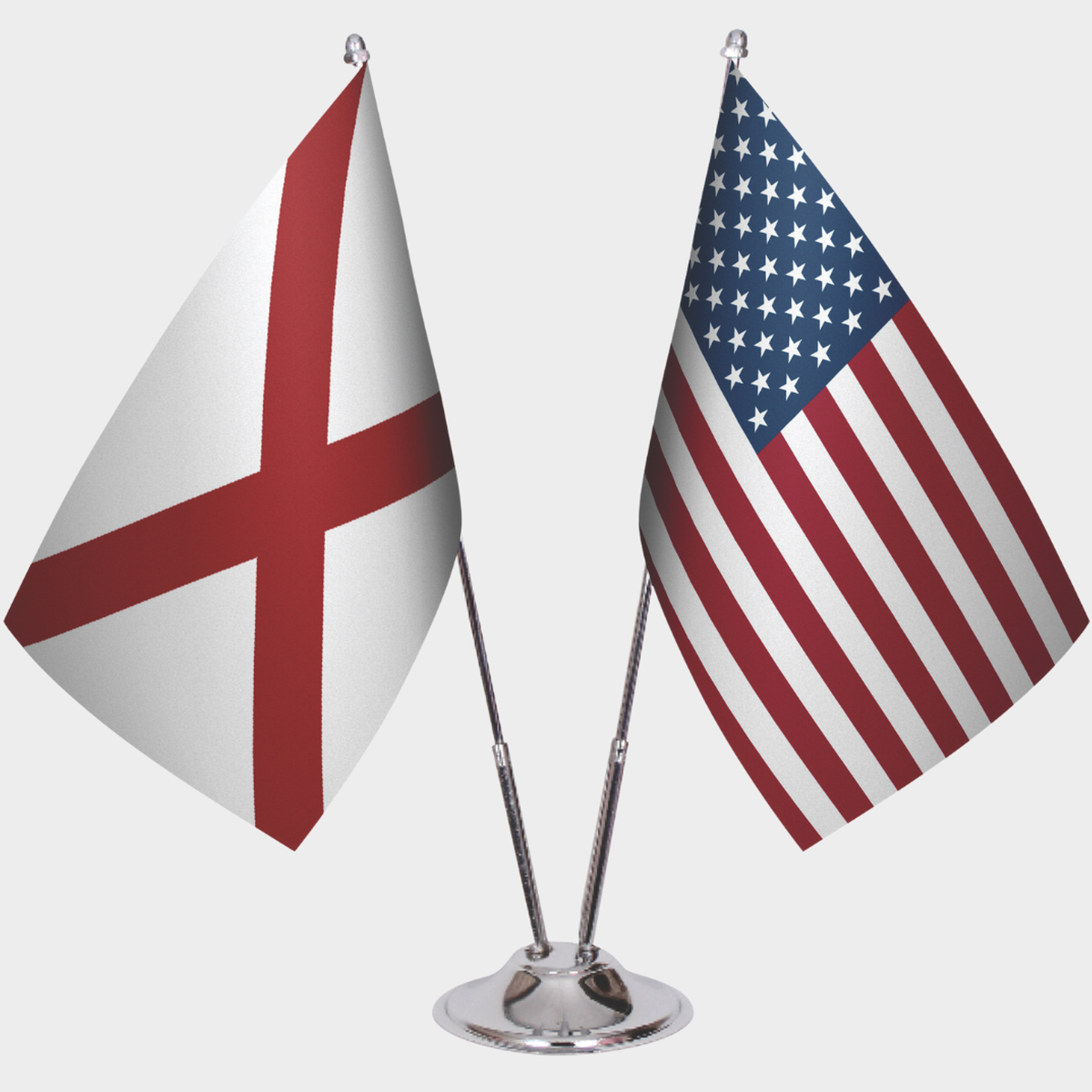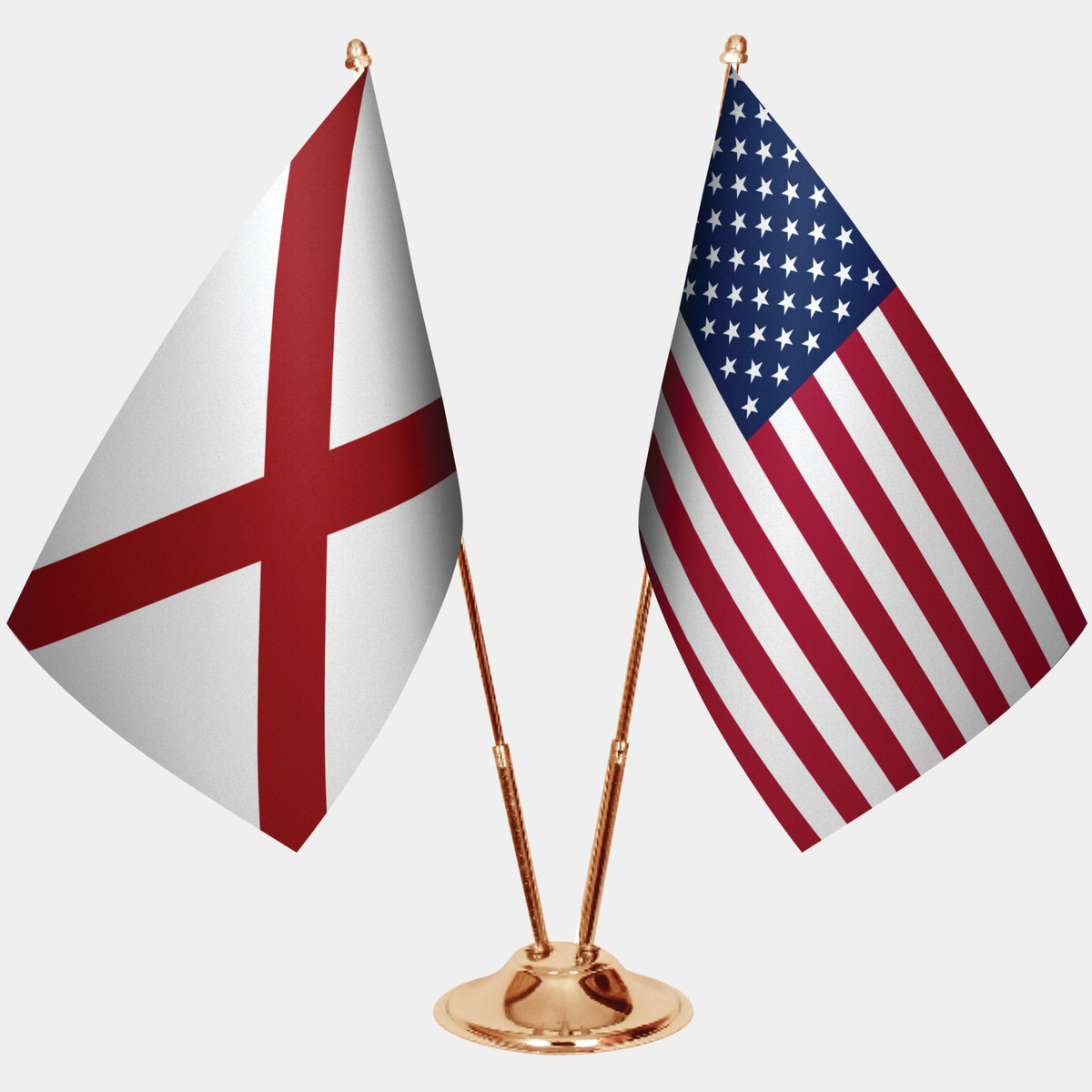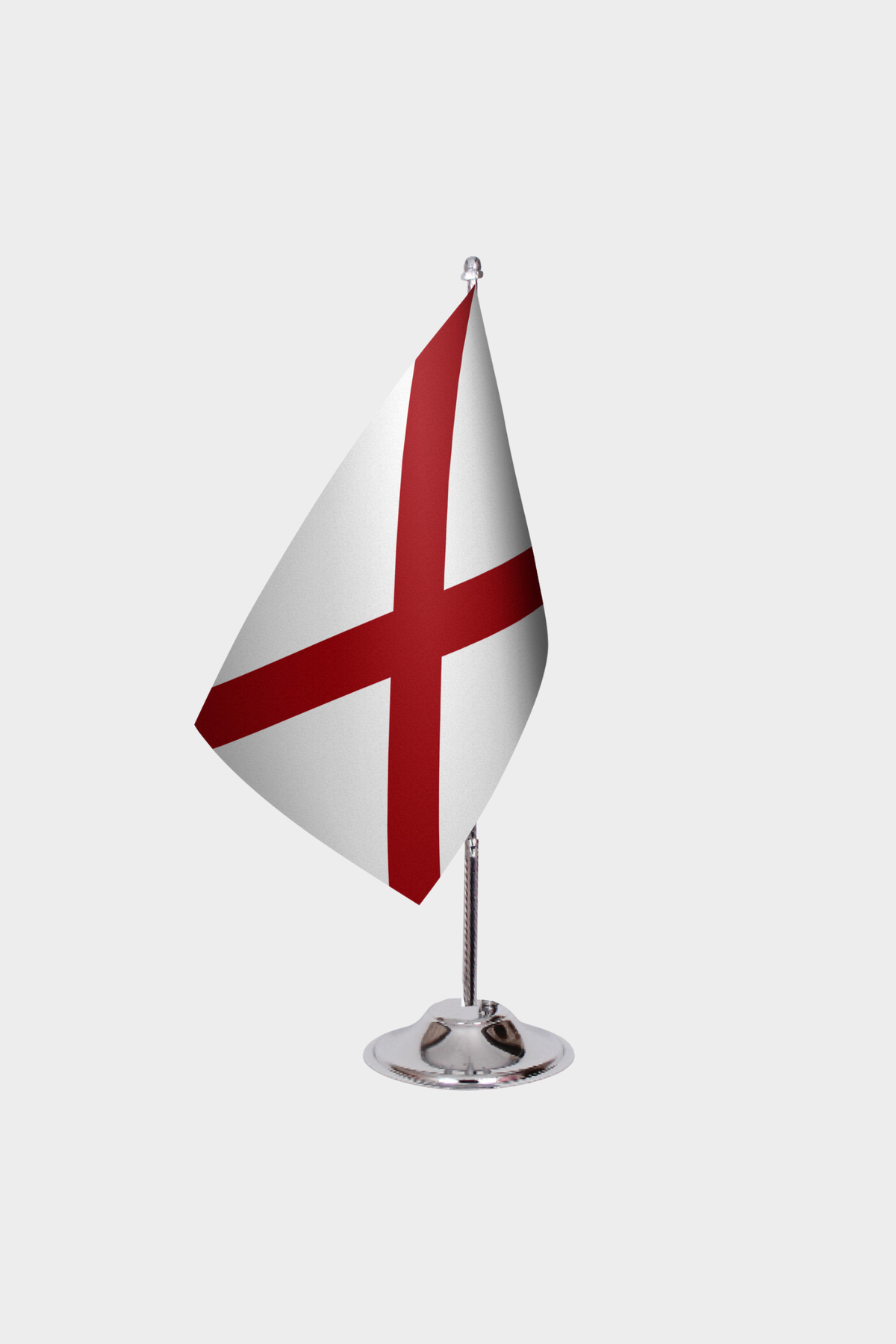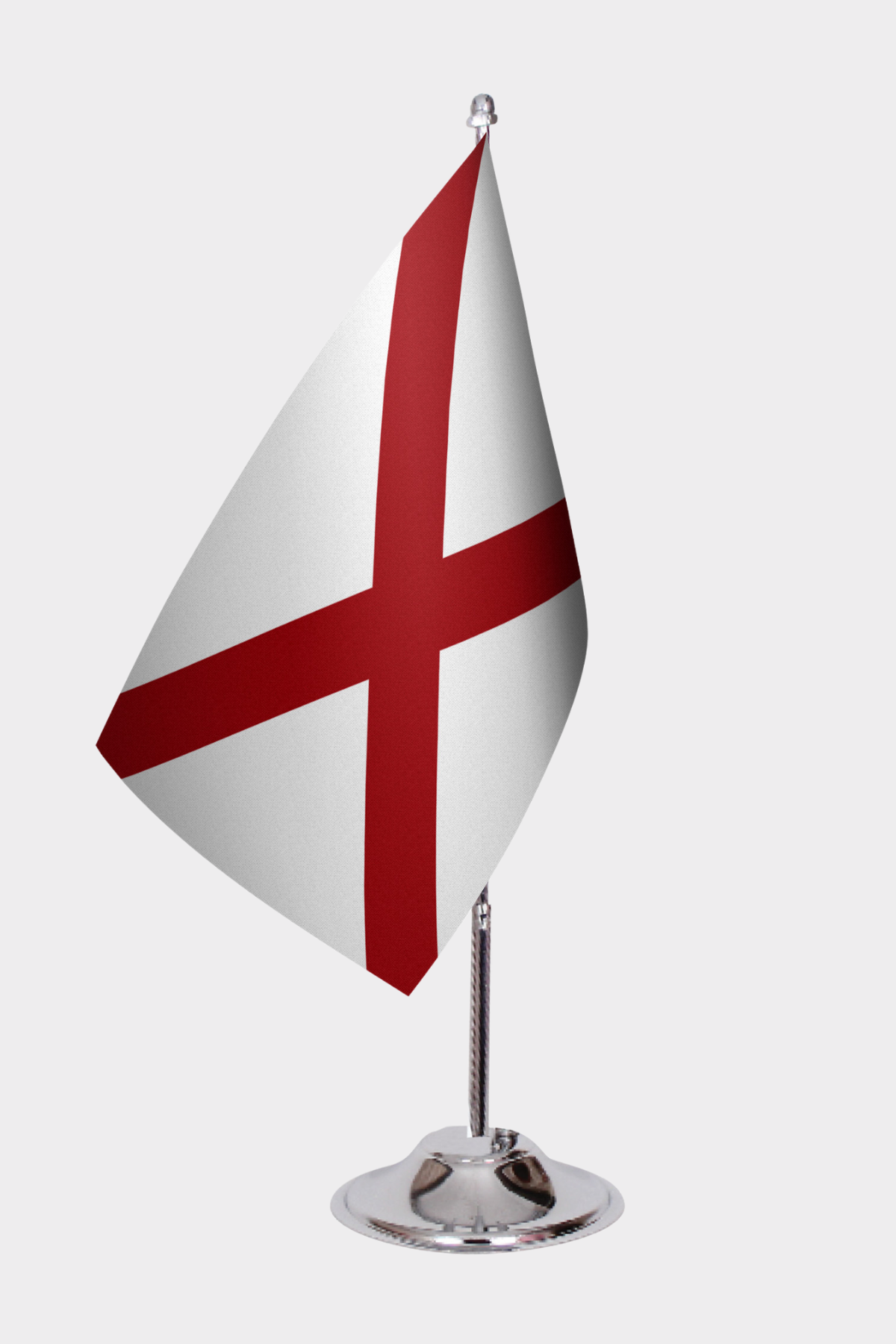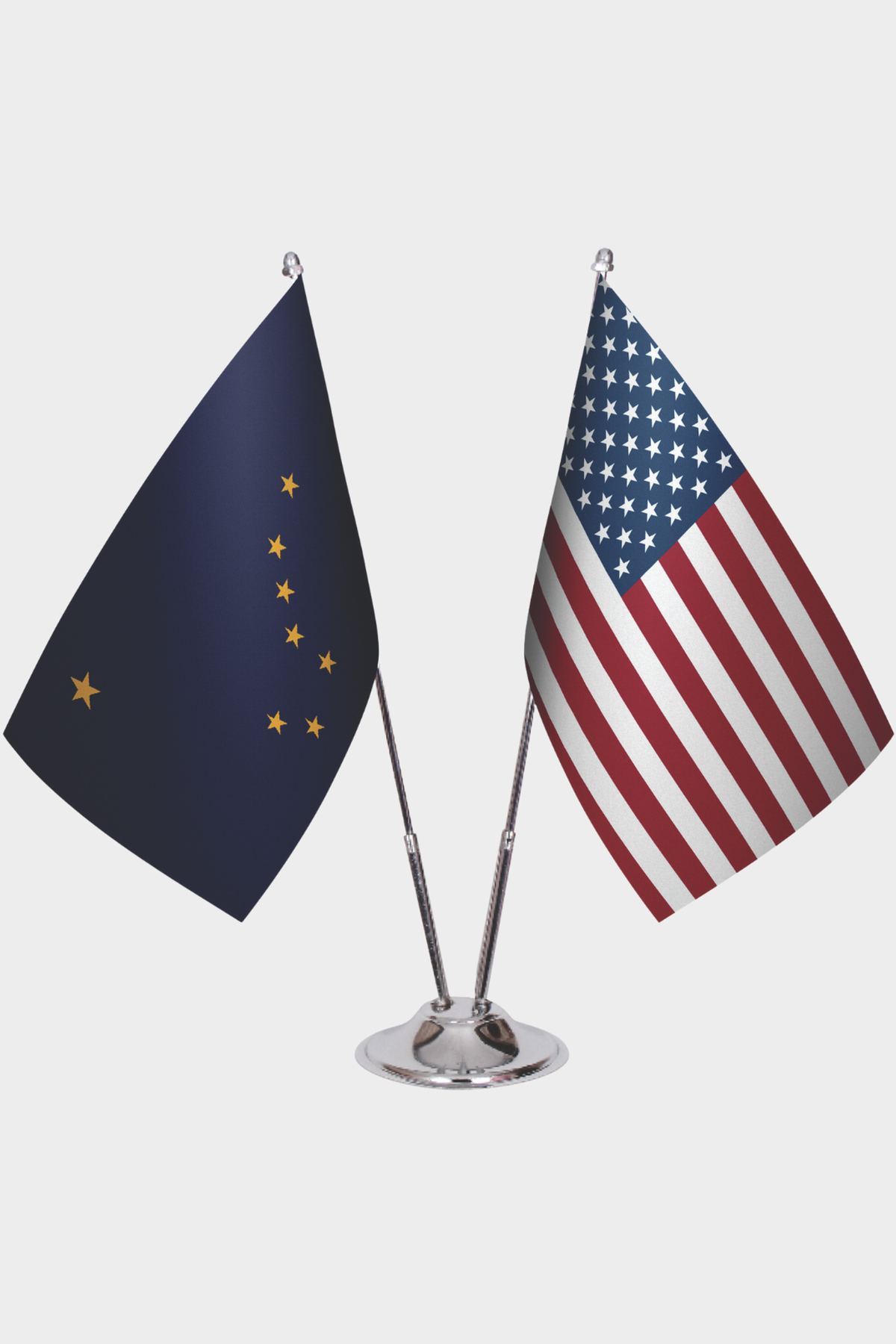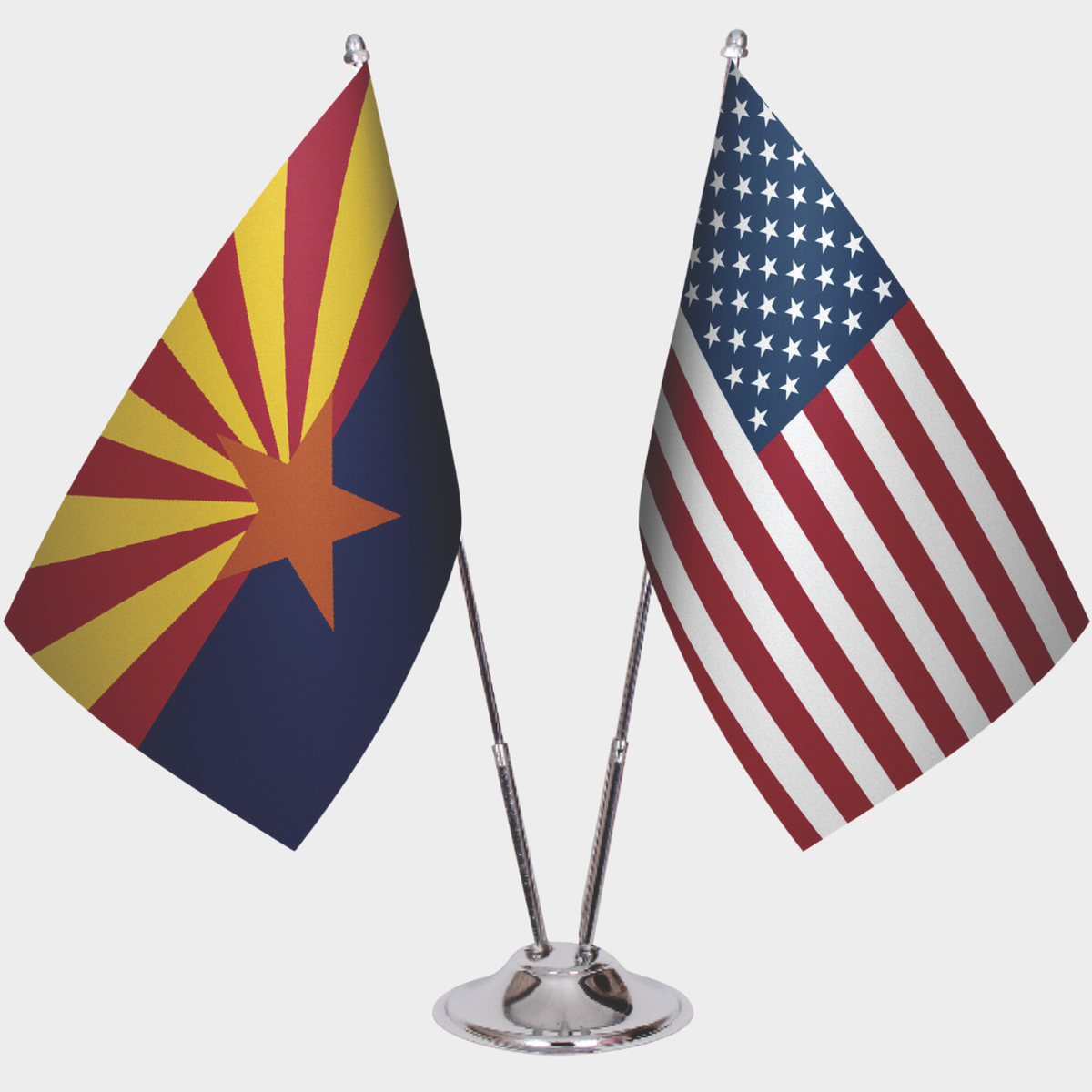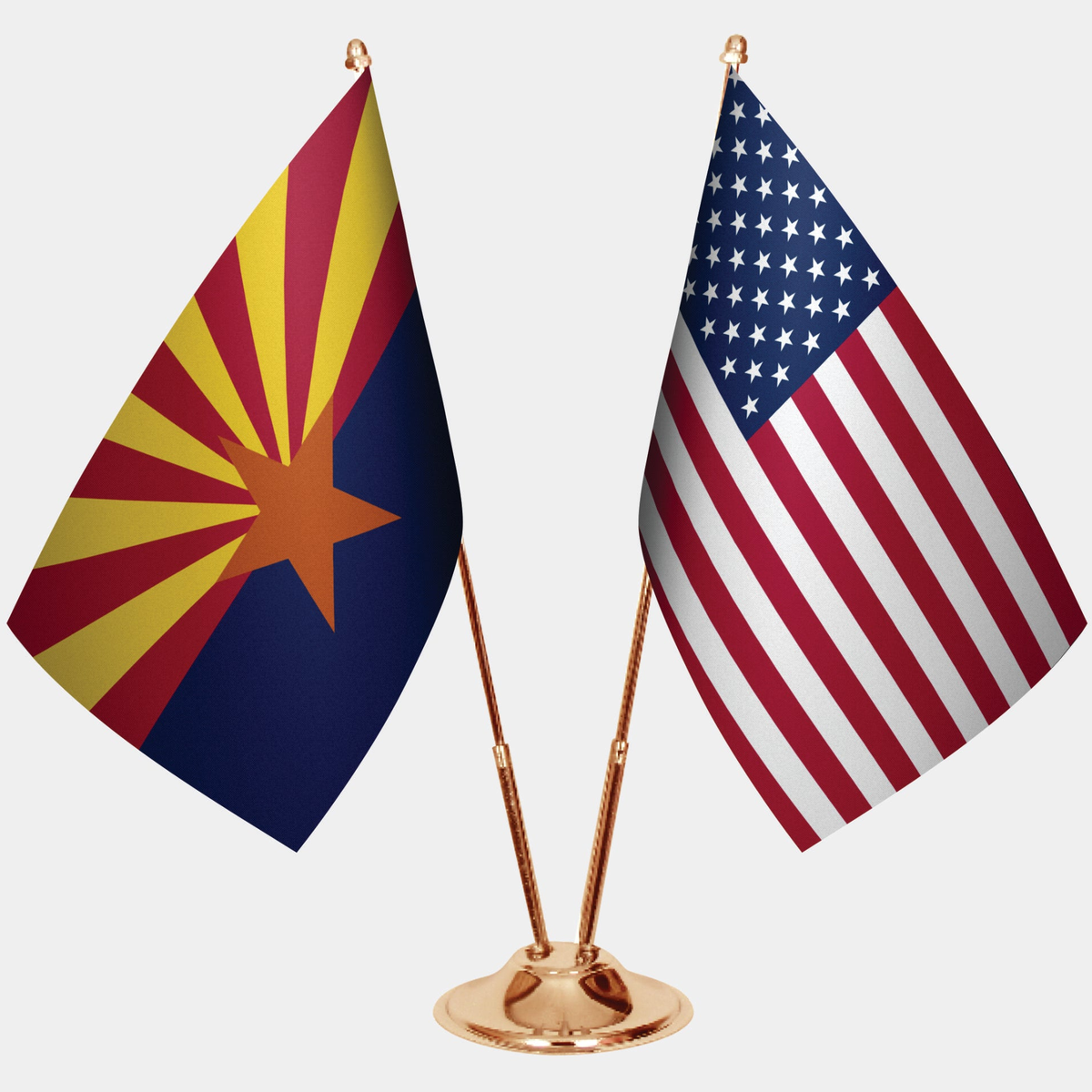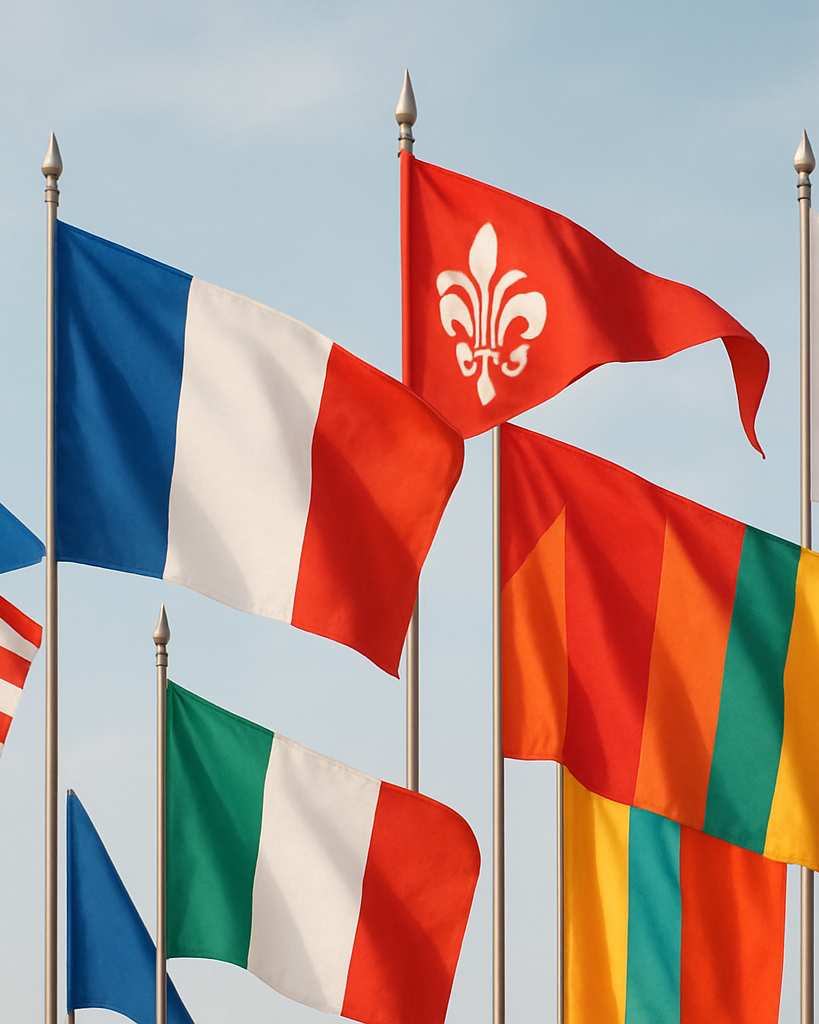
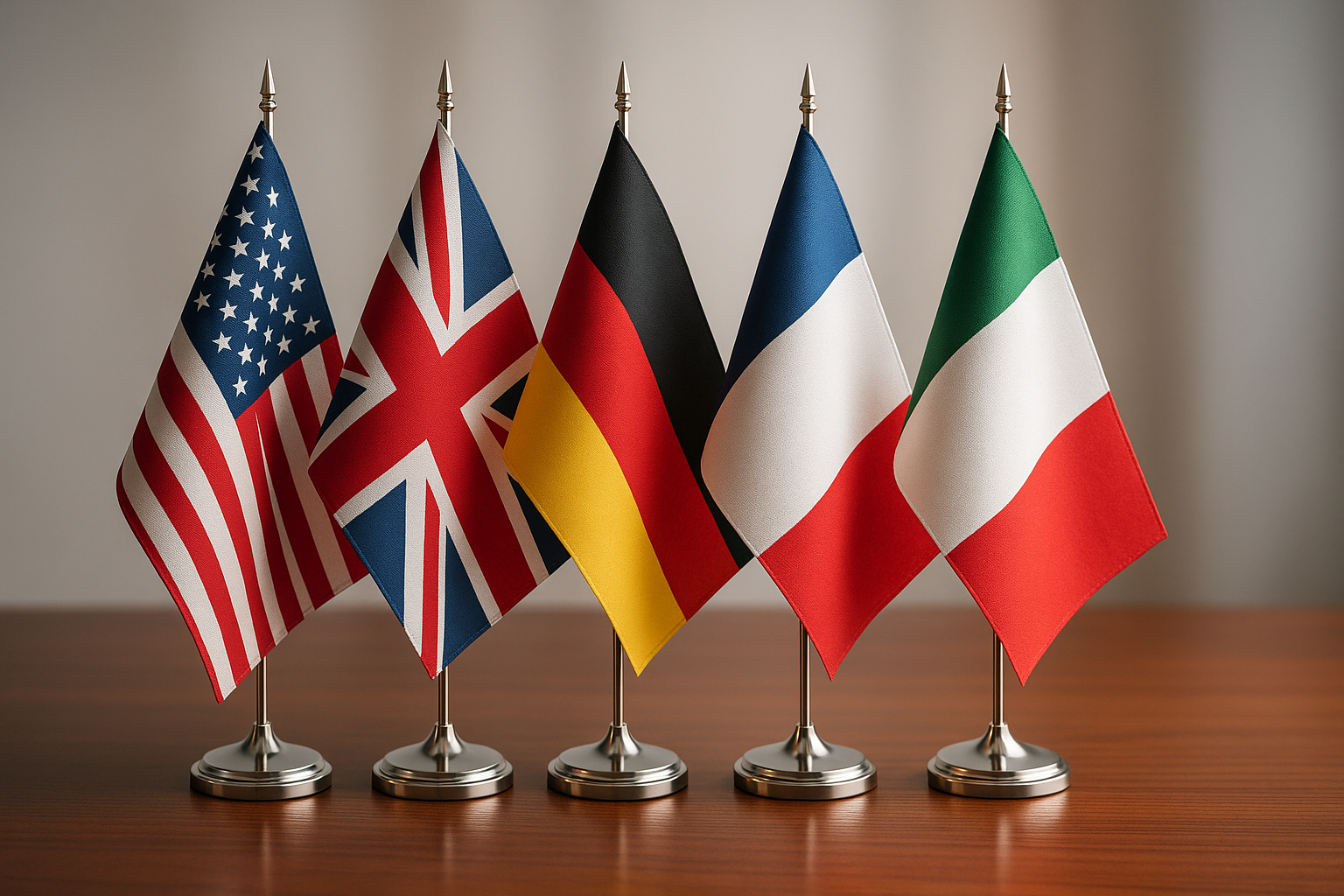
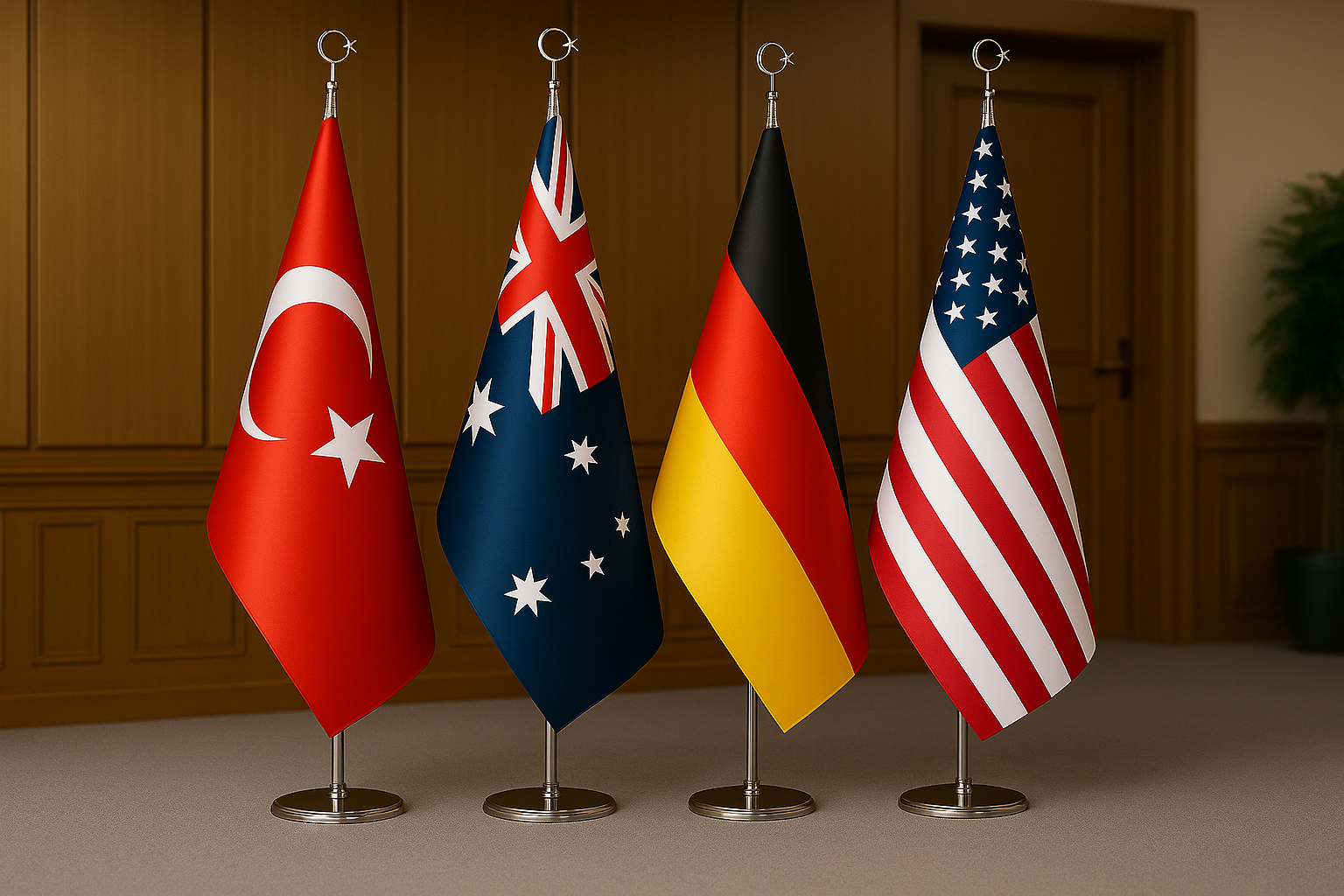
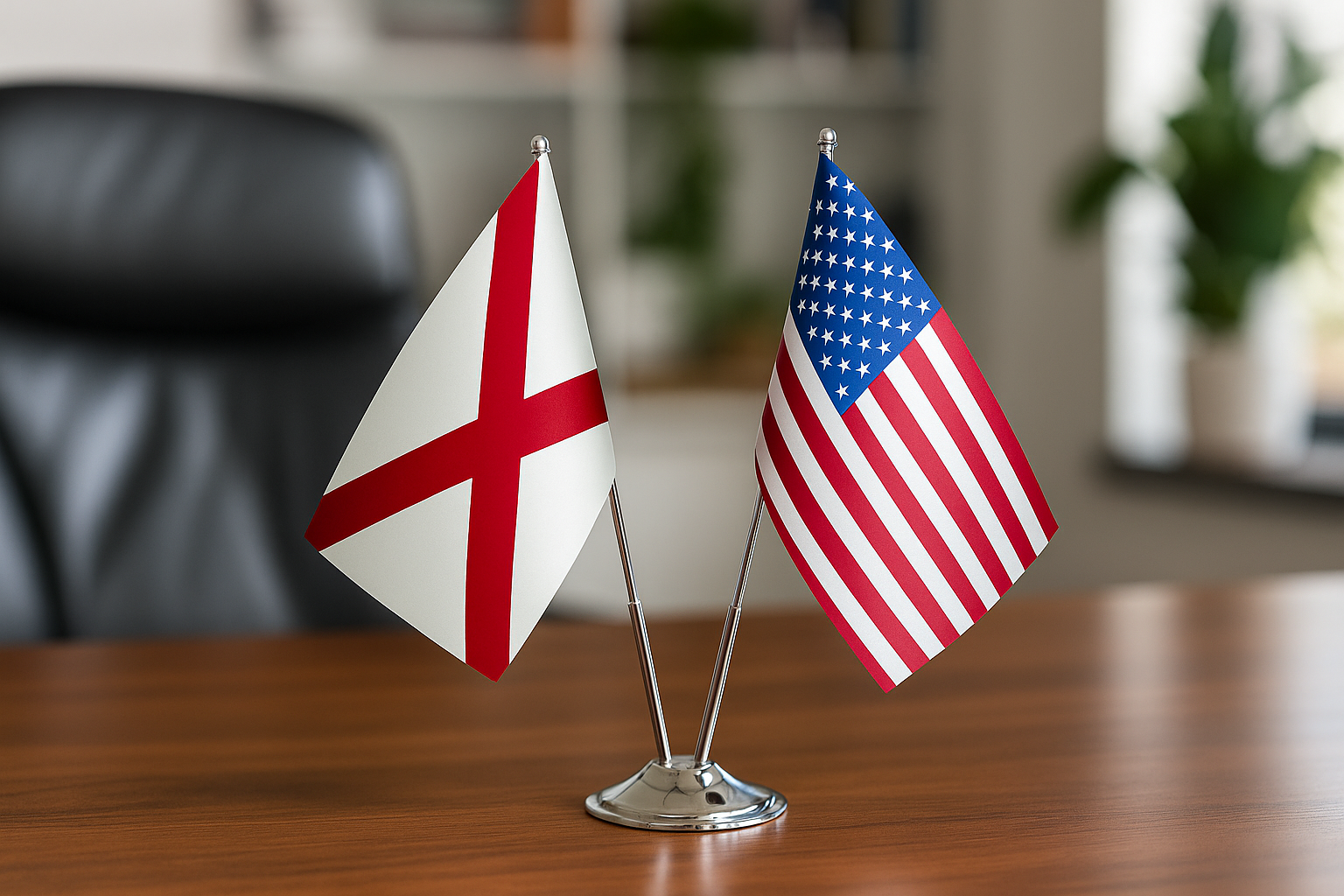
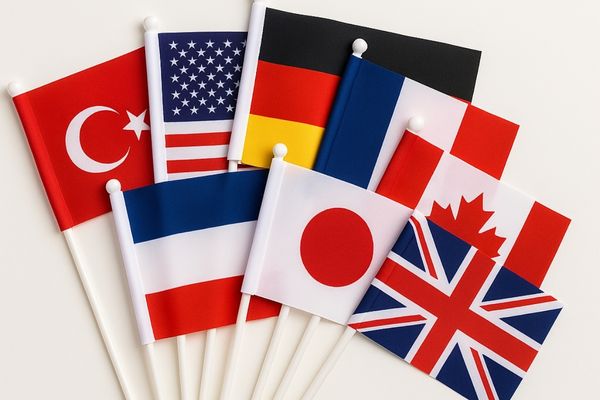
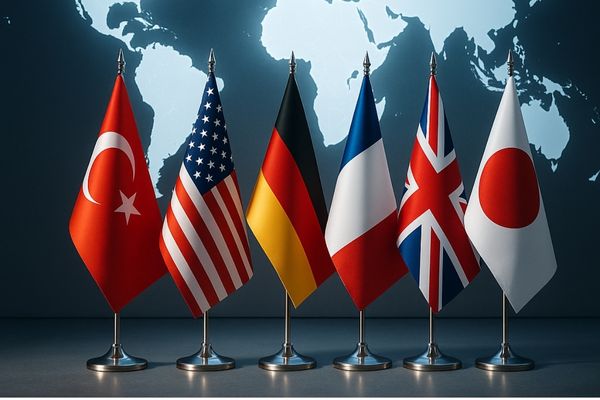


Red, white, and blue are the most common colors on flags of the world — appearing on more than half of all national flags — followed by green, yellow/gold, and black. If you've ever looked across a parade ground or an international summit and noticed how many banners share the same palette, that pattern is no accident: these six colors carry centuries of political, religious, and heraldic meaning that nations have deliberately borrowed and reinforced. Explore the full range of sovereign banners in the Country Flags collection, where every flag is manufactured to official proportions and color specifications.
What the Colors on World Flags Actually Mean
The colors on world flags are not chosen randomly — each hue carries a widely recognized symbolic vocabulary that governments use to communicate national identity at a glance. Red almost universally signals courage, sacrifice, or the blood of those who fought for independence. White stands for peace, purity, or unity. Blue represents the sea, sky, rivers, or liberty depending on the nation. Green is closely associated with Islam, agriculture, or the natural landscape, which is why it dominates flags across North Africa and the Middle East. Yellow and gold evoke mineral wealth, the sun, or imperial prestige — think of the gold in the flags of Brazil, Ghana, or Colombia. Black, used on roughly 50 national flags, often references African heritage (most famously in the Pan-African palette), the defeat of enemies, or the fertile soil of the land. Understanding this symbolic grammar is the first step to reading any flag intelligently.
It is worth noting that the same color can carry completely different meanings depending on cultural context. White signals mourning in parts of East Asia but peace in Western tradition. Green represents the environment in some secular nations and Islamic faith in others. Flag scholars working under FIAV (the International Federation of Vexillological Associations) standards emphasize that symbolism is always nationally defined — official government decrees and constitutional preambles are the authoritative source, not universal dictionaries of color.
A Brief History of How Flag Colors Evolved
Flag colors evolved primarily from heraldry and the practical limitations of dye technology available to medieval and early modern banner-makers. The earliest national flags — appearing in Europe from the 13th century onward — were drawn from coats of arms, which themselves were governed by the heraldic rule of tincture: no color on color, no metal on metal. This rule forced designers to contrast bold hues against white or yellow, producing the high-contrast tricolors that still dominate today. The Dutch Prinsenvlag (Prince's Flag) of the late 16th century — orange, white, and blue — is widely considered the template for the tricolor format that spread across revolutionary France, and from there to much of the world.
The 19th century was the great age of nationalist flag-making. As empires fragmented and new republics emerged across Europe and the Americas, newly independent nations often borrowed colors from the flags of patron states or revolutionary movements. The red, white, and blue of the French Tricolor inspired flags from Romania to Haiti. The Pan-Slavic palette of red, white, and blue became a deliberate signal of Slavic solidarity. Similarly, the Pan-Arab colors — red, white, black, and green — were codified during the Arab Revolt of 1916 and still unify flags from Jordan to Iraq. The Pan-African colors of red, gold, and green, drawn from the Ethiopian flag (Africa's oldest independent state), were adopted by dozens of newly decolonized African nations from the 1950s onward. These political color families are why geographic regions tend to share palettes.
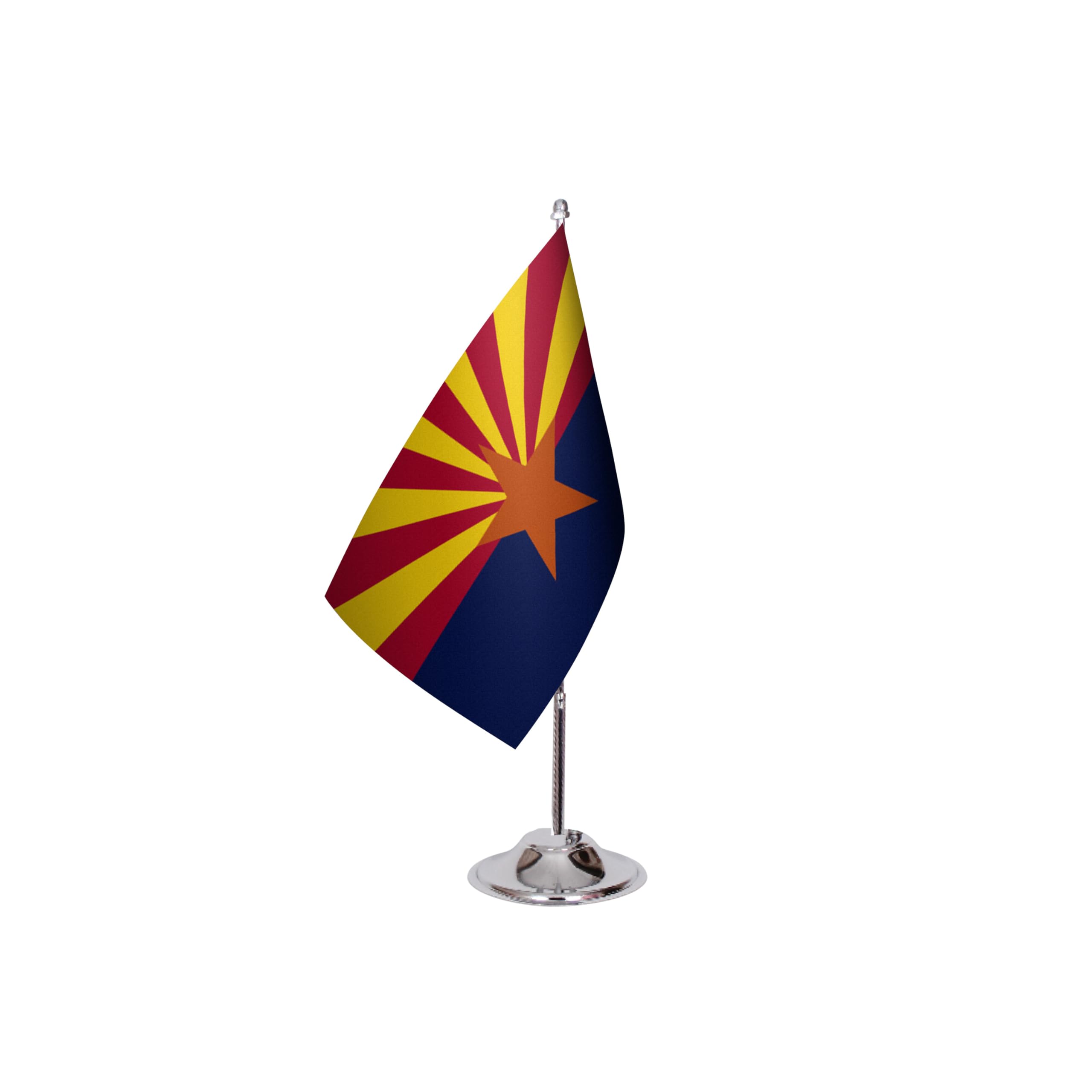
 Albania's flag is one of the most striking examples of a two-color national flag — a deep red field bearing a black double-headed eagle — with no third color diluting the bold contrast. The red-and-black combination dates to the medieval Kastrioti dynasty and was formally adopted when Albania declared independence in 1912, making it one of Europe's older continuous flag designs. Both red and black carry deep symbolic weight here: red for the blood of patriots, black for the darkness of oppression overcome. The USA Outdoor Flag manufactured by Asya Bayrak replicates this precise Pantone-matched crimson and the detailed eagle silhouette at standard outdoor sizes. It is a vivid reminder that some of the world's most powerful flags use just two colors with maximum graphic impact.
Where Specific Flag Symbols Come From
Beyond flat fields of color, many world flags carry symbols — stars, crescents, crosses, animals, plants, and weapons — each with traceable origins. The crescent and star combination, used on flags from Turkey to Pakistan, predates Islam and was a symbol of the Byzantine city of Constantinople before the Ottomans adopted it; it gradually became associated with the Islamic world through Ottoman imperial influence. Stars on flags carry their own family trees: the single star on flags like Somalia's or Cameroon's typically represents national unity, while arrangements of multiple stars (the 50 on the American flag, the five on China's) represent specific political subdivisions or ideological groups. For a deeper look at one widespread symbol, the article on which countries have a crescent flag traces that symbol's global journey in detail.
 Algeria's flag perfectly illustrates how a single banner can encode multiple symbol systems simultaneously. The vertical bicolor of green and white represents Islam and peace respectively, while the centered red crescent and star combine the Ottoman-era Islamic emblem with the color of revolution and the blood shed during Algeria's long independence struggle against French rule (1954–1962). The proportions are set at 2:3 and the green is a specific shade — approximately Pantone 347 — standardized by the Algerian government. The Outdoor Vertical USA Flag from Asya Bayrak is woven and dyed to match these official specifications, ensuring the red crescent reads as red — not orange or maroon — when displayed at events or diplomatic venues. Algeria's design is also a textbook example of the Pan-Arab color family (red, white, green) that links it visually to Jordan, Saudi Arabia, and the Palestinian flag.
Flags That Look Alike — and How to Tell Them Apart
Many world flags share such similar color combinations that even experienced flag enthusiasts confuse them, and this confusion matters practically when flags are displayed at international events. The most notorious look-alike pair is Chad and Romania — both vertical red-yellow-blue tricolors that differ only in the precise shade of blue (Chad's is slightly darker) and Romania's subtle shade variations. Ireland and Ivory Coast swap the same green-white-orange tricolor but reverse the hue order. Monaco and Indonesia both display red-over-white horizontal bicolors at similar proportions. For a comprehensive guide to these visual near-twins, the article on look-alike country flags and their differences is essential reading before ordering flags for multi-nation events.
The reason so many flags look alike is precisely the color family phenomenon described above. When dozens of nations independently reach for the same Pan-Arab, Pan-African, or tricolor template, convergence is mathematically inevitable. There are only so many ways to arrange three colors in stripes. This is why FIAV and professional vexillologists recommend always verifying flag specifications against official government sources — or ordering from a manufacturer who maintains a verified color database — rather than relying on memory or generic internet images.

Country Flags Collection
Every sovereign nation's flag manufactured to official proportions, Pantone-matched colors, and heavy-duty outdoor fabric — the definitive source for accurate world flags.
Browse Collection →Official Use, Display Standards, and Size Requirements Today
The official display of world flags is governed by a combination of national law, diplomatic protocol, and international convention — and color accuracy is legally significant in several jurisdictions. In the United States, the US Flag Code (4 USC §§ 1–10) governs American flag display but does not regulate foreign flags beyond requiring they be flown at equal height with the US flag when displayed together. Most nations with formal flag laws specify exact color values in Pantone, RAL, or CIELAB notation in their official government gazettes; deviating from those values on a flag used in a diplomatic or official government context can technically constitute a protocol violation. Standard outdoor flag sizes in the US run from 2 ft × 3 ft (61 cm × 91 cm) for small pole displays up to 5 ft × 8 ft (152 cm × 244 cm) for standard 20 ft (6 m) poles, with 3 ft × 5 ft (91 cm × 152 cm) being the most common commercial size.
For organizations displaying multiple national flags simultaneously — at conferences, embassies, hotels, or sporting events — the standard protocol is alphabetical order in the host nation's language, with all flags at identical heights and of identical physical dimensions. This is the United Nations convention and is widely adopted globally. If you are sourcing flags for such an event, it is critical that every flag in the set is produced to the same aspect ratio and the same fabric weight, so they hang and flutter consistently. The broader Flags collection at Asya Bayrak covers the full range of display contexts, from indoor ceremonial to heavy-duty outdoor installations.
Manufacturers who take color fidelity seriously — as a professional flag manufacturer must — calibrate their inks and dyes against official government-published color standards for each nation. This is why ordering from a specialist rather than a generalist supplier matters: the difference between Algeria's official green (Pantone 347) and a slightly off-target green that looks acceptable on a computer screen but reads incorrectly under natural light is the difference between a flag that passes diplomatic muster and one that does not. Bulk pricing is available for corporate and institutional orders requiring consistent multi-flag sets across all world nations.
Which color appears on the most national flags in the world? +
How many countries are there in the world, and do they all have unique flags? +
What is the only national flag in the world that is not rectangular? +
Are there any national flags with no red, white, or blue? +
What standard sizes should I order when buying world flags for an international event? +
How long do outdoor world flags typically last before needing replacement? +
Can I order a complete set of all country flags from one supplier? +
The colors and symbols on world flags represent thousands of years of human history compressed into a few square feet of fabric — and getting them right, from the correct Pantone shade to the precise proportions, is a matter of both respect and professional credibility. Whether you are outfitting a single pole outside a business, a row of flagstaffs at a convention center, or a complete diplomatic installation, the Country Flags collection at Asya Bayrak covers every sovereign nation to official specifications. For specific nations, browse individual product pages such as the Outdoor Vertical USA Flag or the USA Outdoor Flag for exact size and material options. Bulk pricing is available for corporate and institutional orders requiring full multi-nation sets.