



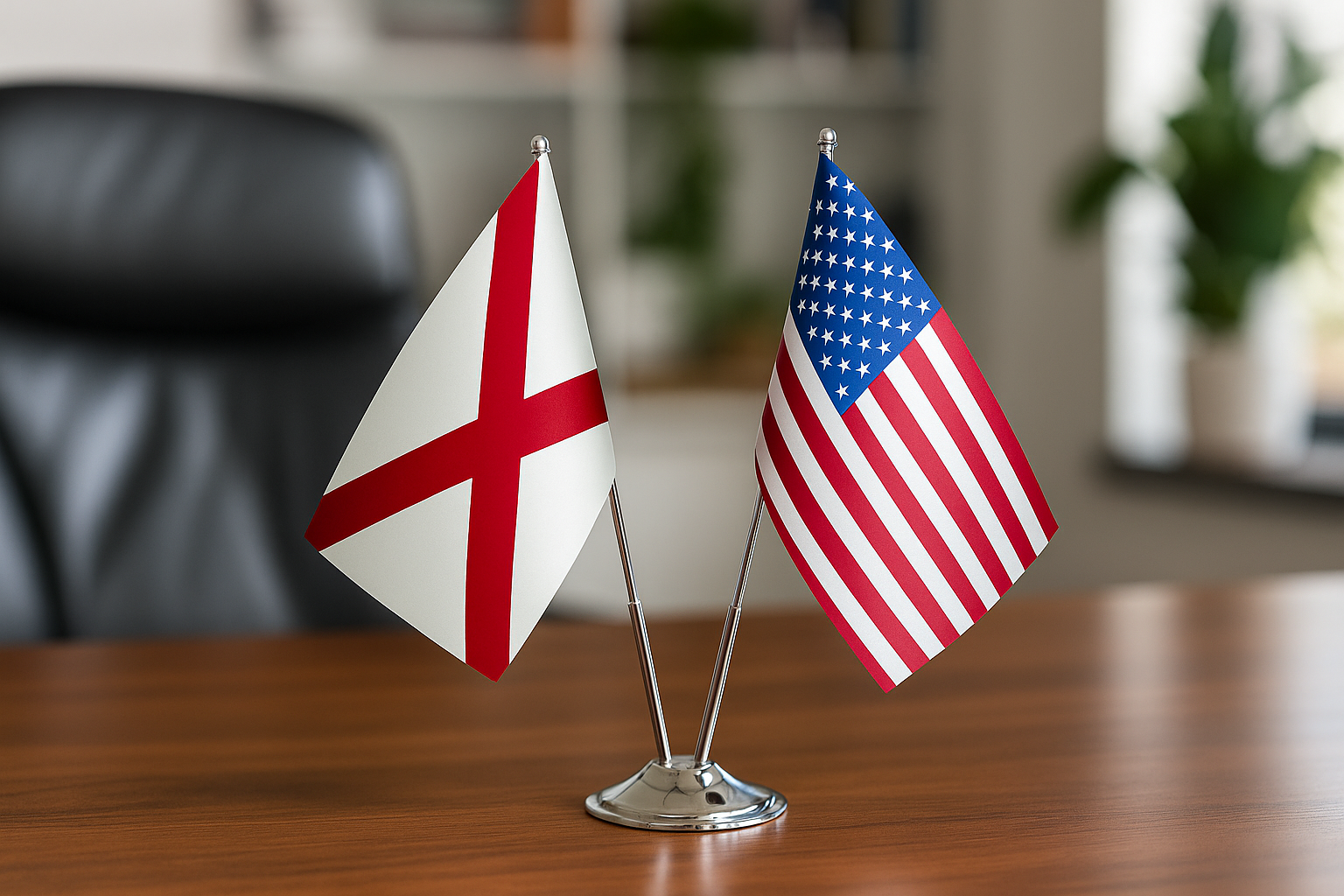




To wash a flag correctly, hand-wash it in cold water with a mild detergent, rinse thoroughly, and air-dry it flat or on a line away from direct sunlight — never machine-dry on high heat. To store it properly, fold it neatly (using the traditional triangle fold for the American flag, as outlined in the US Flag Code, 4 USC §§ 1–10), place it in a breathable cotton bag, and keep it in a cool, dry location away from moisture and pests. Whether you fly a ceremonial flag or a heavy-duty polyester banner from our Flags collection, the same core principles of gentle cleaning and proper storage will protect your investment and extend its useful life from months to years.
What You Need Before You Start
Before washing or storing any flag, gather the right supplies so the process goes smoothly without damaging the fabric or colors. You will need a clean basin or bathtub large enough to fully submerge the flag, a pH-neutral or mild liquid detergent (look for "color-safe" or "gentle" on the label), clean lukewarm or cold water, a soft sponge or cloth for spot-treatment, and a clean, dry surface or drying rack for air-drying. For storage you will need a breathable cotton pillowcase or archival storage bag, acid-free tissue paper for flags with embroidery or fringe, and a clean, dark storage box or shelf space away from humidity.
Understanding your flag's material is equally important before you start. Most outdoor flags sold in the United States are made from one of three fabrics: nylon, polyester, or cotton. Nylon dries fastest and is the most forgiving to wash — it can typically handle a gentle machine cycle on cold. Polyester is heavier and more durable in high winds (see our guide on best flag material for high winds for a full breakdown), but it requires more care when wringing out water. Cotton flags are the most delicate of the three and are almost always better hand-washed. Check the care label sewn into the flag's header (the canvas sleeve along the hoist edge) — reputable manufacturers will include washing instructions there. If there is no label, default to hand-washing in cold water to be safe.
You should also inspect the flag before washing. Look for tears along the fly end (the free-flapping edge), fraying at the header, loose stitching, or any mold or mildew spots. Small repairs with a matching thread should be done before washing, not after, because water and agitation can worsen existing damage. If you notice UV-related color fading before washing, that is a separate issue — our article on why flags fade and how UV causes color loss explains that process in depth. Remove any hardware — snap hooks, clips, or grommets that can be detached — before submerging the flag.
Step-by-Step Instructions for Washing a Flag
Hand-washing in cold water is the safest and most universally recommended method for washing a flag, and the entire process takes about 20–30 minutes plus drying time. Follow these steps in order to clean your flag without damaging its colors, stitching, or material.
 Start by filling a clean basin or bathtub with cold or lukewarm water — never hot, as heat sets stains and can shrink or distort synthetic fabrics. Add approximately one teaspoon of mild, color-safe liquid detergent per gallon (3.8 L) of water and mix gently until dissolved. Submerge the flag fully and use your hands to agitate the fabric gently, working the soapy water through the material in slow, circular motions for 5–10 minutes. Pay extra attention to the header and fly end, which tend to accumulate the most dirt and grime from daily exposure. For stubborn bird droppings, tree sap, or grease spots, apply a small amount of undiluted detergent directly to the stain and let it sit for 5 minutes before gently working it in with a soft sponge — never scrub harshly, especially on printed or embroidered designs like those featured on our USA Outdoor Flag. Once clean, drain the dirty water, refill the basin with clean cold water, and rinse the flag thoroughly until no soap remains — typically two to three rinse cycles.
- Fill basin with cold water and dissolve 1 tsp of mild, color-safe detergent per gallon.
- Submerge the flag and gently agitate by hand for 5–10 minutes.
- Spot-treat stains with undiluted detergent and a soft cloth; do not scrub printed areas.
- Rinse twice or three times in fresh cold water until the water runs completely clear.
- Gently squeeze out excess water — never wring or twist, which stresses seams and grommets.
- Lay flat or hang on a line in a shaded, well-ventilated area to air-dry completely before folding or storing.
If you choose to use a washing machine for nylon flags, select the delicate or gentle cycle with cold water and use a mesh laundry bag to prevent the flag from tangling or catching on the drum. Avoid bleach entirely — even oxygen bleach can strip dyes from flags, particularly reds and blues. Never tumble dry on heat; always air-dry. A standard 3 ft × 5 ft (91 cm × 152 cm) flag typically dries fully in 2–4 hours on a breezy day.
Step-by-Step Instructions for Storing a Flag
Proper flag storage begins the moment the flag is completely dry — folding or boxing a damp flag is the single fastest way to guarantee mildew, musty odor, and permanent fabric staining. Once the flag is bone-dry, follow these steps for storage that can keep the flag in excellent condition for 6 months to several years depending on the material and environment.
- Fold the flag properly. For the American flag, the US Flag Code prescribes the 13-fold triangular fold, ending with only the blue union field visible. For other flags, a neat rectangular or triangular fold that minimizes sharp creasing is appropriate.
- Use acid-free tissue paper for delicate flags. Place sheets between fold layers for flags with heavy embroidery, gold fringe, or metallic printing to prevent color transfer and fabric stress.
- Place the flag in a breathable cotton bag or archival box. Avoid plastic bags or airtight containers — trapped moisture and off-gassing from plastic can damage fabric over time. A clean white cotton pillowcase works well for everyday storage.
- Label the bag with the flag type, date of last use, and any repair notes, especially if you manage multiple flags for a business, HOA, or organization.
- Store in a cool, dry, dark location — a closet shelf, cedar chest, or archival drawer is ideal. Target a relative humidity below 50% and a temperature between 60–75°F (15–24°C). Avoid attics (too hot), basements (too damp), and garages (both).
- Check stored flags every 3–6 months for any signs of pest activity, moisture intrusion, or mildew. Cedar blocks or lavender sachets placed nearby naturally deter moths without the chemical damage of mothballs.
Common Mistakes That Damage Flags During Washing and Storage
The most common flag-care mistakes — hot water washing, machine drying, and storing while damp — are also the most damaging, and they account for the majority of preventable flag failures. Knowing what to avoid is just as important as knowing the correct steps.
Using hot water is mistake number one. Hot water causes nylon to lose its luster and can permanently shrink cotton flags by 5–10%, distorting the proportions set by FIAV (Fédération Internationale des Associations Vexillologiques) standards or the specific flag's design spec. Machine drying on any heat setting — even "low" — applies enough heat to melt the surface of nylon fibers, resulting in a stiff, pilled texture that catches wind poorly and wears out faster. Related to this, never iron a flag on high heat; if removing fold creases is necessary, use a steamer or an iron on the lowest synthetic setting with a pressing cloth between the iron and the flag surface.
Storing a flag while it is even slightly damp is mistake number two. Mildew can begin developing on a folded flag within 24–48 hours in warm, enclosed spaces. Once mildew penetrates the fibers, it is nearly impossible to remove fully without aggressive treatments that themselves damage the fabric. If you are unsure whether a flag is dry, hang it for an additional hour before folding. For organizations flying flags year-round — apartment complexes, HOAs, schools, and nonprofits (see our guides for outdoor flags for HOA communities and flags for nonprofits and houses of worship) — rotating between two flags while one is being washed and dried is a best practice that prevents flags from being stored damp in a hurry.
Using harsh chemicals including bleach, fabric softener, and strong stain removers is mistake number three. Bleach degrades synthetic fibers at the molecular level and visibly strips dye from printed designs within minutes. Fabric softener coats fibers with a wax-like residue that traps dirt more aggressively over time and reduces the flag's ability to fly freely in light breezes. Stick to plain mild detergent only.
Safety and Durability Notes
Properly washed and stored flags last significantly longer — a well-maintained outdoor nylon flag can realistically serve 12–18 months in regular display, versus 4–6 months for one that is never cleaned, according to typical manufacturer longevity data. Our full breakdown on how long outdoor flags last covers material-by-material lifespan in detail, but the takeaway is consistent: cleaning extends life, full stop.
When washing flags with metal grommets, inspect the grommets after rinsing — water can cause zinc or low-grade brass grommets to oxidize, leaving rust stains on the header fabric over time. Tap the grommet edges dry immediately after washing and apply a light coat of petroleum jelly or clear lacquer to unpainted metal surfaces before storage. For flags with rope-and-toggle attachments instead of grommets, remove the rope before washing and inspect it for fraying — a damaged rope is a safety hazard on a flagpole and should be replaced. From a health and safety perspective, always wash your hands after handling flags that have been exposed to outdoor air for extended periods, particularly during wildfire smoke events or industrial pollution episodes, as particulate matter accumulates on flag fabric.

Flags Collection
Browse our full range of outdoor and indoor flags, made from long-lasting nylon and polyester designed to withstand the elements and hold color through repeated washing.
Browse Collection →When to Retire a Flag Instead of Washing It
Some flags are beyond saving through washing, and continuing to display a severely deteriorated flag is both a practical problem and, for the American flag specifically, a matter addressed by the US Flag Code — Section 8(k) of 4 USC states that a flag that is no longer a fitting emblem for display should be destroyed in a dignified manner, traditionally by burning. Knowing when to retire rather than rewash saves time and preserves the dignity of the flag's symbolism.
Retire a flag when it shows any of the following conditions: fraying along the fly end that extends more than 1 in (2.5 cm) inward, tears that cannot be neatly repaired, color fading so severe that the design is no longer clearly identifiable, permanent staining that does not lift after two wash attempts, or significant mildew that has penetrated the weave. Many American Legion posts, VFW chapters, and Boy Scout troops accept worn American flags for proper retirement ceremonies free of charge — contact your local chapter or visit usa.gov for a location near you. For other flag types, contact the flag's issuing organization or embassy for culturally appropriate retirement protocols. Replacing a retired flag with a fresh, properly maintained one is always the right call — and starting good care habits from day one ensures the new flag lasts as long as possible.
When to Call a Professional Flag Care or Restoration Service
Professional flag restoration is warranted for antique, ceremonial, or high-value flags where DIY washing carries an unacceptable risk of damage. If your flag is more than 50 years old, contains hand-embroidery or metallic thread, was flown at a historically significant event, or holds monetary appraisal value, do not attempt home washing — contact a textile conservator or a professional flag restoration service instead. The American Institute for Conservation (AIC) maintains a directory of certified textile conservators at culturalheritage.org/find-a-conservator. For large-format commercial or government flags — sizes 10 ft × 15 ft (3 m × 4.6 m) and above — professional industrial laundering equipment handles the volume and weight safely without the strain on seams that hand-washing a heavy, wet flag creates. Similarly, if a flag has been contaminated with chemicals, fuel, or biohazardous material, professional cleaning is required for safety reasons, not just fabric preservation.
Frequently Asked Questions
Can I machine wash an American flag? +
How often should I wash an outdoor flag? +
What is the correct way to fold an American flag for storage? +
Can I use bleach to remove stains from a flag? +
How should I store a flag long-term — more than a year? +
What should I do with a flag that is too worn to display? +
Does washing a flag reduce its UV resistance? +
Taking 30 minutes to wash and store a flag correctly pays dividends measured in months of additional service life and sustained visual presentation. Whether you manage a single residential flag or a fleet of banners for a business or institution, the principles are the same: cold water, mild soap, complete drying, and breathable storage away from heat and moisture. For a flag that handles repeated washing particularly well, our USA Outdoor Flag is built from high-tenacity nylon with colorfast dyes that maintain vibrancy through consistent care cycles. Browse our full Flags collection to find the right flag for your application — from residential to commercial display. Bulk pricing is available for corporate, government, and institutional orders — contact our team for a quote on multi-unit purchases.